
Finding storage solutions for a small breakfast nook with limited wall space requires balancing accessibility with physical comfort. When every square centimeter of floor space counts, standard dining furniture can quickly make a room feel cramped and difficult to navigate. A slim-profile side shelves rack organizer is an ideal solution because it bridges the gap between storage and floor space conservation, allowing you to keep daily dining essentials within arm’s reach without overcrowding your seating area.
The key to selecting the right organizer lies in understanding your specific spatial limitations and choosing a design that complements your daily routine. Some households benefit most from mobile storage that can be tucked away after breakfast, while others require semi-permanent wall installations or table-mounted extensions. By evaluating your nook’s layout, clearance zones, and environmental factors, you can create a highly functional dining space that feels open, organized, and inviting.
Assessing Your Breakfast Nook Space and Clearances
Before purchasing any storage unit, you must establish the precise physical boundaries of your breakfast nook to prevent overcrowding and ensure safe movement. Begin by measuring the absolute floor footprint of the dining area, noting the distance from the table edges to the nearest walls, doorways, and kitchen counters. These initial numbers define the maximum allowable depth and width for any prospective floor-standing organizer.
Products mentioned in this guide
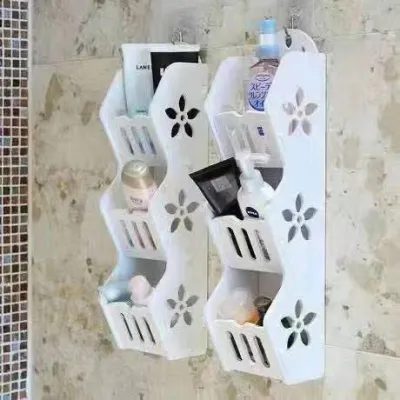
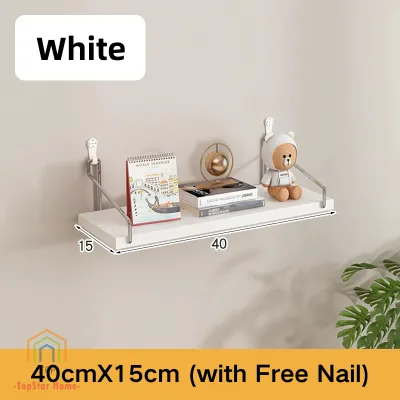
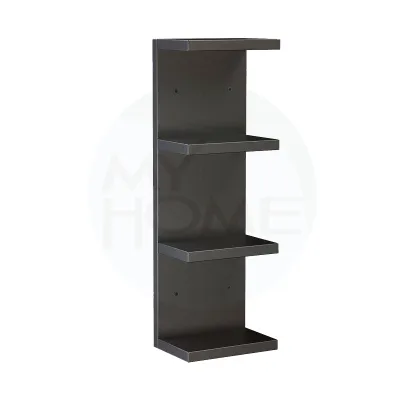
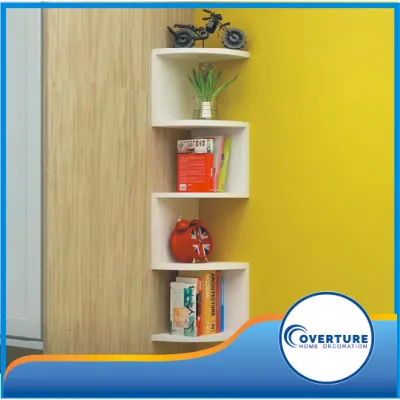
Prices are valid at publication and may change. Please refer to the product page for the latest price.
Next, calculate the vertical clearance of your walls, paying close attention to any architectural features that could limit installation. Windows, light switches, electrical outlets, and wall trim all dictate where shelves can safely hang or stand. If you plan to install wall-mounted shelves, use a stud finder to locate the structural framing behind your drywall, as mounting directly into plaster or hollow concrete blocks requires distinct hardware.
You must also account for the physical space required for dining chairs or benches to function properly. A standard dining chair requires approximately 60 to 75 centimeters of depth to pull out fully when a person sits down or stands up. Measuring your space with the chairs in their fully extended positions ensures that your new shelf will not block guests or cause them to bump their elbows while eating.
Finally, evaluate the walking paths and traffic flow around the breakfast nook. If your dining table sits adjacent to a busy hallway or kitchen entry, you should maintain a clear walkway of at least 70 to 90 centimeters behind the seated dining area. Do not forget to inspect the floor itself; uneven floor tiles or thick baseboards can prevent freestanding racks from sitting flush against the wall, which can cause stability issues if not addressed with leveling feet.
Choosing the Right Side Shelves Rack Organizer for Tight Spaces
Selecting the best storage style depends on how much floor space you can spare and whether you are permitted to drill into your walls. Different organizer types offer unique trade-offs in terms of mobility, load capacity, and installation complexity.

Slim Rolling Carts and Tuck-Away Racks
Narrow-profile utility carts with locking caster wheels offer exceptional flexibility for compact breakfast nooks. These mobile organizers typically range from 12 to 20 centimeters in width, allowing them to slide easily into the narrow gaps between your dining table and the wall. During meal times, the cart can be rolled out to serve as a temporary side station for coffee makers, condiment jars, or extra napkins.
Once breakfast is over, a rolling cart can be quickly relocated to a nearby pantry, closet, or kitchen corner to reclaim valuable floor space. This mobility is particularly advantageous in multi-use spaces or rental properties where permanent wall modifications are not allowed. Budget-friendly plastic or wire models may cost under ₱1,000, while premium solid wood or heavy-duty steel options can range from ₱2,500 to ₱5,000. When shopping, look for sturdy metal frames and high-quality casters that glide smoothly across your specific flooring material without leaving scuff marks.
It is critical to verify the exact wheel clearance and overall footprint of the cart against your measured nook dimensions. Some models have wider wheelbases than their shelf shelves, which can prevent them from fitting into tight spaces. Additionally, ensure the wheels feature reliable locking mechanisms to prevent the cart from drifting or tipping when items are removed or replaced.
Wall-Mounted Drop-Leaf and Floating Shelves
For nooks with absolutely zero available floor space, vertical wall-mounted solutions keep the ground completely clear. Fold-down drop-leaf shelves are highly efficient, acting as temporary side tables or prep surfaces when raised, and folding flat against the wall when lowered. This dual-function design ensures that the walkway remains completely unobstructed when the breakfast nook is not in active use.
Slim floating shelves offer a more permanent vertical storage option for lightweight dining accessories. These shelves are ideal for holding small items such as salt cellars, spice jars, decorative mugs, or paper napkins. Because they lack visible brackets, floating shelves maintain a clean, minimalist aesthetic that helps a small room feel less cluttered.
However, wall-mounted units require careful installation to ensure safety and longevity. You must verify the location of wall studs or use heavy-duty anchors suitable for your wall type, such as toggle bolts for drywall or expansion plugs for concrete. Always check the manufacturer’s specified weight limit and avoid placing heavy appliances on floating shelves that lack robust internal support brackets.
Clamp-On and Over-the-Table Organizers
If you want to avoid both floor obstruction and wall drilling, clamp-on side shelves offer an innovative alternative. These organizers attach directly to the edge of your existing breakfast table, effectively extending the usable surface area without taking up any additional room footprint. They are perfect for holding frequently used items like sugar bowls, tea boxes, or water carafes.
Before purchasing a clamp-on shelf, you must carefully evaluate the compatibility of your dining table. Check the maximum clamping range of the organizer to ensure it can accommodate your table’s edge thickness. Additionally, inspect the underside of your tabletop; the presence of structural apron beams, support crossbars, or decorative trim can block the clamp from securing tightly to the flat surface.
The material strength of your table is also a critical factor. Glass, thin acrylic, or lightweight hollow-core manufactured wood tables can crack or warp under the localized pressure of a tight clamp. Solid wood, thick plywood, and metal-framed tables are much better suited for clamp-on accessories, providing the structural integrity needed to support the extra weight safely.
Key Dimensions and Stability Features to Verify
When comparing different organizers, looking only at the overall height can lead to purchasing a unit that is too intrusive for your space. Instead, focus heavily on the depth and base width of the organizer. Standard shelving units are often 30 centimeters (12 inches) deep, which can easily crowd a narrow breakfast nook; instead, seek out ultra-slim designs that measure between 15 and 20 centimeters (6 to 8 inches) deep.
Stability is paramount, especially for tall, narrow freestanding racks that are inherently prone to tipping. Always check the manufacturer’s weight capacity labels and ensure that the heaviest items are stored on the lowest shelves to keep the center of gravity low. If you choose a tall rack, look for models that include anti-tip kits, wall tethers, or adjustable leveling feet to secure the unit firmly, preventing accidental tip-overs in high-traffic eating areas.
Environmental conditions in the Philippines also play a major role in the long-term durability of your furniture. High humidity levels can cause untreated wood to warp, swell, or develop mold, while cheap metal wire racks without proper protective coatings can quickly rust. Prioritize organizers with rust-resistant powder coatings, stainless steel hardware, or sealed polyurethane finishes on wooden components, and always review the manufacturer’s care instructions to maintain these protective barriers.
Common Sizing and Placement Mistakes to Avoid
One of the most common mistakes in small-space design is placing tall, solid-backed shelving units directly next to windows. This blocks natural light from entering the room, casting dark shadows over the dining area and making a compact breakfast nook feel small and claustrophobic. Opt instead for open-backed wire racks or low-profile shelves that allow light to pass through freely.
Another frequent error is ignoring the “swing zone” of nearby doors, cabinets, and major household appliances. A side shelf placed too close to a refrigerator, pantry door, or main kitchen entryway can restrict movement or cause repeated, damaging collisions. Always map out the full swing radius of all adjacent doors and drawers before finalizing the placement of your organizer.
Finally, avoid the temptation to overload narrow, top-heavy organizers with heavy kitchen appliances like microwave ovens, heavy-duty blenders, or large ceramic canisters. Placing heavy items on upper shelves compromises the stability of the entire unit and creates a severe safety hazard, particularly if children or pets are nearby. Keep your storage balanced by placing lightweight items on top and reserving the lower shelves for heavier, bulkier kitchen goods.
Frequently Asked Questions (FAQ)
How much clearance do I need between a side shelf and the dining table?
The ideal clearance depends on the size of your dining chairs, how users move, and whether the shelf is fixed or mobile. To determine a safe distance, measure the depth of your dining chair when it is fully pulled out from the table, then add a comfortable walking buffer of at least 30 to 45 centimeters (12 to 18 inches). This ensures that guests can easily stand up and walk behind the table without colliding with the side organizer or feeling restricted.
Are tension pole shelves safe for breakfast nooks with low ceilings?
Tension pole shelves can be a highly effective space-saving option, but their safety depends on continuous floor-to-ceiling pressure. In humid environments, drywall and wood ceilings can expand or contract slightly, which may cause the tension pole to lose its grip over time. To ensure safety, always verify the manufacturer’s specified ceiling height range and weight capacities, and regularly inspect the tension pads to confirm they have not slipped or damaged your ceiling finish.
Community discussion
Share your experience or ask a question. Comments are reviewed before publication.