
Selecting a side table for the bed that integrates both charging ports and storage requires looking past sleek product photos to focus on technical specifications. A poorly planned nightstand can leave you with slow-charging devices, cluttered cords, or a wobbly surface that cannot withstand daily use. To find a model that truly upgrades your bedroom, you must evaluate the power output of its USB ports, the physical dimensions of its storage compartments, and the durability of its materials. This guide breaks down the essential specifications to check before making a purchase, ensuring your new furniture is both highly functional and built to last.
Decoding Built-in Charging Specs and Power Output
When evaluating a side table for the bed with integrated power, the specific types of outlets and ports determine which devices you can charge. Standard AC outlets are essential for plugging in bedside lamps, humidifiers, or laptop chargers that require traditional wall plugs. For mobile devices, look for a combination of USB-A and USB-C ports. USB-A remains useful for older accessories, smartwatches, or e-readers, while USB-C is the modern standard required for fast-charging newer smartphones and tablets. Having both options built directly into the tabletop or a recessed compartment minimizes the need for bulky wall adapters.
The charging speed of these ports depends entirely on their wattage (W) and amperage (A) ratings. Standard, low-cost USB ports often provide only 5W (5V, 1A), which charges modern smartphones very slowly. For efficient overnight charging, look for ports that offer at least 12W (5V, 2.4A). If you want to fast-charge a compatible smartphone or tablet, seek out a USB-C port with Power Delivery (PD) rated at 18W to 20W or higher. High-wattage ports of 45W to 65W are generally only necessary if you plan to charge a laptop directly from the nightstand without using its original AC power brick.
Products mentioned in this guide
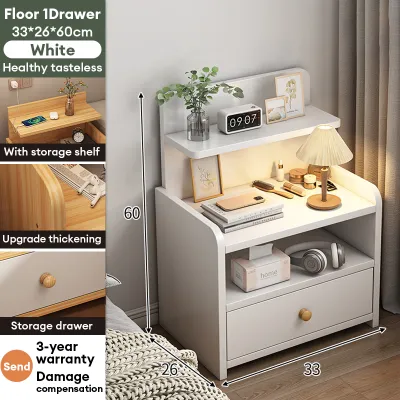
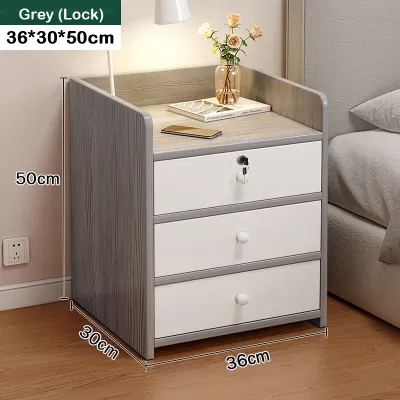
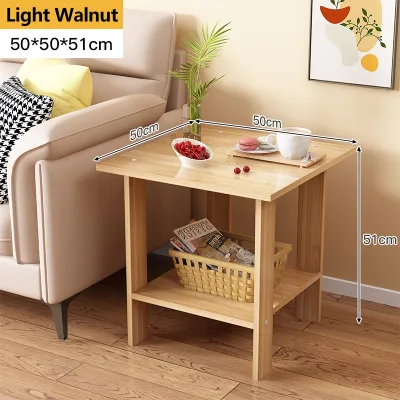
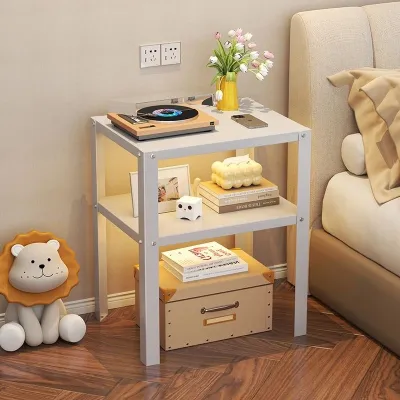
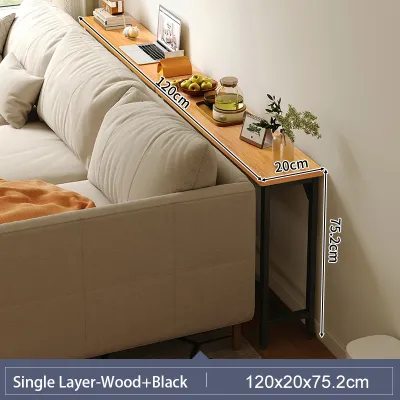
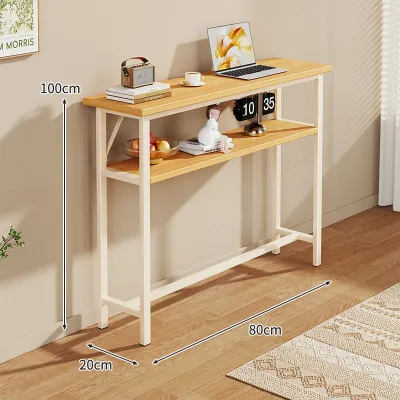
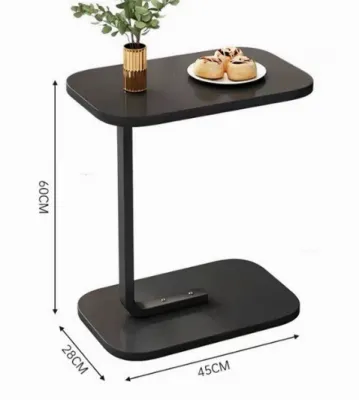
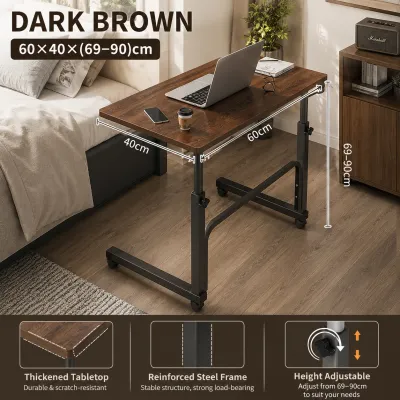
Prices are valid at publication and may change. Please refer to the product page for the latest price.
Cable management features are just as critical as power output. Look for nightstands with recessed power strips, which sit below the main surface level to prevent plugs from sticking up and reducing your usable tabletop space. Integrated cord channels, back cutouts, or routing slots allow you to guide cables cleanly behind the furniture, keeping the surface free of clutter.
Because these tables connect directly to your home’s electrical grid, safety verification is paramount. In the Philippines, electrical components are subject to strict safety standards due to voltage fluctuations and tropical conditions. Always verify that the built-in power strip or charging module carries recognized safety certifications, such as the Philippine Standard (PS) mark, the Import Commodity Clearance (ICC) sticker, or international equivalents like UL or CE. Check the physical product label or manufacturer documentation directly, rather than relying on unverified online marketing claims, to ensure the unit includes built-in surge protection to safeguard your expensive electronics.
Translating Storage Dimensions for Your Side Table for the Bed into Real-World Capacity
A functional side table for the bed must balance open and closed storage to accommodate your specific nighttime routine. Closed storage, such as drawers, is ideal for concealing visual clutter, keeping personal items private, and protecting electronics from dust. Open shelves or cubbies provide quick, easy access to items you reach for frequently, such as books, glasses, or a glass of water. When browsing options, consider what you keep within arm’s reach and choose a configuration that separates your daily essentials from items you only need occasionally.

To ensure the drawers are actually useful, look closely at the internal drawer dimensions rather than just the external cabinet size. Many modern nightstands feature shallow drawers with internal heights of less than 8 centimeters, which may not accommodate thicker items like tablet cases, journals, or medication bottles. Measure the height and depth of your largest bedside items and compare them to the manufacturer’s specified internal drawer clearances to avoid purchasing a table with unusable storage space.
The physical height of the table relative to your bed is crucial for comfort and ergonomics. Ideally, the top surface of the nightstand should sit level with or slightly below the top of your mattress—typically within a range of 5 to 10 centimeters. A table that is too high makes it difficult to reach your phone or turn off an alarm while lying down, while a table that is too low increases the risk of accidentally knocking over items when reaching out in the dark.
Finally, evaluate the overall footprint of the unit, specifically its width and depth. In typical Philippine bedrooms, space can be at a premium, making it essential to maintain adequate walking clearance around the bed frame. Ensure there is at least 50 to 60 centimeters of open space between the side of the table and any adjacent wardrobe doors, curtains, or walkways. A table that is too deep can block pathways or prevent closet doors from opening fully, disrupting the flow of the room.
Interpreting Material and Stability Specs for Daily Use
The materials used to construct your side table for the bed directly affect its durability, maintenance, and performance in your home. Engineered wood, such as MDF or particle board, is a common and budget-friendly choice, but its performance depends heavily on the quality of its protective finish. In humid tropical climates like the Philippines, poorly sealed engineered wood can absorb moisture from the air, causing the edges to swell, warp, or peel over time. Solid wood, such as mahogany, acacia, or rubberwood, offers superior longevity and structural strength, though it requires stable indoor conditions and regular dusting to maintain its appearance. Metal frames paired with wooden surfaces provide excellent structural rigidity and resist moisture damage well.
When reviewing surface specifications, treat claims of “scratch-resistant” or “water-resistant” finishes as maintenance guidelines rather than absolute guarantees. A water-resistant melamine or polyurethane coating is highly beneficial for protecting the wood from the condensation of cold drinks, but it still requires care. To prevent bubbling, warping, or staining, make it a habit to use coasters and wipe up any liquid spills immediately. Avoid harsh chemical cleaners that can strip away these protective coatings over time.
Stability is a critical safety consideration, especially if the table will hold heavy items or if children and pets are in the home. Look for design features that lower the center of gravity, such as a weighted base or a sturdy metal frame. If your bedroom has uneven tile or wooden floors, search for models equipped with adjustable leveling feet, which allow you to stabilize the table with a quick twist. For taller or top-heavy units, check if the manufacturer includes anti-tip wall anchors to secure the furniture directly to the wall, preventing accidental tip-overs.
Before purchasing, take the time to review the manufacturer’s assembly instructions and hardware specifications. High-quality hardware, such as steel cam locks, dowels, and metal drawer glides, indicates a more robust construction. Avoid tables that rely solely on cheap plastic brackets or thin screws, as these joints are prone to loosening over time, leading to a wobbly, unstable nightstand.
Specs That Matter Less: Simplifying Your Decision
When shopping for a side table for the bed, it is easy to get distracted by high-tech features that add cost without improving your daily experience. One specification you can often deprioritize is excessively high total wattage. If you only plan to charge a smartphone and a smartwatch overnight, a power strip boasting 100W of total output is unnecessary. Overnight charging is naturally slow and steady; a standard 12W to 20W port will easily bring your devices to a full charge by morning, saving you from paying a premium for high-capacity power delivery you do not use.
You should also approach built-in proprietary charging docks or custom device cradles with caution. While a molded slot designed specifically for a particular smartphone model or smartwatch charger may look neat, it severely limits your future options. When you upgrade your phone or change your smartwatch brand, these custom-shaped cradles often become obsolete, leaving you with useless gaps on your tabletop. Standard, flat surfaces with universal USB ports are far more adaptable to future technology upgrades.
Similarly, novelty features like built-in Bluetooth speakers, complex LED ambient lighting strips, or integrated wireless charging pads can introduce more points of failure than practical benefits. Cheap built-in speakers rarely offer high-quality sound, and integrated electronics can be difficult or impossible to repair if they fail after the warranty expires. Furthermore, built-in wireless charging pads can be frustrating if they have low alignment tolerance; if your phone shifts slightly due to a vibration or a light touch in the night, the charging connection will break, leaving you with an uncharged device in the morning. A simple, reliable cable connection remains the most dependable option.
Pre-Purchase Checklist: Space and Clearance Verification
To ensure your new side table for the bed fits seamlessly into your room and functions properly, complete this practical checklist before finalizing your purchase:
- Measure the Available Floor Space: Use a tape measure to determine the exact width and depth available beside your bed. Be sure to account for the overhang of your mattress or comforter, the thickness of your baseboards, and the clearance needed to fully open nearby closet doors or drawers.
- Check the Distance to the Wall Outlet: Measure the distance from where the table will sit to the nearest wall outlet. Ensure the table's integrated power cord is long enough to reach the outlet safely without stretching tight, creating a tripping hazard, or requiring an extension cord.
- Verify Access and Logistical Clearances: If the table ships fully assembled, measure your doorways, narrow hallways, stairwells, and elevator doors to confirm the package can be easily transported to your bedroom.
- Review Assembly and Return Policies: Check the retailer's assembly requirements—some units arrive flat-packed and require basic tools, while others offer professional assembly services. Additionally, review the return policy to understand your options if the table arrives damaged or does not fit your space.
By taking these precise measurements and verifying the electrical and structural specifications, you can confidently select a bedside table that keeps your devices powered and your bedroom organized.
Community discussion
Share your experience or ask a question. Comments are reviewed before publication.