
Finding the right ergonomic seating within a ₱5,000 to ₱10,000 budget requires balancing personal comfort with verifiable build specifications. While the Sihoo S100 is a prominent contender in this price bracket, deciding between it and alternative mid-range models depends on a careful comparison of adjustable components, structural materials, and physical dimensions. Because prices and stock levels frequently shift on online marketplaces, a successful purchase relies on verifying the exact features of the current production run against your specific body measurements and workspace layout.
To make an informed decision, you must look beyond marketing labels and analyze how a chair supports your posture during long hours of sitting. In tropical climates, material breathability becomes just as critical as mechanical adjustability. By evaluating the mechanical limits, frame stability, and post-purchase support of the Sihoo S100 alongside its direct competitors, you can identify which model offers the most reliable utility for your daily routine.
Core Adjustability and Support Features
The primary value of any ergonomic chair lies in its ability to adapt to your unique skeletal structure, making adjustability the first critical point of comparison. When examining the Sihoo S100 alongside other options in the ₱5,000 to ₱10,000 range, pay close attention to the lumbar support mechanism. Some mid-range chairs utilize a fixed lumbar pad, while others offer height-adjustable or depth-adjustable supports, and some even feature dynamic, spring-loaded lumbar panels that move as you shift. You should verify whether the S100’s lumbar support can be locked into a specific height to match the natural curve of your lower spine, as a misplaced support pad can cause discomfort rather than relieve pressure.
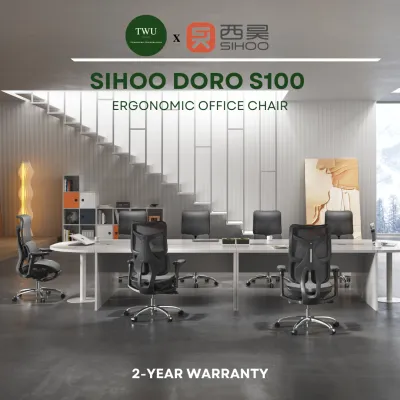
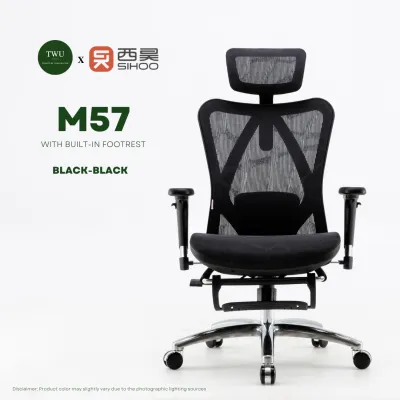
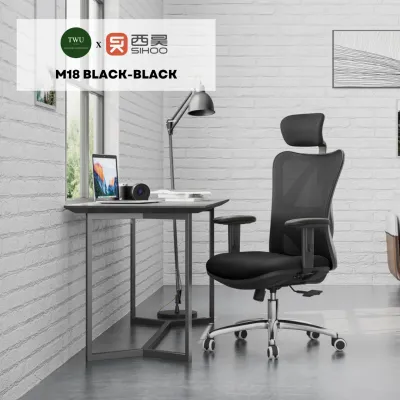
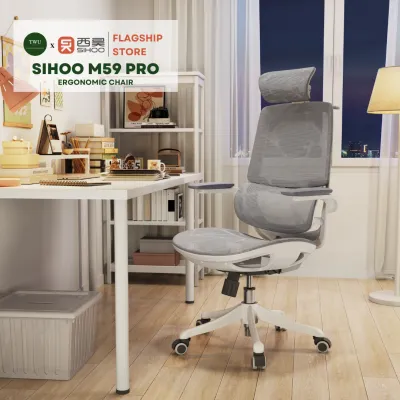
Products mentioned in this guide
![SIHOO M56 PRO [Latest Version] Ergonomic Office Computer Gaming Desk Chair 2 Year Warranty | Adjustable Height Adjustable Headrest Adjustable Armrest and Lumbar Support Recline-lock feature | Sihoo Official](https://img.lazcdn.com/g/p/c7c856d009b331ac1be45f448a7059b9.jpg_400x400q80.jpg_.webp)
Prices are valid at publication and may change. Please refer to the product page for the latest price.
Armrest adjustability is another area where mid-range models diverge significantly, directly impacting shoulder and neck strain. In this price tier, armrests generally range from basic height-adjustable designs (1D) to multi-directional configurations (2D or 3D) that allow for forward, backward, and rotational adjustments. When evaluating the Sihoo S100, check the product specifications to confirm the exact dimensions of armrest movement and whether the armrest pads are made of rigid plastic or a softer, semi-flexible polyurethane material. If your daily work involves frequent typing or drafting, multi-directional armrests are essential for keeping your elbows supported at a comfortable ninety-degree angle without forcing your shoulders upward.
Recline functionality and tilt tension control complete the mechanical profile of these chairs, determining how easily you can transition from an upright working posture to a relaxed position. Most chairs in the ₱5,000 to ₱10,000 bracket feature a tilt-lock mechanism that secures the backrest at several pre-set angles, alongside a tension knob underneath the seat to adjust the resistance of the recline. You should verify the maximum recline angle of the Sihoo S100 and compare it to competing models, especially if you plan to use the chair for resting or watching media. Ensure the tilt tension can be loosened sufficiently for lighter body weights or tightened to prevent heavier users from tipping backward too quickly.
Material, Breathability, and Build Quality
The choice of materials directly influences both daily comfort and the long-term durability of a chair, particularly in warm and humid environments. In the Philippines, where high humidity can make solid foam seats feel uncomfortably warm, full-mesh chairs like the Sihoo S100 are often favored for their increased ventilation. When comparing mesh backrests and seats to traditional high-density foam cushions, consider how the material handles heat dissipation over long working sessions. While mesh allows air to circulate freely, keeping you cool, you must verify the quality and tension of the mesh weave, as lower-grade mesh can stretch and sag over time, leading to a loss of support.

Conversely, high-density foam cushions offer a more traditional, plush feel that some users prefer for pressure distribution across the thighs and glutes. If you are looking at competing models with foam seats, check whether the manufacturer specifies the foam density or uses molded foam, which retains its shape much longer than cut polyurethane foam. The trade-off with foam is its tendency to trap body heat, which might require a more air-conditioned environment to remain comfortable throughout the day. Examine the outer fabric of foam seats as well, looking for breathable, weave-heavy textiles rather than synthetic leathers that can stick to the skin in tropical weather.
Beyond the seating surface, the structural integrity of the frame and base determines the chair’s stability and lifespan. Mid-range ergonomic chairs typically feature either a reinforced nylon base or a polished aluminum alloy base. While aluminum bases generally offer a more premium aesthetic and higher perceived durability, a heavy-duty nylon base can be equally robust if engineered with internal ribbing. You should also inspect the caster wheels included with the chair; nylon casters are standard and work well on carpets, but if you have hardwood or tile floors, look for polyurethane-coated casters to prevent scratching and reduce rolling noise.
Size Limits, Weight Capacity, and Space Requirements
A common pitfall when purchasing an ergonomic chair online is failing to match the physical dimensions of the chair to your body size and the physical limits of your workspace. Weight capacity is a primary indicator of structural durability, with mid-range chairs usually rated between 100 and 150 kilograms. When researching the Sihoo S100 and its competitors, do not rely solely on the maximum weight rating; instead, look for indicators of structural reinforcement, such as the class rating of the gas lift cylinder. A Class 4 gas lift is generally recommended in this price range for its reliable height adjustment and weight bearing over years of daily use.
Seat dimensions are equally critical for ensuring proper ergonomic alignment and preventing circulatory issues in your legs. Measure the seat width and depth of the Sihoo S100 and compare them to your current seating setup. Ideally, when sitting all the way back against the lumbar support, there should be a gap of two to three fingers between the front edge of the seat cushion and the back of your knees. If the seat depth is too long, the edge will press against your blood vessels, causing numbness; if it is too short, your thighs will lack adequate support, increasing the load on your lower back.
Finally, you must account for the spatial footprint of the chair within your home office or study area. Measure your desk height and compare it to the minimum and maximum seat heights of the chair, ensuring that the armrests can slide underneath the desk when the chair is not in use to save floor space. Consider the overall diameter of the five-star base, which typically ranges from 60 to 70 centimeters, to ensure it fits comfortably between your desk legs. If you plan to utilize the full recline function of the chair, measure the clearance behind your desk to avoid hitting walls, cabinets, or other furniture when leaning back.
Assembly, Warranty, and After-Sales Conditions
The experience of owning an ergonomic chair extends beyond its daily use to include the initial setup and the reliability of manufacturer support. Most chairs purchased online in the ₱5,000 to ₱10,000 range arrive flat-packed, requiring self-assembly. When preparing to assemble the Sihoo S100 or a competing model, check if the package includes all necessary tools, such as an Allen wrench, and whether the instructions are clear and illustrated. Many users find that having a second person to help hold the heavy backrest while securing it to the seat mechanism makes the process significantly easier and safer.
Warranty coverage is a crucial safeguard against premature component failure, particularly for moving parts like the gas lift, tilt mechanism, and armrests. Before finalizing your purchase, verify the exact duration and terms of the warranty offered by the seller or manufacturer. Some brands offer a comprehensive warranty covering all parts for one to three years, while others may only cover the frame or require you to pay for shipping replacement parts. Keep in mind that warranty registration processes can vary, sometimes requiring you to upload a proof of purchase or register the product serial number on the manufacturer’s official website within a specific timeframe.
Return policies on online marketplaces require careful scrutiny, especially for bulky items like furniture. Because returning an assembled chair is incredibly difficult and expensive, you should thoroughly inspect all components for damage or defects before beginning the assembly process. Check the seller’s policy regarding returns of opened or partially assembled items, as many merchants will only accept returns if the product is in its original packaging and completely disassembled. Understanding these conditions beforehand can save you significant hassle and expense if the chair does not meet your expectations upon arrival.
Decision Framework: Which Chair Fits Your Setup?
To choose the right chair from the ₱5,000 to ₱10,000 range, you must weigh your physical requirements against the specific design strengths of each model. The Sihoo S100 is highly suitable if you prioritize maximum breathability in a warm climate and prefer a full-mesh design that keeps you cool during extended working hours. Its adjustable features are well-suited for users of average height and build who require reliable lumbar support and standard armrest adjustments to maintain an upright, ergonomic posture throughout the day.
On the other hand, you should consider a competing mid-range model if your body type or working habits demand features not emphasized by the S100. For instance, if you prefer the plush, pressure-relieving feel of a thick foam seat cushion over the firm tension of mesh, a hybrid model with a mesh back and foam seat would be more appropriate. Additionally, if you are taller or heavier than average, look for competitors that offer extended seat depths, wider frames, or higher-rated gas lifts to ensure long-term comfort and structural safety.
Before clicking the checkout button on any online marketplace, always perform a final verification of the seller’s credentials and product details. Confirm whether you are buying from an authorized distributor or a third-party reseller, as this directly impacts the validity of your local warranty. Double-check the product listing to ensure you are receiving the exact model version you researched, including any specific accessories like headrests or upgraded casters. By taking these precautions, you can confidently invest in a chair that enhances your productivity and supports your physical well-being.
Community discussion
Share your experience or ask a question. Comments are reviewed before publication.