
To maximize space in compact bedrooms or high-rise condos, matching a single bed frame on sale with the right pull-out under-bed storage requires analyzing the frame’s ground clearance, structural support layout, and the surrounding floor space. Not every discounted frame accommodates aftermarket drawers, so understanding these mechanical relationships is key to avoiding costly return shipping fees and unusable furniture. Selecting the right combination allows you to turn wasted floor area into highly functional storage for linens, seasonal clothing, or daily essentials.
When shopping for a single bed frame on sale, the sheer variety of designs can be overwhelming. Platform beds, slatted frames, and divans each interact differently with pull-out storage systems. By focusing on precise measurements and structural compatibility, you can confidently secure a bargain that meets your organizational needs without sacrificing stability or style.
Core Principles for Matching Bed Frames and Pull-Out Storage
Successful integration of a single size bed frame and pull-out storage relies on two primary physical factors: vertical clearance and horizontal depth. Vertical clearance is the open space between the floor and the lowest point of the bed frame’s side rails. For standard aftermarket pull-out drawers, a minimum vertical clearance of 20 to 30 centimeters is typically required to allow the drawer box and its wheels to slide in and out without scraping. Horizontal depth dictates how far under the bed the drawer can slide before hitting center supports or the opposite side rail.
Products mentioned in this guide
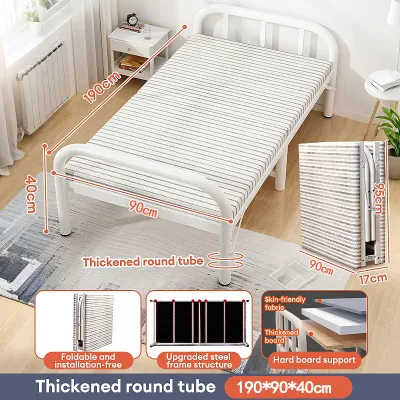
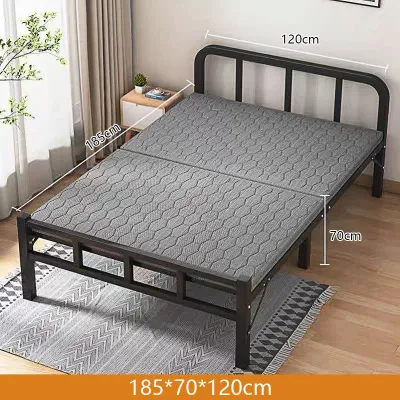
Prices are valid at publication and may change. Please refer to the product page for the latest price.
It is crucial to differentiate between built-in storage bases and aftermarket add-on drawers. Built-in systems are engineered as a single cohesive unit, often utilizing integrated metal tracks or pre-aligned channels that guarantee smooth operation. Aftermarket drawers, on the other hand, are independent storage boxes—often equipped with multidirectional casters or fixed wheels—that roll directly on the bedroom floor. While aftermarket options offer greater flexibility and are often more budget-friendly during sales, they require careful manual alignment and a completely flat floor surface to function properly.
Before purchasing any bed frame or storage accessory, always check the manufacturer specifications for weight limits and track alignment. Overloading a drawer can cause the bottom panel to bow, which leads to dragging on the floor and potential damage to your tiles or wooden planks. In tropical climates like the Philippines, high humidity levels can cause wooden drawer boxes or frame components to swell slightly. Checking that the manufacturer has allowed for a few millimeters of tolerance in their dimensions will help prevent drawers from binding or getting stuck during the more humid months of the year.
Platform and Panel Beds: Solid Base Compatibility
Platform and panel beds are popular choices during furniture sales due to their clean lines and sturdy support systems. However, their solid-base or enclosed-panel designs present unique challenges for under-bed storage. Many panel beds feature solid wooden or upholstered side panels that extend nearly all the way to the floor. This design creates a clean, flush look but physically blocks any lateral access, making aftermarket pull-out drawers impossible to use unless the frame is specifically designed with built-in drawer cutouts.

To evaluate a platform bed’s compatibility, check for recessed bases, solid side panels, or low-hanging crossbars. A recessed base—where the support structure is set back from the edge of the bed to create a floating effect—often restricts the usable depth for drawers. If you are considering a platform bed with enclosed sides, evaluate the internal height from the floor to the lowest solid panel. Some manufacturers design these frames with a shallow internal cavity that can accommodate specialized, ultra-low-profile storage boxes, though these are rarely compatible with standard wheeled drawers.
Before finalizing a purchase on a discounted platform bed, review the manufacturer’s assembly diagrams and product manuals. These documents will confirm whether the frame is designed to accommodate specific add-on storage kits from the same brand. If the product listing does not explicitly state compatibility with under-bed drawers, assume that aftermarket pull-out systems will not fit beneath a solid-panel or fully enclosed platform frame. In such cases, focusing your search on open-legged or slatted frames is a safer path to achieving your storage goals.
Slatted and Legged Frames: Open Bottom Clearance
Slatted and legged single bed frames offer the highest level of compatibility with aftermarket pull-out drawers due to their open-bottom design. These frames feature a perimeter structure supported by corner legs, leaving the entire area beneath the mattress open and accessible. This open layout allows you to slide drawers in from either side of the bed or even from the footboard area, depending on how your bedroom is arranged.
To ensure a proper fit, measure the exact vertical distance between the floor and the lowest edge of the side rail or the underside of the slats. Do not rely solely on the overall height of the bed frame listed in sale advertisements, as this measurement often includes the headboard or the top of the mattress foundation. You must verify the specific “under-bed clearance” dimension. If this clearance is even a few millimeters short of your drawer height, the drawer will jam against the frame, rendering the storage system unusable.
Another critical factor to identify is the presence of center support legs. While single-size beds are narrower than double or queen frames, many high-quality single frames still utilize one or two center support legs to prevent the slats from sagging under weight. These center legs can act as physical obstructions, blocking wide drawers from sliding fully under the bed. Verify with the product manual if these center supports are adjustable or if they are positioned in a way that divides the under-bed space into smaller compartments. Never remove or modify center support legs to make room for wide drawers without explicit manufacturer approval, as doing so can compromise the bed’s structural integrity, cause the mattress to sag, and void your warranty.
Divan and Storage-Integrated Bases: Built-in Mechanisms
Divan bases and storage-integrated single bed frames represent a premium, all-in-one solution for small spaces. These frames are designed from the ground up to maximize storage, featuring built-in drawers that slide out on dedicated metal runners or tracks. Because the storage system is integrated into the frame’s structural design, you do not have to worry about matching independent drawer dimensions or dealing with misaligned wheels on uneven floors.
When evaluating an integrated storage bed on sale, verify the track mechanisms, drawer depth, and weight distribution of the system before purchasing. High-quality integrated drawers utilize ball-bearing drawer slides that prevent the drawer from tipping forward when fully extended. Check the weight capacity rating for each drawer; integrated drawers in budget-friendly sale models may have lower weight limits than heavy-duty aftermarket plastic bins. Ensure the weight is distributed evenly across the frame so that opening a fully loaded drawer does not cause the bed to shift or tilt.
Be aware of the structural limitations of adding third-party aftermarket drawers to divan bases. Divan bases are typically solid, fabric-covered boxes that sit directly on the floor or on very short glides. They do not have an open under-bed cavity, meaning you cannot add aftermarket drawers to them later. If you choose a divan style, you must purchase the version with built-in drawers from the start. Additionally, in tight condo layouts, check the clearance required for the built-in drawers to fully extend. Unlike loose aftermarket bins that can be pulled out at an angle, integrated drawers must extend straight out, meaning you must leave ample clear floor space between the side of the bed and any adjacent walls, wardrobes, or nightstands.
Critical Dimensions and Room Clearance Checks
Before purchasing a single bed frame and pull-out storage set, you must conduct a thorough spatial audit of your bedroom. Measuring the bed frame itself is only half the equation; you must also measure the surrounding room to ensure the drawers can actually be opened and accessed comfortably. This is especially important in compact urban apartments where space is at a premium.
To perform a complete spatial check, follow these steps:
- Calculate Pull-Out Clearance: Measure the depth of the storage drawer. Add at least 40 to 50 centimeters to this measurement to account for the space you need to stand or kneel while pulling the drawer open. If your drawer is 60 centimeters deep, you need at least 100 to 110 centimeters of clear floor space next to the bed.
- Measure Internal Frame Width: Check the distance between the inside faces of the bed's legs. Some frames have decorative corner brackets or thick legs that reduce the actual entry width for drawers, even if the space under the middle of the bed is wider. Ensure your drawers do not rub against these structural elements or against wall skirting boards when pulled out.
- Assess Floor Conditions: Examine the floor surface where the drawers will roll. Uneven floor tiles, thick area rugs, or raised door thresholds can obstruct small drawer wheels. If you have a plush rug next to the bed, look for drawers with larger, rubberized wheels rather than small plastic casters, as larger wheels glide more easily over fabric fibers.
Additionally, consider the height of your bedside tables. If you plan to place a nightstand right next to the head of the bed, it may block the drawer closest to the headboard from opening. In this scenario, look for bed frames designed with a “split” drawer system, or plan to use a single, long drawer positioned closer to the foot of the bed.
Navigating Sales and Verifying Product Specifications
Shopping for a single size bed frame during a furniture sale requires a balance of speed and caution. While discounted prices are highly appealing, rushing into a purchase without verifying technical details can leave you with an incompatible setup. Many clearance or sale items are sold under strict “no returns” or “final sale” policies, meaning you cannot return the frame if your under-bed drawers do not fit.
Before clicking the checkout button on an online marketplace or purchasing from a local showroom, identify the exact specifications you must confirm with the seller. Do not rely on generic marketing descriptions like “ample under-bed storage space.” Ask the seller directly for the exact inner clearance height from the floor to the bottom of the side rail, the distance between the legs, and the thickness of the frame materials. If the seller cannot provide these measurements, treat the purchase as a high-risk option for aftermarket storage.
Watch out for common sale pitfalls that can compromise your storage plans. Heavily discounted frames are sometimes missing essential components, such as center support legs, assembly hardware, or the slats themselves. Ensure the product listing explicitly states what is included in the sale price. Furthermore, verify the warranty coverage for moving parts and structural joints. A quality bed frame should carry a warranty that covers joint stability and frame warping, which is particularly important when the frame is subjected to the daily vibrations and minor impacts of drawers sliding in and out beneath it. Always read the return policy carefully to confirm if you can exchange the frame if it arrives with minor manufacturing variances that affect your calculated clearances.
Frequently Asked Questions (FAQ)
Can I add pull-out drawers to any single size bed frame with legs?
No, you cannot add pull-out drawers to every legged single bed frame. While legged frames generally offer open space underneath, compatibility depends on the exact vertical clearance and the placement of support structures. You must measure the distance from the floor to the lowest edge of the side rail to ensure your drawers can slide underneath without catching. Additionally, many single frames feature center support legs or diagonal corner bracing that can block the path of wider drawers. Always check the frame’s manual or underside layout to confirm that the space between the legs is wide and deep enough to accommodate your specific drawer dimensions.
Do platform beds block under-bed storage drawers?
Many traditional platform beds do block under-bed storage because they feature solid side panels or a recessed box base that sits flush with the floor. This design completely seals off the under-bed area to create a clean, minimalist look. However, some modern platform beds are designed with raised platforms supported by corner legs, leaving an open cavity underneath. To determine compatibility, you must check the frame’s design details. If the platform bed has solid, enclosed sides, you will not be able to use aftermarket pull-out drawers unless the frame comes with pre-installed, built-in storage compartments designed by the manufacturer.
How much weight can a pull-out drawer hold on a slatted frame?
The weight capacity of a pull-out drawer is determined by the drawer’s construction and wheel system, not by the slatted bed frame itself, provided the drawer rolls directly on the floor. For aftermarket drawers that roll on casters, check the drawer manufacturer’s specific load rating, which typically ranges from 10 to 25 kilograms depending on whether the drawer is made of plastic, wire mesh, or solid wood. If you are using integrated drawers that slide on tracks attached directly to the bed frame, you must consult the bed frame’s manual for the maximum drawer weight limit. Overloading these integrated drawers can warp the tracks, damage the frame joints, and make the drawers difficult to open.
Community discussion
Share your experience or ask a question. Comments are reviewed before publication.