
Finding the right buffet cabinet for a compact kitchen in the Philippines requires balancing storage capacity with physical space constraints. A small kitchen typically accommodates a buffet cabinet with a depth of 30 to 40 centimeters, a width of 80 to 120 centimeters, and a height of 85 to 90 centimeters. This size maximizes storage without blocking narrow walkways or interfering with appliance doors. Incorporating a kitchen drawer organizer cabinet within these dimensions allows you to store cutlery, local cooking utensils, and small dining items efficiently, keeping the limited counter space clear.
Selecting the wrong size can quickly make a small kitchen feel cramped and difficult to navigate. By focusing on precise measurements, internal layout efficiency, and structural safety, you can find a cabinet that enhances your kitchen’s functionality. This guide outlines the essential steps to measure your space, evaluate drawer configurations, and prepare for a smooth installation.
Measure Your Kitchen Footprint and Clearance Zones
Before browsing furniture catalogs or visiting local showrooms, you must map out the exact physical footprint available in your kitchen. Use a metal tape measure to record the width, depth, and height of the designated wall or corner area. Be sure to account for fixed architectural elements such as baseboards, light switches, electrical outlets, window frames, and wall moldings that could prevent the cabinet from sitting flush.
Products mentioned in this guide

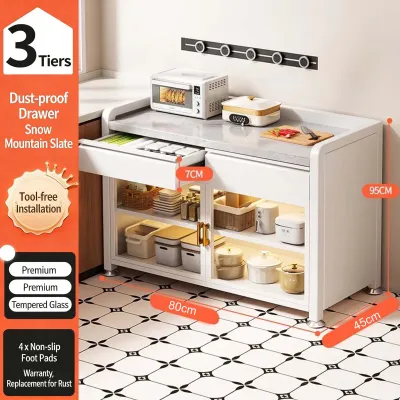
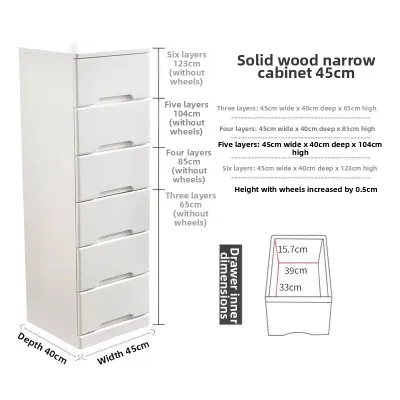

Prices are valid at publication and may change. Please refer to the product page for the latest price.
Calculating clearance zones is just as critical as measuring the static wall space. Drawers and cabinet doors require dedicated physical space to open fully without obstruction. If a cabinet drawer has an external depth of 35 centimeters, it needs at least that much clear space directly in front of it to pull out completely, plus an additional 45 to 50 centimeters of space for you to stand comfortably while accessing the contents.
Walkway clearance is vital for maintaining a safe and functional kitchen traffic flow, especially in busy households. A standard kitchen walkway should ideally maintain a clear path of at least 90 centimeters. If your kitchen is a high-traffic zone, reducing this path below 75 centimeters can cause constant bottlenecks and safety hazards when carrying hot dishes or sharp utensils.
To visualize the layout, create a simple floor plan on paper or use painter’s tape on the kitchen floor to mark the cabinet’s outer dimensions. Open nearby refrigerator doors, oven doors, and room entryways fully to ensure they do not collide with the proposed buffet cabinet. This physical test helps identify potential spatial conflicts before the furniture arrives.
Align Cabinet Volume and Drawer Layout With Your Items
A compact buffet cabinet must work twice as hard to organize your kitchen essentials, making internal layout efficiency a top priority. Group your kitchen items by category, size, and weight before selecting a cabinet model. Heavy items like rice cookers, clay pots, or stacks of heavy ceramic plates belong on lower shelves or reinforced cabinet bases to maintain stability.

Lightweight items, cutlery, placemats, and small kitchen tools are ideal for upper drawers. Measure the height of your tallest utensils to ensure they will fit within the internal drawer height, which is often significantly shallower than the external drawer front. This step prevents you from purchasing a cabinet with drawers that are too shallow for your daily cooking tools.
Compare the manufacturer’s listed external dimensions with the actual internal usable space. External panels, backboards, and drawer slides can reduce the usable internal width and depth by 5 to 10 centimeters. Knowing the true internal dimensions ensures that your planned drawer organizers and storage bins will fit perfectly without wasting valuable space.
Look for cabinets that feature adjustable internal shelves and modular compartments. This flexibility allows you to reconfigure the cabinet as your storage needs change over time, such as accommodating taller condiment bottles or seasonal serving platters. A mix of deep drawers for bulky items and shallow drawers for flatware provides the most versatile storage solution for a small kitchen.
Check Drawer Mechanism Specifications and Organizer Fit
The longevity and usability of your kitchen drawer organizer cabinet depend heavily on the quality of its moving parts. Examine the manufacturer’s specifications for the drawer slides to verify their weight capacity. Drawers intended for heavy silverware, metal kitchen tools, or small appliances require sturdy, high-quality slides that will not sag or bind under load.
Verify the slide travel distance indicated in the product manual. Full-extension slides allow the drawer to open completely, giving you full access to the back of the drawer organizer. Three-quarter extension slides are common in budget-friendly models but make it harder to reach items stored at the very back, often requiring you to tilt or squeeze items out.
Measure the internal dimensions of the drawers before buying separate organizer trays or dividers. The organizer must be slightly smaller than the drawer’s internal width, depth, and height to prevent jamming. A tight fit can scratch the drawer’s interior finish or put unnecessary stress on the drawer joints when pulled open.
Check that the height of the organizer, including the items placed inside, does not catch on the upper frame of the cabinet when the drawer is closed. Additionally, look for safety features such as anti-tip hardware and soft-close drawer mechanisms. Anti-tip brackets anchor the cabinet to the wall, which is crucial for tall or narrow units when multiple drawers are opened simultaneously.
Plan for Delivery, Assembly, and Floor Leveling
A successful purchase requires planning for the physical journey of the cabinet from the delivery truck to your kitchen. Measure every doorway, hallway corner, stairwell, and elevator door that the delivery box must pass through. A cabinet might fit your kitchen perfectly but fail to clear a tight turn in a condominium corridor or a narrow staircase.
Check the packaged dimensions provided by the retailer. Flat-pack furniture arrives in large, heavy boxes that require a clear assembly area on the floor. Attempting to assemble a cabinet in a cramped space can lead to damaged panels, lost hardware, or improper alignment of the structural joints.
Clear a dedicated assembly space near the final installation site. Assembling a buffet cabinet requires flat floor space that is at least twice the size of the fully constructed unit. This space allows you to lay out all panels, dowels, and screws systematically, reducing assembly errors and preventing scratches on the furniture’s finish.
Inspect the kitchen floor for levelness before positioning the cabinet. Many homes have slightly uneven tiled or concrete floors, which can cause the cabinet to wobble or prevent the drawers from aligning correctly. A cabinet that is not level puts uneven stress on the frame, leading to sticky drawers and misaligned doors over time.
Plan to use adjustable leveling feet or thin furniture shims to stabilize the unit as specified by the manufacturer. A stable, level base ensures that drawer slides operate smoothly without drifting open or sticking. Once leveled, secure the cabinet to the wall using the manufacturer-provided anchoring kit to prevent accidental tip-overs.
Frequently Asked Questions (FAQ)
Can I place a buffet cabinet against a wall with a baseboard?
Yes, but you must check the cabinet’s design. Many modern buffet cabinets feature a recessed back panel or extended rear legs that clear standard baseboards, allowing the unit to sit flush against the wall. If the cabinet has a flat back and solid side panels down to the floor, it will stand away from the wall, leaving a gap. Review the assembly manual to see if the included wall-anchoring hardware accommodates this gap safely.
How do I prevent drawer organizers from sliding inside the cabinet drawers?
To keep organizers from shifting when you open and close the drawers, place a cut-to-size non-slip silicone or rubber drawer liner at the bottom of the drawer. Alternatively, you can use small, non-damaging adhesive grip pads on the corners of the organizer trays. Tension-fit drawer dividers are also highly effective, as they press firmly against the drawer walls to stay locked in place without damaging the wood or laminate finish.
What is the best way to maintain wooden drawer slides in a humid climate?
High humidity can cause wooden drawer slides to swell and stick. Regularly wipe the wooden tracks with a clean, dry microfiber cloth to remove dust, grit, and accumulated moisture. If the manufacturer’s care instructions permit, you can apply a thin layer of paraffin wax or specialized dry lubricant to the sliding surfaces to reduce friction and prevent sticking. Avoid using heavy oils or wet lubricants, which attract dust and can degrade the wood over time.
Community discussion
Share your experience or ask a question. Comments are reviewed before publication.