
Setting up a home-based business or a micro-cafe inside a compact Philippine condominium requires a smart, dual-purpose layout. When your open kitchen counter must double as a cashier-style service point, finding the right balance between workspace utility and residential comfort is essential. The ideal counter table for cashier and food service tasks in a small condo typically features a height of 90 to 105 centimeters, a depth of 50 to 60 centimeters, and a length of 100 to 120 centimeters. These dimensions allow you to comfortably operate a point-of-sale (POS) system, handle transactions, and serve light meals without overwhelming your limited floor plan.
Selecting the ideal dimensions involves analyzing your specific condo layout, the physical requirements of your transaction equipment, and the daily flow of foot traffic. Because space is at a premium in modern high-rise developments, every centimeter counts. A table that is too wide will block your main walkway, while one that is too narrow will fail to hold your cash drawer, tablet, and food trays securely. By focusing on precise measurements and structural stability, you can create an efficient, professional-looking service hub that transitions seamlessly into a cozy dining spot after business hours.
Measuring Your Condo Kitchen Space and Traffic Flow
Before browsing online marketplaces or visiting local furniture showrooms, map out your condo’s open kitchen footprint. Document the exact distance between existing counters, walls, and fixed obstacles like structural pillars, plumbing pipes, electrical outlets, and built-in appliances. These permanent fixtures define the absolute boundaries of your workspace and dictate where your counter table can realistically stand.
Products mentioned in this guide
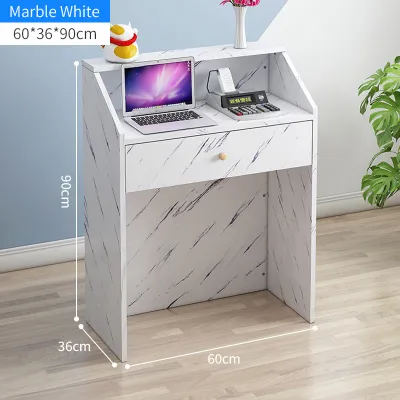
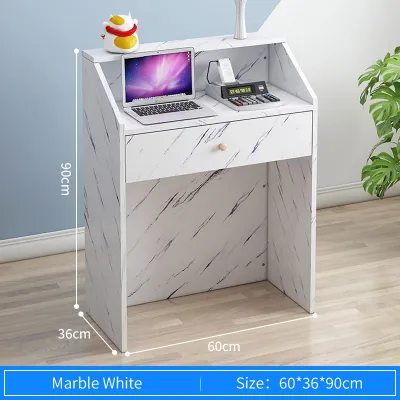
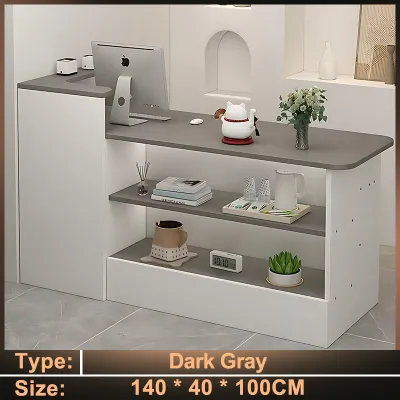
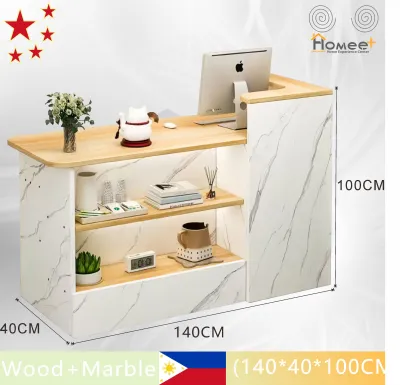
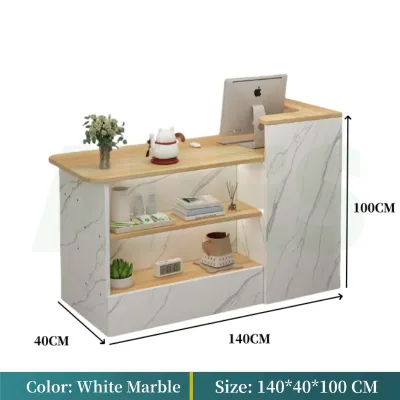
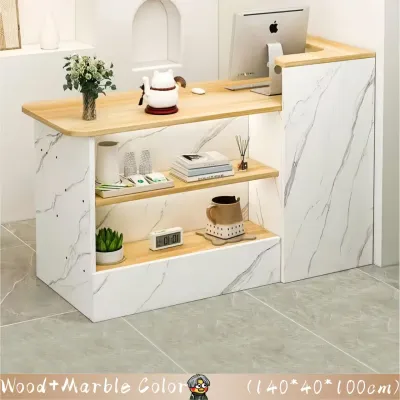
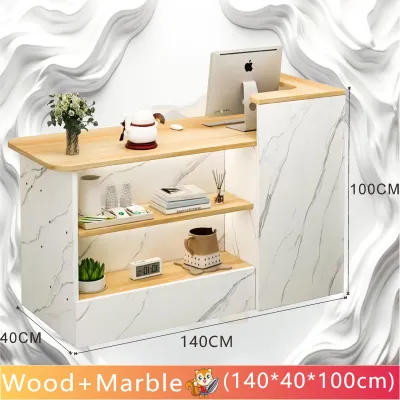
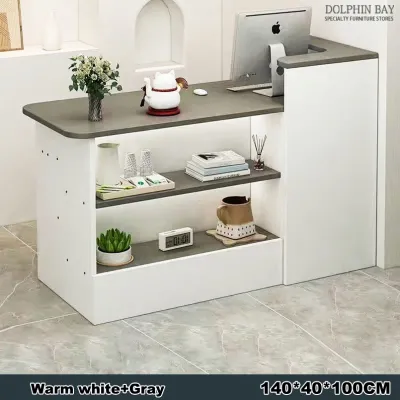
Prices are valid at publication and may change. Please refer to the product page for the latest price.
Walkway clearance is critical, especially if customers, delivery riders, or family members stand near the counter. In a compact condo, cramped corridors lead to congestion. Maintain a minimum clearance of 90 centimeters around all sides of the table for comfortable passage. If the table serves as a customer interaction zone, ensure there is 100 to 120 centimeters of open space in front of the cashier station so people can pay or wait without blocking household traffic.
Do not overlook delivery logistics. Many condo dwellers purchase fully assembled counter tables only to find they cannot clear the service elevator or make tight hallway turns. Measure your entrance door, corridors, and elevator dimensions. If your building has narrow access points, look for flat-packed or modular counter tables that you can easily transport and assemble directly inside your kitchen.
Determining Core Dimensions for Cashier and Service Tasks
The height of your counter table directly impacts physical comfort during long working hours. Standard kitchen counters stand at 85 to 90 centimeters, which can cause back strain if you stand and operate a POS tablet for hours. A dedicated bar or counter height of 95 to 105 centimeters is preferred for cashier duties, as it aligns better with a standing posture. When selecting a table, check the manufacturer’s specifications to ensure the height matches your preferred seating; a 90-centimeter counter pairs well with 60-to-65-centimeter counter stools, while a 105-centimeter table requires 75-to-80-centimeter bar stools.

Surface depth dictates what equipment your counter can safely hold. A standard dining table is too deep for a small condo kitchen, while a narrow console table lacks the stability and surface area needed for business operations. For a functional cashier setup, look for a minimum depth of 50 to 60 centimeters. This provides enough room to place a POS tablet stand, a compact cash drawer, a receipt printer, and a small packaging area without feeling cluttered. This depth also ensures customers have a stable surface to scan QR codes or sign digital receipts.
Balancing the table’s length is a trade-off between operational workspace and the physical limits of your condo. A length of 100 to 120 centimeters is the sweet spot for most small open kitchens. This size is long enough to accommodate one cashier station alongside a small display or food-serving zone, yet compact enough to fit neatly against a wall. If you choose a table shorter than 100 centimeters, you may struggle to separate your transactional equipment from your food preparation space, leading to accidental spills on your electronics.
Space-Saving Configurations for Compact Open Layouts
When floor space is strictly limited, the configuration of your counter table can make or break your kitchen’s usability. A fixed kitchen island setup offers excellent stability but permanently commits a large portion of your floor plan to one function. For maximum flexibility, consider a movable counter table equipped with heavy-duty, locking casters. This allows you to roll the table against the wall when hosting guests or shift it forward to create a professional cashier barrier during business hours. Foldable or drop-leaf counter tables are another excellent alternative, allowing you to expand the surface area only when active service is underway.
To keep your small condo looking tidy, utilize the vertical space beneath your counter. Look for counter tables that feature built-in under-counter shelving, drawers, or cubbies. This hidden storage is invaluable for keeping cashier supplies, thermal paper rolls, packaging bags, and kitchen essentials out of sight but within arm’s reach. If the table does not come with integrated storage, verify if there is enough clearance underneath to slide in a slim, rolling utility cart or a compact cash box.
The physical shape of the table also plays a major role in safety within tight walkways. Rectangular tables with sharp corners can cause painful bumps in a cramped condo kitchen. When shopping, prioritize tables with rounded edge profiles or curved corners. If you find a table that fits your dimensional needs perfectly but has sharp edges, apply aftermarket corner guards to protect both your family and your customers as they navigate the narrow paths of your open-concept home.
Stability, Clearance, and Safety Verifications
Operating a business from a condo kitchen means your furniture will experience more wear and tear than a typical household table. Before finalizing your purchase, verify the manufacturer’s stated weight capacity and structural stability limits. A flimsy table might wobble when you press a POS touch screen or open a heavy cash drawer, which risks damaging expensive electronics. Look for tables constructed with robust metal frames or solid wood joints, and check product labels to ensure the load capacity can support your equipment, heavy tableware, and any small kitchen appliances.
Freestanding, narrow counter tables are inherently prone to tipping, especially if they are tall and top-heavy with equipment. To prevent tipping hazards, evaluate the table’s anchoring options. If you own the condo, consider securing a semi-permanent table to the floor or an adjacent wall using L-brackets. For renters who cannot drill into walls, look for tables with wide, weighted base plates or crossbar supports near the floor that lower the center of gravity. Always place heavier items, like cash drawers or printers, directly over the table’s legs or central support pillars rather than on the outer edges.
Finally, pay close attention to heat and ventilation clearance if your cashier counter is positioned near active cooking zones. In a small condo open kitchen, the counter table is often situated close to induction cooktops, ovens, or rice cookers. High humidity from boiling water and direct heat from cooking appliances can warp wood finishes, degrade adhesives, and damage sensitive electronic POS components. Ensure there is a safe buffer zone of at least 60 centimeters between your cooking appliances and your cashier equipment, and verify that your condo’s range hood or exhaust fan is fully functional to keep steam and grease away from your business setup.
Frequently Asked Questions (FAQ)
Can a standard bar table function effectively as a cashier counter?
While a standard bar table can work in a pinch, it often presents functional challenges when used as a dedicated cashier counter. Most residential bar tables are designed to be narrow—often only 40 centimeters deep—which does not provide enough stable surface area for a POS tablet, cash drawer, and customer transactions simultaneously. Additionally, standard bar tables may lack the weight capacity and structural rigidity required to handle constant tapping on screens and the opening of cash drawers without wobbling. If you must use a standard bar table, look for models with a reinforced H-frame base and consider adding a clamp-on shelf or under-table organizer to expand your storage and stabilize your equipment.
What surface properties should I check for a dual-purpose food and cashier counter?
When a single surface handles both financial transactions and food service, hygiene and durability are paramount. Rather than relying on broad material names, check the manufacturer’s care instructions and product labels for specific properties like stain resistance and ease of sanitization. Verify that the tabletop has a completely flat surface with no deep wood grain or open grooves where dirt, coins, and food crumbs can accumulate. It is also crucial to inspect the edge sealing; a tightly sealed edge prevents moisture from spilled drinks or cleaning sanitizers from seeping into the core material, which can cause swelling, warping, and bacterial growth over time.
Community discussion
Share your experience or ask a question. Comments are reviewed before publication.