
Finding the right balance between dining utility and floor space is a common challenge in modern Philippine condominiums. In compact studio or one-bedroom layouts, every square meter counts, and a poorly sized table can quickly turn a kitchen into an obstacle course. To keep your walkways clear, a folding table must be sized so that it leaves at least 90 centimeters of clearance along major pathways when fully extended, and folds down to a depth of 30 centimeters or less when not in use. This ensures you can prepare meals, move between rooms, and open appliances without bumping into furniture.
Measure Your Condo Kitchen Space and Walkways
Before browsing online marketplaces or local furniture showrooms, you must map out the physical boundaries of your kitchen and dining area. Start by identifying the primary traffic lanes. In open-plan condo layouts, the path from the main entrance to the living area often runs directly alongside the kitchen counter. Use a steel measuring tape to plot these pathways on your floor, and consider marking the high-traffic zones with painter’s tape to visualize where people naturally walk when moving through the unit.
Next, measure the exact footprint of the area where you plan to place the table. Do not rely on visual estimates, as condo walls often feature structural columns or uneven baseboards that can reduce your usable space by several centimeters. Measure the length of the wall space and the maximum allowable width extending into the room. Additionally, consider how you will transport the table into your unit. Measure your condo’s service elevator doors and your main entryway to ensure the packaged table can be delivered and assembled without getting stuck in tight hallways.
Products mentioned in this guide
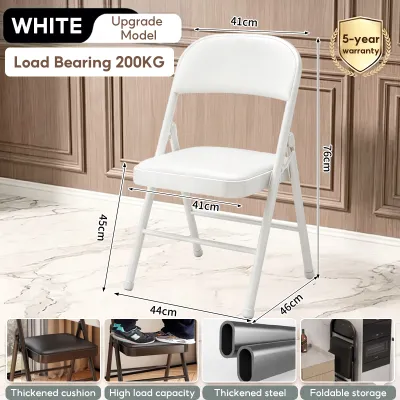
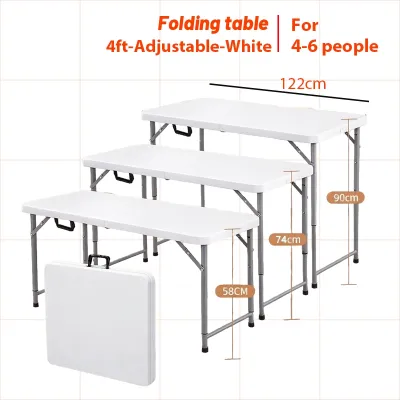
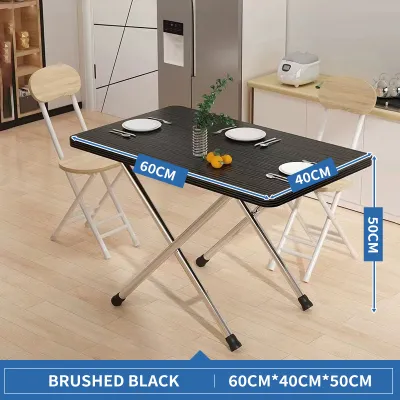
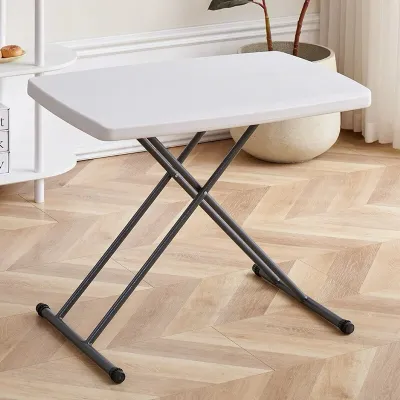
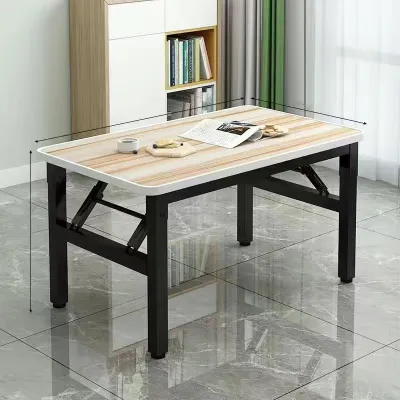
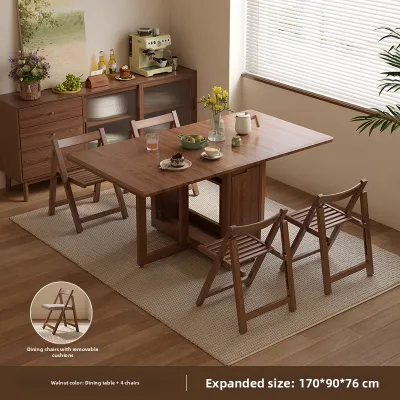
Prices are valid at publication and may change. Please refer to the product page for the latest price.
You must also account for dynamic space requirements. A table might fit perfectly when the kitchen is quiet, but it can block essential functions during active cooking. Open your refrigerator door completely and measure the swing radius. Do the same for kitchen cabinets, under-counter drawers, and oven doors. Ensure that even when the folding table is fully set up, you can still open these appliances and cabinets wide enough to retrieve items comfortably.
Determine the Ideal Folding Table Dimensions
Once you have mapped your physical space, you can calculate the maximum dimensions for your folding table. The key is to look at the table in both its collapsed and fully expanded states. When the table is fully open, the remaining walkway space should still meet basic clearance standards. Subtract the required walkway clearance from your total room width to find your maximum expanded table width. For example, if your kitchen alcove is 200 centimeters wide and you need a 90-centimeter walkway, your expanded table should not exceed 110 centimeters in width.

Height is another critical dimension to consider. Standard dining tables stand at around 75 centimeters high, which works well with standard dining chairs. However, in a small condo kitchen, a counter-height table (around 90 centimeters) or a bar-height table (around 105 centimeters) might be a more efficient choice. Matching the height of your existing kitchen counter or island allows the table to serve as an extension of your prep space when needed.
Do not forget to factor in the footprint of your seating. Chairs and bar stools require their own space, both when tucked in and when occupied. A person sitting at a table typically needs about 60 centimeters of clearance behind them to push their chair back and stand up comfortably. If you choose bulky chairs, they will obstruct the walkway even if the table itself is small. Consider pairing your folding table with stackable stools or folding chairs that can be stored away when the table is collapsed.
Folding Table Styles for Small Kitchens and Bar Areas
Different folding mechanisms offer distinct advantages depending on your condo’s layout and your daily routine. Wall-mounted drop-leaf tables are exceptionally space-efficient because they have no floor legs when folded down. They mount directly to the wall and swing up only when you need a dining or prep surface. However, before choosing this style, you must check your condo’s structural rules. Many high-rise buildings use solid concrete walls or lightweight drywall partitions. Drilling into concrete requires a masonry drill and heavy-duty wall anchors, and some property management offices restrict drilling into shared partition walls.
Freestanding folding tables with drop leaves or gate legs offer more flexibility. These tables do not require wall mounting, making them ideal for renters or those who want to avoid drilling. A gate-leg table features side panels that fold down, leaving a narrow center console that can hold decorative items or small kitchen appliances when the dining wings are closed. You can easily push a freestanding table against a wall or move it to the living area when hosting guests.
For open-plan kitchens with an island, a folding bar table or counter-height drop-leaf table is an excellent option. These designs can be placed flush against the back of a kitchen island, serving as a casual breakfast nook during the day and folding flat against the island structure when you need more floor space for cleaning or entertaining.
Clearance and Safety Checks Before You Buy
To ensure your new furniture does not create a daily hazard, perform a few final clearance and safety checks. Standard ergonomic guidelines suggest maintaining a main walkway clearance of 90 centimeters for comfortable two-way traffic. For secondary walkways, such as the space between a dining table and a wall, a minimum of 75 centimeters is acceptable. Anything less than 60 centimeters will force family members to walk sideways and will likely lead to bruised hips and frustration.
Stability is a major safety factor for folding furniture. Because these tables rely on hinges, brackets, and moving legs, they are inherently less stable than solid, fixed tables. Check the manufacturer’s specified weight capacity and inspect the locking mechanisms. A reliable folding table should have secure locks that prevent the leaves from collapsing unexpectedly if someone leans on the edge. In humid tropical climates, metal hinges and screws can rust over time, while solid wood or engineered wood panels may warp. Regularly inspect these moving parts to ensure they remain tight and functional.
Finally, protect your condo’s flooring. Dragging, folding, and unfolding furniture can easily scratch delicate laminate, vinyl, or polished tile floors. Budget around ₱200 to ₱500 for high-quality silicone leg caps or heavy-duty felt pads to cushion the contact points. If you are opting for a wall-mounted model, always submit a work permit request to your condo’s property management office before installation to verify that you are not drilling into hidden electrical conduits or water pipes.
Frequently Asked Questions (FAQ)
Can I use a folding bar table as a temporary kitchen island?
Yes, a counter-height or bar-height folding table can serve as a temporary kitchen island, provided it matches the height of your main countertops (usually around 90 centimeters). This height alignment creates a continuous, ergonomic surface for food preparation. However, you must ensure the table has a highly stable base and a locking mechanism that prevents wobbling while you chop or mix ingredients. If the table has wheels for mobility, choose a model with heavy-duty, independent wheel locks to keep it firmly in place during use.
How do I protect my condo floors from a freestanding folding table?
To protect your condo floors from scratches caused by moving or folding a freestanding table, install durable floor protectors on all leg bases. Soft felt pads work best on smooth laminate or wood floors, while rubber or silicone caps are ideal for ceramic tiles. Because folding tables are frequently shifted and adjusted, check the leg tips every few months to ensure the pads have not worn thin or fallen off. Additionally, inspect the metal hinges and joints underneath the table regularly to make sure no loose hardware is dragging along the floor when the table is collapsed.
Community discussion
Share your experience or ask a question. Comments are reviewed before publication.