
To fit a 20 square meter condo living room without feeling cramped, a teddy sofa bed should ideally have a compact two-seater footprint, measuring between 120 cm and 150 cm in width, with a maximum seat depth of 90 cm. Because teddy fabric has a dense, textured pile that carries significant visual weight, choosing a streamlined silhouette with raised legs and a neutral color palette is essential. When fully extended into a bed, the setup must preserve at least 50 cm to 60 cm of walking clearance around the perimeter to maintain comfortable movement and prevent the room from feeling overcrowded.
Calculating Usable Space in a 20 Sqm Living Room
A 20 square meter living room in a modern condominium offers a functional canvas, but the actual floor area available for furniture is often much smaller than the total blueprint suggests. Structural columns, wall protrusions, and built-in utility boxes frequently break up flat wall surfaces, limiting where you can flush-mount larger furniture pieces. Additionally, the layout must accommodate the swing paths of entry doors, balcony doors, and adjacent kitchen or bathroom doors, all of which require completely unobstructed zones.
In tropical climates like the Philippines, the placement of air conditioning units also dictates your furniture arrangement. A split-type or window-type air conditioner requires clear airflow paths and accessible filters, meaning you cannot block these areas with high-backed seating or tall decorative elements. Wall outlets, cable television ports, and fiber-optic internet connections further restrict where your entertainment console and sofa can realistically go.
Products mentioned in this guide
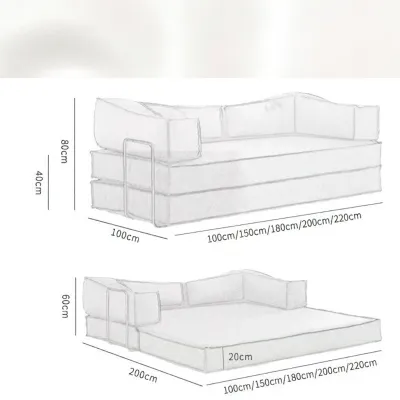
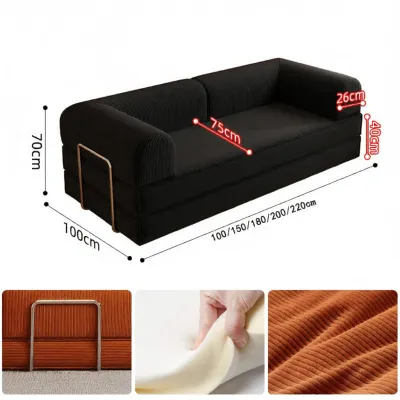
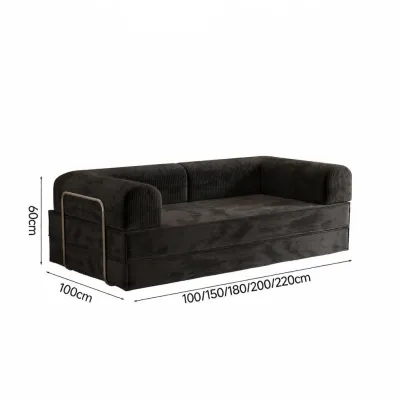
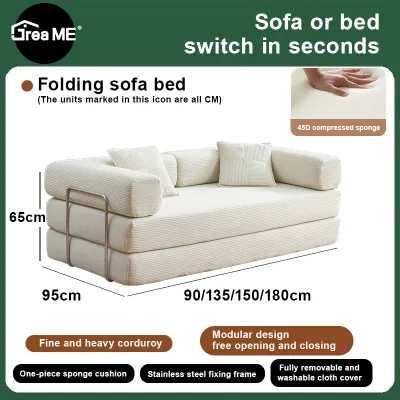
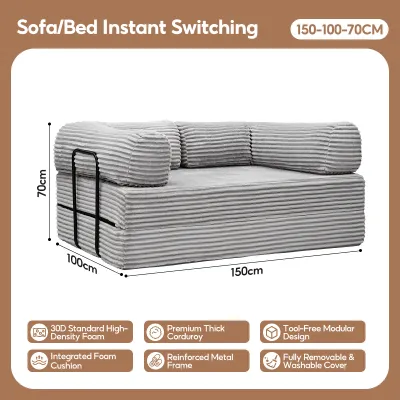
Prices are valid at publication and may change. Please refer to the product page for the latest price.
To determine your true maximum footprint, start by measuring the length and width of the primary seating wall. Subtract the space required for door swings, high-traffic pathways, and any fixed architectural features. The remaining area represents your active furniture zone, which typically allows for a single primary seating piece and a small, versatile coffee table or side table.
Choosing the Right Teddy Sofa Bed Dimensions
Selecting the dimensions of a teddy sofa bed requires balancing daytime seating comfort with nighttime sleeping utility. A compact two-seater sofa bed, with an outer width of 120 cm to 150 cm, is generally the most practical choice for a 20 square meter living area. This size comfortably accommodates two seated adults during the day and unfolds into a cozy double bed at night, making it highly efficient for studio apartments or small one-bedroom units.

In contrast, a standard three-seater sofa bed often exceeds 180 cm to 200 cm in width. While tempting for its larger sleeping surface, a three-seater can easily dominate a small room, leaving little to no space for essential side tables, floor lamps, or comfortable walking paths. The extra width can also force other furniture pieces into awkward, cramped positions against walls or doorways.
Seat depth and backrest height are equally critical dimensions to evaluate before purchasing. A seat depth of 80 cm to 90 cm keeps the sofa from protruding too far into the center of the room, preserving valuable floor space. Keep the backrest height relatively low or mid-profile to prevent the sofa from blocking natural light from windows, which helps maintain an open, airy atmosphere throughout the day.
Finally, always verify the fully extended length of the bed mechanism, which typically ranges from 180 cm to 200 cm. You must ensure that when the bed is fully deployed, it does not collide with your television console, media storage, or opposite walls. A layout that requires you to rearrange your entire living room every time you open the bed quickly becomes tedious and impractical.
Planning Clearances and Traffic Flow
Maintaining clear pathways is the key to preventing a small condo living room from feeling congested or difficult to navigate. For the main traffic paths—such as the route from the front door to the balcony or kitchen—aim to preserve a clearance width of at least 75 cm to 90 cm. This allows residents to walk naturally without having to turn sideways or squeeze past furniture.
Secondary pathways, such as the space between the sofa bed and a side table or bookshelf, can be slightly narrower but should ideally remain around 60 cm. If you plan to place a coffee table in front of your teddy sofa bed, maintain a gap of 35 cm to 45 cm between the edge of the sofa seat and the table. This distance provides comfortable legroom while seated while keeping the table within easy reach for drinks or books.
When the sofa bed is fully extended for sleeping, the clearance requirements change significantly. You will need a minimum of 50 cm to 60 cm of open space around the foot and sides of the extended bed. This ensures that overnight guests or residents can get in and out of bed safely without climbing over the mattress or bumping into surrounding walls and furniture.
Additionally, check the clearance for any nearby storage units, such as TV console drawers, wardrobe doors, or shoe cabinets. The extended bed must not block these doors from opening fully, especially if you need to access clothing or personal items while the bed is in use. Planning these functional gaps in advance ensures your living room remains highly usable at all times of day.
Reducing the Visual Weight of Teddy Fabric
Teddy fabric, characterized by its plush, looped fleece texture, brings warmth and comfort to a space, but its bulky appearance can easily overwhelm a small room. To prevent your teddy sofa bed from looking like a massive, heavy block in a 20 square meter room, look for designs that incorporate specific visual-lightness strategies. Choosing a model with raised legs rather than a solid, block-style base is one of the most effective ways to create an illusion of space.
Sofa beds with exposed wooden or metal legs elevate the frame off the floor, allowing light to pass underneath and exposing more of the floor surface. This simple design feature makes the entire room feel larger and less crowded. Additionally, opt for clean, streamlined silhouettes with thin track arms or even armless designs, which maximize the usable seating area while minimizing the physical and visual bulk of the frame.
Color selection plays a pivotal role in managing visual weight, especially in bright, tropical condo settings. Lighter, neutral tones such as cream, oatmeal, soft beige, or warm ivory reflect natural light beautifully and help the sofa blend into light-colored condo walls. Darker colors or highly saturated tones can make a textured teddy sofa stand out too sharply, making it feel like it is consuming more physical space than it actually does.
Avoid models with excessively puffy back cushions, deep tufting, or oversized, rolled armrests. These design details add unnecessary bulk to the outer dimensions without providing any additional seating or sleeping comfort. Instead, prioritize clean lines, tight-back designs, and simple geometric shapes that complement a modern, minimalist aesthetic.
Measuring and Testing Your Layout Before Buying
Before making a final purchase, it is essential to physically test how the sofa bed’s dimensions will fit into your actual living room. A simple and highly effective method is to map out the exact footprint of the sofa bed on your floor using painter’s tape or laid-out newspapers. Be sure to tape out both the folded sofa dimensions and the fully extended bed dimensions to visualize the impact on your space.
Leave this mock-up on your floor for a few days, going about your normal daily routines to see how the layout affects your movement. Walk past the taped area, open nearby cabinet doors, and step out onto the balcony to ensure the proposed sofa size does not create daily inconveniences. This physical test is the most reliable way to catch potential layout issues before the furniture arrives.
Next, carefully measure your condominium building’s delivery pathways to ensure the sofa bed can actually reach your unit. Many modern high-rise developments feature tight elevator cabins, narrow hallway corners, and standard door frames that cannot accommodate bulky, pre-assembled furniture. Measure the height, width, and depth of the elevator cabin, as well as the width of all doorways and hallway turns leading to your front door.
Compare these measurements against the manufacturer’s shipping box dimensions, which are often larger than the assembled furniture itself. If your building’s access points are tight, look for sofa beds that are shipped flat-packed or designed with removable arms and legs. Confirming these delivery logistics beforehand prevents the frustration of a sofa bed that fits your living room but cannot get past the front lobby.
Frequently Asked Questions (FAQ)
Can a teddy sofa bed fit through standard condo doors?
Yes, most compact teddy sofa beds can fit through standard condo doors if you verify the packaging dimensions and assembly style beforehand. Standard condo entryways in the Philippines typically measure between 80 cm and 90 cm in width, which can be tight for fully assembled sofas. To avoid delivery issues, choose a model that is shipped flat-packed or features removable legs and armrests, allowing the individual pieces to pass easily through narrow door frames, elevators, and tight hallway corners. Always request the exact boxed dimensions from the retailer before finalizing your order.
How do I clean teddy fabric in a small, multi-use space?
Cleaning teddy fabric in a high-traffic, multi-use condo living room requires regular, gentle maintenance to prevent dust, lint, and humidity from flattening the textured loops. Use a vacuum cleaner equipped with an upholstery brush attachment at least once a week to gently lift dust and keep the pile fluffy. For accidental spills, immediately check the manufacturer’s care label for approved cleaning agents, and spot-clean by blotting with a clean, damp, white microfiber cloth without rubbing the fabric aggressively. Because tropical humidity can trap moisture in dense fabrics, ensure the room is well-ventilated or run a dehumidifier during and after cleaning to allow the material to dry completely.

Community discussion
Share your experience or ask a question. Comments are reviewed before publication.