
When setting up your bedroom, the foundation beneath your mattress is just as critical as the mattress itself. Choosing the correct board for bed frame support determines not only your nightly comfort but also how long your mattress will last. The decision between bed slats, a solid board, or a bunkie board depends on your mattress material, your frame’s design, and your local environment.
Memory foam and latex mattresses require rigid, closely spaced support to prevent sagging and maintain warranty compliance. In contrast, traditional innerspring mattresses are more forgiving but still need a stable base. Solid boards offer maximum firmness, slats provide essential airflow, and bunkie boards solve height and support gaps without adding unnecessary bulk.
How to Diagnose Your Bed Frame and Mattress Needs
Before purchasing any support system, you must evaluate the physical requirements of your mattress, the structure of your frame, and environmental factors like indoor humidity. Taking a diagnostic approach prevents costly mismatch mistakes that can ruin your bed.
Products mentioned in this guide
Prices are valid at publication and may change. Please refer to the product page for the latest price.
Check Your Mattress Type and Warranty Rules
Modern mattresses are engineered with specific structural requirements. Memory foam and latex mattresses are highly conforming and heavy; without a continuous or closely spaced surface, they will sink through wide gaps under body weight. This causes permanent deformation, ruins sleep quality, and voids the manufacturer’s warranty.
Innerspring and hybrid mattresses are more structurally rigid due to their internal steel coils, but they still require a flat plane to compress evenly. If a coil sits over a wide gap, it loses its tension and sags. Before deciding on a support system, check your mattress warranty documentation for the manufacturer’s maximum gap width, which is typically three inches or less.
Evaluate Your Bed Frame Design and Climate
Inspect your current bed frame’s structure to see what built-in support it offers. Platform beds usually include built-in slats, while traditional panel beds often feature only three or four wooden cross-beams designed to hold a box spring. If you want to use a modern foam mattress on a panel bed without the height of a box spring, you will need to add a bunkie board or a solid deck.
Your local climate also plays a major role in material performance. In humid environments, such as in the Philippines, trapped moisture under a mattress can quickly lead to mold, mildew, and musty odors. Closed, unventilated spaces under a mattress trap body heat and ambient moisture, making breathable slats highly preferable to solid boards unless the solid board features dedicated ventilation holes or the room is strictly climate-controlled.
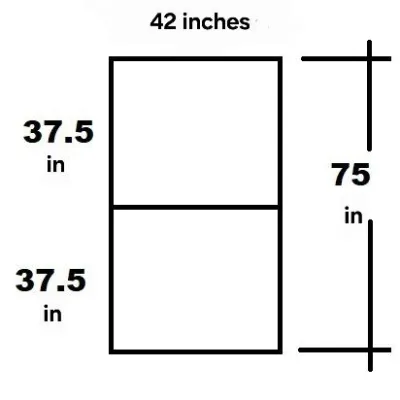
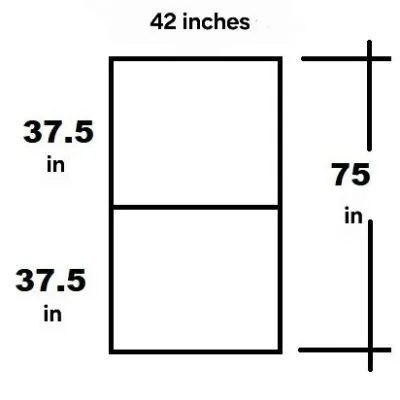
Additionally, consider practical constraints like doorway and lift access. A solid plywood board for a King-sized bed is a single, non-flexible sheet of wood that may not fit through tight condo stairwells or elevator doors. Slats and bunkie boards are far easier to transport and assemble in restricted spaces.
Bed Slats: Best for Airflow and Flexible Support
Bed slats are individual planks made of wood or metal that span the width of the bed frame. They are the most common foundation type, offering excellent breathability and a slight touch of flexibility that enhances mattress performance.

These planks are the ideal choice for innerspring, hybrid, and hot sleepers who require maximum air circulation. Because the spaces between the slats allow air to flow freely beneath the mattress, heat and moisture dissipate quickly, reducing the risk of mold growth in tropical climates.
When choosing slats, you must measure the gap width between each plank. To safely support memory foam or latex, the gaps should not exceed three inches. If your existing slats are spaced further apart, you will need to purchase additional individual slats to fill the gaps or overlay them with a thin bunkie board.
Slats generally come in two styles: flat and curved. Flat slats, typically made of solid woods like pine or gmelina, provide a rigid, traditional feel. Curved or sprung slats, often made of flexible beech plywood, curve upward slightly to act like mini-springs, absorbing pressure and offering a more responsive sleeping surface.
For larger bed sizes, such as Queen or King, structural stability is a major concern. You must verify that your bed frame includes a center support rail with adjustable legs that touch the floor. Without this central spine, slats will bow downward in the middle, slide out of their side tracks, or snap under the weight of the mattress and sleepers.
Solid Boards: The Firmest Board for Bed Frame Support
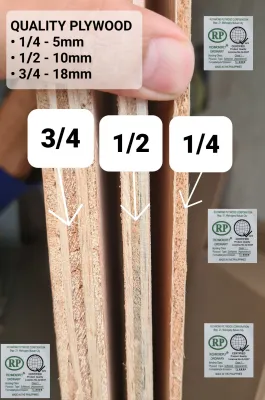
Solid boards are continuous, flat sheets of wood or composite material, such as plywood or MDF, placed directly onto the bed frame’s support ledges. They provide an unyielding, uniform surface that completely eliminates mattress sagging.
This setup is the premier choice for sleepers who prefer an exceptionally firm sleeping surface or those using very heavy specialty mattresses. Because a solid board distributes weight perfectly across the entire frame, it prevents any localized dipping or soft spots from developing over time.
Solid boards are also a practical, budget-friendly fix for older bed frames. If your current frame has widely spaced, non-removable slats, placing a solid plywood board over them instantly creates a safe, flat foundation for a new memory foam mattress without requiring you to replace the entire frame.
However, the primary trade-off of a solid board is zero natural airflow. Moisture from sweat and high humidity can easily get trapped at the interface between the mattress and the board, creating an ideal breeding ground for mold. To manage this risk, look for boards treated with moisture-resistant finishes or manually drill two-inch ventilation holes throughout the board to allow heat to escape.
Before installing a solid board, verify that your bed frame can handle the additional weight. Thick plywood or MDF sheets are heavy and put constant stress on corner joints and brackets. Check your frame’s manufacturer guidelines to ensure the combined weight of the board, mattress, and sleepers remains well within safe limits.
Bunkie Boards: Best for Low-Profile and Frame Fixes
A bunkie board is a slim, low-profile platform—typically only one to two inches thick—made of a wooden frame, thin plywood, or closely spaced slats wrapped in a protective fabric cover. They were originally designed for bunk beds but have become a popular solution for modern platform setups.
These boards are best used when you want to lower your bed’s overall height. If you are transitioning from a traditional box spring to a modern foam mattress, a bunkie board provides the necessary support without adding the massive eight-to-twelve-inch profile of a box spring, keeping your bed sleek and easy to climb into.
They are also excellent for daybeds, trundles, and loft beds where vertical clearance is limited by safety rails or frame configurations. Because they are fabric-covered, they protect the underside of your mattress from splinters, friction wear, and snagging on raw wood or metal frame edges.
While they provide the uniform, rigid support of a solid board, bunkie boards are significantly lighter and easier to handle. Many modern designs feature internal slats beneath the fabric cover, which provides a slight improvement in breathability compared to a completely solid sheet of raw plywood.
When purchasing a bunkie board, check the internal construction. High-quality models use solid wood slats wrapped in breathable non-slip fabric, while cheaper versions may use thin particleboard that can bow under heavy loads. Always verify that the board’s dimensions match your frame exactly to prevent shifting.
Quick Comparison: Which Board Fits Your Setup?
To help you finalize your decision, this matrix compares the three support types across key structural and environmental dimensions.
| Support Type | Best Mattress Match | Airflow & Breathability | Firmness Level | Ideal Bed Frame Type |
|---|---|---|---|---|
| Bed Slats | Innerspring, Hybrid, Latex | Excellent (Open gaps) | Medium to Firm | Platform beds, frames with center support rails |
| Solid Boards | Heavy Hybrid, Memory Foam | Poor (Requires drilled holes) | Extra Firm | Older frames with wide slats, heavy-duty frames |
| Bunkie Boards | Memory Foam, Latex, Hybrid | Moderate (Fabric-covered) | Firm | Panel beds, daybeds, trundles, loft beds |
When choosing, prioritize your mattress manufacturer’s warranty guidelines first. If your warranty requires a solid surface but you live in a highly humid area, a ventilated bunkie board or a solid board with custom-drilled holes will offer the best balance of structural support and moisture control.
Frequently Asked Questions (FAQ)
Can I put a memory foam mattress directly on a metal grid?
No, you should not place a memory foam mattress directly on a wide metal grid. The high-density foam will slowly conform to the grid pattern and push through the open spaces under your body weight, leading to permanent sagging, structural damage, and a voided warranty. To make a metal grid frame safe for foam, place a bunkie board or a layer of closely spaced wooden slats over the grid to establish a flat, uniform foundation.
Do I need a center support rail for a Queen or King bed frame?
Yes, wider bed frames absolutely require a center support rail with at least one leg extending to the floor. Because of the wide span of Queen and King beds, neither slats nor solid boards can support the weight of a heavy mattress and two sleepers without a central spine. Without this critical support, the foundation will bow in the center, causing the mattress to sag and potentially leading to a structural collapse of the frame.
Community discussion
Share your experience or ask a question. Comments are reviewed before publication.