
Finding a slim table for small room spaces in the Philippines requires balancing a compact footprint with safe, integrated power. In dense urban areas like Metro Manila, Cebu, or Davao, where condominium units and studio apartments often feature limited bedroom square footage, maximizing every inch of space is essential. A narrow bedside table with built-in charging ports solves two problems at once: it provides a dedicated surface for nighttime essentials and eliminates the clutter of tangled extension cords on the floor.
Most modern bedrooms are filled with devices that require overnight charging, such as smartphones, smartwatches, tablets, and portable fans. When space is tight, standard-sized nightstands block walkways or prevent wardrobe doors from opening. A slim bedside table, typically measuring under 35 centimeters in width, fits into these narrow gaps while keeping your devices fully powered and within arm’s reach.
In the Philippines, choosing furniture also means considering environmental factors like high relative humidity, ambient heat, and seasonal moisture. These factors can affect both the structural integrity of the wood and the safety of the built-in electrical components. Therefore, selecting a slim charging table involves evaluating not just its physical dimensions, but also its material durability, electrical safety certifications, and overall stability.
Products mentioned in this guide
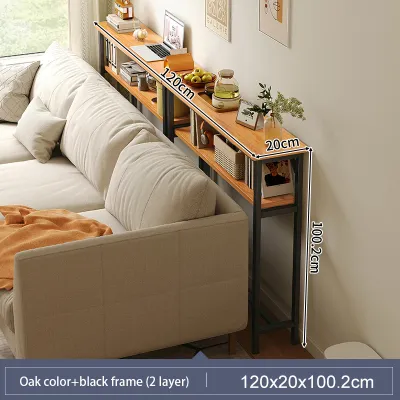
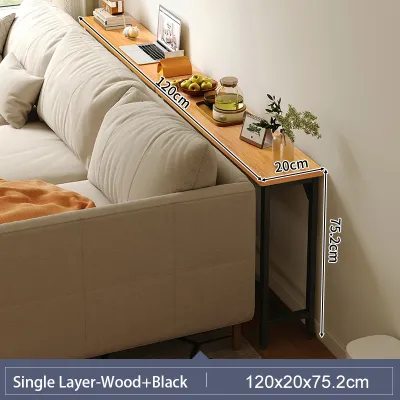
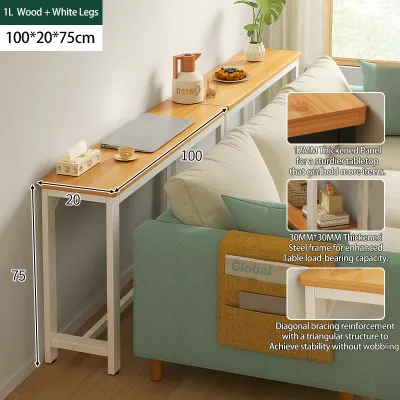
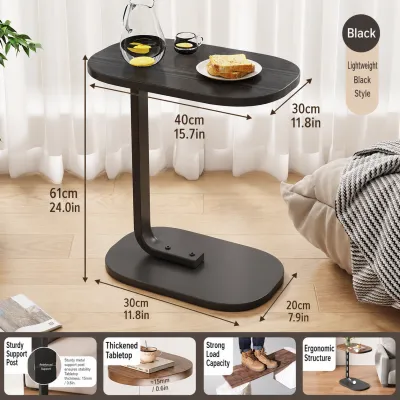
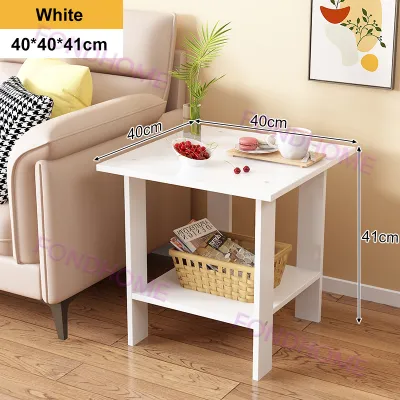

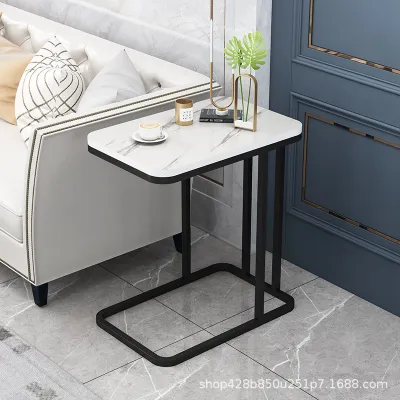
Prices are valid at publication and may change. Please refer to the product page for the latest price.
Assessing Space and Dimensions for Narrow Nightstands
Before browsing online marketplaces or visiting local furniture showrooms, you must obtain precise measurements of the gap beside your bed. Use a metal tape measure to find the distance from the edge of your mattress or bed frame to the nearest obstruction, which is usually a wall, a wardrobe, or a window frame. It is crucial to measure at multiple points—near the headboard, in the middle, and at the foot of the bed—as walls in residential buildings are rarely perfectly straight.
A common mistake is measuring only the static width of the space without considering dynamic movement. You must account for the swing of nearby doors, including bedroom doors, closet doors, and dresser drawers. If your wardrobe has swing-out doors, ensure that the bedside table will not block them from opening fully. Even with sliding wardrobe doors, leave at least a few centimeters of clearance so you can comfortably stand next to the bed to access your clothes.
In a small bedroom, walkways should ideally remain at least 60 centimeters wide to allow for comfortable, unhindered movement. If a bedside table reduces this walkway to a narrow squeeze, you risk bumping your shins or stubbing your toes in the dark. If your bed is positioned in a corner, a slim table that aligns flush with the headboard can help preserve precious floor space at the foot of the bed, keeping the main traffic path clear.
Once you have measured the width, determine the maximum allowable depth and height. A bedside table that is too deep will protrude past the mattress line, creating an awkward obstacle when getting in and out of bed. Ideally, the depth of a slim nightstand should not exceed 40 centimeters. By establishing these strict maximum dimensions beforehand, you can filter out options that are visually appealing but physically incompatible with your room’s layout.
Evaluating Built-in Charging Ports and Electrical Safety
Built-in charging stations on modern bedside tables typically feature a combination of standard AC power outlets and USB ports. When evaluating these tables, look closely at the types of USB ports provided. While older models may only feature USB-A ports, newer designs incorporate USB-C ports, which are necessary for fast-charging modern smartphones, tablets, and laptops. Check the manufacturer’s specifications for the output rating, usually expressed in amperes (A) or watts (W), to ensure the ports deliver sufficient power for your specific devices.

The table itself must connect to a wall outlet, which means the length and quality of its main power cord are critical. Measure the distance from where the table will stand to the nearest wall outlet. A cord that is too short will force you to use an additional extension cord, defeating the purpose of a clean, built-in charging station. Furthermore, look for a flat or right-angle plug design; this allows you to push the bedside table closer to the wall outlet without bending or damaging the cord.
A well-designed charging table does more than just provide outlets; it helps manage the resulting cables. Look for models that feature recessed power strips, hidden compartments under a flip-top lid, or built-in cable grooves. These design elements prevent charging cables from slipping behind the table when unplugged and keep the top surface looking neat. Some advanced designs even include wireless charging pads integrated directly into the top surface, eliminating cables entirely for compatible devices.
Because these tables combine wooden or metal furniture with live electrical components, safety is paramount. In the Philippines, electrical products should ideally carry safety marks such as the Philippine Standard (PS) mark or the Import Commodity Clearance (ICC) sticker, or reputable international certifications like UL, CE, or FCC. Avoid unbranded, extremely cheap tables that do not specify their electrical safety standards, as poorly insulated wiring or low-quality circuit boards can overheat, short-circuit, or present a fire hazard in humid environments.
Balancing Storage Needs with a Slim Profile
A slim bedside table must make efficient use of its limited volume. Open shelving is excellent for creating a light, airy visual feel in a small room, making it ideal for displaying a few books or a decorative item. However, open shelves offer no privacy and can quickly look cluttered. If you prefer to keep personal items, medications, or cables out of sight, a model with at least one drawer or a small cabinet door is a more practical choice.
In tight spaces, the hardware of your furniture plays a significant role in daily usability. Look for drawers equipped with smooth, ball-bearing metal glides rather than simple wooden grooves, which can stick or jam when the humidity rises. Additionally, consider the handle design. Protruding knobs or handles can easily snag on bedsheets, blankets, or loose clothing as you move around the bed. Recessed handles, finger pulls, or push-to-open mechanisms are much safer and maintain a sleek, flush profile.
When horizontal space is restricted, the only way to increase storage capacity is to go upward. Tall, narrow bedside tables—often referred to as tower nightstands—utilize vertical wall space effectively. A table that stands 60 to 70 centimeters tall can accommodate multiple tiers, such as a top charging shelf, a middle open cubby for books, and a bottom drawer for private storage. This vertical arrangement keeps the footprint minimal while maximizing your organizational options.
Because the top surface of a slim table is narrow, items placed on it are more susceptible to being knocked off. Look for tables that feature a raised lip or a three-sided border around the top shelf. This simple design detail prevents your phone, eyeglasses, or a glass of water from sliding off the edge if you reach for them blindly in the middle of the night, protecting both your belongings and your flooring.
Material, Stability, and Assembly Checks
Tall, narrow furniture naturally has a higher center of gravity, making it more prone to tipping over if bumped or overloaded. To ensure stability, check the design of the table’s base. A wider base, solid legs, or a heavier bottom shelf can help lower the center of gravity. If your bedroom floor is slightly uneven—which is common in older apartments or tiled floors—look for tables equipped with adjustable leveling feet to prevent wobbling.
The climate in the Philippines demands careful material selection. Cheap, untreated particleboard or low-density fiberboard (MDF) can absorb moisture from the air, leading to swelling, warping, and structural weakening over time. It can also become a target for termites or mold. If opting for engineered wood, ensure it has a high-quality melamine or laminate finish that seals the edges against moisture. Solid wood, powder-coated steel, or rust-resistant aluminum are highly durable alternatives that withstand humid conditions well.
Since a bedside table is likely to hold cold drinks that produce condensation, the surface finish must be water-resistant. Check the manufacturer’s care instructions to see if the surface is treated to resist water rings and scratches. A tempered glass top or a powder-coated metal surface offers excellent resistance to moisture and is incredibly easy to wipe clean, ensuring the table maintains its appearance for years.
Many slim bedside tables purchased online are shipped flat-packed and require self-assembly. Before purchasing, verify what tools are required and whether the instructions are easy to follow. More importantly, check if the product includes wall-anchoring hardware. For very narrow or tall tables, securing the unit to the wall using a small bracket or strap is the most effective way to prevent accidental tip-overs, providing peace of mind, especially in households with active pets or young children.
Where to Shop and What to Verify Before Buying
When searching for a slim table for small room setups, you will find a wide variety of options on local ecommerce platforms and specialized furniture websites. Before making a purchase, carefully review the seller’s return policy and warranty terms. This is particularly important for furniture with integrated electronics; you want to ensure that if the charging ports are defective upon arrival, you can easily exchange the unit or receive a refund without paying exorbitant return shipping fees.
Customer feedback is an invaluable resource when shopping online. Look specifically for reviews that mention the quality of the electrical components, such as whether the USB ports charge devices quickly or if they make a high-pitched buzzing sound. Pay attention to comments regarding drawer alignment and assembly difficulty. If multiple reviewers complain that the pre-drilled holes do not line up or that the table wobbles, it is a strong indication that you should look for a different model.
Once your new bedside table arrives, resist the urge to tear open the box and begin assembly immediately. First, use your tape measure to check the dimensions of the main panels and compare them to the product listing. It is much easier to repack and return an unassembled item if you discover that the manufacturer’s measurements were inaccurate or if the table is too wide for your designated space. Testing the electrical components by plugging them in before final assembly is also a smart way to verify functionality early on.
Frequently Asked Questions (FAQ)
Can I add charging ports to a regular slim bedside table?
While it is technically possible to modify an existing bedside table by drilling holes and mounting a power strip, DIY electrical routing carries significant risks. Modifying furniture without proper electrical knowledge can lead to exposed wiring, poor ventilation around power adapters, and an increased risk of short circuits or electrical fires. Additionally, drilling into engineered wood like MDF can compromise the structural integrity of a slim table, causing it to sag or split, and will almost certainly void any manufacturer warranties.
If you already own a slim table and want to add charging capabilities safely, there are several non-invasive alternatives available. You can purchase clamp-on power strips or desk outlets that secure tightly to the edge of the table without drilling. Another option is a bedside organizer caddy with built-in cable pass-throughs, which allows you to run standard charging cables neatly from a nearby wall outlet. Low-profile extension cords with flat plugs can also be run discreetly behind the table to keep your setup clean and safe.
What is the ideal height for a bedside table relative to the mattress?
For optimal comfort and ergonomics, the top surface of your bedside table should be level with or slightly below the top of your mattress. Ideally, the table should sit about 5 to 10 centimeters below the mattress surface. This height alignment makes it easy to reach for items like your phone, a glass of water, or a lamp switch without having to awkwardly stretch upward or bend down while lying in bed. It also reduces the risk of accidentally knocking items off the table when you move your arms.
To determine the correct table height for your bedroom, measure from the floor to the very top of your mattress, including any mattress toppers you use. Keep this measurement in mind when browsing slim tables online, as heights can vary significantly. A table that is too tall can feel imposing in a small room and block your line of sight, while a table that is too short will be difficult to use comfortably and may not provide adequate vertical storage space.

Community discussion
Share your experience or ask a question. Comments are reviewed before publication.