
Finding the right small chair for your child’s study desk is a vital step in preparing for the upcoming school year, especially when you are working with limited bedroom space or a compact study corner. A poorly fitted chair can lead to discomfort, distraction, and poor posture, while a well-chosen one creates an inviting environment that helps your child focus on their homework and creative projects. Because children grow rapidly and home layouts vary widely, there is no single ‘perfect’ chair that fits every household.
Instead of choosing a chair based solely on aesthetics or generic recommendations, a systematic approach is the most reliable way to find the right fit. This guide provides a practical framework to help you measure your available space, understand key ergonomic requirements, and evaluate different chair designs. By focusing on adjustable features, safety standards, and material durability, you can select a chair that supports your child’s physical development and integrates seamlessly into your home.
Assessing Your Desk Height and Available Space
Before browsing online marketplaces or visiting local furniture showrooms, you must establish the physical boundaries of your child’s study area. The relationship between the desk and the chair is the foundation of a comfortable study setup. Start by measuring the exact height of your existing study desk from the floor to the underside of the desktop. This measurement determines the required seat height range for the chair, as there must be enough clearance for your child’s thighs to fit comfortably beneath the desk surface without pinching.
Products mentioned in this guide
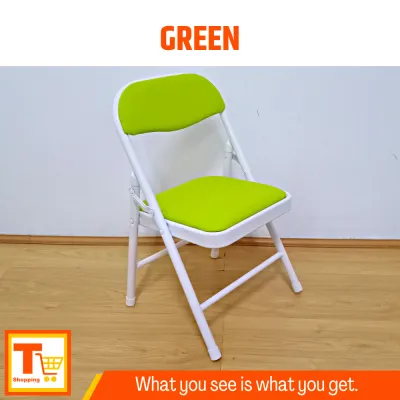
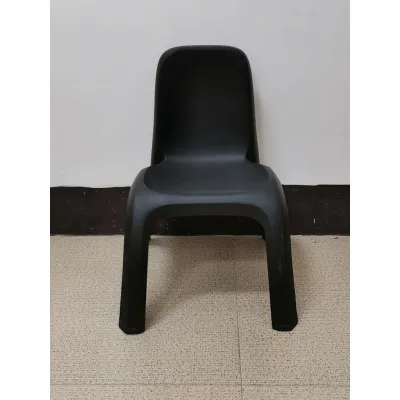
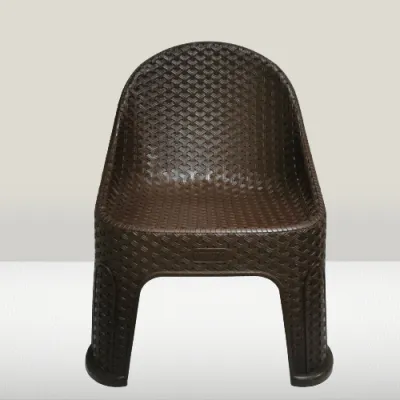
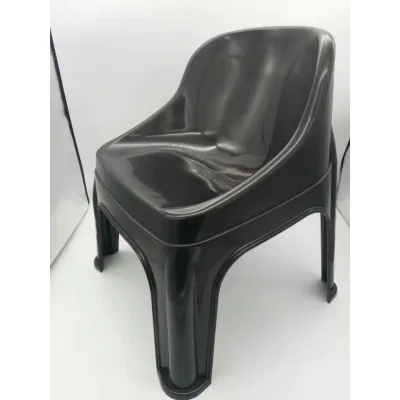
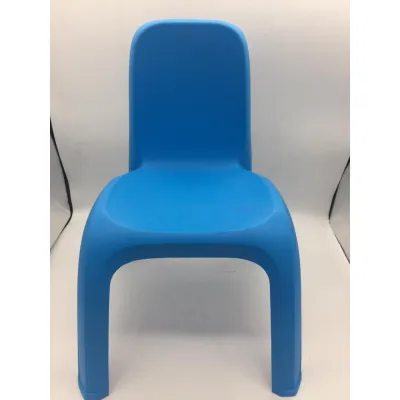

Prices are valid at publication and may change. Please refer to the product page for the latest price.
To calculate the ideal seat height, subtract approximately 25 to 30 centimeters from the height of the desktop. This gap typically allows enough room for comfortable leg movement while keeping the writing surface at an appropriate level relative to your child’s elbows. If your desk features a drawer directly under the main work surface, measure from the floor to the bottom of the drawer casing instead of the desktop itself. This lower clearance limit is crucial, as a chair that cannot slide under the desk when not in use will end up blocking valuable walkway space in a small room.
Next, evaluate the floor clearance around the desk area. A functional study corner requires more than just enough space to park the chair; it must accommodate the physical movement of pulling the chair out, sitting down, and tucking it back in. Measure the depth of the floor space behind the desk, ensuring there is at least 60 to 70 centimeters of unobstructed space. This clearance prevents the chair from colliding with nearby furniture, such as a bed frame, wardrobe, or bookshelf, which can scratch surfaces and restrict movement.
Additionally, examine the configuration of the desk legs and any lower shelving units. Some compact desks feature crossbars, storage shelves, or side drawers that narrow the opening beneath the desk. Measure the width of this opening at its narrowest point to ensure the base of the chair can slide in completely. If the chair base is wider than the desk opening, your child will be forced to sit too far back from the desk, leading to forward slouching and unnecessary back strain during study sessions.
Essential Ergonomic and Adjustability Checks
Ergonomics for children is not about finding a static position, but rather about accommodating a body that is constantly changing. When assessing a small study chair, the primary goal is to support a neutral posture where the child’s joints are naturally aligned. When seated, your child’s feet should rest flat on a solid surface, while their knees and hips form comfortable 90-degree angles. At the same time, their elbows should rest gently on the desktop at a similar 90-degree angle without forcing their shoulders to shrug upward or sag downward.

Because standard desks are typically designed for adults, a child using a fixed-height desk will almost always require an adjustable chair to reach the correct writing height. If the chair must be raised high to align the child’s elbows with the desktop, their feet will inevitably dangle in the air. To prevent this, look for chairs that feature either an integrated, height-adjustable footrest or a built-in footring. Supporting the feet is essential for stabilizing the pelvis, reducing pressure on the thighs, and preventing the child from sliding forward in the seat.
Lumbar support is another critical feature to verify before making a purchase. The backrest of the chair should follow the natural inward curve of the lower spine, providing gentle pressure to prevent slouching. For younger children, a backrest that is adjustable both vertically and horizontally is highly beneficial, as it allows you to position the lumbar support precisely where it is needed. A backrest that sits too far back or is too high will fail to provide any support, rendering the ergonomic design ineffective.
Finally, pay close attention to the seat depth, which is the distance from the front edge of the seat cushion to the backrest. If the seat is too deep, the back of your child’s knees will press against the edge of the seat, cutting off circulation and forcing them to slouch forward to find relief. Ideally, there should be a gap of about two to three fingers between the front edge of the seat and the back of your child’s knees when their back is fully supported by the backrest. Choosing a chair with an adjustable seat depth or a compact seat pan is often the best solution for smaller children.
Types of Small Chairs Suited for Compact Study Desks
When selecting a chair category, you must balance your child’s study habits with the physical limitations of your room layout. Adjustable wooden growth chairs are an excellent option for parents seeking a long-term investment. These chairs typically feature a sturdy wooden frame with multiple slots that allow you to adjust both the seat plate and the footrest plate as your child grows. Because they lack wheels and do not swivel, they naturally encourage a focused, stationary posture, making them ideal for younger children who might get distracted by a moving chair. However, they tend to have a slightly larger, rigid footprint and require manual tool adjustments to change heights.
Compact rolling task chairs offer a highly maneuverable alternative, particularly suited for older children or dedicated study alcoves. These chairs usually feature a gas-lift mechanism for effortless height adjustments and a swiveling seat that makes it easy to get in and out of tight spaces. If you choose a rolling chair, look for models equipped with weight-activated locking casters. These specialized wheels lock automatically when a child sits down, preventing the chair from rolling away during study sessions and reducing the risk of accidental slips or distractions.
For extremely tight spaces where every centimeter counts, armless or low-profile stools can be a practical temporary solution. These stools can be tucked completely under the desk when not in use, keeping walkways entirely clear in shared bedrooms or narrow hallways. Some modern ergonomic stools feature slightly curved bases that encourage active sitting, which can help energetic children stay engaged. However, because stools lack backrests and arm support, they are generally not suitable for extended study sessions and should be reserved for quick tasks or used in combination with regular breaks.
Safety, Stability, and Material Practicalities
Children are naturally active, and a study chair must be stable enough to withstand sudden movements, leaning, and shifting weight. When evaluating a chair’s stability, examine the width and design of its base. A five-star base with a wide footprint offers the greatest resistance to tipping, especially for chairs with wheels or swivel mechanisms. For wooden or fixed-leg chairs, ensure the legs flare slightly outward to distribute weight evenly and prevent the chair from tipping backward if your child leans against the backrest. Always check the manufacturer’s stated weight capacity to ensure the frame is built to handle daily use safely.
Material selection is equally important, particularly in tropical climates where high humidity and warm temperatures are common. Upholstery materials must be highly breathable to prevent heat buildup and sweating during long study sessions. Mesh backrests are highly recommended for these environments, as they allow continuous airflow and conform comfortably to the child’s back. If you prefer cushioned seats, look for high-density foam covered in breathable, tightly woven fabric rather than synthetic leather, which can become sticky and uncomfortable in warm weather.
Given that study areas are often shared with art projects, snacks, and drinks, the ease of cleaning is a major practical consideration. Removable, washable seat covers are incredibly useful for maintaining hygiene and removing inevitable ink or food stains. If the cover is not removable, verify that the fabric has been treated for stain resistance or can be easily spot-cleaned with a damp cloth. Additionally, inspect all moving parts, such as height-adjustment levers, knobs, and sliding tracks, to ensure they are fully shielded or positioned out of reach of curious fingers to prevent pinching hazards.
Final Pre-Purchase Checklist for Online and In-Store Buying
Before finalizing your purchase, take the time to cross-reference all product specifications with your home measurements. Do not rely solely on age recommendations provided by manufacturers, as children’s physical sizes vary significantly even within the same age group. Instead, compare your child’s current measurements—specifically their popliteal height (the distance from the underside of the foot to the back of the knee when seated) and elbow height—directly against the chair’s seat height range and seat depth specifications.
If you are purchasing from an online marketplace, calculate the total cost in ₱, keeping in mind that bulky furniture items often incur higher shipping fees. Look for sellers that offer clear assembly instructions and check whether the package includes all necessary tools, as some flat-pack chairs require specific screwdrivers or hex keys that you may need to prepare in advance. Reading customer reviews specifically regarding the ease of assembly and the clarity of the instruction manual can save you significant time and frustration.
Finalizing your purchase also requires carefully reviewing the seller’s return policy and warranty terms. Because comfort is highly subjective, there is always a chance that a chair may not fit your child as expected once assembled in your home. Ensure the retailer offers a reasonable return window for unassembled or defective items, and verify what parts are covered under the manufacturer’s warranty. A reliable warranty on the gas lift mechanism or structural frame provides peace of mind that the chair will last through multiple school years.
Frequently Asked Questions (FAQ)
Do kids' study chairs need armrests?
Armrests are not strictly necessary for a child’s study chair and can often be counterproductive in small spaces. While armrests can provide a place to rest the forearms during reading, they frequently prevent the chair from sliding fully under the desk, especially if the desk has a low drawer or apron. This can force your child to sit too far away from the desk, leading to forward leaning and back strain. For compact setups, an armless chair is usually the more practical choice, as it allows the child to sit close to the work surface while saving valuable floor space when tucked away.
Is a footrest necessary if the chair is too high?
Yes, a footrest is absolutely essential if your child’s feet cannot rest flat on the floor when the chair is adjusted to the correct desk height. Dangling feet pull the pelvis forward, causing the child to slouch and placing excessive strain on the lower back and thighs. If your chosen chair does not have a built-in adjustable footring, you can easily resolve this by placing a sturdy, independent footrest, a wooden block, or a firm cushion beneath the desk. This simple addition ensures proper circulation and helps your child maintain a comfortable, upright posture.
How often should I adjust the chair as my child grows?
You should check and adjust your child’s study chair at least twice a year, with the start of the back-to-school season being an ideal reminder. Children experience rapid growth spurts, and a setup that was perfectly ergonomic six months ago may now be causing physical strain. Look for observable signs that adjustments are needed, such as your child’s knees bending at an acute angle, their shoulders shrugging to reach the desk, or their feet no longer resting flat on the footrest. Regular checks ensure the chair continues to provide optimal support throughout the academic year.

Community discussion
Share your experience or ask a question. Comments are reviewed before publication.