
Setting up a dedicated home study corner for your child is an investment in their academic focus and physical development. In the Philippines, where urban homes and apartments often require creative space management, finding the right furniture can be a challenge. A standard office chair is frequently too bulky for a child’s bedroom or a shared living area, which is why choosing a dedicated small chair is essential. The ideal seating solution must fit the limited footprint of a compact study desk while providing the necessary physical support to keep your child comfortable and focused during homework sessions.
To make an informed decision, parents must look beyond aesthetics and color schemes. A suitable chair must align with your child’s current height, offer adequate lower back support, and feature materials that can withstand local environmental conditions. By focusing on ergonomic compatibility, space-saving designs, and climate-appropriate construction, you can create a comfortable, distraction-free study environment that encourages good habits from an early age.
Quick Answer: Core Criteria for Kids' Small Study Chairs
When selecting a small chair for a child’s study desk, the primary goal is to ensure a proper ergonomic fit that supports a healthy sitting posture. The seat height must allow your child’s feet to rest completely flat on the floor or a dedicated footrest, keeping their knees bent at a comfortable 90-degree angle. This alignment reduces strain on the lower back and thighs, preventing restlessness and fatigue during extended study sessions.
Products mentioned in this guide
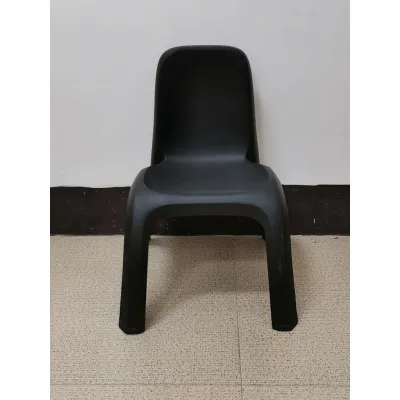
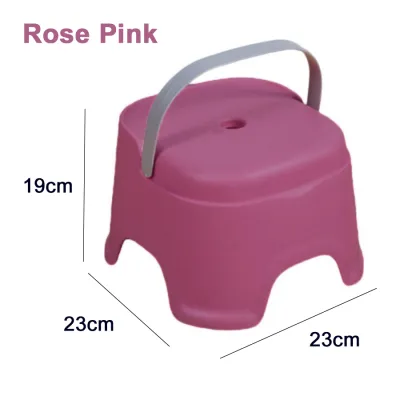
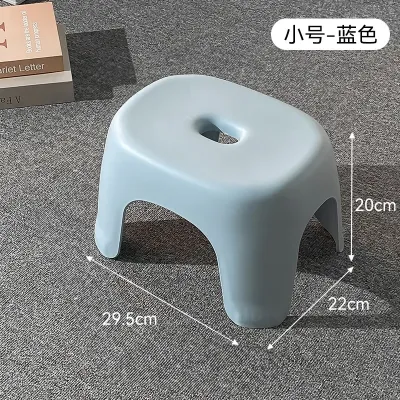
Prices are valid at publication and may change. Please refer to the product page for the latest price.
Space efficiency is equally critical, especially in compact home layouts. Choosing an armless design or a chair with a slim, low-profile backrest allows the unit to slide completely under the desk when not in use, keeping walkways clear. Additionally, because the tropical climate in the Philippines brings high temperatures and humidity, selecting breathable mesh backrests or easily wiped surfaces is essential to prevent heat buildup and simplify regular cleaning.
Essential Features of a Small Chair for Comfort and Space Efficiency
Ergonomics and Posture

A high-quality study chair must actively support your child’s developing spine. Look for a backrest that features a gentle lumbar curve to support the lower back, helping the child maintain an upright position without slouching. The seat pan depth should allow your child to sit all the way back against the backrest while leaving a gap of approximately two to three fingers between the back of their knees and the front edge of the seat. If the seat is too deep, the child will slide forward, losing back support and straining their spine. If the chair is slightly too high for their feet to touch the floor, pairing it with an ergonomic footrest is a simple and effective solution to maintain stable foot placement.
Space Efficiency
In small bedrooms or shared study areas, every square centimeter of floor space matters. Large, executive-style office chairs often have wide bases and bulky armrests that prevent them from tucking neatly under standard kids’ desks. Opting for a small chair with an armless design or a compact frame ensures that the chair can be pushed entirely under the desk surface when study time is over. This not only maximizes available floor space for play or foot traffic but also protects the chair’s frame and the desk’s edges from accidental scratches and dents caused by constant bumping.
Climate-Appropriate Materials
The humid tropical climate of the Philippines requires careful consideration of furniture materials. Solid plastic, heavy vinyl, or dense leatherette coverings can trap body heat and sweat, leading to discomfort, skin irritation, and a sticky sitting experience during warm afternoons. Breathable mesh backrests are highly recommended as they allow air to circulate freely, keeping your child cool and comfortable. When considering upholstered seats, look for high-density foam covered in tightly woven, breathable fabrics. It is important to note that material names alone do not guarantee long-term durability or moisture resistance; parents should always inspect the manufacturer’s care instructions and verify if the surfaces have been treated to resist staining and moisture buildup.
Stability and Weight Limits
Children are naturally active and may frequently shift, lean, or turn while sitting at their desks. To prevent tipping accidents, a study chair must have a stable, well-balanced base. For wheeled chairs, a five-star nylon or steel base with a wide diameter provides the best stability. For fixed-leg chairs, look for designs where the legs splay slightly outward to distribute weight evenly. Always check the manufacturer’s documentation to verify the stated weight capacity of the chair. Choosing a chair with a weight limit that comfortably exceeds your child’s current weight ensures structural integrity and safety during daily use.
Recommended Small Chair Types for Home Study Corners
Selecting the right type of small chair depends on your child’s age, the design of their study desk, and the overall layout of your home. Different chair designs offer distinct advantages in terms of adjustability, durability, and storage convenience.
Adjustable Ergonomic Task Chairs
Adjustable ergonomic task chairs are designed to adapt to your child’s physical growth over several school years. These chairs feature gas-lift cylinders or manual crank mechanisms that allow you to easily adjust the seat height as your child grows taller. Many models also offer adjustable seat depth and backrest heights, ensuring a customized fit at every stage of their development. The backrests are typically constructed from breathable mesh, which is excellent for keeping children cool during long homework sessions in tropical weather.
However, these highly adjustable models do come with specific trade-offs. They generally carry a higher price point, with quality models in the Philippine market ranging from ₱2,500 to ₱8,000 or more depending on the level of adjustability and materials. Additionally, the star-shaped base with caster wheels tends to have a larger physical footprint than simple wooden or metal chairs, which may make them less suitable for extremely tight corners. The wheels can also become a source of distraction for younger children who might use the chair to spin or roll around instead of focusing on their schoolwork. To mitigate this, some models feature gravity-locking casters that lock automatically when weight is applied to the seat.
Compact Solid Wood or Metal Frame Chairs
For homes with severe space constraints or multi-purpose rooms, compact fixed-height chairs with solid wood or metal frames are an excellent alternative. These chairs feature minimalist, slim profiles that easily slide into narrow desk openings. Wooden chairs, particularly those crafted from durable rubberwood or treated local hardwoods, offer a warm, classic aesthetic and exceptional structural stability. Metal frame chairs, often combined with molded plastic seats and backs, are incredibly lightweight, highly durable, and effortless to clean, making them highly resistant to the occasional ink spill or paint splatter.
The primary limitation of these chairs is their fixed height. Because they cannot be adjusted, parents must carefully measure both the desk height and the child’s height before making a purchase to ensure a proper fit. Furthermore, sitting on hard wood or plastic surfaces for extended periods can cause physical fatigue. To improve comfort, you can add a separate, washable seat cushion with secure ties or a non-slip backing. This allows you to easily wash the cushion cover to maintain hygiene in humid conditions. Hard-surface chairs also encourage natural movement, as children will naturally take more frequent standing breaks, which can actually benefit their overall circulation. These chairs are generally more budget-friendly, typically costing between ₱1,000 and ₱3,500.
Stackable or Folding Space-Saver Chairs
When space is extremely limited, such as in small condominiums or shared dining areas where a permanent study corner cannot be established, stackable or folding space-saver chairs provide a highly functional solution. These chairs are lightweight, easy to move, and can be folded flat or stacked neatly in a closet or behind a door once homework time is finished. This flexibility allows you to quickly reclaim your living space and keep the home organized.
Despite their convenience, folding and stackable chairs have notable structural limitations that make them less suitable for long-term, intensive study sessions. They typically offer minimal ergonomic support, lacking the contoured backrests and lumbar curves found in dedicated task chairs. They also have lower weight capacities, often capped between 50 kg and 80 kg. Parents must regularly inspect the folding joints, hinges, screws, and locking mechanisms for signs of wear, loosening, or instability to prevent accidental collapses. For safety, always ensure the folding mechanism is fully locked into place before allowing your child to sit, and instruct them not to lean backward on two legs. These chairs are the most economical option, with prices generally ranging from ₱500 to ₱1,500.
Pre-Purchase Checks: Space, Safety, and Desk Fit
Before finalizing your purchase of a small chair, conducting a few physical checks will save you from the hassle of returns and ensure your child’s safety and comfort.
Desk Clearance
To ensure a comfortable fit, you must measure the physical clearance of your child’s study desk. Use a tape measure to find the distance from the floor to the lowest point on the underside of the desk, such as the bottom of a drawer, keyboard tray, or support beam. Next, compare this measurement with the maximum height of the chair’s seat and armrests (if any). There should be at least 15 to 20 centimeters of open space above the child’s thighs when they are seated to allow them to slide in and out comfortably without scraping their knees or pinching their fingers against the desk frame.
Room Layout and Movement
Consider how the chair will interact with the surrounding room layout. If you are opting for a swivel task chair with wheels, map out a clear circular area of at least 70 to 80 centimeters in diameter around the desk. This ensures the chair can rotate and roll backward smoothly without striking nearby wardrobes, bookshelves, or walls. In tight spaces, a rolling chair that constantly bumps into other furniture can cause unsightly dents, scratches, and chipped paint on both the chair and your home’s walls. If the space is too confined, a stationary fixed-leg chair is often the safer and more practical choice.
Assembly and Safety Verification
Once the chair arrives, careful assembly and inspection are paramount. Carefully follow the manufacturer’s instructions, ensuring that all bolts, screws, and adjustment knobs are tightened securely. Inspect the entire chair for smooth, rounded edges and ensure there are no exposed metal brackets or sharp plastic seams that could snag your child’s clothing or cause scratches. Finally, cross-reference the manufacturer’s stated weight limit with your child’s current weight, keeping in mind that children grow quickly. Regularly check and retighten the hardware every few months, as daily shifting and movement can gradually loosen the joints of any study chair.
Frequently Asked Questions (FAQ)
What is the ideal seat height for a standard kids' study desk?
The ideal seat height allows your child’s feet to rest flat on the floor or a footrest while their knees and hips are bent at approximately 90-degree angles. To determine the correct height, measure from the floor to the crease behind your child’s knee. If the desk is fixed and too high, use an adjustable chair paired with an ergonomic footrest to support their feet and maintain this 90-90-90 posture.
Are floor chairs with back support suitable for long homework sessions?
Floor chairs with back support are generally designed for low tables or reading corners and are not suitable for standard-height study desks. Attempting to use a floor chair at a standard desk forces unnatural reaching, which can strain the neck, shoulders, and back. Limit floor chairs to short, casual reading sessions or activities at low-profile tables, and use a proper desk chair for focused writing or computer work.
How do I maintain fabric chairs in a humid climate?
Maintaining fabric chairs in a humid climate requires consistent care to prevent mold, mildew, and odors. Vacuum the upholstery weekly to remove dust and skin flakes, and spot-clean spills immediately using a mild, manufacturer-approved detergent. Ensure the room has adequate ventilation, such as an open window or a fan, to help the fabric dry completely, and always refer to the product’s specific care label before applying any liquid treatments.
Community discussion
Share your experience or ask a question. Comments are reviewed before publication.