
Selecting the ideal small wooden cabinet organizer with built-in charging ports for your bedside requires balancing functional storage, certified electrical safety, and durable materials. The most effective units keep your essential items organized while providing safe, reliable power for your smartphones, tablets, and smartwatches. By focusing on how these organizers manage cables, distribute power, and fit your physical space, you can find a nightstand that enhances your bedroom’s utility and aesthetic.
To make an informed decision, you must evaluate the structural design of the cabinet alongside its integrated electronic components. A well-designed bedside organizer does not just hold your devices; it protects them from accidental spills, prevents cable clutter, and withstands environmental factors like high humidity. Understanding these key selection criteria will help you choose a durable, safe, and highly functional piece of furniture.
Key Storage Features for Bedside Cabinet Organizers
When evaluating a small wooden cabinet organizer, the layout of its storage compartments directly impacts how tidy your bedside area remains. Drawers are highly effective for concealing personal items, medication, and loose charging cables that you prefer to keep out of sight. A closed drawer prevents dust accumulation and maintains a clean, minimalist look on the top surface of your nightstand.
Products mentioned in this guide
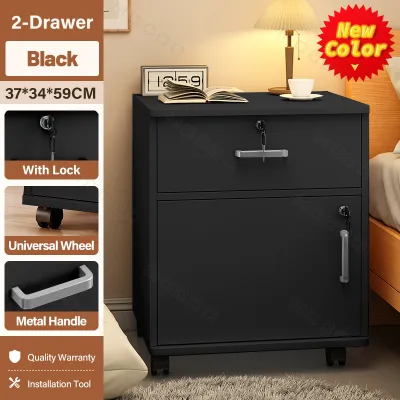

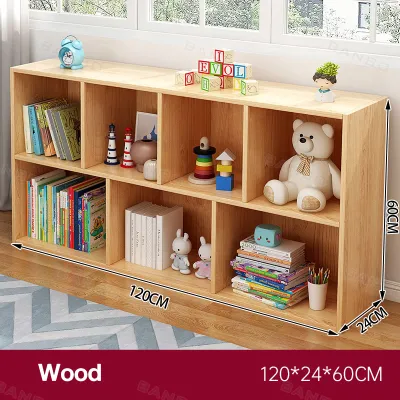
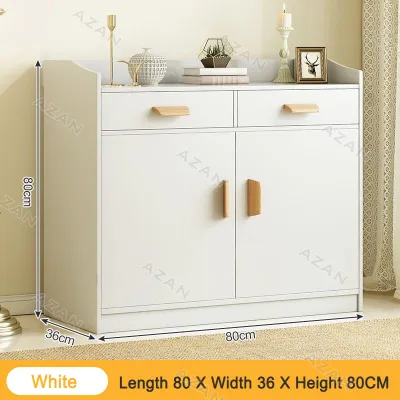
Prices are valid at publication and may change. Please refer to the product page for the latest price.
Open shelves, on the other hand, offer immediate accessibility for items you reach for frequently throughout the night or first thing in the morning. An open compartment is ideal for storing books, a box of tissues, or a glass of water. Many modern organizers combine both storage types, featuring a single top drawer for private items and an open lower shelf for larger objects.
Integrated cable management is a crucial feature that separates a standard cabinet from a dedicated charging nightstand. Look for units that feature pre-drilled grommets, back-panel cutouts, or hidden channels designed to route power cords cleanly to the wall outlet. These pathways prevent a tangled mess of wires from accumulating behind the furniture, which can make cleaning difficult and create a potential tripping hazard.
Finally, you must check the manufacturer’s specified weight capacity and structural stability limits before purchasing. Bedside organizers often support heavy items such as ceramic lamps, books, and multiple electronic devices simultaneously. A cabinet with a wide base, sturdy joints, and a low center of gravity is less likely to wobble or tip over when drawers are fully extended or when you reach for an item in the dark.
Evaluating Built-In Charging Ports and Electrical Safety
Because these organizers connect directly to your home’s electrical grid, verifying the safety and quality of the integrated charging modules is paramount. Look for recognized electrical safety certifications and compliance marks on the product label or within the user manual. Certified components have undergone testing to ensure they protect against common electrical hazards, such as short circuits and power surges.

Take time to match the available port types and power delivery ratings to the specific requirements of your personal devices. A versatile charging hub should feature a combination of traditional USB-A ports for older accessories and high-output USB-C ports for modern fast-charging smartphones and tablets. If the cabinet includes an integrated wireless charging pad, verify its wattage rating to ensure it can charge your phone efficiently through a standard protective case.
The physical placement of the charging ports is a critical safety consideration that is often overlooked. To minimize the risk of electrical shock or short circuits, avoid cabinets with open, top-facing power strips where spilled liquids could easily enter the outlets. Instead, prioritize designs where the ports are recessed, side-mounted, or integrated into a dedicated drawer compartment that shields the electronics from accidental spills.
Even with certified components, you must remain vigilant and monitor the performance of the charging hub during daily use. If you notice the wooden surface around the ports becoming excessively hot, detect unusual burning odors, or observe flickering power indicators, disconnect the unit from the wall outlet immediately. These warning signs indicate potential electrical malfunctions that require professional inspection or product replacement.
Measuring Space, Dimensions, and Bed Alignment
Before finalizing your purchase, accurate physical measurements of your bedroom layout are essential to ensure a proper fit. Measure the available floor width and depth next to your bed, taking into account any baseboards or wall trim that might prevent the cabinet from sitting flush against the wall. Ensure there is sufficient clearance to fully extend drawers or swing open cabinet doors without obstructing walking paths.
The height of the cabinet’s top surface should align closely with the top of your mattress, allowing for comfortable, ergonomic reach. A nightstand that is significantly taller or shorter than your bed makes it difficult to turn off alarms, reach for a glass of water, or grab your phone while lying down. Ideally, the surface should be level with or up to five centimeters higher than the mattress top.
Do not forget to measure the entry points of your home to ensure a smooth delivery and assembly process. Check the width and height of your front door, hallways, stairwells, and elevator doors if you live in an apartment building. Even a small, flat-packed cabinet can be difficult to maneuver through tight corners if the packaging dimensions exceed the clearance of your entryways.
Checking Wood Materials, Finishes, and Care Requirements
Understanding the specific wood materials used in the cabinet’s construction helps you anticipate its durability and care needs. Solid wood offers excellent longevity and structural strength, but it can be sensitive to temperature and humidity fluctuations. Engineered wood, MDF, and particle board with high-quality veneers are common, budget-friendly alternatives, though their edges must be sealed properly to prevent moisture damage.
In tropical climates where humidity levels are consistently high, the type of protective finish applied to the wood is critical. Look for cabinets treated with water-resistant polyurethane, lacquer, or high-pressure laminates that seal the wood fibers. An unsealed or poorly finished surface can warp, swell, or harbor mold when exposed to damp air or condensation from cold drinks placed on the bedside table.
Maintaining a wooden cabinet with integrated electronics requires specific care to prevent damage to both the wood and the wiring. Clean the surfaces regularly using a dry or slightly damp microfiber cloth, and avoid using excessive water or harsh chemical cleaners that can strip the finish. Never allow moisture to accumulate near the charging ports, and ensure the unit is completely dry before plugging any devices back in.
Building Your Shortlist: What to Verify Before Checkout
When browsing online marketplaces, you will find options ranging from budget-friendly engineered wood models at around ₱1,500 to premium solid wood units exceeding ₱6,000. Before adding a cabinet to your cart, carefully review the assembly requirements and the tools needed for setup. Some units arrive fully assembled, while others require extensive DIY construction; prioritize models with pre-wired electronic modules to simplify the installation process and ensure safety.
Confirm the specific terms of the manufacturer’s warranty, paying close attention to whether the coverage extends to the integrated electronic components. Many furniture warranties only cover structural wood defects and exclude the charging ports or power strips. A warranty that explicitly covers the electrical modules for at least one year provides valuable peace of mind and protects your investment.
Finally, review the seller’s return policy regarding electrical items and large furniture on your chosen e-commerce platform. Ensure that you can return the product if it arrives with damaged wood, missing hardware, or non-functional charging ports. Understanding who covers the return shipping costs for bulky items is essential, as returning a heavy cabinet can be costly if the policy is unfavorable.
Frequently Asked Questions (FAQ)
Can I replace the built-in charging port if it stops working? (FAQ)
Attempting to repair or replace the integrated electrical components yourself is highly discouraged due to the risk of electrical shock, fire hazards, and voiding your product warranty. If a charging port fails, contact the manufacturer to inquire about certified replacement modules designed specifically for your cabinet model. If official parts are unavailable, consult a qualified technician to evaluate the wiring rather than attempting a DIY electrical modification.
Is it safe to leave devices charging on the nightstand overnight? (FAQ)
Leaving your devices to charge overnight is generally safe, as modern smartphones and tablets are equipped with internal battery management systems that prevent overcharging. However, you must ensure proper ventilation around the charging area to prevent heat buildup. Avoid covering active charging ports, power adapters, or wireless charging pads with pillows, blankets, books, or papers, as trapped heat can damage your devices and pose a fire risk to the wooden cabinet.
Community discussion
Share your experience or ask a question. Comments are reviewed before publication.