
Smart center tables with built-in fridges represent a major evolution in living room furniture, blending the utility of a central coffee table with the convenience of a refrigerated drawer. In the Philippines, where tropical temperatures make a cold beverage a daily necessity, having a dedicated cooling space right next to your sofa is highly appealing. However, because these are complex hybrid appliances rather than simple wooden tables, making a purchase requires careful evaluation of technical specifications, spatial limits, and local electrical standards. This guide outlines the essential factors you must check to find a reliable model that fits your home and lifestyle.
Understanding Smart Center Tables with Integrated Fridges
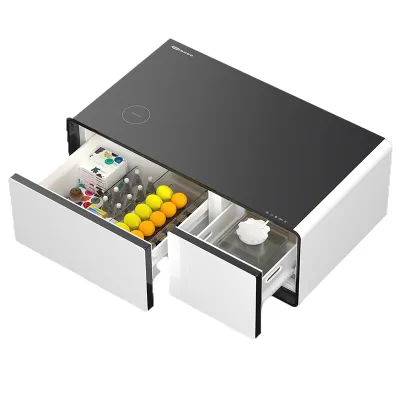
A smart center table with an integrated fridge is a multi-functional furniture piece designed to serve as the hub of your modern living room. At its core, it combines a sleek tabletop surface with one or more concealed cooling drawers. This integration allows you to keep beverages, snacks, or even temperature-sensitive items within arm’s reach, eliminating the need to constantly walk back and forth to the kitchen during movie nights, family gatherings, or work-from-home sessions.
Beyond basic refrigeration, these tables are typically packed with smart features that cater to a digital lifestyle. Many models include touch-sensitive control panels built directly into the tabletop, allowing you to adjust temperatures, control audio, or manage connectivity settings without opening the drawers. You can also expect to find integrated USB-A and USB-C charging ports, wireless charging pads for compatible smartphones, and built-in Bluetooth speakers that deliver ambient sound directly from your furniture. In humid tropical climates, these tables are also frequently used as dedicated storage units for high-end skincare products, keeping active ingredients cool and stable away from bathroom humidity.
Products mentioned in this guide
Prices are valid at publication and may change. Please refer to the product page for the latest price.
Key Dimensions and Space Requirements
Before purchasing a smart center table, you must conduct thorough physical and spatial checks to ensure the unit fits your living room layout and can be delivered safely to your home. Because these tables house mechanical cooling systems, they are significantly heavier and bulkier than traditional coffee tables, making pre-purchase measurements critical.

First, measure your available floor space and plan for adequate clearance. You should maintain a distance of at least 50 to 60 centimeters between the edge of the table and your sofa or television console. This gap ensures comfortable legroom and allows household members to walk past without bumping into the furniture. Additionally, you must account for the drawer swing; ensure there is enough clearance in front of the table for the refrigerated drawers to slide open fully without hitting your shins or nearby seating.
Second, map out the delivery pathway from the street to your living room. Measure the height and width of all door frames, hallway corners, stairwells, and elevator doors in your building. Because these units contain delicate electronic and refrigeration components, they cannot be easily tilted or squeezed through tight spaces without risking internal damage.
Finally, verify the ventilation requirements of the unit. Unlike standard wooden tables, a refrigerated table generates heat as it cools. It requires dedicated clearance—typically 5 to 10 centimeters around the ventilation grilles, which are usually located at the back or bottom of the unit. Placing the table directly against a thick, plush rug that blocks the bottom vents can restrict airflow, causing the compressor to overheat and fail prematurely.
Evaluating Cooling Performance and Power Needs
Understanding the refrigeration technology and electrical requirements of a smart center table is essential to ensure it meets your cooling expectations and operates safely within your home.
There are two primary cooling technologies used in these appliances:
- Compressor-based systems: These function like standard kitchen refrigerators, utilizing refrigerant to reach true chilling temperatures (often down to 3°C to 8°C). They are highly effective at cooling drinks quickly, even during hot summer months, but they do produce a low hum when the compressor cycles on.
- Thermoelectric (semiconductor) systems: These systems use electronic modules to lower the temperature. While they operate almost silently, they are highly dependent on the ambient room temperature. In a warm, non-air-conditioned room, a thermoelectric drawer may only keep items cool rather than ice-cold.
Power consumption and electrical compatibility are equally important. Because the refrigerator runs continuously, you must check the manufacturer’s rated wattage and estimated annual energy consumption. In the Philippines, you must verify that the unit is rated for a 220V/60Hz electrical supply. Importing a unit configured for 110V will require a bulky step-down transformer, which is inefficient and poses a safety hazard. Ensure you have a dedicated wall outlet near your seating area; using thin, low-capacity extension cords to power a continuous-draw appliance can lead to electrical shorts or fire hazards.
Build Quality, Materials, and Safety Features
Because a smart center table is both an active appliance and a high-use piece of furniture, you must inspect its structural integrity, surface durability, and safety mechanisms before buying.
Start by verifying the maximum weight capacity of the tabletop. The surface must be strong enough to support everyday items, heavy decorative pieces, or laptops without bowing. Look for models supported by a robust metal frame or sturdy, reinforced legs rather than thin plastic supports.
Next, evaluate the surface materials. Tempered glass is a popular choice for smart tables because it is highly scratch-resistant and easy to wipe clean. This is particularly important because cold glasses placed on the table will inevitably produce condensation, creating water rings. If the table features engineered wood or wood veneer accents, check that the surface has been treated with a high-quality, water-resistant sealant to prevent the wood from swelling or warping over time.
Safety features should never be overlooked, especially in busy households. Look for the following design elements:
- Rounded edges: Smooth, curved corners prevent painful bumps and bruises in tight living spaces.
- Child lock functions: A digital lock on the control panel prevents toddlers from accidentally changing the temperature settings or leaving the fridge drawers open.
- Anti-tip mechanisms: A low center of gravity and balanced weight distribution prevent the table from tipping forward when the heavy, fully loaded drawers are pulled out.
How to Verify Availability and Warranty in the Philippines
Smart center tables with built-in fridges are specialized, high-value items, making it crucial to source them through reliable channels that offer genuine after-sales support.
When shopping in the local market, prioritize official brand stores, authorized home appliance showrooms, or reputable online marketplaces that offer clear buyer protection policies. Avoid purchasing from unauthorized parallel importers, as these units may not be optimized for local electrical standards and often lack valid warranty coverage.
Before finalizing your purchase, review the warranty terms in detail. Because these products are hybrid appliances, manufacturers often split the warranty coverage. A reliable brand should offer a longer warranty period for the cooling compressor (typically 2 to 3 years) and a separate, shorter warranty for the electronic control boards, speakers, and structural frame (usually 1 year). Confirm whether the seller has an authorized service center or qualified technicians in the Philippines who can source genuine replacement parts and perform repairs if a component malfunctions.
Frequently Asked Questions (FAQ)
Do smart center tables with fridges consume a lot of electricity?
The electricity consumption of a smart center table depends on its cooling technology and how frequently the drawers are opened. Compressor-based models are generally more energy-efficient because they cycle off once they reach the target temperature, whereas thermoelectric models may run continuously to combat warm ambient air. To estimate the impact on your monthly utility bills, check the manufacturer’s specification sheet for the rated power consumption and look for an energy efficiency certification. Keeping the table in an air-conditioned room and ensuring the drawer seals remain clean will also help minimize power draw.
Can I use a smart center table with a fridge as my main refrigerator?
No, these tables are designed strictly as secondary cooling units for convenience and entertainment. Their internal storage capacity is limited, typically holding only a selection of beverage cans, water bottles, and small snacks. Furthermore, they lack the specialized compartments, deep freezing capabilities, and precise humidity controls required to safely store raw meats, dairy products, or large quantities of fresh produce over extended periods.
What maintenance is required for the built-in fridge compartment?
Regular maintenance is essential to keep the cooling system running efficiently and to prevent odors. Wipe down the interior drawers weekly with a mild, food-safe cleaning solution to remove spills and condensation, which can lead to mold growth in humid tropical climates. Every few months, unplug the table and use a soft brush or vacuum attachment to clean dust and pet hair from the ventilation grilles and condenser coils. Finally, inspect the rubber door gaskets regularly to ensure they form an airtight seal; a worn or dirty gasket allows warm air to enter, forcing the cooling system to work harder and increasing energy consumption.
Community discussion
Share your experience or ask a question. Comments are reviewed before publication.