
Choosing the right wood planks for flooring depends on your home’s subfloor, local humidity levels, and how long you expect the floor to last before needing replacement or refinishing. Solid wood planks offer exceptional longevity and can be sanded down multiple times, making them ideal for stable, climate-controlled spaces with wood subfloors. Engineered wood planks, on the other hand, provide greater dimensional stability in humid environments and can be installed directly over concrete slabs, making them highly versatile for modern homes. By evaluating your specific room conditions, installation budget, and long-term maintenance preferences, you can determine which material aligns best with your renovation goals.
Core Structural Differences Between Solid and Engineered Wood
Understanding how each type of flooring is manufactured helps clarify how they perform under daily wear and environmental stress. Solid wood planks are milled from a single, continuous piece of timber. This traditional construction means the entire thickness of the plank, typically ranging from 15mm to 19mm, consists of the chosen wood species. Because it is a single piece of organic material, solid wood retains the natural grain, density, and expansion characteristics of the tree from which it was harvested. This uniform structure allows for deep sanding and refinishing over decades, but it also means the wood remains highly sensitive to changes in moisture and temperature.
Engineered wood planks utilize a multi-layered construction designed to counteract the natural movement of timber. The top layer, known as the wear layer or veneer, consists of real hardwood, providing the exact appearance and texture of solid wood. Beneath this veneer lies a core composed of multiple layers of plywood or high-density fiberboard (HDF) glued together in a cross-grain configuration. This cross-grain alignment means each layer runs perpendicular to the one above and below it, which physically restricts the wood’s natural tendency to expand and contract when exposed to humidity. Engineered planks typically range in thickness from 10mm to 15mm, offering a more stable profile that can accommodate various installation methods.
Products mentioned in this guide
22 Lazada user ratings
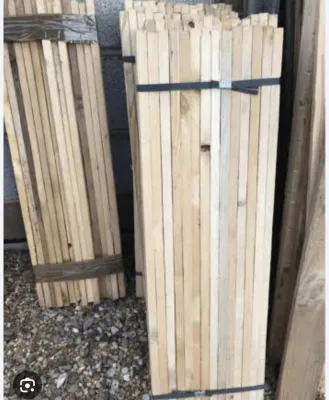
the quality of wood pallets are in bad shape, dented, cracked and unpolished with a lot of nail marks. i will never order again on this supp…Read full reviewShow less
the quality of wood pallets are in bad shape, dented, cracked and unpolished with a lot of nail marks. i will never order again on this supplier n seller. you should provide a good quality to trust your seller n product. no more order on your products. NEVER...
Scientists hope the discovery will draw attention to the conservation of tiger cats, a group of small wild cats found in South and Central A…Read full reviewShow less
Scientists hope the discovery will draw attention to the conservation of tiger cats, a group of small wild cats found in South and Central America that receives far less public attention than their larger cousins like lions, leopards a
Estimate how many tiles you need by entering surface sizes below. Add multiple walls or floors if needed.
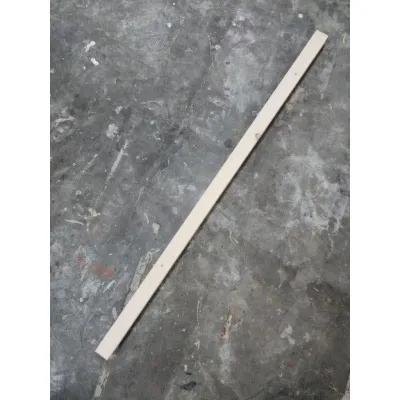
ok naman. mejo inaamag na.. ang sabi 1x5x47 mali naman 3/4 x4 x 45
Quality not good
Prices are valid at publication and may change. Please refer to the product page for the latest price.
| Feature | Solid Wood Planks | Engineered Wood Planks |
|---|---|---|
| Construction | Single piece of solid timber | Multi-layered core with real wood veneer |
| Typical Thickness | 15mm to 19mm | 10mm to 15mm |
| Wear Layer | Full thickness of the plank | 2mm to 6mm real wood veneer |
| Dimensional Stability | Moderate (prone to expansion) | High (resists warping and cupping) |
| Common Installation | Nail-down or staple-down | Floating, glue-down, or click-lock |
| Subfloor Compatibility | Plywood or wood joists | Concrete slabs, plywood, or existing flat floors |
Evaluating Durability, Stability, and Maintenance Needs
When assessing the durability of wood planks for flooring, the potential for refinishing is a primary consideration. Solid wood planks can typically be sanded and refinished several times over their lifespan, often lasting for generations if properly maintained. The limit to refinishing solid wood is determined by the depth of the tongue-and-groove joint, as sanding cannot go deeper than this connection point. For engineered wood planks, the refinishing potential depends entirely on the thickness of the top veneer layer. A thin veneer of 2mm may only tolerate light scuffing or a single gentle sanding, whereas a premium veneer of 4mm to 6mm can often be fully refinished two or three times.

Dimensional stability refers to how well a flooring material maintains its original shape when exposed to environmental shifts. Solid wood planks are highly reactive to humidity and temperature changes, which can cause individual boards to cup, crown, or gap over time if the indoor climate is not strictly regulated. Engineered wood planks are specifically designed to minimize this movement, making them far more resilient against warping. However, you should always verify the manufacturer’s specified humidity and temperature ranges, as extreme conditions can still cause the layers of engineered planks to delaminate if the product’s limits are exceeded.
Routine maintenance is essential for preserving the finish and structural integrity of both flooring types. Daily care involves sweeping or vacuuming with a soft-brush attachment to remove abrasive dirt and grit that can scratch the surface finish. Moisture is the primary enemy of wood flooring; standing water can quickly seep into joints, causing swelling, staining, or finish degradation. When cleaning, use a damp, well-wrung microfiber mop along with a cleaning solution specifically approved by the flooring manufacturer. Avoid using wet mops, steam cleaners, harsh household detergents, or wax-based polishes unless the product’s care label explicitly permits them.
Cost Considerations and Long-Term Value
The upfront cost of wood planks for flooring is influenced by several material specifications. For both solid and engineered options, the chosen wood species plays a major role, with domestic hardwoods generally being more accessible than exotic imports. For engineered wood, the thickness of the wear layer and the quality of the core construction directly affect the price point. Additionally, wider and longer planks in either category typically command a premium due to the difficulty of sourcing larger pieces of high-grade timber. Factory-applied finishes, such as UV-cured urethane or hard-wax oils, also add to the initial material cost but can save time and labor during installation.
Installation expenses can vary significantly based on the chosen material and the condition of the existing subfloor. Solid wood planks almost always require a professional nail-down or staple-down installation over a plywood subfloor, which adds to both labor time and material costs. Engineered wood offers more flexible and often less expensive installation options, including glue-down or floating methods. A floating installation, where the planks click together over an underlayment without being adhered to the subfloor, is generally faster and requires less specialized labor, making it a cost-effective choice for many homeowners.
Evaluating long-term value requires balancing the initial investment against the expected lifespan of the floor. Solid wood flooring has a higher upfront cost and more demanding installation requirements, but its ability to be refinished multiple times means it can last upwards of a century, potentially adding permanent value to a property. Engineered wood floors have a shorter overall lifespan, typically ranging from 20 to 50 years depending on veneer thickness and wear, but they offer lower initial costs and greater resistance to structural damage in challenging environments. To make an accurate financial comparison, you should request detailed, itemized quotes in ₱ from local suppliers, ensuring that material costs, underlayment, subfloor preparation, and labor are listed as separate line items.
Room-by-Room Suitability for Your Home
Matching the physical properties of your flooring to the specific environmental conditions of each room is crucial for preventing premature failure. In high-moisture and temperature-fluctuating areas, such as kitchens, ground floors, or entryways, engineered wood planks are generally the practical choice. The humid climate of the Philippines presents unique challenges for natural timber, as high ambient humidity can cause solid wood to expand excessively. Engineered wood’s stable core resists these tropical conditions much better, though it is still vital to install a high-quality moisture barrier over concrete subfloors to block rising dampness. Always check the manufacturer’s warranty to ensure the product is approved for use in these specific zones.
For living areas, bedrooms, and upper-level hallways, solid wood planks offer distinct advantages. These spaces typically experience stable indoor temperatures and lower humidity fluctuations, allowing solid wood to remain stable. The solid construction provides excellent acoustic properties, offering a firm, quiet feel underfoot when properly nailed to a wood subfloor. Additionally, because these high-traffic living areas are prone to surface scratches from furniture movement and daily foot traffic, the ability to sand and refinish solid wood multiple times ensures that the floor can be restored to its original beauty without requiring a complete replacement.
There are certain areas in a home where neither traditional solid nor standard engineered wood planks should be installed. Full bathrooms, laundry rooms, and semi-outdoor spaces exposed to direct rain are highly prone to standing water and extreme humidity spikes. Standard wood products will quickly absorb water in these environments, leading to severe warping, buckling, mold growth, and finish failure. Unless a manufacturer explicitly certifies a specific engineered product as fully waterproof and backs it with a wet-area warranty, alternative materials like luxury vinyl planks or porcelain tiles should be used in these zones.
Subfloor compatibility is another critical factor that dictates which flooring type you can install. Solid wood planks require a wood-based subfloor, such as plywood or existing wood joists, to hold the nails or staples securely. If your home has a concrete slab subfloor, which is common in ground-floor constructions, installing solid wood requires laying down a plywood subfloor first, which increases the floor height and overall installation costs. Engineered wood planks are highly compatible with concrete subfloors, as they can be glued directly to the concrete or installed as a floating floor over a foam underlayment, making them a much simpler option for concrete-based homes.
Final Decision Framework: Choose Solid or Engineered?
To make a confident final choice between solid and engineered wood planks for flooring, you can use a simple, condition-based decision framework. Your choice should align with your subfloor type, local indoor climate control, and long-term renovation goals.
Choose solid wood planks if:
- You are installing over an existing plywood subfloor or wood joists.
- You want a floor that can be sanded and refinished multiple times over several decades.
- Your home has consistent, year-round climate control to manage humidity levels.
- You prefer the traditional feel and long-term investment value of a single, continuous piece of timber.
Choose engineered wood planks if:
- Your subfloor is a concrete slab, and you want to avoid the cost of installing a plywood underlayment.
- You live in an area with high humidity fluctuations, such as coastal or tropical regions in the Philippines, where solid wood is prone to warping.
- You prefer a faster, less complex installation method like a floating or click-lock system.
- You want wider plank designs, which are more stable in an engineered format than in solid wood.
Before purchasing any flooring material, verify the specific subfloor preparation guidelines, local indoor humidity levels, and the manufacturer’s warranty conditions. If you have doubts about subfloor moisture levels, structural load capacities, or complex layout transitions, consult a qualified flooring professional to conduct a moisture test and ensure a successful installation.
Community discussion
Share your experience or ask a question. Comments are reviewed before publication.