
Selecting an antique bookshelf that can withstand the demanding tropical climate of the Philippines requires a careful balance of historical charm and structural resilience. High relative humidity, sudden temperature shifts between air-conditioned interiors and natural outdoor air, and seasonal monsoon rains all exert continuous physical stress on wooden furniture. While solid wood is often celebrated for its longevity and classic appeal, engineered wood alternatives offer distinct structural characteristics that can perform remarkably well if manufactured and sealed correctly. Neither material is entirely immune to environmental degradation, making it essential to understand how each option behaves under local conditions before making an investment.
The decision between solid wood and engineered wood for your study or living room depends heavily on where the bookshelf will stand, how the indoor air is managed, and the specific construction techniques used by the manufacturer. By evaluating the physical properties of these materials and knowing what structural details to inspect, you can select an antique-style piece that preserves your literary collection while resisting warping, sagging, and moisture damage over the long term.
Understanding Material Behavior in High Humidity
To make an informed choice, you must first understand how different wood structures interact with moisture in the air. Solid wood is inherently anisotropic, meaning its physical properties, including expansion and contraction, vary depending on the direction of the grain. When relative humidity rises, solid wood fibers absorb water vapor from the surrounding air and expand, primarily across the grain rather than along its length. During drier periods or in air-conditioned spaces, the wood releases this moisture and contracts. This continuous movement can put immense pressure on the furniture’s structure, potentially leading to warping, splitting, or misaligned doors and drawers if the piece is not designed to accommodate natural shifting.
Products mentioned in this guide
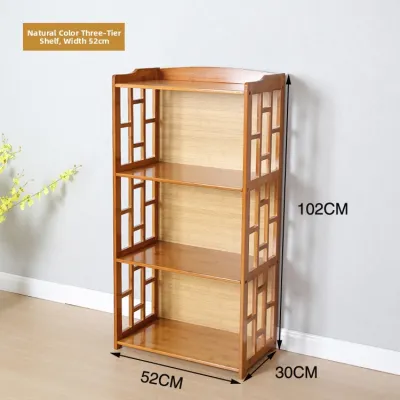
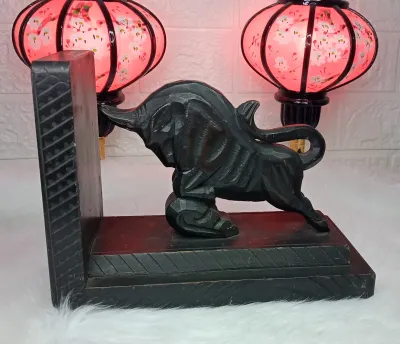
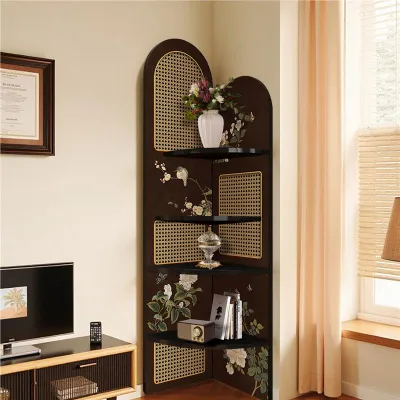
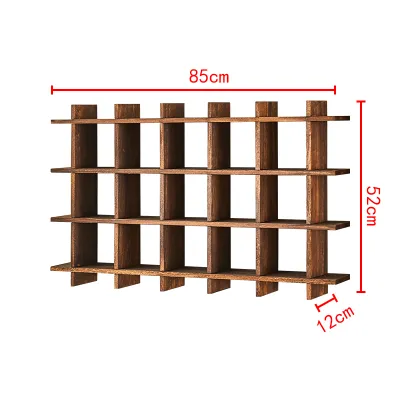
Prices are valid at publication and may change. Please refer to the product page for the latest price.
Engineered wood, such as medium-density fiberboard (MDF) or plywood, behaves differently because of its manufactured, multi-directional composition. Plywood consists of cross-laminated veneers that counteract natural wood movement, offering excellent dimensional stability across its surface. MDF is made of compressed wood fibers bound with synthetic resins, which minimizes grain-directional warping but makes the material highly susceptible to thickness swelling if moisture penetrates the core. For engineered wood, the integrity of the outer protective layers and edge banding is the primary defense against humidity, as any unsealed gap allows ambient moisture to seep into the porous core, causing irreversible swelling and structural weakening.
Seasonal humidity fluctuations in tropical environments place continuous stress on the joints, fasteners, and surface finishes of any antique bookshelf. In solid wood, rigid joints secured with modern adhesives or tight metal fasteners can crack if the wood is not allowed to move freely. In engineered wood, prolonged exposure to high humidity can degrade the internal binders and glues, leading to delamination of veneers or loosening of screws over time. Understanding these fundamental material reactions allows you to look past the surface finish of an antique bookshelf and evaluate its true structural viability.
Evaluating Solid Wood Antique Bookshelves
When shopping for a solid wood antique bookshelf, verifying the quality of the raw material and its preparation is your first line of defense against tropical humidity. High-quality solid wood furniture should be constructed from species known for their natural stability and density. It is crucial to check the manufacturer’s specifications regarding kiln-drying standards. Kiln-drying carefully reduces the moisture content of the timber to a stable level that matches typical indoor environments. Wood that has not been properly seasoned or dried will retain excess internal moisture, making it highly prone to severe warping, checking, and cracking as it adjusts to the climate in your home.

The surface coating applied to a solid wood bookshelf acts as a vital barrier that slows down the rate of moisture exchange between the wood fibers and the air. Inspect the piece to identify the type of finish used, such as polyurethane, lacquer, or specialized furniture wax. Polyurethane and high-quality lacquers provide a relatively impermeable seal that shields the wood from rapid humidity changes, whereas simple oil or wax finishes offer a more natural texture but require more frequent reapplication to maintain their protective qualities. Ensure that the finish is applied uniformly across all surfaces, including the undersides of shelves, the interior of cabinets, and the back panel, as uneven sealing can cause one side of a board to absorb moisture faster than the other, leading to cupping.
Traditional joinery methods are another critical factor to evaluate when assessing solid wood construction. Look for design features that accommodate natural wood movement, such as floating panels in cabinet doors, tongue-and-groove backings, and mortise-and-tenon joints. These techniques allow individual wooden components to expand and contract slightly within the frame without putting destructive stress on the overall structure. Avoid pieces where large solid wood panels are rigidly glued or screwed directly to a solid frame without any allowance for movement, as this rigid configuration often results in split wood panels over time.
Finally, consider the physical placement of a solid wood bookshelf within your home. Even the most well-constructed solid wood piece can suffer damage if subjected to extreme environmental localized zones. Avoid placing the bookshelf in direct sunlight, which can dry out the wood unevenly and fade the finish, or directly in the path of air conditioning vents, where rapid temperature and humidity fluctuations can shock the wood fibers. Positioning the bookshelf against an interior wall rather than an exterior wall can also help buffer it from outdoor temperature shifts.
Assessing Engineered Wood Alternatives
Engineered wood antique bookshelves can be highly practical and stable alternatives, provided you inspect their construction details with a critical eye. The most vulnerable parts of any engineered wood furniture are the edges, where the internal core material is exposed. When evaluating these pieces, conduct a close physical inspection of the edge banding. The banding must be completely seamless, smooth, and applied with high-quality adhesives that leave no visible gaps or lifting edges. If the edge banding is poorly applied or chipped, ambient humidity will easily penetrate the inner MDF or particleboard core, leading to localized swelling that cannot be repaired.
The durability of the surface veneer or laminate is equally important in a humid tropical climate. Antique-style engineered wood bookshelves often feature a thin layer of natural wood veneer or a printed laminate to mimic the appearance of aged timber. Inspect the seams where the veneer meets the edge banding to ensure there is no peeling, bubbling, or separation. In high-humidity environments, low-grade adhesives can soften, causing the veneer to lift away from the substrate. Opt for pieces that utilize high-pressure laminates or thick, well-adhered wood veneers that have been sealed with a moisture-resistant topcoat.
Load-bearing capacity is a critical structural limit for engineered wood, particularly when storing heavy books. Under constant load, materials like MDF and particleboard are subject to a phenomenon known as creep, where the shelf gradually and permanently sags over time, even under weights that are technically within the initial limit. To prevent this irreversible bowing, check the thickness of the shelves and the overall span between supports. Shorter shelf spans or shelves reinforced with solid wood front cleats are much less likely to sag. If you plan to store heavy encyclopedias or large hardcovers, ensure the shelf design incorporates adequate vertical supports or center brackets.
It is also essential to recognize that water damage to engineered wood is generally irreversible. Unlike solid wood, which can often be sanded down, dried, and refinished after minor water exposure, engineered wood that has absorbed moisture and swollen will lose its structural integrity permanently. The internal fibers expand and separate, causing the material to crumble or lose its load-bearing capacity. If you identify signs of core swelling, particularly at the base of the bookshelf where it may contact damp floors during cleaning, it usually indicates that the piece has suffered structural failure and may eventually require complete replacement.
Decision Matrix: Matching Material to Your Space and Usage
Choosing between solid and engineered wood requires matching the material’s physical properties to the specific environmental conditions of your room. If your bookshelf will be placed in a fully air-conditioned space where temperature and humidity are kept relatively constant, both solid wood and high-quality engineered wood can perform exceptionally well. However, if the bookshelf is destined for a naturally ventilated living room, hallway, or veranda with high ambient humidity and exposure to outdoor air currents, solid wood with a robust, flexible finish or high-grade plywood with moisture-resistant veneers is generally more resilient than standard MDF.
Your storage requirements also play a decisive role in this selection process. For heavy collections consisting of dense hardcovers, law books, or large binders, solid wood or thick plywood shelves offer greater structural stiffness and resistance to long-term sagging. If your collection consists primarily of lighter paperbacks, decorative items, and framed photographs, a well-constructed engineered wood bookshelf can easily handle the load while offering a more uniform appearance and a lower initial investment.
Finally, you must balance your initial budget against the expected lifespan and maintenance requirements of the furniture. Solid wood antique bookshelves typically command a higher initial price (often represented in ₱ values for premium craftsmanship) but offer a lifespan that can span generations if properly maintained, as they can be repaired, refinished, and restored multiple times. Engineered wood options are generally more accessible and require less active maintenance in terms of polishing or waxing, but they have a finite lifespan and cannot be easily restored once the core material or surface veneer degrades.
Inspection and Maintenance Checklist for Longevity
To ensure your antique bookshelf holds up against the elements, perform a thorough inspection upon delivery and establish a consistent maintenance routine. Start by examining all unexposed areas of the bookshelf, such as the back panel, the underside of the shelves, and the interior corners of any drawers. Ensure these areas are sealed with at least a basic protective coating, as manufacturers sometimes leave hidden surfaces bare, leaving them highly vulnerable to moisture absorption. Run your hand along all edges to check for rough spots, cracks, or loose joints that could allow humid air to penetrate the wood.
When positioning the bookshelf in your room, always maintain a safe clearance distance of at least two to three inches from the wall. Placing furniture flush against a wall restricts air circulation, creating a stagnant microclimate where moisture can become trapped, leading to mold growth on both the wall and the back of your bookshelf. Elevating the bookshelf slightly off the floor using protective glides or feet is also highly recommended, especially on tiled floors that can transfer moisture upward during humid weather or floor cleaning.
Routine cleaning should focus on minimizing moisture exposure while removing dust that can attract dampness. Use a dry, soft microfiber cloth for daily dusting, and avoid using wet mops or dripping cloths near the base of the furniture. If a damp cloth is necessary to remove a smudge, wring it out thoroughly so it is barely damp, and immediately follow up with a dry cloth to absorb any residual moisture. Avoid harsh chemical cleaners, ammonia-based sprays, or heavy silicone polishes, as these can degrade the protective topcoat over time and trap moisture beneath the surface.
Establish clear stop conditions to determine when your bookshelf requires professional attention or replacement. If you detect a persistent musty odor, visible mold spores, or soft spots in the wood, take immediate action to dry out the area and apply appropriate wood-safe anti-fungal treatments. If you notice significant structural bowing in the shelves, cracks forming along key joints, or severe swelling at the base of an engineered wood piece, these are signs of advanced structural compromise. In such cases, consult a professional furniture restorer for solid wood pieces, or plan for a replacement if the damage occurs in an engineered wood structure.
Frequently Asked Questions (FAQ)
Can I use a dehumidifier to protect my antique bookshelf?
Yes, using a dehumidifier is an effective way to protect your antique bookshelf by maintaining a stable indoor relative humidity level. Keeping the humidity within a consistent, moderate range reduces the continuous cycle of expansion and contraction that stresses wood fibers, joints, and finishes. To maximize the benefits, place the dehumidifier in a position that ensures even air circulation throughout the room, and avoid pointing the exhaust or dry air stream directly at the bookshelf, as localized dry air can cause uneven drying and cracking.
Is it safe to place an engineered wood bookshelf in a room without air conditioning?
Placing an engineered wood bookshelf in a room without air conditioning carries a higher risk of damage due to prolonged exposure to high ambient humidity and temperature fluctuations. To minimize the risk of core swelling and edge banding failure, ensure the piece has high-quality, fully sealed edges and is elevated off the floor. Additionally, place moisture-absorbing silica gel packets or desiccants on the shelves, keep the room well-ventilated to prevent stagnant air, and regularly inspect the joints and base for any early signs of moisture absorption.
Community discussion
Share your experience or ask a question. Comments are reviewed before publication.