
Choosing the right material for your drawers is a critical decision when purchasing or building furniture. Drawers are the most active components of any cabinet, chest, or desk, constantly subjected to friction, weight, and physical pulling forces. While solid wood is associated with traditional craftsmanship and heirloom quality, engineered wood alternatives like plywood, medium-density fiberboard (MDF), and particleboard offer modern structural advantages and cost efficiencies. Neither material is universally superior; instead, the ideal choice depends on your budget, the weight of the items you intend to store, and your home’s environmental conditions. By understanding how these materials perform under daily stress and varying humidity levels, you can select drawers that remain functional and beautiful for years.
Core Differences in Drawer Construction
To make an informed decision, it is essential to understand what these materials are and how they are utilized in drawer boxes and fronts. Solid wood refers to natural timber cut directly from trees, preserving the continuous grain structure of the wood. In drawer construction, solid wood is typically used for high-end drawer boxes and decorative fronts, offering a classic look and natural strength. However, the term “solid wood” alone does not guarantee a flawless build, as the quality of the timber and the precision of the cuts play a massive role in the final product’s durability.
Engineered wood is a broad category of manufactured wood products made by binding wood fibers, particles, or veneers together with adhesives. Plywood consists of thin layers of wood veneer glued together in alternating grain directions, which provides exceptional stability. Medium-density fiberboard (MDF) is made from fine wood fibers compressed under high pressure, resulting in a dense, smooth panel. Particleboard, often the most budget-friendly option, is made from larger wood chips and shavings bonded together. In modern furniture manufacturing, these engineered options are frequently used for drawer sides, backs, and bottoms to control costs and minimize warping, while solid wood or high-quality veneers are reserved for the visible drawer fronts.
Products mentioned in this guide
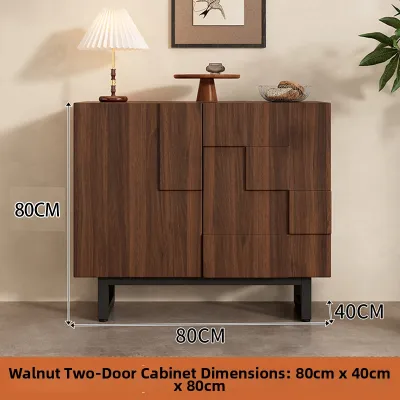


4 Lazada user ratings
There were too many small items cluttering my home, so I bought this dresser to organize the mess. It has made my space much tidier. Black i…Read full reviewShow less
There were too many small items cluttering my home, so I bought this dresser to organize the mess. It has made my space much tidier. Black is a classic, versatile choice that goes with everything. The assembly was very quick, too. Highly recommended!
The color is accurate and looks great. I'm satisfied with the materials, and the craftsmanship is very delicate.
The black one looks pretty good. The quality feels great and it's very sturdy. Super practical too.


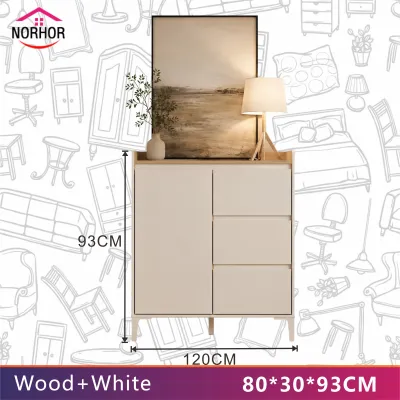
4 Lazada user ratings
Napaka ganda ng tv rack maayos ang pag package walang damage on schedule pag deliver very accommodating seller communicates well works with …Read full reviewShow less
Napaka ganda ng tv rack maayos ang pag package walang damage on schedule pag deliver very accommodating seller communicates well works with client products concerns and makes sure maging maayos ang transaction highly recommended seller marami pong salamat will order again soon
Excellent quality—I absolutely love the color! It has plenty of drawers and a sturdy build. Shipping was fast, and it arrived in perfect con…Read full reviewShow less
Excellent quality—I absolutely love the color! It has plenty of drawers and a sturdy build. Shipping was fast, and it arrived in perfect condition. The delivery person was also very friendly and polite—a big plus! A great purchase—well done! 😍
Received item on time… well packed and secured in bubble wrap… correct item… works well im impressed. Good quality for a very cheap price…. …Read full reviewShow less
Received item on time… well packed and secured in bubble wrap… correct item… works well im impressed. Good quality for a very cheap price…. Sorry for the pics… thankyou seller
Nice, very clean, nice to our eyes, aesthetic and minimalist, nordic type. Worth the price. Ingatan lang talaga ang pag gamit para tumagal s…Read full reviewShow less
Nice, very clean, nice to our eyes, aesthetic and minimalist, nordic type. Worth the price. Ingatan lang talaga ang pag gamit para tumagal sya
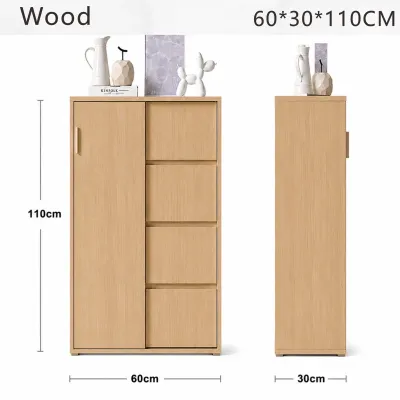

2 Lazada user ratings
looks good. I hope it will last. Nice finishing. came assembled, I just had to add the legs of the table
Prices are valid at publication and may change. Please refer to the product page for the latest price.
Structural Integrity and Load-Bearing Capacity
The ability of a drawer to support heavy items without sagging depends heavily on its structural integrity and the way its components are joined. Solid wood possesses natural grain strength that allows it to bear substantial weight over long spans. However, solid wood is also susceptible to splitting along the grain if it is subjected to sudden impacts or if the joinery is poorly executed. Traditional joinery methods, such as interlocking dovetail joints, are highly recommended for solid wood drawers because they distribute mechanical stress evenly across the joint, preventing the drawer front from pulling away from the box over time.

Engineered wood materials handle load and stress in different ways based on their internal structure. Plywood is highly regarded for drawer construction because its cross-grained layers distribute strength in multiple directions, making it exceptionally resistant to splitting and bending. MDF and particleboard are uniform and lack a natural grain, which eliminates the risk of splitting but makes them more reliant on thickness and proper fastening. Because MDF and particleboard do not hold standard screws as securely as solid wood or plywood, manufacturers must use specialized hardware, dowels, or cam-lock systems to ensure the joints remain tight. When evaluating any drawer, you should inspect the thickness of the bottom panel and look for robust joinery rather than relying solely on the material label, as a thin bottom panel will sag regardless of the material used.
Moisture, Humidity, and Environmental Stability
Environmental conditions play a decisive role in how drawer materials behave over time, particularly in tropical climates like the Philippines where relative humidity can fluctuate dramatically between the wet and dry seasons. Solid wood is a hygroscopic material, meaning it naturally absorbs and releases moisture from the surrounding air. This process causes the wood to expand and contract across its grain. In high-humidity environments, solid wood drawers can swell, causing them to stick, rub against the cabinet frame, or become difficult to open. To mitigate this, solid wood must be properly seasoned, sealed with protective finishes, and allowed sufficient clearance within the cabinet frame to accommodate natural movement.
Engineered wood offers distinct advantages when it comes to environmental stability. Plywood, due to its cross-laminated construction, is highly resistant to warping, expanding, and contracting, making it an excellent choice for humid areas. MDF and particleboard are also dimensionally stable under minor temperature changes, but they are highly vulnerable to direct moisture exposure. If water penetrates the protective laminate or veneer of an MDF or particleboard drawer, the wood fibers inside will absorb the liquid and swell permanently, causing the material to crumble or lose its structural integrity. To prevent this, it is crucial to verify that all edges of engineered wood panels are sealed with high-quality edge banding and that the surfaces are treated with water-resistant coatings.
Weight, Finish, and Aesthetic Considerations
The physical weight of the drawer material affects both the ease of installation and the type of hardware required for smooth operation. Solid wood is generally heavy and dense, which gives the furniture a substantial, premium feel but also places greater demand on the drawer slides. If you choose solid wood drawers, you must ensure they are paired with heavy-duty, ball-bearing drawer slides that are rated to handle the combined weight of the wooden box and its contents. Among engineered woods, MDF is exceptionally heavy due to its high density, while particleboard is lighter but less durable, and plywood offers an optimal strength-to-weight ratio that works well with standard hardware.
Aesthetics and finishing options also differ significantly between the two categories. Solid wood drawers showcase natural grain patterns, knots, and color variations that add unique character to each piece of furniture. They can be stained to highlight the grain or painted, and they can be carved or profiled with intricate edge details. Engineered wood panels have flat, uniform surfaces that lack natural grain, making them ideal for modern, minimalist designs. To achieve a wood-like appearance, engineered wood is typically finished with natural wood veneers or synthetic laminates. While these finishes provide a highly uniform look, they do not allow for deep carving or complex edge detailing, and any damage to the surface layer can be difficult to conceal.
Cost Evaluation and Long-Term Value
When planning your furniture budget, it is important to weigh the upfront purchase price against the long-term maintenance and lifespan of the drawers. Solid wood drawers represent a premium investment due to the cost of raw timber and the skilled labor required for proper joinery and finishing. However, solid wood offers outstanding long-term value because it can be repaired, sanded down, and refinished multiple times to fix scratches, dents, or surface wear. A well-constructed solid wood drawer can last for generations, making it a highly sustainable choice for heirloom furniture.
Engineered wood drawers offer a more accessible entry point, with particleboard and MDF providing significant cost savings for budget-conscious buyers. High-grade plywood drawers can sometimes approach the cost of solid wood, but they offer a compelling balance of durability and stability. The primary trade-off with lower-cost engineered wood is its limited repairability. If a particleboard or MDF drawer suffers severe water damage, deep scratches, or joint failure, it is extremely difficult to repair and usually requires a complete replacement of the damaged panel. When calculating the total cost, consider not just the initial price tag of the furniture, but also the potential cost of replacement parts, hardware upgrades, and maintenance over its expected lifespan.
Decision Framework: Choosing the Right Drawer Material
To select the best material for your needs, evaluate your specific storage requirements, budget, and home environment using this practical decision framework:
Choose solid wood if:
- You are investing in heirloom-quality furniture that you intend to keep for decades.
- You appreciate the natural variations of wood grain and want the option to refinish or repaint the piece in the future.
- You are willing to invest in premium joinery, such as dovetail joints, and high-quality drawer slides.
Choose engineered wood (specifically plywood) if:
- You live in a highly humid environment and want to minimize the risk of drawers warping or sticking.
- You need a strong, lightweight drawer box that offers excellent load-bearing capacity at a moderate price point.
- You want a stable material that resists splitting and holds fasteners securely.
Choose engineered wood (MDF or particleboard) if:
- You are working within a strict budget and need a functional, cost-effective storage solution.
- You prefer a perfectly uniform, painted, or laminated finish without natural wood imperfections.
- The drawers will be used for light-duty storage, such as clothing or office supplies, and will not be exposed to high moisture levels.
Before making any purchase, always verify the manufacturer’s specifications, including the weight capacity of the drawer slides, the assembly methods used, and the warranty coverage for material defects.
Frequently Asked Questions (FAQ)
Can I mix solid wood and engineered wood in the same drawer?
Yes, mixing materials is a standard and highly effective manufacturing practice. Many furniture makers use solid wood for the drawer front to provide a premium aesthetic and natural durability where the drawer is touched most often. Meanwhile, they construct the drawer box sides and bottom from high-quality plywood or MDF to reduce overall weight, prevent warping from humidity, and lower production costs. If you choose a mixed-material drawer, inspect the connection points where the solid wood front meets the engineered wood box to ensure they are joined securely with robust fasteners or dowels.
How do I check the quality of an engineered wood drawer?
When inspecting an engineered wood drawer in a showroom or upon delivery, start by checking the edges of the panels. The edge banding should be perfectly flush, tight, and free of gaps, peeling, or visible glue lines, as exposed edges are highly vulnerable to moisture. Next, examine the bottom panel of the drawer; it should be thick enough to resist bending and should be slotted securely into grooves in the drawer sides rather than simply stapled or glued to the bottom. Finally, pull the drawer open and closed several times to ensure the slides operate smoothly without catching, wobbling, or making excessive noise under load.

Community discussion
Share your experience or ask a question. Comments are reviewed before publication.