
Choosing the right material for your dining room buffet cabinet depends on how you balance long-term durability, visual appeal, and your budget. Solid wood offers distinct natural beauty and structural weight but requires protection from environmental shifts. Engineered wood, such as Medium-Density Fiberboard (MDF) or particleboard, provides a highly budget-friendly alternative with smooth, uniform finishes, though it has strict limits regarding moisture and heavy loads. Plywood strikes a practical middle ground, delivering high structural stability and resistance to warping through its layered construction.
To make the right choice, evaluate your primary storage needs. If you plan to store heavy heirloom ceramic sets, structural strength is paramount. If you prefer a highly customized paint finish or are working within a strict budget, engineered options may serve you best. Always verify the manufacturer’s specifications for load capacity, joinery methods, and surface treatments before finalizing your purchase.
Solid Wood Buffet Cabinets: Natural Aesthetics and Structural Weight
Solid wood buffet cabinets are highly valued for their distinct organic character and substantial physical presence. When evaluating these pieces, look closely at the natural grain variations, unique knots, and traditional joinery indicators like dovetail or mortise-and-tenon joints. The surface finish—whether a clear protective lacquer, oil, or wax—should feel smooth and consistent, highlighting the wood’s natural texture while providing a barrier against minor spills.
Products mentioned in this guide
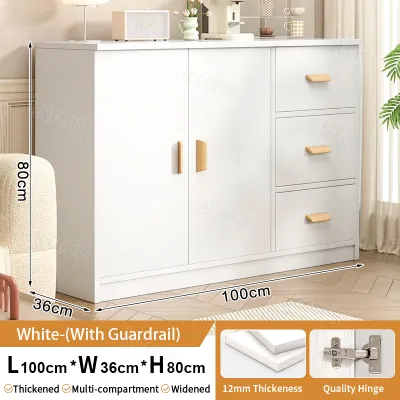
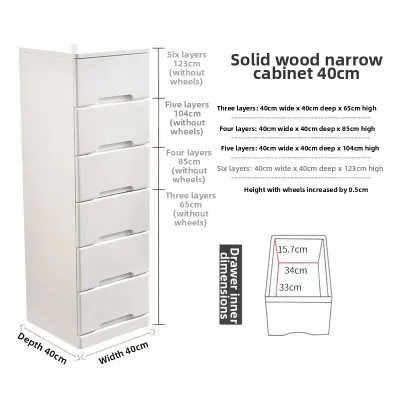
Prices are valid at publication and may change. Please refer to the product page for the latest price.
Because solid wood furniture is exceptionally heavy and often arrives fully assembled, you must perform careful spatial and logistical checks before ordering. Measure your doorways, stairwells, and narrow hallways to ensure the delivery team can safely maneuver the cabinet into your dining space. A lack of clearance can result in scuffed walls or damaged furniture corners during transit.
Environmental conditions in your home also play a critical role in the longevity of solid wood. In tropical climates like the Philippines, high humidity levels and seasonal temperature fluctuations can cause natural timber to expand and contract. To prevent structural warping, joint separation, or cracking, check the manufacturer’s guidelines regarding placement. Avoid positioning your solid wood cabinet directly under air conditioning units, next to large windows with intense sunlight, or near damp kitchen walls.
Engineered Wood (MDF and Particleboard) Cabinets: Budget-Friendly Finishes
Engineered wood cabinets, primarily constructed from MDF or particleboard, offer a cost-effective way to achieve modern, clean lines in your dining area. Since these materials lack a natural wood grain, manufacturers apply decorative wood veneers or synthetic laminates to the surface. When inspecting these cabinets, examine the thickness of the veneer and the quality of the edge banding, as poorly applied edges can peel over time when exposed to daily wear.

Load capacity is a vital consideration for engineered wood, especially if you intend to store heavy dinnerware. Check the manufacturer’s specifications for shelf thickness, span length, and the type of bracket supports provided. Long, unsupported shelves made of particleboard can sag under the weight of heavy ceramic plates or small kitchen appliances, so look for reinforced designs or shorter shelf spans.
Moisture exposure is the primary vulnerability of engineered wood furniture. If water penetrates the protective laminate or edge banding, the underlying wood fibers can swell and crumble, causing irreversible damage. Review the product care labels and avoid placing these cabinets in high-risk zones, such as directly adjacent to dining room handwashing sinks, humid kitchen entryways, or areas prone to frequent liquid spills.
Plywood Buffet Cabinets: Layered Strength and Stability
Plywood buffet cabinets offer a stable alternative that combines the strength of cross-grain construction with a lighter physical weight than solid timber. This material is made by gluing thin layers of wood veneer together in alternating directions, which naturally resists the warping and splitting common in solid wood. When inspecting a plywood cabinet, check the exposed edges for core voids—empty pockets within the layers that can weaken the structure if left unfilled.
To ensure you are getting a high-quality piece, verify the grade and finish specifications provided by the manufacturer. High-grade plywood features a smooth, flawless outer veneer that can be stained to mimic solid wood or painted for a sleek, contemporary look. Inspect the back panels and interior shelving to confirm that all visible surfaces are properly sealed against moisture.
Hardware compatibility is another major benefit of plywood’s layered core. Screws, hinges, drawer slides, and magnetic catches grip securely into the cross-grained layers, reducing the risk of hardware pulling loose over time. Always follow the manufacturer’s assembly instructions to ensure all fasteners are driven straight into the core material without splitting the edges.
Decision Matrix: Matching Wood Types to Your Dining Room Requirements
Selecting the right material requires matching the cabinet’s physical properties to your household’s daily routines and layout. Consider your space and mobility needs first. If you live in a rental property or enjoy frequently rearranging your furniture, the heavy weight of solid wood might prove impractical. Lightweight engineered wood or plywood options are much easier to lift and reposition across different floor types or delicate area rugs without causing deep indentations.
Storage load planning should directly dictate your material choice. If your collection consists of heavy stoneware, cast-iron serving dishes, or extensive glassware, plywood or solid wood frames offer the structural integrity needed to prevent bowing. For lighter items like table linens, placemats, and occasional plastic serving trays, an engineered wood cabinet provides more than enough support at a lower price point.
Finally, balance your budget in ₱ against your long-term lifecycle expectations. While solid wood requires a higher initial investment, its ability to be sanded down, refinished, and repaired gives it a long lifespan. Engineered wood offers immediate savings but is difficult to repair once damaged, making it best for temporary living setups or low-traffic areas. Plywood represents a balanced investment, offering excellent durability and moderate repairability at a mid-range price point.
Pre-Purchase and Installation Checks for Wood Cabinets
Before finalizing your purchase, complete a thorough dimensional verification of your dining space. Measure the available floor width and depth, ensuring the cabinet doors and drawers can open fully without blocking walkways. Check for baseboard interference, which can prevent the cabinet from sitting flush against the wall, and verify that the unit will not block access to light switches or power outlets.
Safety is paramount, particularly for tall or top-heavy display units. Review the manufacturer’s instructions for wall anchoring requirements to prevent accidental tip-overs. This step is especially critical if you plan to store heavy items on upper shelves or if you have a busy household with active movement.
Lastly, plan for surface protection based on the cabinet’s total loaded weight and your flooring material. Hardwood floors and delicate tiles can easily scratch under heavy furniture. Install high-quality felt pads or leveling feet on the base of the cabinet to distribute the weight evenly and protect your floors during minor adjustments.
Frequently Asked Questions (FAQ)
Can I mix solid wood and engineered wood in the same buffet cabinet?
Yes, many manufacturers use hybrid designs to balance cost, weight, and durability. A common configuration features a solid wood frame and legs for structural stability, paired with engineered wood side panels or shelves finished in matching veneer. When shopping, check the product specifications to identify which parts are load-bearing and ensure the structural frame is made of a material suited to your weight requirements.
How do I check if a wood cabinet shelf can hold heavy plates?
To verify shelf strength, inspect the physical thickness of the shelf and the span length; shorter, thicker shelves naturally resist bending. Look for robust metal bracket supports or continuous wood cleats rather than small plastic pins. Always consult the product manual, specification sheet, or warning label for the manufacturer’s maximum weight capacity per shelf to avoid overloading the unit.
Community discussion
Share your experience or ask a question. Comments are reviewed before publication.