
When setting up a home study, selecting the right wooden wall shelf involves balancing load capacity, budget, and aesthetics. There is no single “best” material; the right choice depends entirely on what you plan to store and your room’s conditions. Solid wood is generally the superior choice for heavy textbook collections and long-term durability, while engineered wood offers a cost-effective, uniform look for lighter items and modern setups. This guide breaks down the critical differences to help you make an informed decision for your specific workspace.
In a tropical environment like the Philippines, factors like high humidity and wall construction (such as concrete or hollow block) play a significant role in how these materials perform over time. Understanding how each material behaves under load and in response to moisture will ensure you select a wooden wall shelf that remains secure and level on your wall. By evaluating your storage needs and installation environment, you can avoid common pitfalls like sagging shelves or damaged walls.
Understanding the Core Differences in Shelf Construction
To make an informed choice, it is essential to understand the fundamental structural differences between solid wood and engineered wood. Solid wood shelves are milled directly from natural timber, preserving the organic grain patterns, growth rings, and natural characteristics of the tree. Because each shelf is a single, continuous piece of wood, it possesses consistent density throughout its structure. This natural composition allows the edges to be routed, sanded, and finished directly without the need for artificial coverings or edge bands.
Products mentioned in this guide
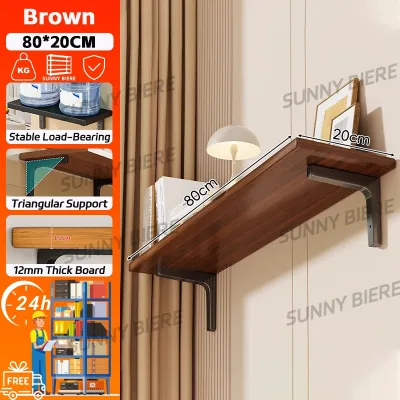

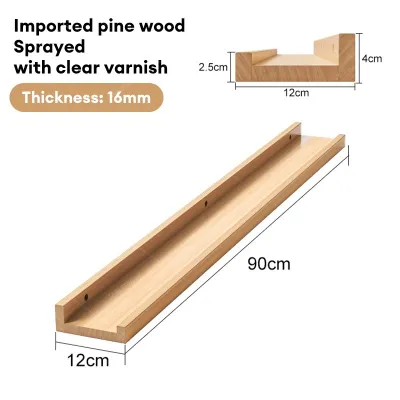
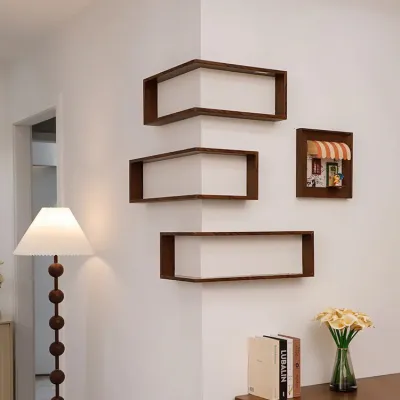
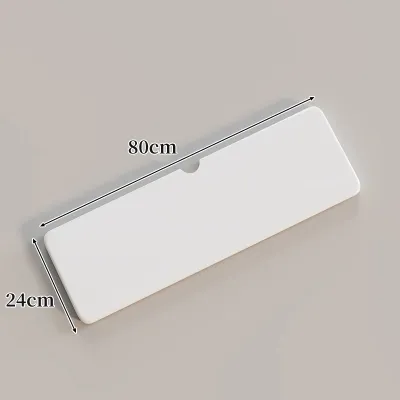
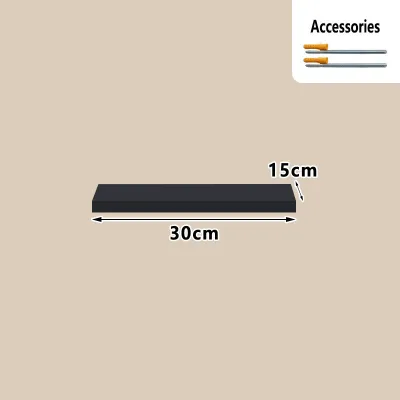
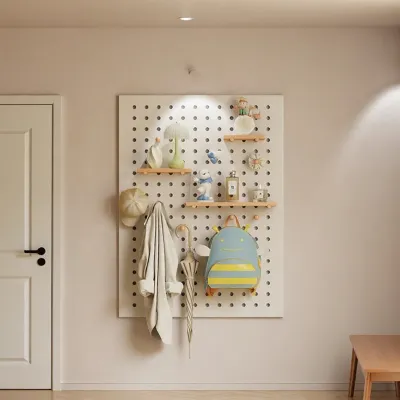
Prices are valid at publication and may change. Please refer to the product page for the latest price.
Engineered wood, on the other hand, is a composite material manufactured by binding wood fibers, particles, or thin veneers together using synthetic adhesives, heat, and pressure. Common varieties found in study room furniture include Medium-Density Fiberboard (MDF), particleboard, and plywood. To provide a finished appearance, these composite cores are typically covered with a thin decorative layer, such as a natural wood veneer or a synthetic plastic laminate.
These manufacturing differences dictate the physical properties, weight, and edge treatments of your wooden wall shelf. Solid wood retains a heavy, dense feel and a textured surface that can be customized or repaired. Engineered wood offers a perfectly flat, uniform surface free of natural knots or voids, but its edges must be sealed with edge banding to hide the composite core and protect it from moisture.
Evaluating Load Capacity and Structural Stability
When planning a study room layout, the weight of your books, binders, and reference materials is a primary consideration. Over time, shelves subjected to continuous weight can experience a phenomenon known as sagging or “creep.” Solid wood possesses high natural tensile strength, allowing it to span longer distances between brackets without bending under heavy loads. This makes it highly reliable for storing dense academic textbooks, heavy files, and reference manuals.

Engineered wood, particularly particleboard and standard MDF, has lower structural stiffness compared to solid timber. Under the weight of heavy academic textbooks or heavy office equipment, an engineered wood shelf is more susceptible to permanent sagging if the span is too wide. Plywood performs better than MDF in this regard, but it still requires careful support planning.
To prevent structural failure, always verify the manufacturer’s specified weight limits and recommended span distances on the product label. Do not assume a shelf can hold unlimited weight based on its thickness alone. A thicker shelf generally resists bending better, but the overall capacity is ultimately governed by the material density and the quality of the installation.
Regardless of whether you choose solid or engineered wood, the installation geometry dictates stability. Spacing your wall brackets closer together reduces the unsupported span, significantly increasing the load capacity of any wooden wall shelf. For long shelves holding heavy items, adding a center support bracket is a highly effective way to distribute weight and prevent the material from bowing over time.
Aesthetics, Maintenance, and Environmental Adaptability
The visual appeal of your study room influences focus and comfort. Solid wood shelves offer a unique, organic aesthetic where no two pieces are identical, featuring natural knots, grain variations, and rich textures. If the surface gets scratched or worn, it can be sanded down and refinished with stain, oil, or paint to match changing decor.
Engineered wood shelves finished with laminates or veneers provide a highly consistent, modern look. This uniformity is ideal for minimalist or contemporary study spaces where matching colors and clean lines are preferred. However, if a laminate surface chips or a veneer peels, repairing it to its original state is extremely difficult, often requiring complete replacement of the shelf.
Routine maintenance keeps your shelving looking pristine. For both materials, regular dusting with a dry microfiber cloth is the safest cleaning method. Avoid using wet cloths or harsh chemical cleaners, especially on engineered wood, as moisture can seep into seams and cause the underlying fibers to swell and ruin the finish.
In tropical climates with high relative humidity, environmental adaptability is crucial. Unsealed solid wood can warp, cup, or twist as it absorbs and releases moisture from the air. Engineered wood is more dimensionally stable in changing humidity, but only if its edges are fully sealed; unbanded edges exposed to humid air can absorb moisture, causing the composite core to swell, bubble, and lose its structural integrity.
Cost, Value, and Long-Term Investment
Budget is often the deciding factor when purchasing a wooden wall shelf. Solid wood shelves sit at a higher price tier (₱) due to the cost of raw timber and the labor required to mill and finish each piece. Engineered wood shelves are significantly more affordable, making them an attractive option for students, renters, or those setting up a temporary workspace on a budget.
When evaluating value, consider the lifespan of the product. A solid wood shelf is a long-term investment; its ability to be sanded, repaired, and refinished means it can last for decades, adapting to different rooms and styles. If an engineered wood shelf suffers water damage or structural sagging, it cannot be easily restored and must be replaced, which can increase costs over time.
Think about your living situation and potential relocation needs. Solid wood shelves are highly durable and can withstand being uninstalled, packed, and reinstalled in a new home multiple times without losing structural integrity. Flat-pack engineered wood shelves, while convenient to transport initially, often suffer damage at the joint connections if they are disassembled and reassembled repeatedly.
Installation Requirements and Wall Compatibility
Before purchasing any wooden wall shelf, you must identify the construction of your study room walls. In many homes, walls are made of solid concrete, hollow concrete blocks, or drywall over wood or metal studs. The wall type dictates the maximum weight your shelving system can safely support and the specific installation methods required.
Mounting a shelf securely requires matching the hardware to both the wall material and the expected load. For concrete or hollow block walls, you must use masonry drill bits and heavy-duty plastic or metal expansion anchors. For drywall, brackets should ideally be screwed directly into the wall studs; relying solely on drywall anchors for heavy book storage carries a high risk of the shelf pulling out of the wall.
Consider the physical dimensions of the shelves and your home’s access points. While wall shelves are typically compact, pre-assembled solid wood shelving units or long, single-piece shelves require verifying clearances through doorways, stairwells, and narrow hallways. Flat-pack engineered wood options are easier to transport through tight spaces but require careful on-site assembly according to the manufacturer’s instructions to ensure stability.
Final Decision Framework for Your Study Setup
Choose Solid Wood if:
- You need to store heavy textbook collections, law binders, or dense reference materials that require high load capacity.
- You view your study furniture as a long-term investment and appreciate natural wood grain variations.
- You want the flexibility to sand, paint, or refinish the shelves in the future to match changing decor.
Choose Engineered Wood if:
- You are working with a strict budget and need an affordable shelving solution.
- You plan to store lighter items like decorative plants, small stationery organizers, or lightweight paperbacks.
- You prefer a uniform, modern aesthetic with consistent colors and clean lines.
Verify First if:
- You are uncertain about your wall's load-bearing capacity or plan to mount the shelves on thin drywall without stud access.
- Your study room experiences extreme humidity fluctuations, which requires checking the quality of the edge banding on engineered options.
- You have limited access through narrow doorways or stairwells, making flat-pack options more practical for transport.
Community discussion
Share your experience or ask a question. Comments are reviewed before publication.