
Designing a small bedroom for a nine-year-old girl requires balancing a cozy personal sanctuary with the need for functional floor space. At this age, children transition to more structured routines, including schoolwork, reading, and hosting sleepovers. In compact living environments, such as urban condominiums or cozy suburban homes, the bed often dictates the entire room layout. Selecting the right bed style is not just about choosing a mattress; it is about reclaiming underutilized areas to support your child’s growing independence.
To make the most of a limited footprint, parents must evaluate how different bed designs interact with the physical boundaries of the room. The most common space-saving configurations include loft beds, trundle beds, storage beds, and optimized standard single frames. Each style offers a distinct approach to space management, either by expanding the room vertically or by consolidating multiple furniture functions horizontally. Finding the most suitable match requires looking beyond aesthetics to analyze ceiling heights, floor dimensions, and your child’s daily routines.
Ultimately, the ideal bed style is one that accommodates your child’s current needs while remaining practical for the next few years. A well-chosen frame can transform a cramped sleeping area into a multi-functional zone that feels open, organized, and inviting. By understanding the structural trade-offs of each design, you can make an informed decision that maximizes both comfort and utility.
Products mentioned in this guide
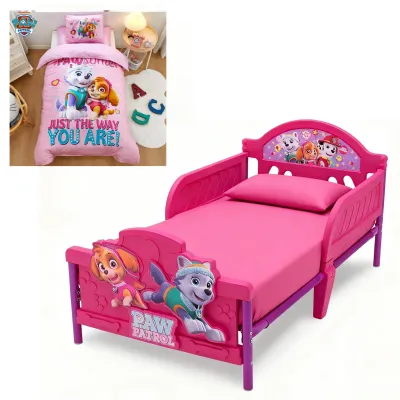
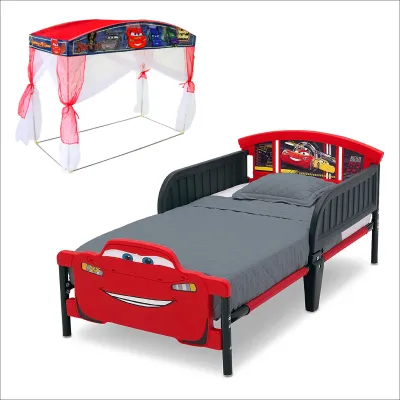
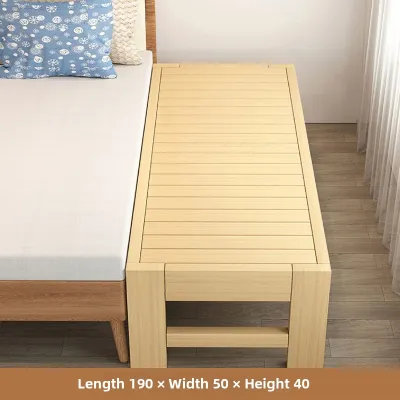
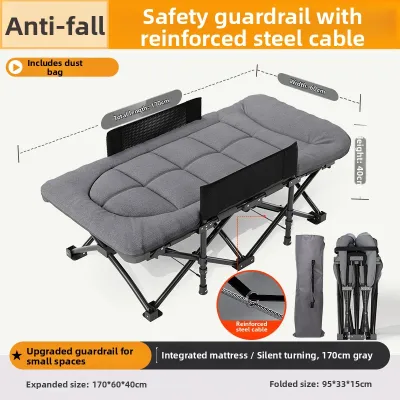
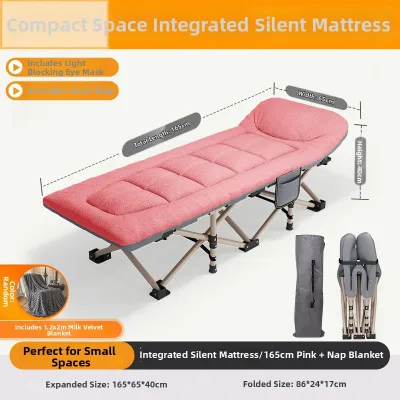
Prices are valid at publication and may change. Please refer to the product page for the latest price.
Assessing Room Constraints and Safety Baselines
Before browsing furniture catalogs or visiting local showrooms, establish a detailed physical blueprint of the bedroom. Start by measuring the clear floor space, taking care to note how baseboards, skirting boards, and electrical outlets might affect where a bed frame can sit flush against the wall. It is equally important to map out the swing clearance of doors, windows, and wardrobe panels. A bed that blocks a closet door or prevents a window from opening fully will quickly become a daily source of frustration and can even pose a safety hazard during emergencies.
Vertical space is another critical boundary, especially if you are considering an elevated sleeping arrangement. Measure the height from the floor to the ceiling, and identify the location of any light fixtures, structural beams, or ceiling fans. In tropical climates like the Philippines, ceiling fans are common fixtures used to maintain airflow and manage humidity. An elevated bed placed too close to a rotating fan or a hot light bulb presents an immediate physical danger, so you must ensure there is ample clearance between the top of the mattress and any ceiling installations.
Safety baselines for a nine-year-old child require careful attention to structural stability and fall prevention. While nine-year-olds generally possess the coordination needed for ladders, elevated beds still require robust guardrails that extend well above the mattress surface. Additionally, any tall or top-heavy furniture pieces—including loft frames, high bookshelves, or adjacent wardrobes—must be secured to the wall using reliable anti-tip anchoring kits. This prevents accidental tipping if a child climbs or leans heavily against the structure.
Finally, define the room’s spatial priorities by identifying your child’s primary daily activities. Does she need a quiet, dedicated desk area for schoolwork, or does she prefer open floor space for creative play and floor-based hobbies? If she frequently hosts friends or cousins for weekend stays, accommodating an extra sleeping surface becomes a priority. Aligning the bed style with these daily routines ensures that the room remains highly functional throughout the day, rather than just serving as a place to sleep at night.
Comparing Space-Saving Bed Styles
Space-saving beds are engineered to solve the puzzle of limited square footage by consolidating functions or utilizing neglected areas of a room. The primary goal of these designs is to reclaim floor space, allowing a small bedroom to feel larger and more organized. However, different styles achieve this goal in fundamentally different ways, and understanding these structural distinctions is key to choosing the right option for your home.

The main division in space-saving design lies between vertical space reclamation and horizontal space optimization. Vertical designs, such as loft beds, lift the sleeping surface off the ground to open up entirely new functional zones underneath. Horizontal designs, such as trundle and storage beds, maintain a traditional low profile but pack extra utility—like spare mattresses or deep drawers—directly into the bed’s existing footprint. Choosing between these approaches depends heavily on your room’s physical dimensions and your child’s comfort level with elevated furniture.
Loft Beds and Elevated Frames
Loft beds are highly effective vertical space savers, effectively doubling the usable square footage of a bed’s footprint. By elevating the mattress, these frames create a versatile open zone underneath that can be customized to suit your nine-year-old’s changing needs. This lower area can house a study desk, a cozy reading nook with bean bags, or low-profile shelving for books and toys. For a small bedroom, this vertical separation keeps the floor clear of clutter and creates a distinct boundary between sleep and daytime activities.
However, utilizing vertical space requires strict verification of your ceiling height. To ensure your child can sit up comfortably in bed without bumping her head, you must measure the distance from the top of the mattress to the ceiling. A good rule of thumb is to verify that there is enough clearance for your child to sit fully upright with several inches of headroom to spare. If your home has low ceilings or dropped concrete slabs, a loft bed may feel too claustrophobic and could limit comfortable movement.
Safety and structural integrity are paramount when selecting an elevated frame. Inspect the manufacturer’s specifications for guardrail height, ensuring they remain effective even after a mattress is placed on the frame. The ladder must be highly stable, with wide, slip-resistant rungs that are easy for a child to grip. Additionally, check the rigidity of the frame joints; a high-quality loft bed should not wobble or sway when your child climbs up or shifts weight during sleep.
Trundle and Storage Beds
If vertical space is limited or your child prefers staying close to the ground, horizontal space-saving beds offer an excellent alternative. Trundle beds feature a secondary, pull-out mattress housed in a shallow drawer beneath the main bed frame. This design is highly practical for occasional sleepovers, allowing you to accommodate a guest instantly without permanently sacrificing floor space. When the guest leaves, the secondary bed simply slides back out of sight, keeping the room tidy.
When planning for a trundle bed, you must verify that the room has sufficient floor clearance to accommodate the secondary mattress when it is fully extended. Measure the open space adjacent to the bed to ensure that pulling out the trundle does not block the main bedroom door or crush nearby furniture. Additionally, check the quality of the trundle’s caster wheels; they should roll smoothly across your specific flooring type, whether it is hardwood, tile, or a low-pile rug, without causing scratches or requiring excessive physical effort.
Storage beds, on the other hand, utilize the under-bed cavity for built-in drawers or hydraulic lift mechanisms. This style is incredibly efficient for organizing seasonal clothing, extra bedding, and bulky toys that would otherwise clutter a wardrobe. When evaluating storage beds, pay close attention to the durability of the drawer glides and the ease of operating the drawers. Because tropical climates can introduce moisture and humidity, look for frames that allow adequate air circulation within the storage compartments to prevent mustiness and protect stored fabrics.
Standard Single Beds with Optimized Frames
A standard single bed can still be a highly effective choice for a small bedroom if you select a frame with an optimized, low-profile design. Traditional bulky headboards and wide wooden frames can unnecessarily consume valuable inches of floor space. By choosing a minimalist metal frame, a slim daybed style, or a corner-fitting headboard, you can minimize the bed’s overall footprint while still providing a comfortable, standard-sized sleeping surface.
To maximize floor space with a standard single bed, consider pushing the frame flush against a corner or along one of the room’s longer walls. This layout opens up the center of the room, creating a clear walkway and making the space feel more expansive. If the bed is positioned against a wall, you can add removable safety rails or decorative bolster pillows to create a secure, sofa-like seating area during the day, turning the bed into a multi-functional lounge space.
If the optimized frame does not feature built-in drawers, you can easily pair it with independent under-bed storage bins. Look for slim, lidded plastic containers on wheels that can slide easily under the frame. This approach offers a budget-friendly way to customize your storage needs while allowing you to easily pull out the bins for cleaning, which is especially helpful for managing dust and maintaining a hygienic sleeping environment.
Matching Bed Styles to Daily Routines and Room Layouts
Selecting the right bed style requires matching the physical features of the furniture with your child’s daily habits and the room’s layout. If your nine-year-old has a heavy school workload and needs a quiet, dedicated space for writing and reading, a loft bed with an integrated desk underneath is often the most logical choice. This setup keeps study materials organized in one zone, leaving the rest of the room free for relaxation. Conversely, if the bedroom has low ceilings or lacks built-in closet space, a storage bed with deep under-bed drawers is a more practical solution to keep clothes and toys organized.
It is also essential to factor in your child’s physical coordination, independence, and daily routines. While a nine-year-old is generally capable of climbing a ladder safely, some children may find navigating a loft bed ladder in the dark or when they are unwell to be challenging. If your child frequently wakes up during the night or prefers an easy-to-make bed, a low-profile storage or trundle bed will offer greater daily convenience. Consider how easy it is for your child to pull out drawers or slide a trundle back into place, as encouraging them to manage their own space fosters independence.
When planning the overall room layout, map out the placement of other essential furniture pieces—such as a wardrobe, a study desk, and shelving—around the chosen bed’s footprint. Ensure that there is a clear path of travel through the room and that no access points are blocked. For instance, if you choose a storage bed with drawers that pull out from the side, make sure there is enough clearance between the bed and the wardrobe to open both simultaneously. Taking the time to visualize these daily interactions will help you create a harmonious, functional, and stress-free environment for your growing child.
Essential Pre-Purchase and Installation Checks
Before finalizing your purchase, conduct a thorough verification of all physical dimensions and installation requirements. Always compare the manufacturer’s stated assembled dimensions against your actual room measurements, rather than relying solely on standard mattress sizes like “single” or “twin.” Be sure to account for the thickness of baseboards, wall moldings, and window trim, as these small architectural details can prevent a bed frame from fitting into a tight corner as planned.
Delivery and assembly access are critical considerations, particularly if you live in a high-rise condominium or a home with narrow stairwells. Measure the height and width of all doorways, elevator cabins, and tight corridor corners along the delivery path to ensure the packaged bed frame components can be transported safely to the bedroom. If the frame is delivered pre-assembled or in exceptionally large boxes, verify that the delivery team can navigate these tight spaces without damaging your walls or the furniture itself, budgeting for delivery and assembly fees in Philippine Pesos (₱) to avoid unexpected costs.
For elevated or heavy furniture pieces, confirm the inclusion of high-quality wall-anchoring hardware. Loft beds and tall storage units must be securely anchored to the wall structure to prevent tipping, especially during seismic activity or if a child climbs on the frame. If your walls are made of concrete or drywall, ensure you use the correct wall plugs and screws specified for that material. If you are unsure about the installation process, hiring a professional assembly service can ensure the frame is secured safely and correctly.
Finally, carefully review the manufacturer’s specifications regarding weight capacity and maximum mattress thickness. For loft beds, using a mattress that is too thick can reduce the effective height of the safety guardrails, increasing the risk of accidental falls. Ensure that the mattress you pair with the frame leaves ample guardrail clearance as recommended by safety standards. Checking these technical details before buying will guarantee a safe, durable, and comfortable sleeping setup that your child can enjoy for years to come.
Frequently Asked Questions (FAQ)
Is a 9-year-old too old for a trundle bed?
A nine-year-old is not too old for a trundle bed, provided you verify the frame’s weight capacity and mattress support structure. Many trundle beds are designed to accommodate standard single mattresses and can easily support growing children and teenagers. However, you should check the manufacturer’s specifications to ensure the pull-out frame is sturdy enough for daily or frequent use. Additionally, evaluate whether your child has the physical strength to pull out and push back the trundle independently, as some heavier wooden models may require more effort to operate on carpeted floors.
How much clearance is needed above a loft bed?
To ensure safety and comfort, you should maintain enough vertical clearance between the top of the loft mattress and the ceiling for your child to sit up fully without restriction. This typically requires measuring your child’s sitting height and adding several inches of clearance to prevent accidental head bumps. When calculating this space, always account for the thickness of the mattress you plan to use. Additionally, ensure the bed is positioned far away from ceiling fans, light fixtures, and air conditioning vents to eliminate any physical hazards or discomfort from direct airflow.
Can a storage bed replace a wardrobe in a small room?
While a storage bed offers excellent horizontal space for organizing folded clothes, toys, and seasonal bedding, it cannot completely replace a wardrobe if your child needs to hang school uniforms, dresses, or jackets. Under-bed drawers are ideal for items that can be folded flat, but they lack the vertical hanging space required to keep structured garments wrinkle-free. A highly effective solution for a small room is a hybrid approach: use the storage bed for folded garments, activewear, and bed linens, and pair it with a slim, single-door wardrobe or a wall-mounted hanging rail for daily school uniforms and formal wear.

Community discussion
Share your experience or ask a question. Comments are reviewed before publication.