
Selecting the right kids bed design for a small bedroom in the Philippines requires balancing floor space, safety, and tropical comfort. In compact urban homes and condominiums, every square meter counts, making multi-functional furniture a necessity rather than a luxury. The ideal bed design must not only fit the physical dimensions of the room but also accommodate your child’s daily activities, from sleeping and studying to playing.
To choose the best option, you must evaluate how the room’s vertical and horizontal spaces interact. While elevated designs like loft beds are excellent for maximizing floor area, low-profile options like trundle or storage beds offer practical alternatives for rooms with lower ceilings or shared sleeping arrangements. Understanding these design dynamics ensures a comfortable, safe, and organized environment for your child.
Assessing Your Room's Space and Layout
Before browsing furniture catalogs, you must conduct a thorough spatial assessment of the bedroom. Start by measuring the total floor area using a standard tape measure. Map out where the bed will sit relative to fixed architectural features like windows, doors, and built-in closets. In many Philippine homes, concrete walls and fixed window locations dictate the layout, leaving little room for error when placing large furniture pieces.
Products mentioned in this guide
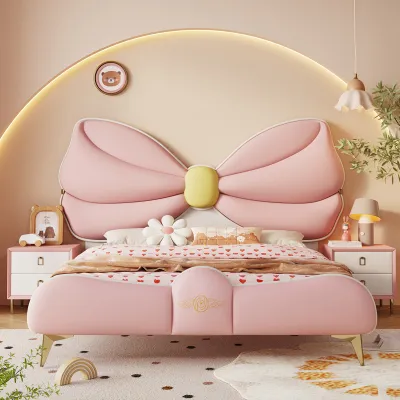
Prices are valid at publication and may change. Please refer to the product page for the latest price.
Vertical space is just as critical as floor space, especially if you are considering elevated bed designs. Measure the height from the floor to the ceiling. Standard ceiling heights in modern Philippine condominiums often range from 2.4 to 2.7 meters, which can limit the usability of high loft beds. You must ensure there is enough overhead clearance for your child to sit upright in bed without risk of bumping their head against the ceiling or light fixtures.
In addition to vertical clearance, analyze the room’s traffic pathways and entry points. A bed should never obstruct the natural flow of movement through the room. Check the swing radius of the bedroom door and wardrobe doors to ensure they can open fully without striking the bed frame. Furthermore, keep pathways to windows clear to allow for easy opening and closing, which is vital for maintaining natural ventilation and emergency egress.
Comparing Space-Efficient Kids Bed Designs
Different bed designs solve space constraints in unique ways. Choosing the right one depends on whether you need to free up floor space for other activities, accommodate multiple children, or maximize storage.

Loft Beds Loft beds elevate the sleeping platform, leaving the space underneath entirely open. This design is highly effective for single-occupancy rooms where floor space is at a premium. The vacant area beneath the bed can be transformed into a dedicated study zone with a desk and chair, a cozy reading nook, or a play area with toy organizers. When selecting a loft bed, check the manufacturer’s specifications for the ladder placement and angle, as some ladders require more floor space than vertical steps. Ensure the structure is robust and check if it requires wall anchoring for added stability.
Trundle Beds Trundle beds feature a secondary, pull-out bed frame housed beneath the main mattress. This design is an excellent solution for shared bedrooms or hosting sleepovers without permanently occupying double the floor space. During the day, the lower bed slides completely out of sight, preserving valuable play area. When evaluating trundle beds, verify the maximum mattress thickness allowed for the lower trundle frame. Standard trundles often require a thinner mattress, typically around 4 to 6 inches, to slide smoothly under the main frame without catching.
Storage Beds Storage beds utilize the space directly beneath the mattress platform, incorporating built-in drawers, cubbies, or a hydraulic lift mechanism. This design is ideal for rooms with low ceilings where loft beds are impractical. Drawers built into the base of the bed are perfect for storing bed linens, seasonal clothing, or toys. Alternatively, hydraulic lift beds raise the entire mattress platform to reveal a large, undivided storage compartment underneath. When choosing a storage bed, check the clearance around the bed to ensure drawers can slide out fully without hitting walls or other furniture.
Measuring and Installation Checks for Compact Rooms
Purchasing a space-saving bed is only half the battle; ensuring it can be delivered and safely assembled in your home is equally important. Many urban residential buildings in the Philippines feature narrow corridors, tight stairwells, and compact elevators that can make transporting large furniture pieces challenging.
Before finalizing your purchase, measure every doorway, hallway turn, and elevator entrance that the delivery team must navigate. If you live in a multi-story townhouse or a condominium, check the dimensions of the service elevator and the clearance of stairwell landings. Request the packaged dimensions of the bed frame from the retailer to verify that the flat-packed boxes can fit through these tight spaces.
Once the furniture is inside the room, structural safety and assembly conditions become the priority. For elevated designs like loft beds, check the manufacturer’s specified weight limits for both the sleeping platform and the ladder. Inspect the assembly instructions to determine if the bed requires anchoring to the wall. If wall anchoring is necessary, verify your wall type; concrete walls, common in Philippine homes, require specific masonry wall plugs and heavy-duty screws for a secure hold.
Finally, double-check the operational clearance of all moving parts. If you choose a trundle bed or a storage bed with drawers, mark the fully extended dimensions on the floor using masking tape. This visual check ensures that you will have enough room to comfortably stand and access the drawers or pull out the trundle mattress without feeling cramped.
Common Space-Planning Mistakes to Avoid
When arranging furniture in a small bedroom, certain layout mistakes can compromise both comfort and safety. One of the most common errors is blocking essential utilities and ventilation sources.
Avoid placing high loft beds directly in front of or beneath split-type air conditioning units. Doing so can block the airflow, leading to uneven cooling in the room and making the sleeping platform uncomfortably cold or drafty. Similarly, ensure the bed frame does not block wall outlets, light switches, or ventilation grilles. Access to these utilities is crucial for daily convenience and safety.
Another frequent mistake is ignoring the swing radius of existing furniture doors. A wardrobe door that cannot open fully because it hits the corner of the bed frame limits access to clothing and creates daily frustration. Always allow for a buffer zone between the bed and other furniture pieces. If space is exceptionally tight, consider replacing standard hinged wardrobe doors with sliding doors to eliminate swing clearance issues entirely.
Lastly, do not overlook your child’s age, developmental stage, and mobility when choosing an elevated bed. While a loft bed might seem like the perfect space-saving solution, younger children may struggle with climbing ladders safely, especially during nighttime trips to the bathroom. Always match the bed design to your child’s current physical capabilities and check for safety features like wide ladder rungs and sturdy guardrails.
Frequently Asked Questions (FAQ)
How do I ensure a loft bed is safe for a young child?
To ensure safety, verify that the loft bed complies with standard safety guidelines, which generally recommend elevated beds only for children aged six and older. Check that the guardrails are continuous on all sides, with openings only for the ladder, and that they extend at least five inches above the top of the mattress. Regularly inspect the frame to ensure all bolts and joints remain tight, and choose a ladder with wide, slip-resistant steps rather than thin rungs for more secure climbing.
Can I add storage to an existing bed frame in a small room?
Yes, you can add storage to an existing frame by utilizing under-bed rolling bins or plastic storage drawers, provided there is sufficient clearance beneath the side rails. Measure the height from the floor to the bottom of the frame before purchasing containers. In humid tropical climates, it is important to avoid packing items too tightly under the bed; leave small gaps between storage boxes to maintain adequate airflow, which helps prevent moisture buildup and mold growth on the underside of the mattress.
Community discussion
Share your experience or ask a question. Comments are reviewed before publication.