
Finding the right storage cabinets for kitchen spaces in compact Filipino homes requires balancing vertical space, floor footprint, and resistance to local tropical humidity. In typical urban condominiums, townhouses, or traditional apartments, kitchen layouts are often narrow or shared with dining areas. Maximizing these spaces means looking beyond standard bulky furniture and focusing on slim profiles, multi-functional rolling carts, and wall-mounted units that keep walkways clear.
A well-organized kitchen not only streamlines meal preparation but also maintains a clean, hygienic environment. When space is limited, clutter accumulates quickly on countertops, leaving little room for actual cooking. By selecting storage solutions tailored to small layouts, you can keep essential cookware, dry ingredients, and small appliances organized and easily accessible.
The key to successful kitchen organization lies in understanding your specific layout constraints and matching them with the right cabinet designs. This guide outlines how to evaluate your kitchen space, compares the most effective cabinet types for small areas, and highlights critical features to verify before making a purchase.
Products mentioned in this guide
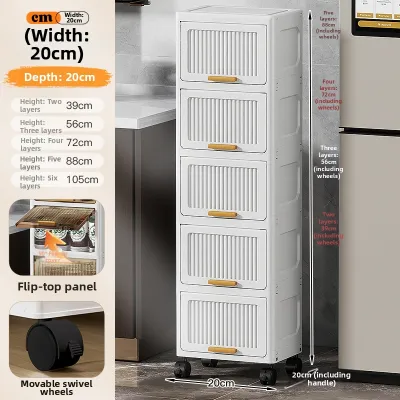
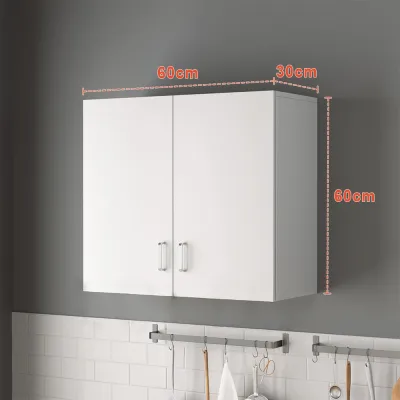
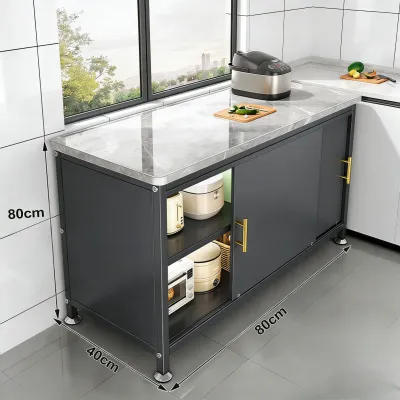
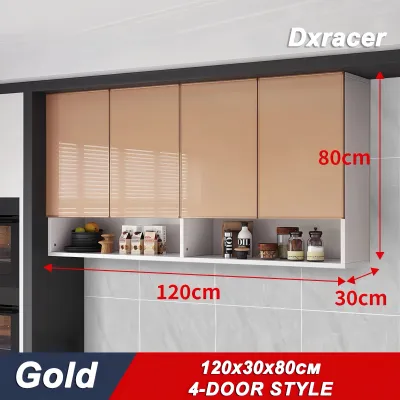
Prices are valid at publication and may change. Please refer to the product page for the latest price.
How to Measure and Assess Your Kitchen Space
Before browsing online marketplaces or visiting local furniture showrooms, you must accurately assess your physical kitchen environment. Start by measuring the available floor footprint where you plan to place a freestanding cabinet or rolling cart. Use a reliable metal measuring tape and record the width, depth, and height of the designated area. It is crucial to measure the height up to the ceiling or the underside of existing overhead fixtures to determine if tall pantry towers can fit without obstruction.
Next, evaluate the clearance required for moving parts. A cabinet might fit perfectly when its doors and drawers are closed, but it can block vital walkways when opened. Measure the swing radius of cabinet doors and the full extension length of drawers. Ensure these movements do not collide with refrigerator doors, oven handles, or the main path of travel through the kitchen. In narrow galley kitchens, sliding cabinet doors or open shelving units are often more practical than traditional swing-out doors.
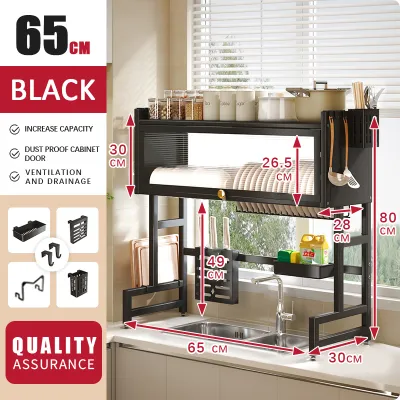
Identifying underutilized dead spaces is another highly effective way to expand your storage capacity. Look for narrow gaps between major appliances, such as the space between your refrigerator and the wall, or the area next to your washing machine. These tight spots are ideal for slim, slide-out pantry towers or narrow rolling carts. Additionally, look upward to identify unused vertical wall space above your sink or countertops, which can easily accommodate floating shelves or wall-mounted cabinets.
Finally, categorize your primary storage needs to determine the structural requirements of your new cabinet. Heavy items, such as rice cookers, multi-cookers, cast iron pans, and large sacks of rice, require sturdy lower shelves with high load capacities. Conversely, lightweight items like spices, dry snacks, dish towels, and food storage containers can be stored in upper wall-mounted units or lightweight plastic drawers. Grouping your items by weight and frequency of use will help you choose a cabinet with the appropriate shelf strength and layout.
Types of Space-Efficient Storage Cabinets
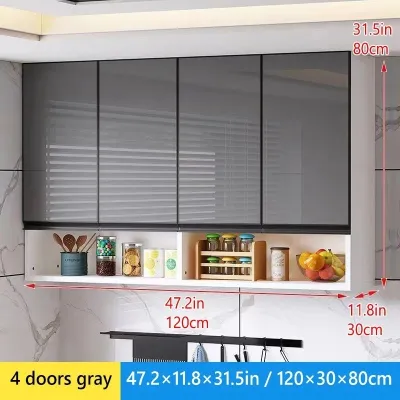
Wall-mounted and overhead cabinets are excellent for utilizing vertical space without consuming valuable floor area. By lifting your storage off the ground, you keep the floor clear for foot traffic and food preparation. These units are ideal for storing everyday dinnerware, glassware, and dry pantry staples. When selecting wall-mounted cabinets, it is essential to verify the wall material of your home. Concrete walls, common in many residences in the Philippines, provide excellent support for heavy-duty anchors, whereas drywall partitions require careful locating of studs to ensure secure installation.

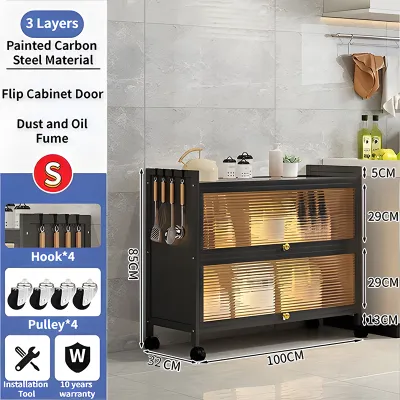
Slim freestanding cabinets and rolling utility carts offer flexible, high-density storage for narrow layouts. A tall, narrow pantry tower utilizes vertical space while occupying a minimal floor footprint, making it perfect for tight corners. Rolling carts, typically featuring three tiers of open shelving, provide mobile storage that can be moved to your prep area when cooking and tucked away under a counter or into a closet afterward. Look for carts with lockable caster wheels to ensure they remain stable and stationary during use.
Corner cabinets and tiered under-sink organizers are designed to maximize awkward, hard-to-reach areas. Kitchen corners are frequently wasted because standard rectangular cabinets leave deep, inaccessible pockets. Corner cabinets equipped with rotating carousels or pull-out L-shaped shelves bring items from the back to the front, making full use of the corner footprint. Under-sink areas are similarly challenging due to plumbing pipes and garbage disposals. Tiered, adjustable under-sink organizers can expand around pipes, providing structured storage for cleaning supplies, dish soaps, and trash bags.
Key Features to Check Before Buying
When shopping for storage cabinets for kitchen use, always verify the exact dimensions and weight capacity limits directly on the product label or specification sheet. Do not rely on promotional images, which can often make furniture appear larger or more robust than it is in reality. Check the maximum weight limit per shelf to ensure the unit can safely support your heaviest kitchen appliances or stacks of ceramic plates. If a manufacturer does not specify a weight limit, treat the unit as suitable only for lightweight storage.
Material care instructions are critical for ensuring the longevity of your kitchen furniture, especially in tropical climates. High humidity, steam from cooking, and accidental liquid spills can quickly degrade poorly finished materials. While engineered wood, bamboo, and metal are common cabinet materials, their durability depends entirely on their protective coatings. Check if the surfaces are laminated, sealed, or powder-coated to resist moisture absorption. Inspect the joints, hinges, and drawer glides to ensure they are made of rust-resistant materials like stainless steel or treated alloy.
Assess the door swing clearance and drawer extension mechanics to ensure they align with your kitchen’s layout. If you have a narrow walkway, look for cabinets with sliding doors or open cubbies that do not require extra clearance to access. For drawers, verify if they feature full-extension glides, which allow you to reach items stored at the very back without struggling. Soft-close hinges and drawer glides are also beneficial features that prevent slamming and reduce wear and tear over time.
Stability and safety features must be verified, particularly for tall, narrow freestanding units. Top-heavy cabinets pose a significant tipping hazard when multiple drawers are pulled out or when heavy items are placed on upper shelves. Check if the cabinet package includes anti-tip brackets or wall-anchoring hardware. If you have children or pets in the home, anchoring tall furniture to the wall is an essential safety precaution that should not be overlooked.
Where to Buy and How to Verify Product Details
To find the best storage cabinets for kitchen spaces, compare options from both local physical furniture showrooms and established online marketplaces. Visiting a physical showroom allows you to inspect the build quality firsthand, test the smoothness of drawer glides, and feel the sturdiness of the materials. However, online marketplaces often provide a wider selection of designs, sizes, and price points, along with the convenience of home delivery.
When shopping online, always cross-reference the seller’s product description with the official manufacturer specifications. Sellers on ecommerce platforms may sometimes use generic templates or approximate measurements. Confirming the exact dimensions, material composition, and weight capacities directly with the manufacturer’s official website or customer service channel helps prevent purchasing a cabinet that is too large or structurally inadequate for your needs.
Additionally, carefully review the return policies, warranty terms, and assembly requirements before finalizing your purchase. Many space-efficient cabinets are sold as flat-pack, ready-to-assemble units. Verify if the package includes all necessary assembly tools and clear, step-by-step instructions. If you are not comfortable with DIY assembly, check if the retailer offers professional installation services, which can ensure the cabinet is put together securely and aligned correctly.
Frequently Asked Questions (FAQ)
Do freestanding cabinets need to be anchored to the wall?
Yes, tall or narrow freestanding cabinets generally require anchoring to the wall to prevent tipping. When drawers are fully extended or heavy items are stored on upper shelves, the unit’s center of gravity shifts forward, creating a severe tipping hazard. This risk is especially high in busy kitchens where doors are opened and closed frequently. Always check the manufacturer’s manual for specific anchoring instructions and use the appropriate wall hardware. For concrete walls, which are standard in many Filipino homes, you will need concrete wall anchors and a masonry drill bit to secure the brackets properly.
How can I protect wooden cabinets from kitchen humidity?
To protect wooden cabinets from tropical kitchen humidity, start by checking the manufacturer’s care label for specific cleaning limits and humidity tolerances. Ensure your kitchen has adequate ventilation by running an exhaust fan or keeping windows open while cooking to allow steam to escape. Wipe away any water splashes, condensation, or liquid spills immediately using a dry microfiber cloth to prevent moisture from seeping into the wood joints. Avoid placing heat-generating appliances, such as rice cookers or electric kettles, directly underneath wooden overhead cabinets, as the rising steam can damage the protective finish over time.
Community discussion
Share your experience or ask a question. Comments are reviewed before publication.