
Maximizing a compact bedroom closet in the Philippines requires a strategic approach to space rather than simply buying generic storage containers. In tropical climates where high humidity is a constant factor, stuffing a small wardrobe too full can restrict airflow, leading to musty odors, mildew, or damage to your garments. Finding the right clothes storage organizer wardrobe system means looking beyond aesthetic appeal and focusing on precise spatial compatibility, structural limits, and ventilation. By selecting organizers that match your specific wardrobe dimensions and daily habits, you can transform a cramped, cluttered closet into an efficient, highly functional storage system.
Assessing Your Wardrobe's Usable Space and Dimensions
Before purchasing any organizing accessories, you must establish an accurate map of your wardrobe’s interior. Start by clearing out all items so you can access the bare structure. Use a reliable metal measuring tape to record the internal width, depth, and height of each distinct compartment. Do not rely on the external dimensions provided by the wardrobe manufacturer, as back panels, side walls, and frame supports can reduce the actual usable interior space by several centimeters.
Pay close attention to the internal depth of your wardrobe. Standard clothes hangers typically require a minimum depth of 50 to 55 centimeters to hang straight. If your wardrobe is shallow—measuring 40 centimeters or less—standard hangers will sit at an angle, and the doors may press against your clothes. In such cases, you will need to look for alternative solutions, such as pull-out valet rods that allow garments to hang facing forward rather than sideways.
Products mentioned in this guide
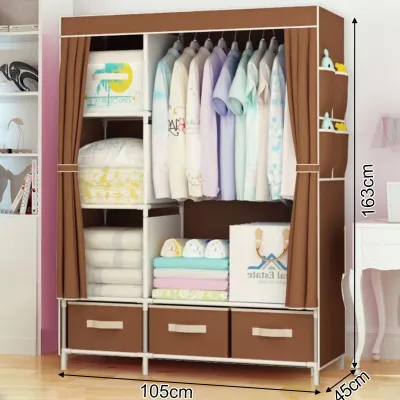
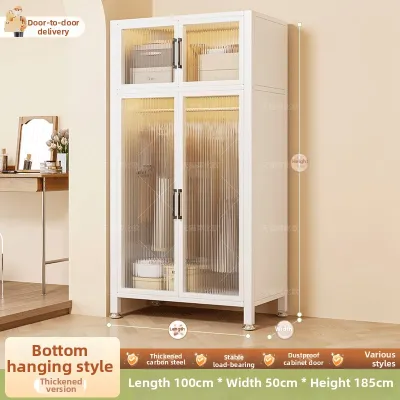
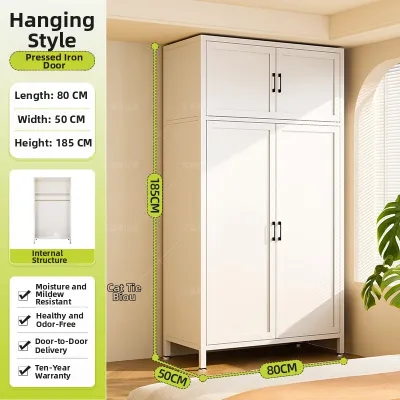
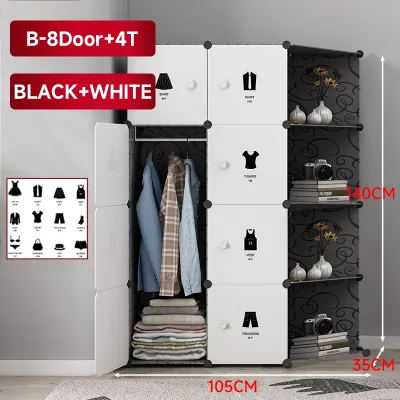
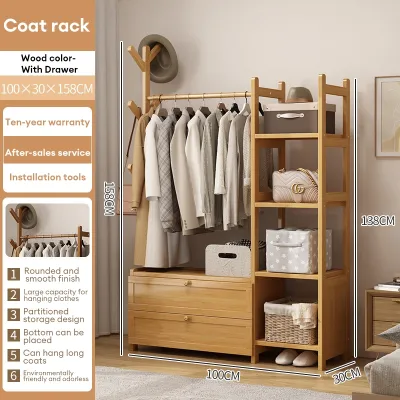
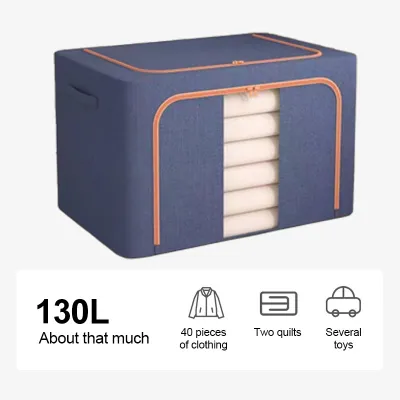
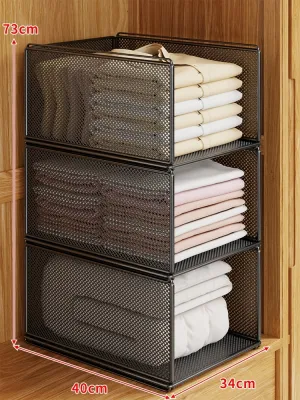
Prices are valid at publication and may change. Please refer to the product page for the latest price.
Next, identify and account for physical obstructions within the closet. Note the placement of door hinges, magnetic catches, existing hanging rods, and fixed shelves that cannot be adjusted. For wardrobes with sliding doors, measure the overlap area where the doors meet, as this zone often restricts access to drawers or pull-out bins. If your wardrobe has swing doors, measure the clearance required for the doors to close fully without catching on any added organizers. Write down these exact dimensions and keep them on hand when browsing online marketplaces or local furniture stores.
Matching Organizer Types to Shallow and Compact Closets
Once you have your measurements, you can begin matching specific organizer types to the structural layout of your wardrobe. For closets with ample vertical space but limited hanging rods, hanging organizers and multi-tier fabric shelves are excellent for utilizing the dead space below shorter garments. These vertical organizers hang directly from the existing rod, instantly creating cubbies for folded t-shirts, shorts, or light knitwear without requiring permanent installation.

For deep shelves or the wardrobe floor, stackable fabric bins and drawer inserts help optimize areas that are otherwise difficult to reach. In shallow wardrobes, look for low-profile bins that match your shelf depth to prevent them from protruding. Drawer inserts and honeycomb dividers are particularly useful for keeping smaller items like socks, undergarments, and accessories neatly separated, preventing them from turning into a disorganized pile at the back of the shelf. When selecting fabric bins for humid environments, check for breathable materials like non-woven polypropylene or canvas to encourage airflow and reduce moisture buildup.
If your wardrobe features tall, undivided vertical compartments, you can create custom zones using tension rods and adjustable shelf dividers. Tension rods can be installed horizontally to add an extra hanging level for lightweight items, while vertical shelf dividers keep stacks of folded clothes from tipping over. When selecting these dividers, check the mounting mechanism to ensure it fits the thickness of your shelves without scratching the finish.
To maximize the often-underutilized top-tier space or to store off-season items, consider vacuum storage bags and flat under-shelf baskets. Vacuum bags compress bulky items like extra bedding, pillows, or heavy travel jackets, protecting them from dust and moisture while reducing their volume significantly. Flat wire baskets that slide onto existing shelves can utilize the empty space directly beneath a shelf, providing a convenient spot for flat accessories, scarves, or small bags. Ensure any metal wire baskets feature a rust-resistant powder coating or finish to prevent corrosion in humid tropical conditions.
Key Selection Criteria for Small Space Organizers
Selecting the right clothes storage organizer wardrobe accessories involves evaluating several practical criteria to ensure long-term durability and functionality. First, pay close attention to material and weight limits. Cross-reference the product labels and manufacturer specifications with the weight of the items you plan to store. Heavy denim, jackets, or bags can easily cause flimsy plastic or weak fabric organizers to sag or collapse, potentially damaging the wardrobe’s internal structure.
Dimensional compatibility is the most critical factor. Always compare the exact product specifications of the organizer against your recorded interior measurements, leaving a small margin of safety. An organizer that is even a few millimeters too wide or deep will prevent doors from closing or drawers from sliding smoothly. If you plan to stack modular organizers on the wardrobe floor, check their stability and ensure they do not lean or wobble when fully loaded.
Additionally, prioritize visibility and accessibility. In tight, dimly lit closets, finding items can be challenging. Look for organizers made from transparent materials like clear acrylic, or those with open-front designs that allow you to see the contents at a glance. If you prefer solid fabric bins to maintain a clean look, choose options with integrated label holders or clear window panels so you do not have to pull down every bin to find a specific item.
Common Sizing and Installation Mistakes to Avoid
A frequent mistake when organizing a small wardrobe is ignoring door swing or sliding track clearance. Many homeowners purchase deep plastic drawers or pull-out baskets only to find that the wardrobe doors cannot close fully, or that the sliding doors block the drawers from opening. Always measure the clearance path of the doors and ensure any pull-out mechanism has sufficient room to operate without obstruction.
Another common error is overstacking bins or overloading hanging rods beyond their verified weight capacity. While vertical stacking is highly efficient, placing heavy bins on top of lightweight fabric organizers can crush the lower units. Similarly, overloading a hanging rod with multiple heavy organizers can cause the rod to bend or pull away from its wall mounts. Always distribute weight evenly and respect the load limits specified by both the wardrobe and organizer manufacturers.
Lastly, avoid using rigid, non-adjustable organizers in irregularly shaped spaces. If your wardrobe has sloped ceilings, shallow corners, or non-standard depths, rigid plastic or wooden boxes can leave awkward gaps of wasted space. In these scenarios, flexible fabric bins, adjustable tension shelves, or modular systems are much more effective at conforming to the unique shape of your closet.
Organizing Strategies for Maximum Capacity
To truly maximize the capacity of your small wardrobe, you must combine the right organizers with efficient layout strategies. Begin by zoning your wardrobe based on frequency of use. Place daily wear, such as work attire and casual clothing, in the most accessible zones—typically at eye level and within easy reach. Store seasonal items, formal wear, or extra linens in the highest or lowest compartments of the wardrobe.
Next, adopt space-saving folding techniques to eliminate empty air gaps within your bins and drawers. The file-folding or vertical-folding method allows you to stand garments upright inside bins rather than stacking them flat. This not only saves space but also ensures that every item is visible and accessible without disturbing the rest of the stack.
Finally, schedule periodic reviews of your wardrobe layout. As your clothing collection changes or as seasons transition, take time to adjust the height of your shelves, reorganize your bins, and declutter items you no longer wear. A dynamic, adaptable storage system will continue to serve your needs far better than a static setup.
Frequently Asked Questions (FAQ)
How do I prevent hanging organizers from sagging?
To prevent hanging organizers from sagging, first verify the weight limit of your wardrobe’s hanging rod and compare it with the manufacturer specifications of the organizer. Distribute the weight of your clothing evenly across all tiers rather than concentrating heavy items like jeans or sweaters at the bottom. Avoid overstuffing individual compartments beyond their designed volume, and consider placing lightweight, rigid cardboard or plastic inserts at the bottom of each fabric shelf to help maintain its flat shape.
Are acrylic drawer dividers better than fabric bins for small wardrobes?
The choice between acrylic drawer dividers and fabric bins depends on your specific storage needs and wardrobe dimensions. Acrylic dividers are ideal for scenarios requiring strict compartmentalization, high visibility, and fixed dimensions, making them excellent for organizing small accessories, cosmetics, or rolled t-shirts in shallow drawers. Fabric bins, on the other hand, offer greater flexibility for irregular spaces, softer items, and situations where storage needs may change. Fabric bins are also more forgiving if your shelf measurements are slightly off, whereas rigid acrylic requires exact dimensional compatibility.
Community discussion
Share your experience or ask a question. Comments are reviewed before publication.