
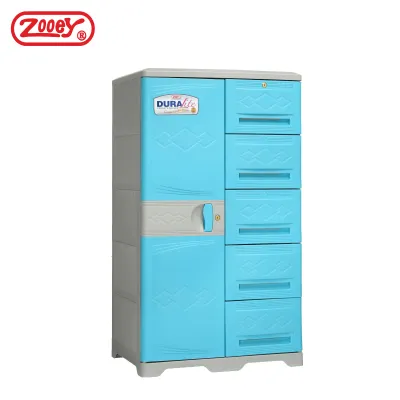
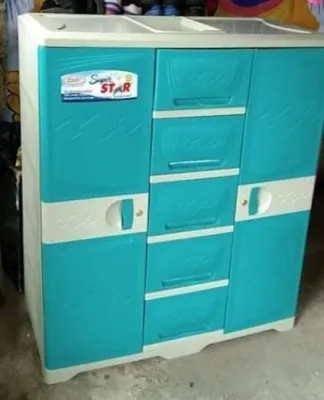
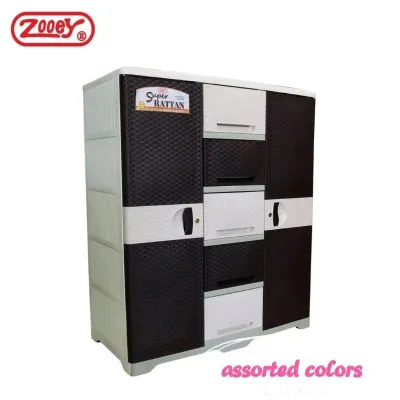
Selecting the right wardrobe setup for a compact bedroom in the Philippines requires balancing floor space, storage capacity, and environmental durability. When floor area is limited, the most effective configuration is a multi-functional ‘zooey cabinet and drawer’ system that utilizes vertical height while integrating base drawers. This combination eliminates the need for separate furniture pieces, keeping your walking paths clear and your bedroom highly functional.
In typical Philippine homes, from studio condominiums in metropolitan areas to compact suburban townhouses, bedrooms often measure between 8 and 12 square meters. Maximizing these tight layouts means choosing freestanding furniture that serves multiple purposes without overwhelming the room. A combined cabinet and drawer unit provides dedicated hanging space for uniforms and formal wear alongside deep drawer compartments for folded clothes, bed linens, and personal items.
Beyond spatial efficiency, the local tropical climate makes material selection a critical factor. High relative humidity throughout the year can cause traditional wood or particleboard furniture to warp, swell, or develop mold. High-quality plastic cabinets and drawers offer a practical, moisture-resistant alternative that is easy to clean, lightweight to reposition, and highly durable in humid conditions.
Products mentioned in this guide


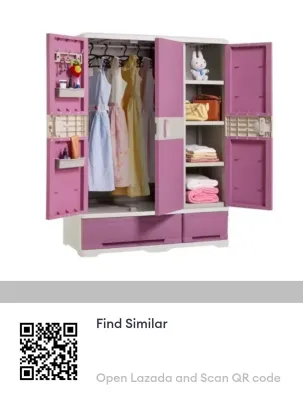
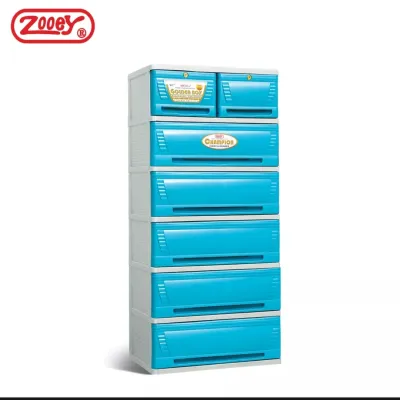
Prices are valid at publication and may change. Please refer to the product page for the latest price.
How to Measure Your Small Bedroom for Wardrobe Placement
Before purchasing any new furniture, you must establish accurate baseline measurements of your bedroom to ensure a perfect fit. Do not rely on a single measurement across a wall or floor. In many local residential constructions, walls and floors may not be perfectly plumb or level, meaning dimensions can vary slightly from one corner to another.
Begin by measuring the width of the wall where you plan to place the cabinet. Take this measurement at three different heights: near the floor, at chest level, and near the ceiling. Use the smallest of these three measurements as your maximum available width. Next, measure the floor depth from the back wall to where you want the front of the cabinet to sit, ensuring it does not obstruct any doorways, electrical outlets, or light switches.
Ceiling height is equally critical, especially if you are looking to maximize vertical space. Measure from the floor to the ceiling at both the left and right sides of the planned installation area. Be sure to subtract the height of any ceiling moldings, cornices, or bulkheads. You must also account for the clearance required for ceiling fans, light fixtures, and split-type air conditioning units, which are commonly mounted high on bedroom walls.
In addition to the physical footprint of the furniture, you must calculate the functional clearance needed for daily use. Ensure there is at least 60 centimeters of open walking space in front of the cabinet when all doors and drawers are fully closed. If the wardrobe features hinged doors or pull-out drawers, map their full extension paths on your floor plan to guarantee they do not collide with your bed frame, bedside tables, or bedroom entry door.
Finally, map out the delivery route from your building’s entrance to your bedroom. Measure the height and width of all doorways, narrow hallways, stairwells, and elevator cabins. A large, pre-assembled cabinet configuration is only practical if it can safely navigate these tight passages during delivery.
Choosing the Right Zooey Cabinet Dimensions and Door Types
Finding the ideal balance between storage capacity and bedroom flow depends heavily on selecting the correct cabinet dimensions and door configurations. The goal is to maximize storage volume without making the room feel cramped or restricting your movement.

Maximizing Vertical Storage with Tall Cabinets
When floor space is at a premium, the most logical direction to expand is upward. Selecting a taller cabinet configuration allows you to capture unused vertical space that would otherwise go to waste. This high-level storage is ideal for keeping seasonal bedding, extra pillows, or less frequently used items organized and out of sight.
Before choosing a tall model, cross-reference your measured ceiling height with the official product specifications. Ensure there is at least 10 to 15 centimeters of clearance between the top of the cabinet and your ceiling. This gap is necessary not only for physical installation but also to allow proper air circulation and to prevent the unit from blocking light from ceiling fixtures or interfering with the airflow of a nearby air conditioner.
You must also inspect the upper wall area for any architectural obstructions. Look for low-hanging beams, bulkheads, or decorative crown moldings that might prevent a tall cabinet from sitting flush against the wall. If a cabinet cannot sit flush, it can create unstable gaps behind the unit, which can accumulate dust and compromise the overall stability of the furniture.
Managing Door Swings and Pathway Flow
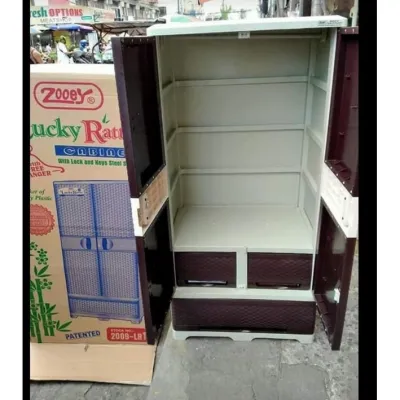
The way your cabinet doors open has a significant impact on the usable space in a small bedroom. Hinged doors require a clear forward swing radius, which means you cannot place other furniture pieces directly in front of the cabinet. If your bed is positioned close to the wardrobe, opening a hinged door can easily block the main pathway through the room.
In contrast, sliding doors or open-shelving configurations do not require forward clearance, making them highly suitable for narrow layouts where the bed sits close to the wardrobe. However, sliding door mechanisms typically require a wider overall cabinet footprint to function properly, and they only allow access to one side of the wardrobe at a time.
When evaluating different models, verify which door mechanisms are available and how they align with your room layout. If you select a model with hinged doors, measure the width of the doors and draw their swing path on your floor plan. Ensure that even when the doors are fully open, you still have enough space to stand comfortably and access your clothes without feeling trapped against the bed.
Configuring a Zooey Cabinet and Drawer System for Maximum Efficiency
An efficient wardrobe configuration relies on a smart combination of hanging space, shelving, and drawer storage to keep your belongings organized without cluttering your floor plan.
Integrating Base Drawers vs. Standalone Units
One of the most effective ways to save space in a small bedroom is to choose a cabinet with integrated base drawers. This design combines two essential pieces of furniture—a wardrobe and a chest of drawers—into a single vertical unit. By utilizing the bottom portion of the cabinet for drawers, you eliminate the need for a separate dresser, freeing up valuable floor space for a desk, a nightstand, or simply more open walking area.
Integrated drawers are perfect for storing folded items like t-shirts, activewear, undergarments, and socks, while the upper cabinet section handles hanging garments. This keeps your daily essentials organized in one central location.
However, if your wall width is highly restricted but you have extra floor depth or an empty space under a window sill, a separate setup might be more practical. In this scenario, you can pair a standard, slim hanging cabinet with a separate, low-profile drawer unit. This allows you to utilize the low space beneath windows or in tight corners where a tall cabinet would block natural light or ventilation.
Adapting Internal Storage for Humid Climates
The tropical climate of the Philippines, characterized by high temperatures and seasonal humidity, requires careful attention to how you organize your internal storage. Overpacking a cabinet restricts airflow, which can trap ambient moisture inside the compartments. This trapped moisture creates an ideal environment for mold, mildew, and musty odors to develop on your clothing.
To maintain a fresh and hygienic wardrobe, avoid stuffing shelves and hanging rods to their absolute capacity. Leave a few centimeters of space between hanging garments to allow air to circulate freely. Grouping your clothes by fabric weight and frequency of use can also help you maintain an organized layout that promotes better ventilation.
Because these cabinets are made from durable, non-porous plastic, they do not absorb moisture like wood does, making them much easier to maintain. However, you should still check the manufacturer’s care instructions for your specific model. To protect your garments further, place disposable moisture absorbers or silica gel packets on shelves and inside drawers, and make it a habit to leave the cabinet doors open for a short period during dry, sunny days to refresh the interior air.
Common Space-Planning Mistakes to Avoid Before Buying
Avoiding common layout and purchasing mistakes will save you time, money, and frustration during the setup process. One of the most frequent oversights is failing to account for baseboards or skirting boards along the bottom of your bedroom walls. These trim pieces project slightly from the wall, preventing the back of a cabinet from sitting completely flush. If not planned for, this can cause the cabinet to tilt forward slightly, compromising its stability and leaving a visible gap where dust can accumulate.
Another common mistake is overestimating the usable depth of your bedroom. A cabinet that is too deep can easily encroach on natural light sources if placed too close to a window. It can also restrict the flow of traffic between your bed and the bedroom door, making the space feel cramped and uncomfortable. Always verify that the cabinet’s depth leaves ample room for you to move around naturally.
Finally, do not underestimate the importance of verifying delivery access. A cabinet configuration that fits beautifully inside your bedroom is of no use if it cannot be transported up your condominium’s stairwell, through a narrow hallway, or into your apartment door. Always measure every tight corner, doorway, and elevator door along the delivery path before finalizing your purchase.
Finalizing Your Zooey Configuration and Delivery Checklist
Before making your final purchase, take the time to complete a thorough verification process to ensure your selected configuration matches your bedroom’s layout and your lifestyle needs.
Start by conducting a final cross-reference of your bedroom measurements against the exact dimensions listed on the official product specification sheet of your chosen model. Double-check the width, depth, and height, making sure to account for any baseboards, light switches, or wall outlets that might restrict placement.
Next, confirm the assembly and delivery details with your authorized retailer or official store. Determine whether the cabinet will be delivered fully assembled or flat-packed. If it arrives pre-assembled, re-verify that your doorways and hallways can accommodate its dimensions. If it requires assembly, ensure you have the necessary tools and space in your room to put it together safely, following the manufacturer’s step-by-step instructions.
Lastly, perform a physical walk-through of your bedroom. Visualize where the cabinet will stand, how the doors will swing open, and how the drawers will slide out. Ensure that this new addition supports a comfortable, functional living environment, allowing you to move freely and enjoy a clutter-free, well-organized personal space.
Frequently Asked Questions (FAQ)
Can I customize the internal shelves and drawers of Zooey cabinets?
The level of internal customization depends entirely on the specific model and configuration you choose. Some designs feature modular layouts with adjustable shelving pin holes, allowing you to reposition shelves to accommodate taller items or add extra storage bins. Other models come with fixed internal configurations optimized for standard hanging and drawer storage. To ensure your cabinet meets your specific storage needs, check the detailed product specifications or consult with an authorized retailer before purchasing to confirm if additional shelves, hanging rods, or drawer dividers can be integrated.
Community discussion
Share your experience or ask a question. Comments are reviewed before publication.