
Maximizing the limited floor area of a compact condominium in the Philippines requires a thoughtful approach to furniture selection. Since the bed is typically the largest item in any bedroom, choosing a frame designed specifically for space efficiency is the most effective way to reclaim valuable floor space. The ideal solution depends on your specific room dimensions, ceiling height, and daily routines, balancing sleeping comfort with the need for open, usable space. By understanding the distinct categories of space-saving beds—including storage-integrated, wall-mounted, and elevated designs—you can transform a cramped sleeping quarters into a highly functional, organized retreat.
Key Criteria for Evaluating Space-Saving Bed Frames
Before purchasing any space-saving bed frame, you must evaluate how its physical footprint interacts with your bedroom’s layout. A frame that fits perfectly on paper might still block closet doors, obstruct pathways, or make the room feel incredibly cramped. Aim to maintain a balanced proportion where the bed occupies no more than one-third of the available floor area, leaving enough room for comfortable movement and essential secondary furniture.
Storage accessibility is another critical factor that dictates daily convenience. For instance, bed frames with pull-out side drawers require ample clearance space on either side of the bed to open fully, which may not be feasible in narrow rooms. Conversely, hydraulic lift mechanisms raise the entire mattress vertically, allowing you to access storage from above without needing extra side clearance, though they require sufficient overhead space and physical effort to operate.
Products mentioned in this guide
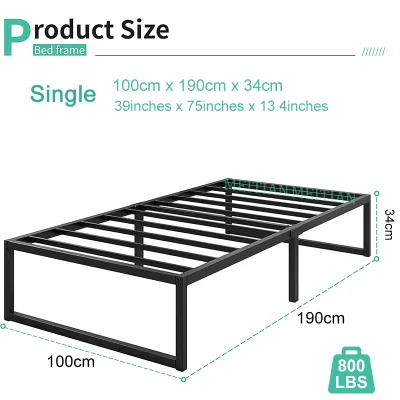
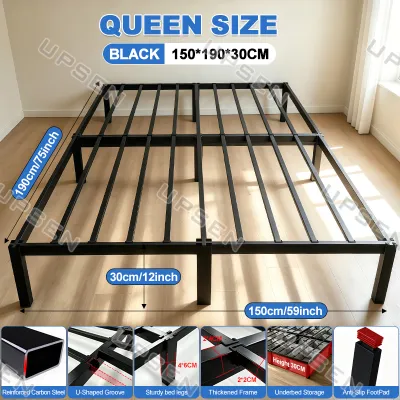
Prices are valid at publication and may change. Please refer to the product page for the latest price.
Weight capacity and floor protection are vital considerations, particularly if you are renting a condo unit. Heavy wooden or metal frames, combined with the weight of a mattress and occupants, exert significant pressure on flooring materials like vinyl, laminate, or engineered wood. Look for frames with wide, flat support legs or add heavy-duty felt pads underneath to distribute weight evenly and prevent permanent scratches or indentations that could jeopardize your security deposit.
Finally, do not overlook the logistics of delivery and assembly. Many high-rise condominiums in metropolitan areas have strict elevator size limits and tight stairwell turns that cannot accommodate fully assembled furniture or exceptionally long headboards. Always check the packaged dimensions of the bed frame before ordering to ensure the boxes can clear your building’s service elevator, corridors, and front doorway.
Space-Saving Bed Frame Types for Small Rooms
Selecting the right style of space-saving bed frame involves matching your room’s structural characteristics with your personal lifestyle. There is no single design that works perfectly for every small bedroom; instead, different configurations solve different spatial challenges. Whether you need to maximize hidden storage, clear the floor entirely during the day, or utilize vertical space, understanding the primary categories helps you make an informed decision.

Storage and Hydraulic Lift Beds
Storage beds are highly effective for consolidating your furniture needs by combining a sleeping platform with built-in cabinetry. If you choose a model with drawers, verify that you have at least 60 to 80 centimeters of open space on the sides of the frame to pull the drawers out completely. If your bed must be placed against a wall or in a tight corner, a hydraulic lift bed is often a more practical alternative because it utilizes the entire footprint of the mattress for storage without requiring side clearance.
When opting for a hydraulic lift system, the weight of your mattress plays a crucial role in how easily the mechanism operates. Heavy latex or thick pocket-spring mattresses can overwhelm standard gas struts, making the bed difficult to lift or causing it to close unexpectedly. Always check the manufacturer’s recommended mattress weight range for the specific hydraulic struts installed to ensure safe and smooth operation.
In the humid tropical climate of the Philippines, enclosed storage spaces are highly susceptible to moisture buildup, musty odors, and mold. Inspect the storage base for built-in ventilation holes or slatted designs that promote continuous airflow. Additionally, avoid storing damp linens or clothing inside the base, and consider using moisture-absorbing sachets or silica gel packs to protect your stored belongings from humidity damage.
Murphy and Wall Beds
Murphy beds, or wall beds, offer the ultimate space-saving solution by folding vertically or horizontally into a cabinet when not in use, instantly freeing up floor space for daytime activities. However, these systems require secure anchoring to a solid, load-bearing wall, such as concrete or solid brick. Installing a wall bed onto non-structural partitions, standard drywall, or light gypsum board is extremely dangerous and can lead to structural failure or severe injury.
Before choosing a wall bed, you must measure both your ceiling height and the projection distance of the bed when it is fully lowered. Ensure there is enough clearance to walk around the foot of the bed when it is down, and check that it does not collide with ceiling fans, light fixtures, or air conditioning units. The surrounding space must remain clear of heavy, non-portable furniture so that lowering the bed does not require a major room reorganization every night.
Because a wall bed relies on moving parts for daily use, the quality of the counterbalancing hardware is paramount. Look for heavy-duty spring or piston mechanisms that assist with the lifting weight, allowing you to operate the bed with minimal physical strain. Check the manufacturer’s specifications for cycle ratings on the hinges and springs to ensure the hardware is engineered to withstand years of daily folding.
Loft and High Sleeper Beds
Loft beds maximize vertical space by elevating the sleeping platform, leaving the floor area underneath completely open for a desk, a small sofa, or additional storage. This design is highly effective in studio condos with high ceilings, but it requires careful measurement of vertical clearance. To ensure comfortable use, you generally need at least 90 to 100 centimeters of headroom between the top of the mattress and the ceiling, as well as sufficient clearance underneath to sit or stand comfortably.
Structural stability is the most critical safety factor for any elevated bed frame. Look for robust metal or solid wood frames that feature heavy-duty cross-bracing to prevent swaying or wobbling when you move. Because loft beds have a high center of gravity, they should be securely anchored to the wall using anti-tip brackets to eliminate any risk of tipping over during use.
The design of the access ladder and safety guardrails also requires close inspection. Choose a ladder with wide, flat steps rather than narrow rungs, as these are much more comfortable and secure for bare feet. Ensure the guardrails extend at least 13 to 15 centimeters above the top of the mattress to prevent accidental falls during sleep, and verify that the ladder can be securely locked into place.
Measuring and Planning Your Bedroom Layout
A successful bedroom layout begins with precise measurements of your entire space. Start by mapping out the room’s length and width, noting the exact locations of electrical outlets, light switches, air conditioning units, and windows. Measure the swing radius of your entry door, bathroom door, and built-in wardrobe closets to ensure that the bed frame will not block them from opening fully.
Next, plan your primary walking paths around the bed to ensure comfortable daily movement. As a general rule, maintain a clearance width of at least 60 centimeters between the edge of the bed and the nearest wall or piece of furniture. This pathway allows you to walk naturally, make the bed easily, and access other areas of the room without having to squeeze through tight gaps.
Finally, verify the entire delivery route from the building’s unloading bay to your bedroom door. Measure the height, width, and depth of the condominium’s service elevator, as well as the clearance of any tight corridor corners or low-hanging pipes in the parking levels. Confirming these dimensions beforehand prevents the frustration of purchasing a bed frame that cannot physically reach your unit.
Installation, Safety, and Maintenance Guidelines
Before installing any heavy or wall-mounted bed frame, consult your condominium’s property management office regarding their specific house rules. Many buildings restrict drilling into structural concrete walls or require official work permits and security deposits for furniture installation. Ensuring compliance with these regulations prevents potential fines and structural damage to the building’s common property.
During assembly, pay close attention to the quality of the joint fasteners and the mattress support system. Tighten all bolts and screws securely, and check them again after a few weeks of use to ensure they have not loosened. If your bed frame uses a wooden slat system, verify that the slats are spaced closely enough to support your mattress type without sagging, and apply non-slip rubber pads to the bottom of the frame legs to prevent shifting.
Maintaining your bed frame is essential for ensuring its longevity and keeping your sleeping environment healthy. For storage beds, establish a routine schedule to vacuum the internal compartments and wipe them down with a dry microfiber cloth to prevent dust accumulation. For wall beds and hydraulic frames, inspect the moving hardware parts periodically, tightening any loose brackets and applying a silicone-based lubricant to the hinges or gas struts if they begin to squeak or feel stiff.
Frequently Asked Questions (FAQ)
Can I use a regular mattress on a space-saving bed frame?
Most space-saving bed frames can accommodate standard mattresses, but you must verify the manufacturer’s specific thickness and weight limits. For instance, Murphy beds often require a mattress that is no thicker than 25 to 30 centimeters so that the frame can fold completely into the wall cabinet without compressing the bedding. Additionally, exceptionally heavy mattresses can make hydraulic lift systems difficult to operate or exceed the weight capacity of loft bed supports, so it is crucial to check these specifications before purchasing.
Are space-saving bed frames durable enough for daily use?
Yes, space-saving bed frames are highly durable for daily use, provided you select a model constructed from high-quality materials and maintain it properly. When shopping, look for frames made from solid wood, powder-coated steel, or high-density engineered wood with reinforced metal joints rather than simple plastic brackets. Always verify the manufacturer’s stated weight capacity and choose reputable brands that offer clear warranty terms on moving hardware parts like hydraulic struts, hinges, and folding mechanisms.
Community discussion
Share your experience or ask a question. Comments are reviewed before publication.