
Quick Answer: Which Space-Saving Bed Type Fits Your Room?
Finding the right space-saving bed for a small Philippine condo depends entirely on your daily routine, room layout, and lifestyle priorities. In typical metropolitan developments where studio and one-bedroom units range from 20 to 30 square meters, maximizing every inch of floor space is essential for comfortable living. If your goal is to completely clear the floor during the day for activities like yoga, home workouts, or remote work, a Murphy bed offers the most dramatic transformation. For students or professionals in high-ceiling studio units, a loft bed elevates the sleeping area to carve out a dedicated workspace or study nook underneath. If your bedroom must double as a living room for hosting guests, a multi-functional sofa bed provides a practical, dual-purpose solution. Meanwhile, storage beds offer hidden organization beneath a traditional mattress footprint without requiring structural wall modifications, making them an excellent choice for renters. The primary trade-off across all these options lies between the amount of floor space reclaimed and the daily physical effort or installation complexity required to use them.
How to Measure and Assess Your Condo Bedroom
Before browsing any online listings, you must conduct a thorough physical assessment of your room and the path leading to it. Start by measuring the exact floor area of your bedroom, noting the location of baseboards, light switches, electrical outlets, and window frames. You must also measure the clearance of your condo building’s service elevator, stairwells, and front doorway to ensure the delivery team can physically bring the flat-packed or pre-assembled frame into your unit. Many condo dwellers overlook the elevator height, only to find their new frame cannot fit inside on delivery day.

Ceiling height is another critical factor, especially for loft beds and vertical Murphy beds. Measure from the floor to the lowest point of the ceiling, taking into account any dropped ceilings, light fixtures, or ceiling fans that could obstruct the bed frame. For Murphy beds, you must inspect the structural integrity of your walls. These beds exert significant leverage when opening and closing, meaning they must be anchored to solid concrete or heavy-duty wall studs rather than thin drywall partitions.
Products mentioned in this guide
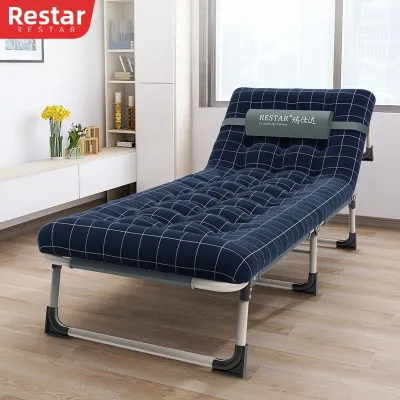

Prices are valid at publication and may change. Please refer to the product page for the latest price.
Finally, map out your daily traffic paths. Ensure that when the bed is fully extended, you still have enough clearance to open wardrobe doors, access the bathroom, and walk around the perimeter without squeezing through tight gaps. Identifying these spatial boundaries early prevents you from purchasing a frame that blocks essential pathways, windows, or air conditioning units.
Murphy Beds: Maximizing Daytime Floor Space
Murphy beds, also known as wall beds, offer the ultimate space-saving solution by folding vertically or horizontally into a cabinet when not in use. This mechanism completely frees up your floor area, transforming a bedroom into a spacious home office, yoga studio, or living room during the daytime. They are particularly popular in open-concept studio apartments where a visible bed can make the entire unit feel cluttered.
To use a Murphy bed safely, you must ensure there is ample floor clearance in front of the cabinet. The surrounding area must remain clear of heavy, non-movable furniture so the bed can lower smoothly to the floor without obstruction. You can choose between vertical models, which require higher ceilings but look like standard wardrobes, and horizontal models, which are ideal for low ceilings or narrow rooms.
Installation is the most critical phase of owning a Murphy bed. Because of the tension in the spring or gas-piston lifting mechanisms, the cabinet must be securely anchored to a load-bearing wall. This process typically requires professional assembly and drilling, which may require special permits from your condo administration. Attempting to mount a Murphy bed to a simple plasterboard wall can result in severe structural damage or injury.
The primary trade-offs of this style are the daily setup effort and the initial investment. You must secure the pillows and blankets with straps before folding the bed away, and the specialized hardware often carries a higher price tag and requires permanent wall modifications that may not be suitable for temporary living arrangements.
Loft Beds: Utilizing Vertical Space for Work or Storage
Loft beds elevate the sleeping platform high above the floor, effectively doubling your usable square footage by creating a functional “room beneath a room.” This design is highly popular in high-ceiling studio condos where floor space is at a premium. By moving the bed off the floor, you open up opportunities for a highly customized layout.
When planning for a loft bed, ceiling height is your primary constraint. You must verify that there is sufficient clearance between the top of the mattress and the ceiling so the sleeper can sit up comfortably without bumping their head. A good rule of thumb is to ensure at least 90 to 100 centimeters of headspace above the mattress surface.
The space underneath the elevated frame can be customized to suit your lifestyle. Many condo dwellers set up a dedicated home office with a desk and task lighting, while others install modular wardrobes, bookshelves, or a cozy seating area with a small sofa. This setup is particularly effective for remote workers who need a clear boundary between their workspace and sleeping area.
Safety and stability are paramount when sleeping elevated. You must check the manufacturer’s specified weight capacity limits and ensure the frame features robust guardrails and a secure, slip-resistant ladder or staircase. Regularly inspect the joints and bolts for any wobbling, as elevated frames are subject to lateral forces when you climb up and down. Choosing a model with a wider, angled ladder or built-in storage stairs can significantly improve safety and comfort.
Sofa Beds: Dual-Purpose Solutions for Studios or Guest Use
Sofa beds serve as the ultimate multi-functional furniture piece for open-plan studio apartments or units that frequently host overnight guests. During the day, they provide comfortable seating for lounging, watching television, or working, and at night, they transition into a sleeping surface. This dual-purpose nature eliminates the need for separate living and sleeping furniture.
Different folding mechanisms offer varying levels of convenience. Pull-out models feature a hidden frame that rolls out from beneath the cushions, while futons and click-clack designs allow the backrest to fold flat to align with the seat. Click-clack mechanisms are generally faster to operate but may require you to pull the entire sofa away from the wall before unfolding. Pull-out models often provide a more traditional mattress feel but contain more moving parts that require regular maintenance.
When evaluating a sofa bed for daily use, pay close attention to the mattress thickness and support structure. Occasional guest models may use thin foam pads over metal bars, which can cause discomfort over time, whereas daily-use models require thicker, high-density foam or pocket spring systems to support proper spinal alignment. In the tropical climate of the Philippines, look for breathable fabric covers like linen or cotton blends rather than synthetic leather, which can trap heat and feel uncomfortable during warm nights.
Always analyze the physical footprint of the unit in both configurations. A sofa bed might fit perfectly against your wall when folded, but it could completely block your balcony door, wardrobe access, or TV console once fully extended into a bed.
Storage Beds: Hidden Organization Without Structural Changes
Storage beds offer a practical compromise for condo owners who want to maximize their organization without altering their walls or climbing ladders. These frames maintain the traditional look of a standard bed while utilizing the often-wasted space directly beneath the mattress. They are an excellent option for those who prefer a classic bedroom aesthetic but struggle with limited closet space.
There are two primary types of storage bed mechanisms: hydraulic lift-up systems and pull-out drawers. Hydraulic systems lift the entire mattress platform to reveal a massive, undivided compartment underneath, while drawer-based systems feature sliding compartments built into the sides or foot of the bed. Drawer systems require ample floor clearance on either side of the bed to pull open fully, whereas hydraulic lifts operate entirely within the bed’s existing footprint, making them better suited for narrow rooms.
If you choose a hydraulic lift-up system, consider the weight of your mattress. The gas struts must be rated to match your mattress weight; a mattress that is too heavy will make lifting difficult, while one that is too light may cause the platform to pop up unexpectedly. It is also important to check the quality of the lifting handle and the frame’s internal lining to ensure your stored items remain dust-free.
These beds are ideal for storing bulky, infrequently used items such as extra bed linens, seasonal clothing, travel luggage, and storage boxes, keeping your bedroom clutter-free without taking up additional floor space. Because the storage is completely hidden, it helps maintain a clean, minimalist environment that makes small rooms feel larger.
Comparing Bed Types: Space Saved, Effort, and Budget
Choosing the right space-saving bed involves balancing your physical space constraints, your daily energy levels, and your financial plan. Different layouts, such as open-concept studios versus partitioned one-bedroom units, will naturally favor different designs.
To help you narrow down your options, the table below compares the four primary bed types across key decision factors.
| Bed Type | Floor Space Reclaimed | Daily Setup Effort | Installation Complexity | Relative Budget Tier |
|---|---|---|---|---|
| Murphy Bed | Maximum (Entire footprint) | High (Daily folding) | High (Wall anchoring required) | ₱₱₱ to ₱₱₱₱ |
| Loft Bed | High (Under-bed area) | Low (Climbing ladder) | Medium (Frame assembly) | ₱₱ to ₱₱₱ |
| Sofa Bed | Medium (Dual-use footprint) | Medium (Unfolding mechanism) | Low (Standard assembly) | ₱ to ₱₱₱ |
| Storage Bed | Low (Internal footprint only) | Low to Medium (Lifting/Drawers) | Low to Medium (Frame assembly) | ₱ to ₱₱ |
An open studio unit benefits most from a Murphy bed or a high-quality sofa bed, as these options allow you to completely hide the sleeping area when hosting guests. In contrast, a partitioned one-bedroom condo is often best served by a storage bed, which preserves the traditional bedroom aesthetic while solving the common issue of limited closet space. If you are renting, a storage bed or a freestanding loft bed is generally preferred over a Murphy bed to avoid landlord disputes over wall damage.
What to Check Before Buying a Space-Saving Bed Online
When searching for a high-quality kama bed for sale on online marketplaces or digital furniture stores, careful verification is your best defense against buyer’s remorse. Large furniture items are costly and difficult to return, making upfront checks essential.
First, cross-reference the manufacturer’s listed assembled dimensions with your physical room measurements, leaving a buffer of at least a few centimeters to account for baseboards or uneven walls. Read the seller’s delivery policy carefully to confirm if they offer in-unit delivery and assembly services, especially if you live on a high floor. Many online retailers only deliver to the building lobby, leaving you to carry heavy boxes up to your unit.
Second, examine the warranty terms closely, focusing specifically on moving parts. Hinges, hydraulic gas struts, spring coils, and folding brackets bear the brunt of daily wear and tear, so look for warranties that cover these mechanical components rather than just the wooden frame. A sturdy frame is of little use if the lifting mechanism fails after a few months of daily use.
Finally, verify mattress compatibility before finalizing your purchase. Many space-saving frames, particularly Murphy beds and sofa beds, have strict limits on mattress thickness and weight to ensure the folding mechanisms function correctly. Check whether the mattress is included in the sale or if you need to source a compatible model separately, and read customer reviews to assess the long-term durability of the joints and slats.
Frequently Asked Questions (FAQ)
Can I install a Murphy bed in a rented condo?
Installing a traditional wall-mounted Murphy bed in a rental unit can be challenging due to strict lease agreements. Because these beds require heavy-duty anchoring into concrete walls, you must obtain written permission from your landlord before drilling. If your landlord prohibits permanent modifications, look for freestanding Murphy bed alternatives. These units are designed as self-supporting cabinets that secure to the wall with minimal, easily patchable safety brackets, or utilize weighted bases to remain stable without deep wall drilling. This allows you to enjoy the benefits of a wall bed without risking your security deposit.
Do storage beds cause mold or moisture issues?
In the tropical, high-humidity climate of the Philippines, moisture accumulation under a bed is a common concern. Solid platform storage beds can trap humid air beneath the mattress, potentially leading to mold or mildew growth on your stored items. To prevent this, choose a storage bed with a slatted base that allows continuous airflow through the mattress. Additionally, place moisture-absorbing silica gel packets or dehumidifier tubs inside the storage compartments, and regularly air out the space by leaving the drawers or lift-up platform open on dry, sunny days.
What mattress thickness is best for a sofa bed?
The ideal mattress thickness for a sofa bed depends heavily on its folding mechanism. For pull-out sofa beds that fold the mattress into three sections, a thinner mattress—typically between 10 to 13 centimeters—is required to allow the frame to close completely. If you choose a click-clack or futon style where the seating cushions themselves form the bed, the thickness is usually greater, often ranging from 15 to 20 centimeters. Always check the manufacturer’s specifications, as using a mattress that is too thick can damage the folding mechanism, strain the hinges, and void your warranty.

Community discussion
Share your experience or ask a question. Comments are reviewed before publication.