
To maximize a small bedroom, your furniture must perform multiple roles without crowding the floor. Traditional nightstands often take up valuable space while offering nothing more than a flat top and a single drawer. Multi-functional bedside side tables solve this issue by combining storage, built-in charging ports, and adjustable surfaces into a single, compact unit. This integration allows you to eliminate separate power strips, reading desks, and bulky storage units, keeping your sleeping area organized and highly functional.
In modern urban living, particularly in high-density areas where studio apartments and condominiums feature tight footprints, selecting the right bedside side tables is crucial. The key is to find a piece that matches your specific daily routine—whether that involves working from bed, charging multiple devices overnight, or keeping books and personal items close at hand. By focusing on smart designs like C-shaped frames, vertical shelving, or wall-mounted units, you can optimize your limited square footage.
However, choosing a multi-functional table requires looking beyond aesthetics. Since these pieces often feature moving parts, electrical components, or cantilevered tops, you must carefully evaluate their stability, material quality, and safety features. This guide will walk you through the essential structural, electrical, and spatial factors to consider, helping you select a durable, space-saving table that perfectly fits your home and lifestyle.
Products mentioned in this guide
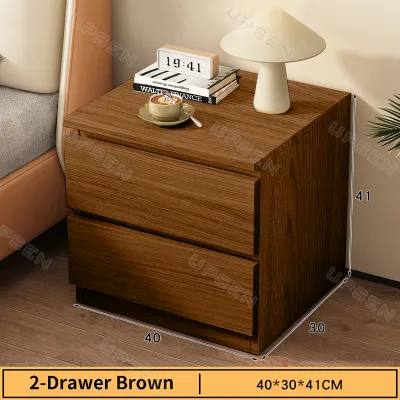
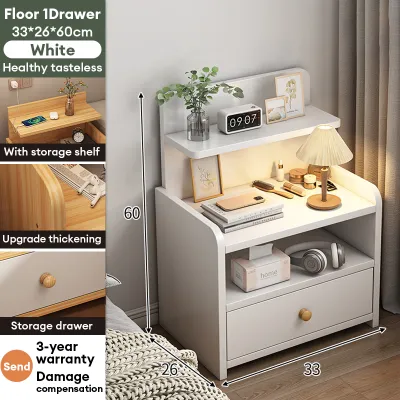
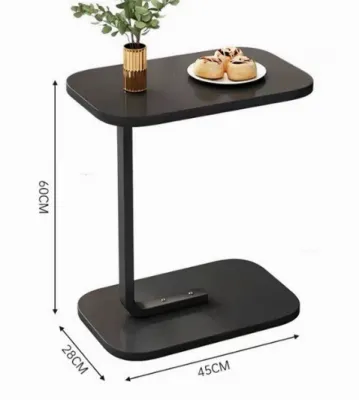
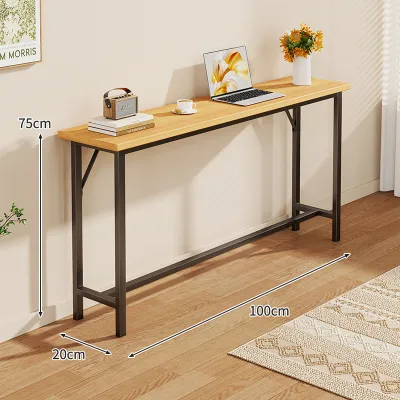
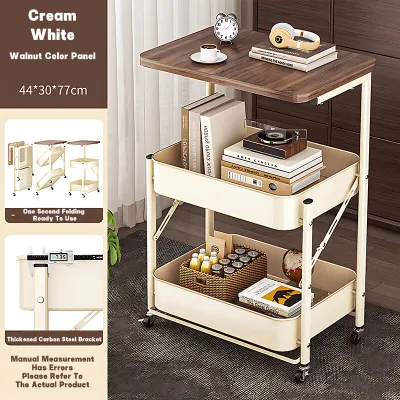
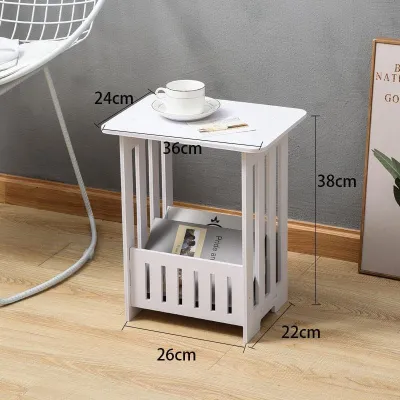
Prices are valid at publication and may change. Please refer to the product page for the latest price.
How to Evaluate Stability and Space Efficiency in Bedside Side Tables
When square footage is limited, a bedside table must balance its physical footprint with its actual utility. A table that is too small may not hold your essentials, while one that is too large will block pathways and make your bedroom feel cramped. To find the right balance, look for designs that utilize vertical space or feature bases that can slide under other furniture. The goal is to maximize the usable surface and storage volume without expanding the amount of floor space the piece occupies.
Weight capacity and structural stability are critical, especially for multi-functional tables with moving parts, extended arms, or uneven weight distribution. A table that wobbles when you type or tips over when you place a cup of water on the edge is a safety hazard. Always check the manufacturer’s specified load limits for both the main surface and any adjustable shelves or extended trays. If you plan to use a laptop on a swinging arm, ensure the base is heavy enough to counter the weight of the device when fully extended.
Before making a purchase, you must also verify the logistics of getting the furniture into your home. Check the assembly requirements, overall packaged dimensions, and the clearance of your doorways, hallways, and stairwells. This is particularly important for high-rise condominium residents who must navigate narrow service elevators and tight corridor turns. Opting for flat-packed furniture that can be assembled directly in the bedroom can save you from delivery headaches, provided the assembly instructions are clear and the necessary tools are included.
To ensure long-term durability, inspect the structural connections, joint hardware, and surface finishes rather than relying on generic material names like engineered wood or hardwood. Look for robust steel frames, heavy-duty cam locks, and reinforced joints that can withstand daily adjustments. In humid tropical climates, untreated wood or poorly sealed particleboard can warp, swell, or attract mold. Prioritize tables with water-resistant finishes, such as high-pressure laminates, melamine coatings, or powder-coated steel frames, which resist moisture and are easy to wipe clean.
Assessing Integrated Features: Charging Safety, Storage, and Adjustability
Built-In Charging Ports and Cable Management
Integrating electrical outlets and USB ports directly into bedside side tables offers incredible convenience, but it also introduces safety considerations. You must verify that the built-in power module is certified by relevant safety bodies and features built-in surge protection to safeguard your expensive electronics from power fluctuations. Look for clear safety labels on the power strip or wireless charging pad, indicating that the unit has been tested for overcurrent, overheating, and short-circuit prevention.

It is equally important to match the table’s charging specifications with your devices. Standard USB-A ports are suitable for older phones or smartwatches, but modern smartphones, tablets, and laptops often require high-speed USB-C Power Delivery (PD) ports with higher wattage outputs. If the table features a wireless charging pad, check its compatibility with your phone model and ensure it is positioned in a way that prevents your device from sliding off overnight.
Cable management is another critical aspect of a safe and tidy bedside setup. Look for tables with integrated cable channels, grommets, or hidden compartments that keep power cords neatly routed and out of sight. In high-humidity environments, loose and tangled wires are not just a visual clutter; they can trap dust and moisture, leading to faster wire degradation or tripping hazards. A well-designed table will route the main power cord cleanly from the base to the nearest wall outlet, keeping your bedside safe and organized.
Storage Configurations and Space Efficiency
The way a bedside table organizes its storage determines how clean and spacious your bedroom looks. Open shelving provides quick access to items like books, glasses, or decorative pieces, but it also exposes them to dust and can look cluttered if not organized carefully. Drawers and hidden compartments, on the other hand, keep your personal items out of sight and protected from dust, which is a major advantage in busy urban environments. A smart combination of both open and closed storage often provides the best balance of accessibility and neatness.
When evaluating drawers, pay close attention to the slide mechanisms and joint hardware. Low-quality drawers with simple wooden grooves can stick, squeak, or become misaligned over time, especially when exposed to seasonal humidity changes. Look for drawers equipped with smooth-gliding, ball-bearing metal slides that operate quietly and feature built-in stops to prevent the drawer from being pulled out completely. Inspect the drawer corners to ensure they are joined securely with dowels or screws rather than simple glue.
Finally, compare the internal dimensions of the storage spaces with the items you actually plan to store. A drawer that is too shallow won’t fit a thick book or a box of tissues, while one that is too deep might result in wasted vertical space. Measure your daily essentials—such as tablets, e-readers, medication bottles, and journals—and ensure the storage compartments can accommodate them comfortably. This ensures you get maximum utility out of the table’s existing footprint without needing to buy a larger, bulkier piece of furniture.
Adjustable and Movable Mechanisms
Bedside side tables with adjustable height or tilting surfaces offer great versatility, allowing you to transition from a resting position to a comfortable workspace in seconds. If you are looking at tables with these features, inspect the locking mechanisms to ensure they hold the surface firmly in place without slipping under pressure. For tables utilizing gas lift cylinders, verify that the mechanism operates smoothly and can handle the weight of your devices without slowly sinking over time. Wobble tolerance at maximum height extension is a key indicator of quality; a sturdy table should have minimal lateral movement.
The design of the base is what keeps an adjustable table stable when its surface is extended over your bed. C-shaped bases are highly popular because they allow the support legs to slide under the bed frame, bringing the tabletop closer to you while keeping the center of gravity secure. If the table has wheels or casters for mobility, ensure at least two of them have reliable locking brakes to prevent the table from rolling away while you are typing or resting a drink on it. A weighted bottom plate is also excellent for preventing top-heavy tipping.
Before buying, always cross-reference the table’s adjustable height range with the height of your bed frame and the thickness of your mattress. If the table’s minimum height is higher than your mattress, it will be uncomfortable to reach from a lying position. Conversely, if its maximum height is too low, you won’t be able to clear your knees comfortably when sitting up. Measuring these heights beforehand ensures the table’s mechanical adjustments align perfectly with your physical setup.
Recommended Space-Saving Designs and Their Ideal Use Cases
C-Shaped and Slide-Under Tables
- Ideal for: Sliding the base over the bed edge or under low-clearance furniture to minimize floor space usage.
- Limitations: Typically have a lower weight capacity on the overhang; requires precise measurement of bed frame clearance and floor obstructions.
- Buying tip: Check the base thickness and ensure it can slide under the specific bed frame or rug without catching.
C-shaped bedside side tables are specifically engineered to maximize floor space by utilizing the empty area beneath your bed frame or sofa. The unique, open-sided frame allows the base to slide completely under the furniture, bringing the tabletop directly over your mattress or lap. This design is ideal for extremely small bedrooms where there is no space between the bed and the wall, as it allows you to have a functional surface without needing dedicated floor space next to the bed.
However, C-shaped tables do have structural limitations. Because the top surface is cantilevered over the base, they generally have a lower weight capacity on the outer edge compared to traditional four-legged tables. To ensure a good fit, you must measure the clearance under your bed frame and the height of any floor obstructions, such as rug edges or bed legs. Look for models with thin, flat steel bases that can slide easily under low-clearance frames without catching or scratching your floors.
Vertical Tiered and Drawer-Integrated Tables
- Ideal for: Maximizing vertical storage footprint without increasing the floor area, keeping essentials within arm's reach.
- Limitations: Can feel bulky if the depth is too large; top-heavy designs require strict adherence to weight limits to prevent tipping.
- Buying tip: Verify the center of gravity and ensure the bottom tier is wide or heavy enough to anchor the unit securely.
For those who need substantial storage but have limited floor area, vertical tiered tables are an excellent solution. These designs stack multiple shelves, drawers, or cubbies vertically, taking advantage of unused wall space above the floor footprint. This setup allows you to keep a wide variety of items—from books and electronics to personal care products—neatly organized and within arm’s reach without requiring a wide, bulky nightstand.
The main limitation of highly vertical designs is that they can look visually heavy in a small room if they are too deep or completely enclosed. Additionally, if you place heavy items on the top shelves, the table can become top-heavy and prone to tipping. To avoid this, look for tables with a wider or heavier bottom tier to secure the center of gravity. When organizing your items, always place heavier objects, like stacks of books, on the lower shelves and reserve the top for lighter essentials.
Wall-Mounted and Fold-Down Alternatives
- Ideal for: Extremely tight spaces where complete floor clearance is needed for cleaning or movement.
- Limitations: Requires secure wall anchoring; fixed height unless specifically designed with adjustable brackets.
- Buying tip: Verify your wall material (e.g., concrete vs. drywall) and check if the necessary heavy-duty anchors are included or must be sourced separately.
Wall-mounted bedside tables offer the ultimate space-saving solution by completely freeing up the floor beneath them. This open floor space not only makes a small room feel larger and less cluttered, but it also makes sweeping, vacuuming, and mopping much easier. Some wall-mounted models even feature fold-down surfaces that can be tucked flat against the wall when not in use, providing a temporary workspace that disappears when your day is done.
The primary limitation of wall-mounted tables is that they require permanent installation and cannot be easily moved around the room. Their safety and weight capacity depend entirely on the quality of the wall anchoring and the structural backing of your wall. For instance, mounting a table on a solid concrete wall or brick wall is highly secure, whereas mounting on a hollow drywall partition requires locating the wooden or metal studs or using specialized heavy-duty toggle bolts. Always check if the manufacturer includes the appropriate wall anchors for your specific wall type before starting installation.
Pre-Purchase Checklist: Measuring Your Space and Verifying Specs
To ensure your new multi-functional bedside table fits seamlessly into your room and lifestyle, follow this step-by-step pre-purchase checklist:
- Measure Floor Footprint and Clearances: Use a physical measuring tape to map out the exact floor space where the table will sit. Measure the height of your bed frame, the thickness of your mattress, and the clearance height under the bed frame to ensure C-shaped bases or slide-under mechanisms can fit without obstruction.
- Check Electrical Proximity: Locate the nearest wall outlet and measure the distance to where the table will be placed. Ensure the table's integrated power cord is long enough to reach the outlet safely without stretching. Avoid using daisy-chained extension cords or running cables under rugs, as this poses a fire and tripping hazard.
- Inspect Material and Care Requirements: In humid climates, choose materials that resist moisture and warping. Check if the table has a protective finish, such as powder-coated steel or water-resistant laminate. Review the manufacturer's care instructions to ensure the surfaces can be easily cleaned with a damp cloth without damaging the finish.
- Verify Warranty and Return Policies: Since multi-functional tables contain electrical components (like USB ports and wireless chargers) and mechanical parts (like gas lifts or drawer slides), check the warranty coverage details. Ensure the manufacturer offers a clear return policy and reliable customer support in case any electronic or mechanical parts arrive damaged or fail during early use.
Frequently Asked Questions (FAQ)
Can I use a bedside side table with built-in charging for high-wattage laptops?
Whether you can charge a laptop depends entirely on the rated power output of the table’s integrated USB ports or built-in power outlets. Many bedside side tables feature standard USB ports designed only for low-draw devices like smartphones or smartwatches, which typically output between 5W and 12W. To charge a high-wattage laptop via USB-C, the port must support Power Delivery (PD) and match your laptop’s required wattage, which is often 45W, 65W, or higher. If the table does not have a high-wattage USB-C PD port, you must plug your laptop’s dedicated power brick directly into one of the table’s built-in AC outlets instead. Always check the manufacturer’s maximum load specifications for the integrated power module and avoid daisy-chaining multiple high-draw appliances to prevent overheating.
How do I prevent a C-shaped bedside table from tipping over?
To keep a C-shaped bedside table stable, you must manage its weight distribution and ensure it is positioned correctly. Always place heavier items, such as large books or heavy water bottles, on the lower shelves or as close to the main support leg as possible, rather than on the outer edge of the cantilevered top. When using the table, make sure the base is fully slid under your bed frame or sofa; this physical overlap uses the weight of the larger furniture to anchor the table’s base and prevents it from tipping forward when you apply pressure to the top. Additionally, check that the adjustable feet or casters are adjusted evenly so the table sits completely flat on the floor without rocking.
Are wall-mounted bedside tables safe for drywall partitions?
Wall-mounted bedside tables can be safely installed on drywall partitions, but their stability depends entirely on using the correct anchoring hardware and mounting methods. Standard plastic drywall plugs are generally insufficient for holding furniture and can pull out under load, causing damage to your wall and your belongings. For a secure installation, you should use a stud finder to locate the wooden or metal studs behind the drywall and screw the mounting brackets directly into them. If a stud is not available where you want to place the table, you must use heavy-duty steel toggle bolts or hollow-wall anchors that expand behind the drywall to distribute the weight. Always adhere strictly to the manufacturer’s maximum weight limits and avoid placing heavy loads or leaning on wall-mounted units.
Community discussion
Share your experience or ask a question. Comments are reviewed before publication.