
Finding the right book shelves organizer for a compact home or condo in the Philippines requires balancing storage capacity, floor space, and structural durability. In high-density urban areas like Metro Manila, Cebu, or Davao, residential units often feature limited floor plans where every square inch counts. To maximize these tight layouts, the ideal book shelves organizer must utilize vertical space, fit into underused corners, or offer modular flexibility, all while resisting the challenges of a tropical, highly humid climate.
Selecting the perfect setup is not just about aesthetics; it is about understanding your room’s physical boundaries and your collection’s weight. By focusing on smart designs—such as wall-mounted shelves, corner units, stackable cubes, and slim rolling carts—you can turn cluttered piles of books into an organized, visually appealing display without crowding your living area.
How to Evaluate Book Organizers for Compact Rooms
Before purchasing any book shelves organizer, you must carefully assess how a potential unit will interact with your specific room layout. A common mistake is buying a shelf based solely on catalog photos, only to find that it overwhelms the room or fails to accommodate your actual book collection.
Products mentioned in this guide
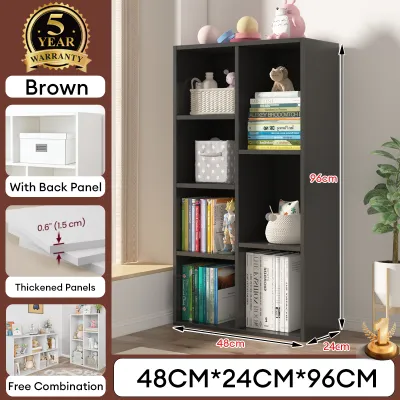
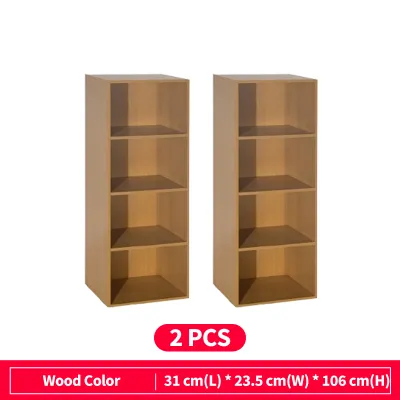
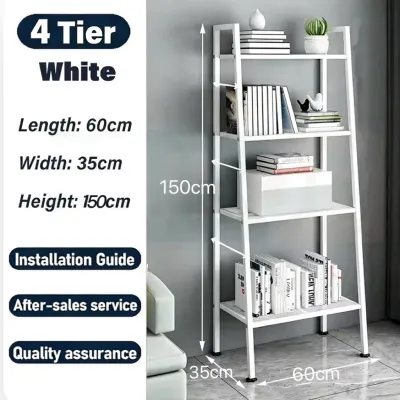
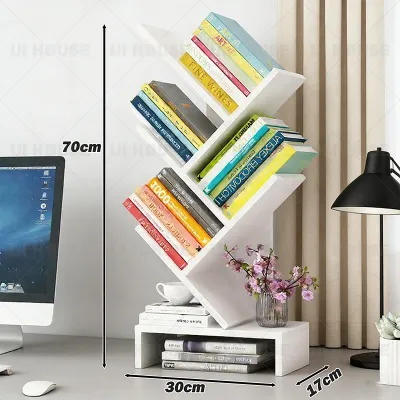
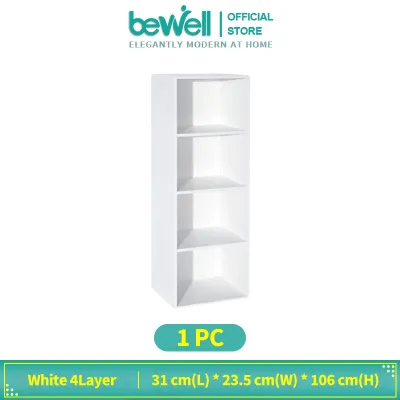
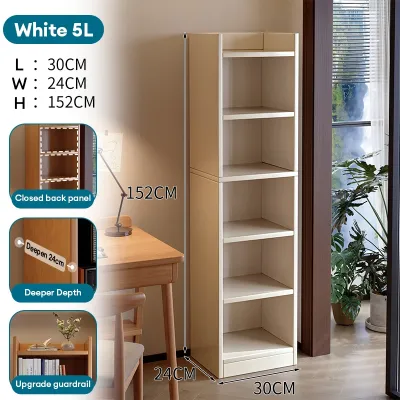
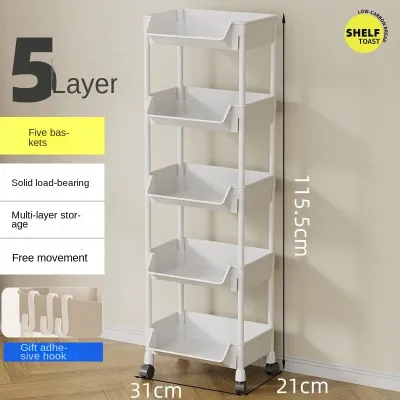
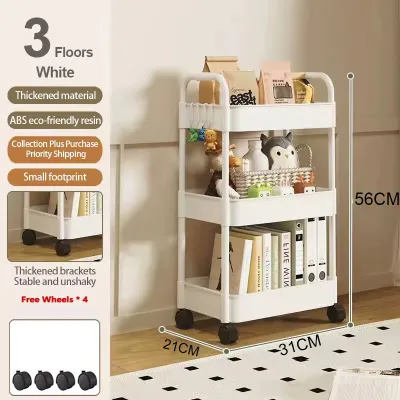
Prices are valid at publication and may change. Please refer to the product page for the latest price.
Footprint vs. Storage Capacity To make an informed decision, compare the physical footprint of the organizer—the exact amount of floor space it covers—with its usable shelf volume. In a small room, you want to minimize the footprint while maximizing horizontal or vertical shelf run. Measure your available floor area down to the centimeter, keeping in mind that even a few extra inches of depth can turn a comfortable walkway into a cramped bottleneck.
Vertical vs. Horizontal Expansion Analyze your walls to decide whether to expand upward or outward. Tall, narrow units utilize vertical space that otherwise goes unused, making them excellent for high-ceilinged spaces. Conversely, low-profile horizontal consoles work better under windows or along low walls, offering a surface that can double as a media console or desk extension. Always check your ceiling height and any wall obstructions, such as air conditioning units, light switches, or window frames, before choosing a direction.
Weight Capacity and Structural Integrity Books are deceptively heavy, especially dense academic textbooks, reference manuals, and hardcovers. Before buying, verify the manufacturer’s specified load capacity per shelf, which is often listed in kilograms. A shelf that sags under pressure not only looks unsightly but also poses a safety risk. Look for units with reinforced supports or thicker shelf boards if you plan to store heavy volumes.
Assembly and Access In many Philippine condominiums and apartments, narrow hallways, tight stairwells, and small elevator cabins can make delivery a major challenge. Always check the packaged dimensions of the organizer to ensure it can clear these entry barriers. Additionally, evaluate the assembly requirements; in a small room, you need enough open floor space to lay out parts and safely assemble the unit. If space is incredibly tight, look for flat-packed furniture that can be assembled directly in its designated spot.
Top Space-Saving Book Shelves Organizer Types for Small Layouts
Different room layouts require different structural solutions. Understanding the distinct categories of compact organizers allows you to choose a style that matches your architectural constraints and storage needs.

Floating and Wall-Mounted Shelves
Wall-mounted shelves are the ultimate floor-saving solution because they completely eliminate the need for a ground-level footprint. By elevating your book collection, you keep your walkways completely clear, making your room feel larger and allowing for easier floor cleaning.
These shelves are particularly useful in narrow walkways, in the tight space above a study desk, or directly over a bed headboard. However, their safety and load capacity depend heavily on proper installation. In the Philippines, most residential walls are made of solid concrete, hollow concrete blocks, or drywall. You must verify your wall type and use the correct wall plugs or anchors; mounting heavy books onto drywall without locating studs or using heavy-duty hollow-wall anchors can result in structural failure.
To keep a small room from looking cluttered, avoid packing wall shelves completely solid from end to end. Instead, mix your books with small decorative items, plants, or open spaces. This creates a lighter visual profile that prevents the wall from feeling like it is closing in on the room.
Corner and Tiered Shelving Units
Corners are often completely wasted in small home layouts, yet they present an excellent opportunity for high-density storage. Corner book shelves organizer units are specifically engineered with triangular or L-shaped footprints to slide neatly into these neglected angles, providing deep storage without obstructing the main flow of the room.
Tiered or stepped designs, which are wider at the bottom and narrower at the top, are also highly effective. These units improve visibility and physical access to your books, as the lower shelves extend further out while the upper shelves remain recessed. This shape prevents the organizer from casting deep shadows over your collection, making it easier to read titles at a glance.
Before purchasing a corner unit, measure your corner angles carefully. Older buildings or quickly constructed condos may not have perfectly square 90-degree corners. Additionally, check for baseboard clearances; thick baseboards can prevent a freestanding corner shelf from sitting flush against the wall, which can compromise its stability.
Stackable Cubes and Modular Grids
If you anticipate your book collection growing over time, or if you rent and move frequently, modular systems offer unmatched flexibility. Stackable wooden cubes or interlocking wire grids allow you to customize your storage configuration to fit your changing space.
One major advantage of modular cube systems is the ability to mix open book storage with closed bins. You can slide fabric, plastic, or woven rattan baskets into some of the cubes to hide loose papers, chargers, and office supplies, while keeping your favorite books on display in the open slots. This dual-purpose design is highly effective at reducing visual clutter in multi-functional spaces.
When configuring a modular system, you must start with a solid, level base. If you stack units vertically, always verify the stability of the interlocking pins, brackets, or clips provided by the manufacturer. Never stack modular units higher than the manufacturer recommends, and always secure taller configurations to the wall to prevent accidental tipping.
Rolling Carts and Slim Slide-Out Towers
For ultra-constrained areas where traditional furniture cannot fit, mobile and slim-profile organizers are highly practical. Slim slide-out towers, often measuring only 4 to 6 inches wide, are designed to slide into the narrow gaps between a wardrobe and a wall, or beside a desk.
Rolling utility carts with multiple tiers offer another versatile option. They can be tucked away under a desk or window sill and rolled out only when you need to access your books. This mobility is incredibly convenient for multi-purpose rooms, allowing you to move your study materials from your bedside to your workspace with ease.
When selecting a rolling cart, look for high-quality casters that glide smoothly over your flooring, whether you have tiles, laminate, or wood. Ensure at least two of the wheels have reliable locking mechanisms to keep the cart stable when parked. Always perform a quick stability check: place heavier books on the bottom tray of the cart to keep the center of gravity low, preventing the cart from tipping when you roll it across the room.
Layout Strategies to Maximize Storage in Condos
Having the right book shelves organizer is only half the battle; how you position it within your room determines its ultimate utility. Implementing smart layout strategies ensures your storage solutions enhance, rather than hinder, your daily living experience.
Clearance and Flow Your primary layout goal should be maintaining comfortable walkways. Ensure that any floor-standing shelf leaves at least 60 to 70 centimeters of clearance so you can walk past without bumping into it. Pay close attention to door swings, wardrobe doors, and cabinet drawers; a shelf placed too close can block these doors from opening fully, creating daily frustration.
Dead Space Utilization Look closely at your room to identify “dead space” that is typically ignored. The area above door frames is an excellent spot for a long, single floating shelf. The space underneath a staircase, the blank wall space next to a window, or even the side of a large wardrobe can accommodate slim or custom-fitted shelving. Utilizing these zones allows you to store hundreds of books without sacrificing any usable floor space.
Visual Alignment In a small room, visual clutter can make a space feel chaotic and cramped. To combat this, align the top edge of your bookshelves with existing architectural lines, such as window sills, door frames, or the top of a nearby wardrobe. Keeping these horizontal lines consistent creates a sense of order and architectural continuity, making the room feel more cohesive and spacious.
Lighting Considerations Deep bookshelves or units tucked into dark corners can make it difficult to read book spines, and they can also make a small room feel dim. Avoid placing tall shelves where they block natural light from your windows. To brighten up dark shelves, consider installing slim, battery-operated LED puck lights or adhesive LED strip lights underneath the shelves. This not only makes finding your books easier but also adds a warm, premium ambiance to your study area.
Material and Stability Checks for Humid Climates
The tropical climate of the Philippines, characterized by high relative humidity and intense wet seasons, demands careful material selection. Standard furniture materials can degrade quickly if they are not properly treated or maintained.
Moisture and Finish Verification High humidity can cause untreated wood, low-grade particleboard, and medium-density fiberboard (MDF) to absorb moisture from the air, leading to warping, swelling, and mold growth. Rather than assuming a material is naturally resistant, check the manufacturer’s specifications for sealed edges, high-pressure laminates (HPL), or polyurethane protective coatings. These finishes act as a barrier, preventing moisture from penetrating the core material.
Joint and Hardware Inspection Moisture can also compromise the structural joints of your shelves. Inspect the connection hardware used in the organizer. Metal brackets, reinforced dowels, and heavy-duty screws generally offer far better long-term stability than basic plastic cam locks, which can loosen or crack over time when exposed to temperature and humidity fluctuations. If the unit uses metal frames, verify that the metal is powder-coated or treated with a rust-resistant finish to prevent corrosion.
Anti-Tip and Safety Features Because small rooms often require tall, narrow shelving units to maximize vertical space, safety is a paramount concern. Tall units have a high center of gravity, making them susceptible to tipping if bumped or during minor seismic activity, which is a realistic consideration in the Philippines. Always verify that a tall freestanding shelf includes an anti-tip wall-anchoring kit. Inspect the quality of the brackets and straps provided; if they appear flimsy, purchase heavy-duty replacement hardware from a local hardware store.
Surface Maintenance To preserve your book shelves organizer, establish a regular maintenance routine. Wipe down the surfaces with a dry or slightly damp microfiber cloth; avoid using soaking wet cloths, which can leave standing water in the joints and cause swelling. If you spot any signs of mold or mildew, clean the area immediately with a mild, non-abrasive disinfectant recommended by the manufacturer, and ensure the room is well-ventilated to let the surfaces dry completely.
Safe Installation and Weight Distribution Rules
Proper installation and loading are critical to ensuring your book shelves organizer remains safe and functional throughout its lifespan. Following basic structural rules prevents costly damage to your books, walls, and floors.
Wall Anchoring Protocols When securing floating shelves or tall bookcases to a wall, you must match your mounting hardware to the wall material. For solid concrete or concrete block walls common in Philippine homes, you will need a masonry drill bit, plastic wall plugs (tox), and sturdy screws. If you are mounting onto drywall, you must use specialized toggle bolts or hollow-wall anchors, or screw directly into the vertical metal studs behind the drywall. If you are unsure of your wall’s composition or do not have the proper tools, stop and consult a qualified local handyman or professional installer.
Weight Distribution Always load your shelves from the bottom up. Place your heaviest items—such as encyclopedias, heavy binders, thick textbooks, and large hardcovers—on the lowest shelves. This lowers the overall center of gravity of the unit, making it significantly more stable and less likely to tip forward. Reserve the upper shelves for lighter paperbacks, decorative items, and smaller notebooks.
Shelf Sag Prevention Over time, shelves can begin to bow or sag under a continuous load, a phenomenon known as “creep.” This is especially common with long spans of particleboard or thin MDF. To prevent this, avoid overloading individual shelves beyond their rated capacity. As a general rule, a standard 3/4-inch thick particleboard shelf should not span more than 30 inches (about 76 centimeters) without intermediate support if it is holding heavy books. If you notice any bowing, redistribute the weight immediately or add support brackets.
Routine Safety Checks Your home is a dynamic environment; daily activity, foot traffic, and even minor vibrations can cause screws and wall anchors to loosen over time. Make it a habit to perform a quick safety check every six months. Gently wiggle your freestanding bookshelves to ensure they are still firmly anchored to the wall, and use a screwdriver to tighten any loose joints or brackets on your wall-mounted shelves.
Frequently Asked Questions (FAQ)
How do I prevent tall bookshelves from tipping over in a small room?
To prevent tipping, you must secure the top of the bookshelf directly to the wall using an anti-tip kit. This kit typically consists of metal brackets or heavy-duty nylon straps anchored into both the back of the furniture and the wall. For concrete walls, use masonry wall plugs (tox) and screws; for drywall, secure the brackets into the wall studs or use heavy-duty toggle bolts. Avoid placing heavy items on top shelves, as this raises the center of gravity.
Can I use tension pole shelves for heavy textbooks?
Tension pole shelving systems are generally not recommended for heavy textbooks or dense academic volumes. These systems rely on vertical pressure between your floor and ceiling to stay in place, and their weight capacities are typically much lower than anchored wall shelves or solid freestanding units. If you do use a tension system, limit its contents to light paperbacks, magazines, and lightweight decorative items, and regularly check the tension to ensure it has not loosened.
What is the best way to dust and maintain books on open shelves in humid weather?
To maintain books on open shelves in humid weather, dust them weekly with a dry microfiber cloth or a soft-bristled brush to prevent dust from binding with moisture. Ensure your room has adequate ventilation; using a dehumidifier or keeping a ceiling fan running on low can significantly reduce moisture buildup. Periodically pull the books slightly forward from the back of the shelf to allow air to circulate behind them, which helps prevent musty odors and mold.
Community discussion
Share your experience or ask a question. Comments are reviewed before publication.