
Quick Answer: Core Features for Compact Bedrooms
To maximize a small bedroom, a minimalist dressing table must prioritize four essential features: a shallow physical footprint, concealed storage solutions, multi-functional utility, and a visually light profile. In compact living spaces, minimalism is not just an aesthetic choice; it is a practical strategy to reduce visual clutter while preserving daily functionality. The ideal vanity setup must integrate seamlessly into your room’s existing traffic flow, allowing you to move freely without obstructing access to your bed, wardrobe, or doorways.
Selecting the right piece requires balancing compact dimensions with smart storage. A successful layout ensures that your daily grooming routine remains comfortable and organized, even when floor space is highly limited. By focusing on streamlined designs that serve multiple purposes, you can create a dedicated personal care station that enhances, rather than cramps, your bedroom sanctuary.
Measuring Your Space: Dimensions, Clearances, and Pathways
Before browsing designs, you must establish the precise physical boundaries of your bedroom. In many modern homes and condominiums, floor space is highly optimized, meaning a discrepancy of just a few centimeters can make a room feel cramped or block essential pathways.
Products mentioned in this guide
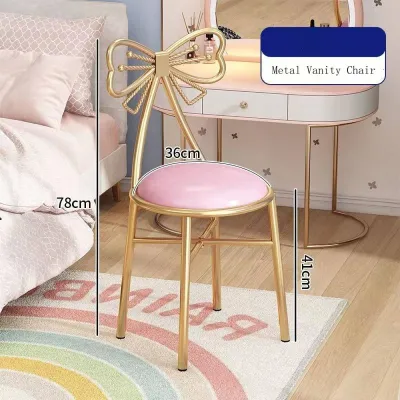
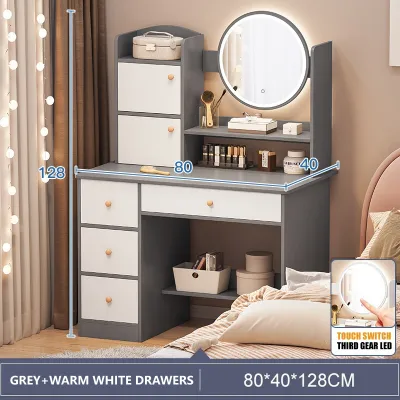
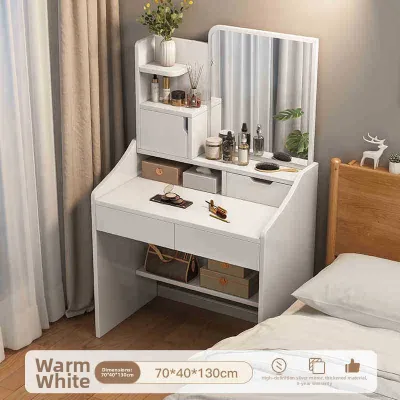
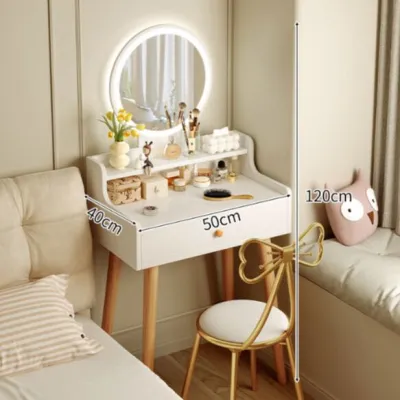
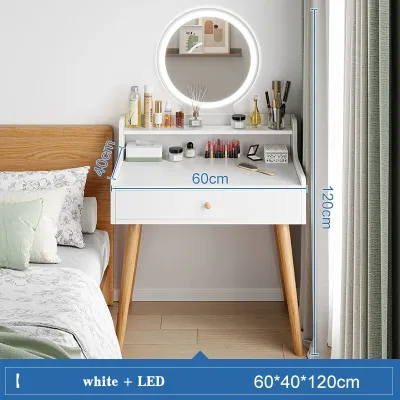
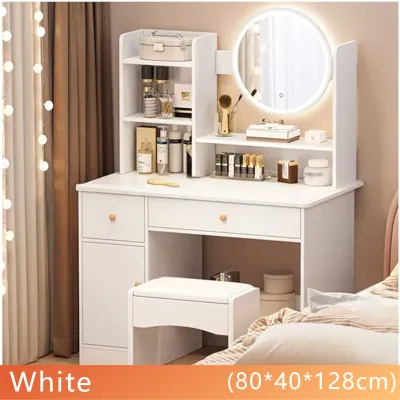
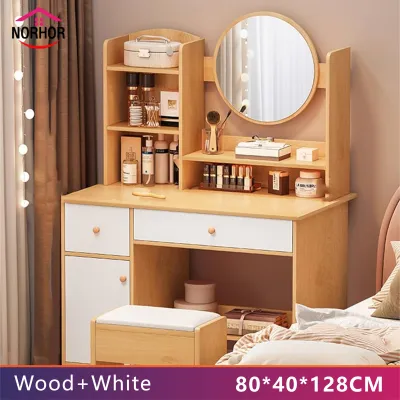
Prices are valid at publication and may change. Please refer to the product page for the latest price.

Standard Footprint Dimensions
- Width: Compact minimalist dressing tables typically range from 60 to 90 centimeters in width. A 60-centimeter table is ideal for tight corners, while a 90-centimeter surface offers a more generous workspace without overwhelming a small room.
- Depth: Standard desks often require a depth of 60 centimeters or more, but a space-saving vanity should measure between 35 and 45 centimeters in depth. This shallow profile keeps the table flush against the wall, preserving valuable floor space in narrow rooms.
Seating Clearances and Ergonomics To use a dressing table comfortably, you must calculate the clearance required for your chair or stool. Sitting down, rising, and pulling out a seat typically requires a clearance zone of 60 to 80 centimeters behind the edge of the table. If your bedroom layout is exceptionally tight, opt for a backless stool that can be tucked completely underneath the table frame when not in use, effectively reducing the active footprint to zero during non-use hours.
Door Swings and Traffic Flow Map out the swing paths of all doors in the immediate vicinity, including the entry door, built-in wardrobe doors, and bathroom access. A dressing table placed within a door’s swing radius creates a high risk of collisions and structural damage. Maintain a clear walking pathway of at least 60 centimeters between the edge of the vanity setup and adjacent furniture, such as the bed frame, to ensure comfortable movement throughout the day.
Vertical Space and Overhead Obstructions Do not overlook the vertical dimensions of your selected wall. Measure the height of existing wall switches, electrical outlets, and air conditioning units. If you plan to install a tall, narrow storage unit or a large wall-mounted mirror, ensure it does not block access to these fixtures or sit directly in the path of condensation drips from overhead cooling systems.
Essential Design Features for Small-Space Minimalism
Achieving a clean, minimalist look in a small bedroom requires furniture that works actively to control clutter. The design features you prioritize should focus on hiding daily essentials while maintaining a sleek, unobtrusive presence.
Concealed Storage and Clutter Control
A true minimalist setup relies on keeping everyday clutter behind clean lines, rather than leaving surfaces entirely empty and impractical. Look for dressing tables that feature drawers with built-in internal dividers, which allow you to organize cosmetics, skincare bottles, and jewelry without needing additional tabletop storage bins.
Flip-top compartments are highly effective for small spaces; these designs feature a central tabletop section that lifts up to reveal a mirror on the underside and a deep storage well below. When you finish your routine, simply lower the lid to instantly hide your items and restore a clean, flat surface. Additionally, prioritize models with integrated cable management holes or hidden power strip compartments. These channels allow you to route cords for hair dryers, straighteners, and illuminated mirrors directly to the outlet, preventing a tangled mess of wires from disrupting your visual space.
Multi-Functional and Convertible Designs
In a compact bedroom, furniture must often perform double duty to justify its physical footprint. Dual-purpose desks that convert into vanities are excellent solutions for remote workers or students. A lift-top vanity functions as a smooth, flat writing desk for your laptop during the day and transforms into a fully equipped grooming station once the lid is raised.
Wall-mounted floating vanities are another exceptional option for maximizing floor space. By eliminating legs entirely, floating tables create an open, airy feel and make floor cleaning much easier. These units allow you to store your stool, laundry basket, or small storage bins directly underneath the table frame.
For the ultimate space-saving setup, consider a fold-down wall cabinet. These ultra-slim units mount flat against the wall, opening downward to provide a temporary shelf and mirror, then folding back up into a profile of less than 15 centimeters deep. When selecting floating or convertible designs, always verify the manufacturer’s specified weight limits and installation requirements to ensure long-term stability and structural safety.
Visual Lightness and Proportions
The visual weight of a piece of furniture determines how large it feels within a room, regardless of its actual physical dimensions. To keep a small bedroom feeling open and spacious, select dressing tables with slim profiles and raised, slender legs. Tapered wooden or metal legs allow light to pass underneath the piece, creating the illusion of a larger floor area.
Avoid bulky, solid-block designs, heavy drawers that extend all the way to the floor, or ornate decorative carvings that draw too much attention. Selecting a table finish that closely matches your bedroom wall color—such as matte white, soft cream, or light natural oak against light-colored walls—helps the furniture blend seamlessly into the background. Reflective accents, such as a frameless mirror or subtle glass elements, can also help bounce light around the room, further enhancing the sense of openness.
Material and Finish Checks for Humid Environments
The tropical climate of the Philippines, characterized by high humidity and seasonal temperature shifts, demands careful attention to furniture materials and finishes. Selecting the wrong material can lead to warping, swelling, and cosmetic degradation within a few seasons.
Engineered Wood and Edge Banding Medium-Density Fibreboard (MDF) and particleboard are widely used in modern minimalist furniture due to their smooth surfaces and affordability. However, these materials are highly vulnerable to moisture. If you select an engineered wood dressing table, inspect the quality of the edge banding. Ensure the laminate or veneer edges are completely sealed with high-quality, heat-activated adhesive to prevent humid air or liquid cosmetic spills from penetrating the inner core and causing the material to swell and peel.
Solid Wood and Protective Sealants Solid wood options, such as rubberwood, acacia, or treated mahogany, offer superior durability and structural integrity. When purchasing solid wood, verify that the manufacturer has applied a protective moisture-resistant sealant, such as a polyurethane or lacquer topcoat. This barrier prevents the wood from absorbing atmospheric moisture during the rainy season and drying out during the hotter months, which can cause the joints to loosen or warp.
Metal, Glass, and Surface Care If your minimalist design features metal legs or frames, confirm that they have a rust-resistant powder coating to protect against corrosion in humid environments. Glass tabletops are highly practical for vanity setups because they are non-porous, impervious to moisture, and exceptionally easy to wipe clean of cosmetic powders, oils, and liquid foundation.
To preserve the finish of your dressing table, always follow the manufacturer’s specific care instructions. Avoid placing the furniture in direct, harsh sunlight near windows, as UV rays can fade wood stains and crack laminates. Additionally, ensure the table is positioned away from direct air conditioning drafts to prevent localized condensation from pooling on the surfaces.
Common Sizing and Placement Mistakes to Avoid
To ensure your minimalist dressing table is a functional asset rather than a daily frustration, avoid several common spatial and logistical pitfalls during the selection process.
- Choosing Excessive Depth: Purchasing a table that is too deep is a frequent error. A vanity that projects too far into the room narrows the walking path alongside the bed, forcing you to squeeze past it daily and disrupting the peaceful flow of your bedroom.
- Neglecting Mirror Angles and Reflections: Placing your vanity mirror directly opposite a window can cause severe glare, making it difficult to see your reflection. Conversely, positioning it where it directly reflects a cluttered closet corner, an open bathroom, or your bed can create unwanted visual noise and disrupt your sleep environment. Aim to position the mirror perpendicular to natural light sources for soft, even illumination.
- Ignoring the Delivery Route: Before finalizing your purchase, measure the entire delivery path. Ensure that pre-assembled pieces or large flat-packs can easily clear your condominium's elevator doors, narrow stairwells, tight hallway corners, and entry door frames. A table that fits your bedroom wall is of no use if it cannot be transported into your home.
- Overlooking Lighting Requirements: A vanity setup requires balanced lighting to be functional. Placing your dressing table in a dark, unlit corner without access to an electrical outlet for a lamp or illuminated mirror defeats its primary purpose, forcing you to apply makeup or groom in poor visibility.
Frequently Asked Questions (FAQ)
Can I install a floating dressing table on any wall?
No, floating dressing tables require secure structural anchoring to prevent sagging or wall damage. They must be mounted directly into solid concrete walls, brickwork, or onto the wooden or metal studs behind plasterboard. Avoid mounting a floating vanity onto hollow drywall or thin fiber cement boards without proper reinforcing studs and heavy-duty toggle bolts, as these materials cannot support the weight of the table and daily use.
What is the best mirror shape for a small minimalist vanity?
Round or oval mirrors are highly recommended for small spaces because their soft, curved edges break up the rigid, sharp lines of minimalist furniture, making the room feel more relaxed. Alternatively, a frameless rectangular mirror provides a clean, modern look that maximizes the reflective surface area without adding unnecessary visual weight or frame bulk. Ensure the mirror’s width does not exceed the width of the dressing table itself.
How do I manage cables for vanity lighting in a minimalist setup?
To maintain a clean, wire-free look, select a dressing table with built-in cable grommets or a rear cord channel. You can also attach adhesive cable clips or a small wire management basket to the underside of the table to keep power bricks and cords hidden from view. Alternatively, opt for rechargeable, battery-operated LED vanity mirrors to eliminate power cables from your tabletop entirely.
Community discussion
Share your experience or ask a question. Comments are reviewed before publication.