
Living in a compact condominium in Metro Manila or other urban centers in the Philippines often requires a strategic approach to interior design. When floor space is at a premium—with typical studio and one-bedroom units ranging from 18 to 35 square meters—every square inch counts. Traditional furniture with bulky legs can make small spaces feel cramped and cluttered. The ideal solution to this spatial puzzle is a floating side table. By mounting directly to the wall, this minimalist furniture piece frees up valuable floor area, preserves open walkways, and provides a highly functional surface exactly where you need it.
Choosing the right wall-mounted table involves understanding your specific layout, the structural limits of your walls, and the challenges of the local tropical climate. Selecting a design that balances aesthetic appeal with structural integrity allows you to create an organized, airy home environment. This guide explores how to select, install, and maintain the perfect floating unit to elevate your condo living experience.
Why a Floating Side Table Maximizes Condo Space
In a compact living room or bedroom, traditional end tables and nightstands create physical and visual blockages. A floating side table addresses this issue by eliminating floor contact entirely. This suspension creates an illusion of spaciousness because the eye can trace the uninterrupted floor line all the way to the wall. When more of the floor is visible, the entire room instantly feels larger and less restrictive, which is a major design advantage in tight condo layouts.
Products mentioned in this guide
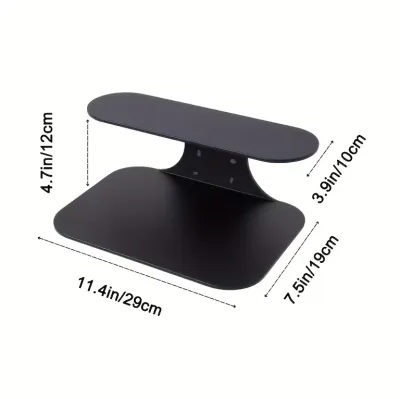
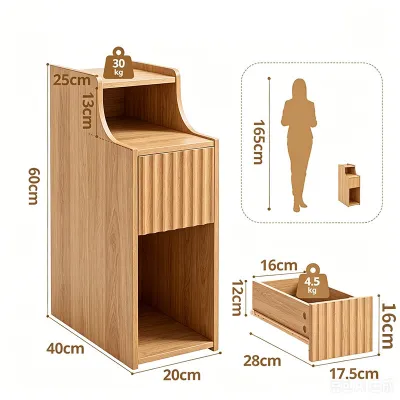
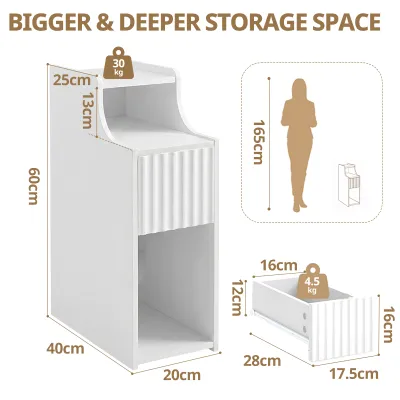
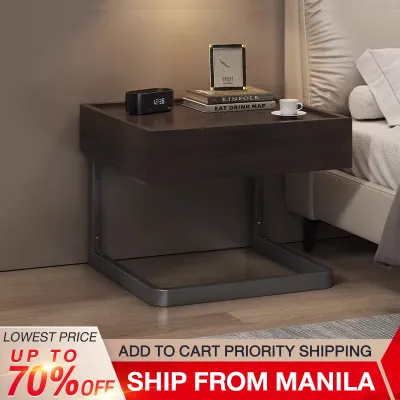
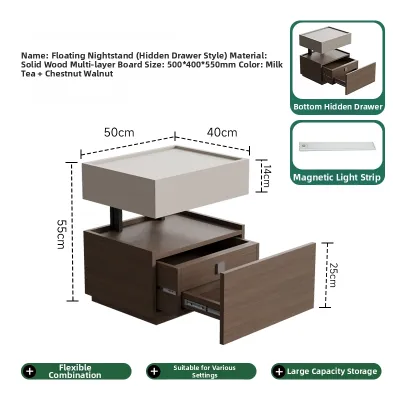
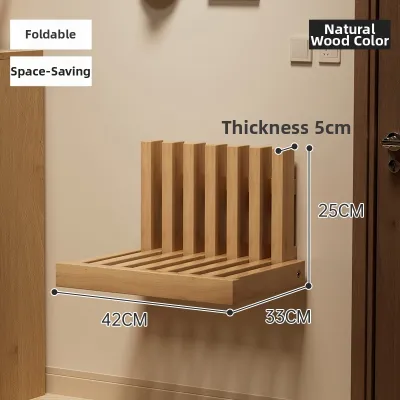
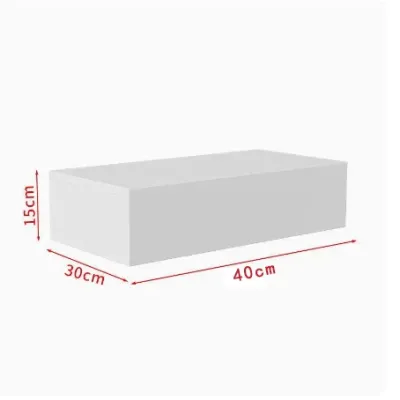
Prices are valid at publication and may change. Please refer to the product page for the latest price.
Beyond the visual benefits, keeping the floor clear offers immense practical advantages for daily maintenance. Sweeping, mopping, and vacuuming become effortless tasks when you do not have to navigate around a forest of wooden or metal table legs. This layout is particularly beneficial if you use a robot vacuum, as the device can glide smoothly along the baseboards without getting stuck or requiring you to constantly move furniture out of the way.
Furthermore, floating furniture is highly adaptable to the narrow walkways and multi-purpose zones that characterize modern Philippine developments. In a studio unit where the living area, dining zone, and bedroom often merge, a wall-mounted table can serve multiple roles throughout the day. It can function as a coffee cup holder by the sofa in the morning, a charging station for your devices during the afternoon, and a minimalist nightstand by evening. Because you can mount these tables at any height, you can easily customize them to align perfectly with your sofa armrests or mattress height.
Essential Buying Criteria for Tropical Condo Living
Selecting a floating side table is not just about finding an attractive design; it requires a careful evaluation of how the piece will perform in your specific living environment. Before making a purchase, consider these three essential criteria to ensure your new furniture is safe, durable, and proportional to your space.

Dimensions and Proportions Before browsing online marketplaces or local furniture boutiques, grab a measuring tape and map out your available wall space. Pay close attention to the depth of the table. In narrow corridors or tight spaces between the bed and the wardrobe, a shallow profile (typically between 15 to 25 centimeters) is crucial to prevent accidental bumps. Ensure that the table’s projection does not block the swing of cabinet doors, room entryways, or balcony access. Additionally, match the height of the installation to your seating or sleeping arrangements to maintain comfortable ergonomics.
Weight Capacity and Hardware Every floating table has a maximum weight limit that is determined by both its construction and the hardware used to secure it. Always verify the manufacturer’s rated weight capacity before purchasing, and never assume a shelf can hold heavy books or laptops without proper support. The mounting brackets must be robust and made of high-quality steel or thick engineered metal. Furthermore, the screws and wall anchors included in the package must match your specific wall type. Standard plastic anchors are often insufficient for heavy-duty loads, especially when dealing with the hollow concrete blocks common in local construction.
Material and Humidity Resistance The tropical climate of the Philippines presents unique challenges for wooden furniture. High humidity levels, particularly during the wet monsoon season, can cause low-grade engineered wood to swell, warp, or develop mold. When shopping, prioritize materials that are treated or naturally resistant to moisture. Look for high-density fiberboard (HDF) with a professional water-resistant laminate, marine-grade plywood, or solid hardwoods like teak or mahogany that have been properly sealed. If you prefer a modern industrial look, powder-coated steel or aluminum frames offer excellent durability and are completely immune to humidity-related warping. Always inspect the edges of laminated tables to ensure they are tightly sealed, as open seams are the primary entry points for moisture.
Best Floating Side Table Designs for Compact Layouts
To help you navigate the diverse options available, we have categorized the most effective floating side table designs for small condos. Each style addresses specific spatial limitations and functional needs, allowing you to choose the perfect match for your lifestyle.
Wall-Mounted Drop-Leaf Tables
If you require a versatile surface that can transform on demand, a wall-mounted drop-leaf table is an exceptional choice. These tables feature a hinged design that allows the main surface to fold completely flat against the wall when not in use, reducing its profile to just a few centimeters. When you need a workspace or a spot to enjoy a meal, you simply lift the leaf and lock the support brackets into place.
This dual-functionality makes drop-leaf designs incredibly popular in studio apartments. A medium-sized drop-leaf table mounted next to a sofa can serve as a side table for your morning coffee, transition into a comfortable laptop desk during working hours, and fold away completely when it is time to exercise or entertain guests.
Because these tables experience dynamic loads—meaning they are constantly being folded, unfolded, and leaned upon—they require exceptionally strong hardware. Look for heavy-duty steel folding brackets with smooth locking mechanisms. It is critical to anchor these tables securely into a solid wall, as the leverage created when pressing down on the outer edge of an extended leaf puts significant stress on the mounting points.
Minimalist Floating Shelves with Drawers
For those who struggle with visual clutter, a floating side table with built-in drawers offers the perfect balance of surface space and hidden storage. These units function like miniature floating credenzas or wall-mounted nightstands, providing a clean top surface for a lamp or a book while keeping smaller items tucked out of sight.
Having a drawer allows you to conceal daily essentials such as remote controls, charging cables, reading glasses, and keys. By keeping these small items off the top surface, your living area immediately looks more organized and spacious. This design is highly recommended for bedside use in tight condo bedrooms where a traditional bulky nightstand would block wardrobe drawers or walk space.
When evaluating these designs, inspect the drawer glide mechanisms. Smooth, ball-bearing drawer slides are preferred over simple wooden slots, as they prevent the drawer from sticking or pulling the entire unit away from the wall. Additionally, check the internal dimensions of the drawer to ensure it is deep enough to store your specific items, such as tablet devices or journals.
Corner Floating Side Tables
Corners are often the most underutilized areas in a small condominium. A corner floating side table features a triangular or L-shaped profile designed specifically to fit snugly into the intersection of two walls. This configuration turns a dead zone into a highly functional display or storage area without encroaching on the main floor layout.
These tables are ideal for holding decorative items, small indoor plants, or accent lighting next to a sectional sofa or in a tight entryway. By utilizing the corner, you keep the primary walkways completely clear, which dramatically improves the traffic flow in a small apartment.
Before purchasing a corner unit, it is vital to measure your walls carefully. Many concrete walls in local condos are not perfectly plumb or joined at an exact 90-degree angle. If your walls are slightly uneven, look for corner shelves that feature adjustable mounting brackets or a slight gap clearance along the back edges to accommodate minor wall imperfections without leaving unsightly gaps.
Pre-Installation and Condo Safety Checklist
Installing floating furniture in a condominium requires more care than in a traditional house. Because you share walls with neighbors and must comply with building management rules, proper preparation is essential to prevent structural damage, fines, or safety hazards. Follow this checklist before you begin drilling.
Condo Admin Regulations
- Check the Tenant Handbook: Review your building's house rules regarding unit modifications. Some administrations strictly prohibit drilling into perimeter walls, structural columns, or fire-rated partitions.
- Secure a Work Permit: If your building requires it, submit a work permit request to the Property Management Office (PMO) before starting any drilling. This is especially important if you plan to hire an outside handyman.
- Observe Quiet Hours: Only perform drilling during the designated hours permitted by your condo admin—typically weekdays between 9:00 AM and 5:00 PM—to avoid disturbing your neighbors.
Wall Composition Identification
- Solid Concrete vs. Hollow Blocks: Most interior partition walls in Philippine condos are made of concrete hollow blocks (CHB), while structural columns are solid reinforced concrete. Tap on the wall; a hollow sound indicates CHB, while a dull, solid thud indicates reinforced concrete or a structural column.
- Drywall and Light Partitions: Some modern condos use gypsum board or fiber cement board on metal studs for interior bedroom partitions. These walls require specialized toggle bolts or heavy-duty drywall anchors, as standard screws will quickly pull out of the soft material.
- Match Your Anchors: Always use expansion bolts for solid concrete, sleeve anchors or toggle bolts for hollow blocks, and metal channel anchors for drywall. Never use simple plastic wall plugs for heavy floating tables.
Hazard Avoidance
- Locate Utility Lines: Never drill blindly into a wall. Electrical conduits and water pipes are often embedded within condo walls. Use a high-quality stud finder or multi-scanner that can detect live AC wires and metal pipes behind the surface.
- Consult Blueprints: If you are unsure of what lies behind the wall, request a copy of your unit's utility layout blueprint from the building's engineering office.
- Stop if Resistant: If your drill bit suddenly hits hard resistance or a metallic object, stop drilling immediately. You may have struck a structural rebar, an electrical conduit, or a copper pipe. Adjust your mounting location slightly to avoid disaster.
Frequently Asked Questions (FAQ)
Do I need condo admin approval to install floating furniture?
Yes, in most Philippine condominiums, you should consult your property management office before installing floating furniture. While mounting a light, decorative shelf might not trigger any alarms, installing heavy-duty floating side tables or drop-leaf desks often requires drilling deep holes into shared or structural walls. Some building administrations require a minor work permit to ensure you do not damage embedded electrical conduits, plumbing lines, or post-tension cables. Checking with your admin beforehand prevents potential fines and ensures your installation complies with building safety standards.
What is the safest way to mount heavy items on hollow block walls?
The safest way to mount a heavy floating side table on a concrete hollow block (CHB) wall is to use heavy-duty sleeve anchors, toggle bolts, or chemical anchoring systems. Standard plastic wall plugs are highly prone to slipping or pulling out because CHB walls have large air pockets inside them. If your drill penetrates into a hollow cavity, a toggle bolt or spring toggle anchor will expand behind the block’s inner wall, distributing the weight safely. For exceptionally heavy loads, injecting a chemical resin anchor into the drilled hole before inserting the threaded stud creates an incredibly strong, permanent bond. If you are uncertain about your wall’s load-bearing capacity, it is highly recommended to hire a professional handyman.
Community discussion
Share your experience or ask a question. Comments are reviewed before publication.