
Maximizing a compact condominium unit in the Philippines requires a smart approach to furniture selection, especially when setting up a functional home office. A folding desk offers the ultimate spatial flexibility, allowing you to transition from a productive workday to a relaxed evening without sacrificing precious floor space. By choosing a configuration that matches your layout, verifying your wall structures, and maintaining proper clearances, you can establish a highly efficient workspace that disappears when not in use.
To build a successful setup, you must balance the physical constraints of typical studio or one-bedroom condo layouts with your daily workflow requirements. High humidity levels, typical of the tropical Philippine climate, and strict condominium association guidelines regarding drilling and structural modifications also play a significant role in your decision. Whether you are a tenant looking for non-permanent solutions or an owner customizing your space, understanding how to integrate a folding desk safely and ergonomically is the key to comfortable condo living.
Assessing Your Condo Space and Layout Constraints
Before purchasing any folding furniture, you must accurately measure your designated work area in both its active and stored states. Begin by measuring the available floor footprint where the desk will stand when fully extended. It is equally important to measure the vertical clearance and the surrounding wall space, ensuring that no light switches, electrical outlets, or wall-mounted air conditioning units are obstructed when the desk is folded upward or downward.
Products mentioned in this guide
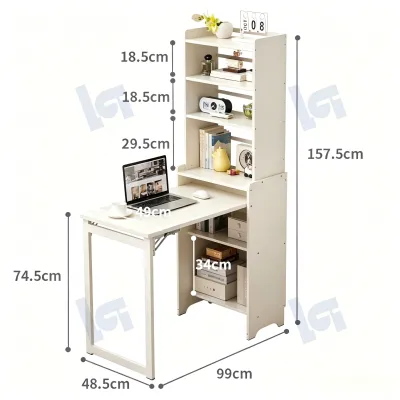
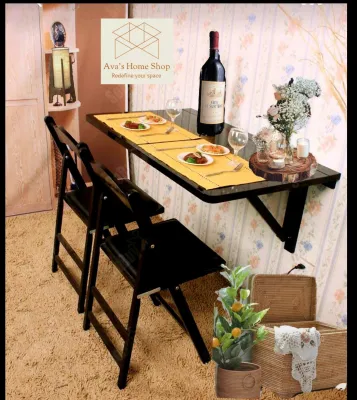
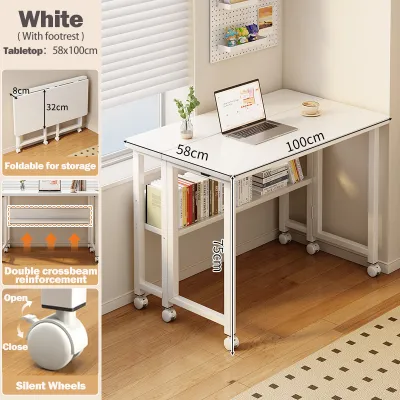
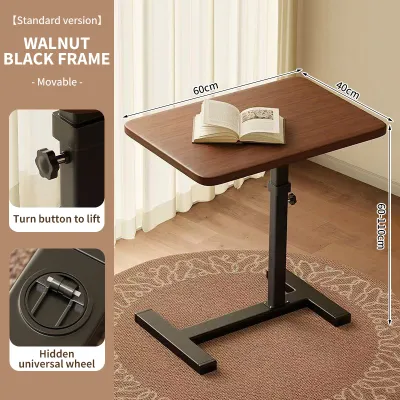
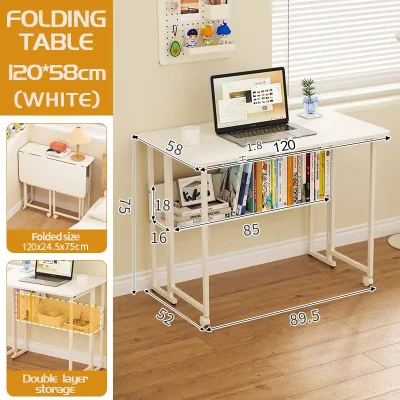
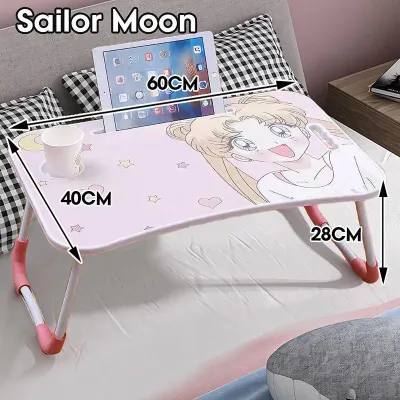
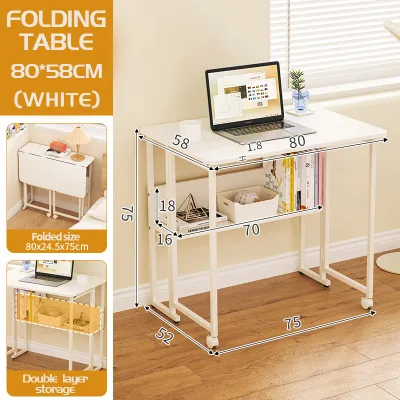
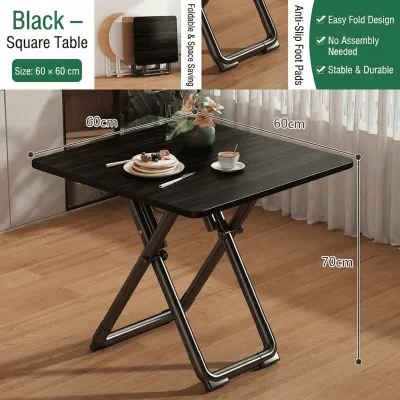
Prices are valid at publication and may change. Please refer to the product page for the latest price.
Physical movement paths within your condo dictate where a desk can safely go. You must account for the swing radius of nearby doors, wardrobe panels, and cabinet doors to prevent collisions. Pay close attention to the main walkways connecting your kitchen, bathroom, and sleeping areas; a desk should never block these pathways when open. Additionally, ensure the desk does not interfere with balcony access doors or catch on long window treatments like curtains or vertical blinds.
The structural composition of your condo walls determines what type of desk you can install. Most modern high-rise developments in the Philippines utilize solid concrete or precast concrete walls for structural columns and perimeter boundaries, while internal room dividers are often constructed from lightweight drywall or hollow concrete blocks. You must identify these wall types before planning a wall-mounted setup, as drilling into structural concrete requires specialized tools and often demands formal approval from your condo administration.
Choosing the Right Folding Desk Configuration
Selecting the ideal folding desk requires matching your daily tasks with the physical realities of your living space. You must evaluate whether your work involves a single lightweight laptop or a more complex setup with multiple monitors, external keyboards, and reference documents. Additionally, your status as a tenant or a property owner will influence whether you should opt for a permanent wall-anchored installation or a highly mobile freestanding model.

Every folding desk has specific physical limits that you must verify through the manufacturer’s specifications before buying. Pay close attention to the rated weight capacity, the robustness of the hinge mechanisms, and the recommended care instructions for the surface materials. In the humid Philippine climate, choosing materials with moisture-resistant finishes, such as sealed engineered wood or powder-coated steel frames, helps prevent warping and rust over time.
Wall-Mounted and Drop-Leaf Setups
Wall-mounted folding desks and drop-leaf tables are excellent solutions for dedicated work zones where floor space is exceptionally tight. These setups are permanently anchored to the wall, meaning they occupy zero floor footprint when folded flat. This configuration is highly suited for condo owners who have a clear, permanent work-from-home routine and want a dedicated spot that can be neatly tucked away at the end of the day.
When planning a wall-mounted setup, you must calculate the exact clearance required for both the folded-down and fully extended positions. A typical drop-leaf desk requires a clear semi-circular or rectangular zone in front of the wall to allow the support brackets to swing into place and lock securely. You must ensure that when the desk is extended, there is still ample room to pull up an office chair and sit comfortably without blocking the room’s primary traffic lanes.
Before drilling any holes, you must perform a thorough hardware and anchoring check. Standard plastic wall plugs included with most flat-pack furniture are rarely sufficient for securing a load-bearing desk to concrete or drywall. You must purchase heavy-duty masonry expansion bolts for concrete walls, or specialized toggle bolts if you are mounting to approved wooden studs. Always consult your condominium administration’s fit-out guidelines, as many buildings prohibit drilling into structural columns or shared party walls to preserve building integrity.
Freestanding and Fold-Out Tables
For renters, students, or those who frequently reconfigure their living spaces, freestanding folding tables offer unmatched flexibility. These desks require no drilling, making them completely compliant with strict rental contracts and condo policies. When your workday ends, you can simply collapse the legs and slide the entire table out of sight, restoring your living room or bedroom to its original layout.
Stability is the primary factor to evaluate when choosing a freestanding folding table. Look for models featuring robust leg-locking mechanisms, such as gravity locks or spring-loaded pins, which prevent the table from accidentally collapsing if bumped. Because many Philippine condos feature hard flooring surfaces like ceramic tiles, polished concrete, or vinyl planks, you should inspect the table legs for non-slip rubber caps or apply felt pads to prevent scratching and reduce sliding.
You must also evaluate the storage footprint of the desk when it is fully collapsed. Measure the thickness of the folded table to ensure it can easily slide into narrow spaces, such as the gap between your wardrobe and the wall, underneath a bed frame, or behind a sofa. A lightweight frame with integrated carrying handles or built-in wheels can greatly ease the process of moving the desk daily, especially if you transition between working in the living room and the bedroom.
Placement Strategies for Multi-Functional Living Areas
Integrating a workspace into a multi-functional condo room requires deliberate zoning to maintain a healthy boundary between work and relaxation. You can visually define your workspace by placing a small, low-pile area rug beneath your desk and chair, which physically separates the office zone from the rest of the room. Using a dedicated task light, such as a clamp-on desk lamp, focuses your attention on the work surface and signals to your mind that it is time to focus, while turning it off helps you transition back to leisure time.
Strategic positioning relative to natural light and power sources is essential for comfort and safety. Position your folding desk perpendicular to windows to minimize screen glare while still enjoying natural daylight. To avoid creating dangerous tripping hazards in a compact space, place your desk as close as possible to existing wall outlets. Running long extension cords across main walkways is highly discouraged; if you must use one, secure it along the baseboards using adhesive cable clips to keep the floor clear.
You can also explore dual-purpose arrangements where the folding desk serves multiple functions throughout the day. A sturdy drop-leaf table placed against a living room wall can function as a slim entryway console or a decorative shelf when folded down, and then expand into a full-sized desk or a two-person dining table when needed. This multi-functional approach reduces the overall number of furniture pieces in your condo, keeping the layout open, airy, and highly organized.
Installation, Safety, and Clearance Checklist
A safe folding desk setup relies on regular maintenance and strict adherence to physical limits. Before placing your laptop, monitor, or books on the desk, always verify the integrity of the hinges, locking pins, and support brackets. Over time, the repetitive motion of folding and unfolding can loosen screws and fasteners; make it a habit to inspect and tighten all hardware every few months to prevent sudden structural failures.
Maintaining proper ergonomic clearances is vital for your physical comfort and safety during long working hours. Ensure you have at least 70 to 80 centimeters of clear space behind the desk to allow your office chair to roll back smoothly when you stand up. Your legs should fit comfortably under the desk surface without hitting any support bars or diagonal braces, and your knees should not feel cramped against the wall or the back of the desk frame.
Knowing when to step back from a DIY installation can save you from costly property damage or personal injury. If your condo walls are finished with delicate ceramic tiles, or if you suspect the presence of embedded electrical conduits or water pipes behind the concrete, do not attempt to drill into them yourself. Consulting a qualified local handyman or a professional installer ensures that your wall-mounted desk is anchored securely using the correct fasteners, keeping your equipment and your home safe.
Frequently Asked Questions (FAQ)
Can I mount a folding desk on a hollow drywall partition?
Mounting a heavy, load-bearing folding desk directly onto a hollow drywall partition is highly risky and generally not recommended. Drywall sheets alone do not possess the structural strength to support the downward leverage and constant movement associated with folding and unfolding a desk. Placing heavy office equipment on a desk mounted only to drywall can cause the anchors to pull through the board, resulting in severe wall damage and broken electronics.
If you must mount a desk on a drywall partition, you must locate the vertical wooden or metal studs hidden behind the plasterboard using a stud finder. Secure the mounting brackets directly into these structural studs using heavy-duty wood screws or metal self-drilling anchors. If the studs do not align with your desired desk placement, or if your building management prohibits drilling into partition walls, you should transition to a sturdy freestanding folding table instead.
How do I manage cables in a small condo with a folding desk?
Managing cables on a folding desk requires solutions that accommodate the constant movement of the table surface. Avoid rigid plastic conduits that can crack or restrict movement; instead, use flexible neoprene cable sleeves or braided wraps that bend easily as the desk folds. Secure these sleeves to the underside of the desk or along the support legs using adhesive hook-and-loop straps or flexible silicone cable clips, leaving enough slack near the hinges to prevent tension.
To keep the setup clean and prevent damage, route all power and data cables away from the moving parts of the hinges and locking brackets. Pinching a cable in a metal hinge can damage the internal wiring, creating a short circuit or a potential fire hazard. Utilizing a low-profile, under-desk cable management tray that folds flat along with the tabletop can help keep power strips and bulky adapters organized and safely off the floor.
Community discussion
Share your experience or ask a question. Comments are reviewed before publication.