
Maximizing a compact kitchen layout in the Philippines requires looking beyond standard countertop surfaces and utilizing the often-ignored vertical space inside and beneath your cabinets. In typical urban condominiums and townhouses, kitchen footprints are limited, making efficient storage essential for maintaining an organized cooking environment. The most effective hanging cabinet organizers are those that seamlessly integrate with your existing cabinetry without causing structural damage, warping, or interfering with daily meal preparation. By selecting the right combination of under-shelf baskets, door-mounted racks, and tension systems, you can effectively double your usable storage area while keeping essential cooking tools within arm’s reach.
Living in a tropical climate also introduces specific challenges, such as high humidity and salt air in coastal regions, which can quickly degrade low-quality storage accessories. Therefore, choosing the right organizer involves evaluating not just the physical dimensions of your cabinets, but also the materials, mounting styles, and weight capacities that can withstand local environmental conditions. Whether you are renting a studio unit in Metro Manila or upgrading a family kitchen in the provinces, a systematic approach to vertical storage will help you maintain a clutter-free, highly functional culinary space.
How to Measure and Assess Your Cabinet Space
Before purchasing any hanging organizer, conducting a thorough physical assessment of your existing cabinetry is crucial to avoid fitment issues and structural damage. Begin by measuring the internal height, width, and depth of each cabinet compartment using a reliable metal measuring tape. Do not rely on visual estimates, as even a discrepancy of a few millimeters can prevent an organizer from sliding in or allow it to block the cabinet door from closing completely. When measuring depth, measure from the inside face of the back panel to the inside face of the closed door to account for the door’s thickness.
Products mentioned in this guide
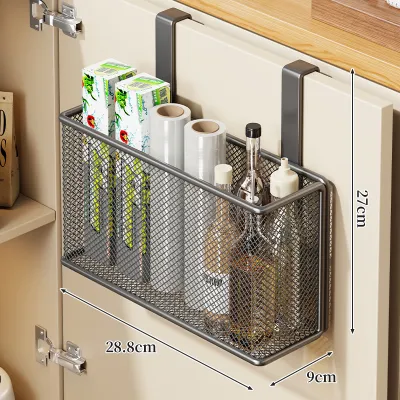
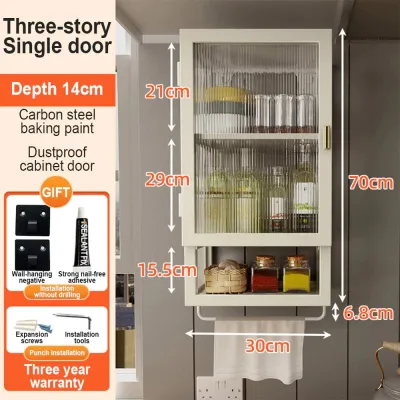
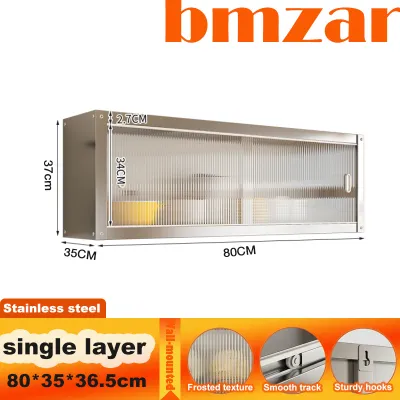
Prices are valid at publication and may change. Please refer to the product page for the latest price.
Next, identify and account for internal obstructions that are often overlooked during initial planning. Modern modular kitchens in Philippine condominiums frequently feature soft-close hydraulic hinges, shelving pins, and vertical support dividers that project into the usable cabinet volume. Measure the clearance around these hardware components to ensure your chosen organizer does not collide with them. For instance, a door-mounted rack must have enough clearance to sit comfortably between the shelves when the door is fully shut, meaning you must subtract the depth of the rack from the available internal shelf depth.
Evaluating the shelf material and its structural integrity is equally important for safety. Many standard kitchen cabinets are constructed from melamine-faced chipboard or medium-density fiberboard, which are more susceptible to sagging under heavy loads compared to solid plywood or marine plywood. Inspect your shelves for any pre-existing bowing or water damage, particularly near the sink or cooking range where moisture levels are highest. Check the manufacturer’s specifications for the maximum weight capacity of your shelving units, and remember that hanging organizers distribute weight differently, often concentrating stress on the front edge of the shelf.
Finally, verify the door clearance and swing direction of your cabinets. If you plan to install over-the-door or door-mounted organizers, ensure that the door hinges are robust enough to support the additional weight without sagging over time. Open and close the cabinet doors slowly to observe the swing path and identify any potential points of friction against adjacent walls, appliances, or other cabinet doors. This step is vital to prevent unsightly scratches on your cabinetry and to ensure that your daily kitchen workflow remains smooth and unobstructed.
Key Features to Look for in Hanging Organizers
Selecting the right hanging organizer requires balancing your household’s storage needs with the physical constraints of your living situation. The mounting mechanism is the first critical feature to consider, especially when comparing rental restrictions against long-term homeownership. Over-the-shelf and over-the-door models are highly recommended for renters because they require no drilling or permanent adhesives, allowing you to pack them up easily when moving. For homeowners seeking a more permanent and heavy-duty solution, screw-mounted organizers offer superior stability and load capacity, though they require precise installation and permanent alteration of the cabinet panels.

Given the high relative humidity experienced throughout the Philippines, particularly during the wet season, surface treatment is a non-negotiable quality factor. Untreated or poorly painted metal wire organizers are highly susceptible to rust, which can stain your cabinets and contaminate your kitchenware. Look for organizers featuring thick, electrostatic powder coatings, chrome plating with a rust-resistant undercoat, or high-grade stainless steel. If you prefer plastic or polymer-based organizers, ensure they are made from food-grade, BPA-free materials that are easy to wipe down and do not warp under warm kitchen conditions.
Adaptability is another key feature that distinguishes highly functional organizers from rigid, inconvenient designs. Opt for adjustable or modular systems that allow you to customize the height of shelves, the spacing of hooks, or the configuration of bins as your storage needs evolve. Expandable wire baskets that can stretch to fit different shelf widths, or modular pegboard systems that mount to the inside of cabinet doors, provide the flexibility needed to accommodate varying item sizes. This adaptability ensures that your investment remains useful even if you rearrange your kitchen layout or acquire new cookware in the future.
Recommended Hanging Organizer Types for Compact Layouts
To maximize every square inch of a compact kitchen, it is helpful to view your cabinetry as a collection of distinct storage zones. The space directly beneath a shelf, the flat vertical plane of the inner cabinet door, and the narrow gaps between shelves all offer unique opportunities for optimization. Matching the right style of hanging organizer to these specific zones prevents overcrowding and ensures that every item has a designated, easily accessible home.
Under-Shelf Hanging Baskets and Racks
Under-shelf hanging baskets are exceptionally effective at reclaiming the dead space that typically hovers above low-profile items on a shelf. These organizers feature flat, parallel metal arms that slide directly onto an existing shelf, suspending a wire basket or rack immediately below it. They are ideal for storing lightweight, frequently used items such as coffee mugs, tea boxes, baking paper rolls, food wraps, and small spice jars. By elevating these items, you free up the primary shelf surface below for larger plates, bowls, or small kitchen appliances.
Before installing an under-shelf basket, you must verify several physical prerequisites to ensure a safe and functional fit. Measure the thickness of your cabinet shelf and compare it to the clearance of the organizer’s mounting arms; most standard models are designed for shelves between 15mm and 18mm thick. Ensure that the mounting arms are flat and thin enough to allow the cabinet door to close completely without forcing the hinges. Additionally, check that the basket does not hang so low that it obstructs the retrieval of items stored on the shelf directly beneath it, maintaining a clear path for your hands.
Door-Mounted Hanging Bins and Racks
The inside of a cabinet door is prime real estate for vertical storage, particularly for items that you need to access quickly while cooking or cleaning. Door-mounted bins and shallow racks are perfect for holding slim items like aluminum foil rolls, parchment paper, dishwashing sponges, microfiber cloths, and small condiment bottles. By moving these smaller, loose items to the door, you eliminate the clutter that often accumulates in deep drawers or at the back of dark cabinet shelves.
However, utilizing door space requires careful calculation to avoid damaging your cabinetry’s hardware. Cabinet hinges are engineered to support the weight of the door itself plus a modest margin; overloading a door-mounted rack can cause the door to sag, misalign, or pull the hinge screws out of the cabinet frame. Always measure the thickness of the door panel before using over-the-door hooks to ensure a snug fit that does not rattle. Perform a manual door-closure test by holding the weighted organizer against the door inside the cabinet to verify that it clears the internal shelves and does not prevent the door from latching shut.
Tension Rod and Hook Systems
Tension rod and hook systems offer a highly customizable, no-drill solution for hanging items in kitchens where permanent modifications are not permitted. These systems rely on spring-loaded tension rods placed horizontally between two solid cabinet walls, or vertical tension poles that wedge between the bottom of a cabinet and the countertop. Once secured, you can slide S-hooks, small hanging cups, or wire baskets onto the rod to create a personalized storage array for lightweight pots, pans, measuring cups, and cooking utensils.
To ensure a stable installation, first assess the material and texture of the surfaces where the tension rod rubber ends will make contact. Smooth, non-porous surfaces like ceramic tiles, glass, or sealed wood provide excellent grip, whereas rough, unpainted, or highly flexible cabinet walls may cause the rod to slip under load. Always check the maximum weight limit indicated on the product label and distribute the weight of your hanging items evenly across the length of the rod. Avoid hanging heavy cast-iron cookware or fragile glassware on tension systems, as sudden temperature changes or vibrations from nearby appliances can compromise the tension over time.
Installation and Safety Checks for Condo and Rental Kitchens
For residents of condominiums and rental properties in the Philippines, installing kitchen organizers requires a balance between maximizing utility and preserving the landlord’s property. If you are using adhesive-mounted organizers, proper surface preparation is the single most important factor in preventing the mount from failing and damaging your walls or cabinetry. Begin by thoroughly cleaning the mounting surface with isopropyl alcohol to remove grease, cooking oil residue, and dust, which are common in tropical kitchens. Allow the surface to dry completely before applying the adhesive, and strictly follow the manufacturer’s instructions regarding curing times—typically 24 to 48 hours—before hanging any items.
Once your organizer is installed, conduct a systematic weight test before loading it to its full capacity. Start by placing lightweight, non-fragile items on the organizer, representing about a quarter of the intended load, and observe the mount for any signs of peeling, bending, or slipping. Gradually increase the weight over several days, checking the stability of the organizer and the cabinet shelf regularly. This cautious approach allows you to identify installation weaknesses early, preventing a sudden collapse that could break your kitchenware or damage your countertops.
Knowing when to halt a DIY installation and seek professional assistance is essential for maintaining home safety. If you encounter structural uncertainties, such as hollow cabinet backings, crumbling plaster, or walls with hidden electrical conduits and water pipes, do not attempt to drill or apply heavy-duty fasteners. Stop immediately and consult your condo’s property management office or hire a qualified handyman who can use specialized tools like stud finders and wall anchors. Taking this precaution protects you from costly repair fees and ensures that your kitchen storage upgrades remain safe and secure for years to come.
Frequently Asked Questions (FAQ)
Can hanging organizers damage wooden cabinet shelves?
Yes, hanging organizers can damage wooden cabinet shelves if they are improperly installed, overloaded, or neglected. The primary causes of damage are concentrated weight distribution, which can cause MDF or particleboard shelves to bow or crack, and friction from metal mounting arms sliding against the wood finish. Additionally, in humid tropical climates, moisture can become trapped between the organizer’s mounting brackets and the wooden shelf, leading to mold growth, wood swelling, or peeling laminate. To prevent these issues, always use protective silicone or felt pads under mounting arms, avoid overloading the organizers, and regularly inspect the shelves for signs of warping or moisture accumulation.
How do I prevent hanging baskets from sliding when opening the cabinet door?
Preventing hanging baskets and door-mounted organizers from sliding or rattling requires securing the contact points and managing the weight distribution. You can apply small, removable silicone bumper pads or double-sided gel tape to the underside of the mounting hooks or arms to create friction and absorb vibrations when the door is moved. Additionally, ensure that the items inside the basket are distributed evenly, placing heavier items toward the back or center to lower the overall center of gravity. This simple adjustment reduces the momentum of the basket when the cabinet door is opened or closed, keeping your kitchen quiet and your storage secure.
Community discussion
Share your experience or ask a question. Comments are reviewed before publication.