
Maximizing a compact study room requires thinking vertically. In many Philippine homes, where bedrooms or quiet corners are converted into dedicated workspaces, desk real estate is highly limited. Standard desks quickly become cluttered with laptops, notebooks, chargers, and reference materials, leaving little room for actual writing or typing. Utilizing a hanging wall shelf organizer is one of the most effective ways to reclaim your workspace by shifting storage off your desk and onto the wall.
Selecting the right wall organizer is not just about aesthetics; it requires a careful balance of structural safety, material durability, and functional design. Because of the tropical climate and varying wall construction methods in local homes, factors like humidity resistance and wall compatibility are critical. By understanding your specific storage needs and structural constraints, you can choose a system that keeps your study area organized, safe, and highly productive.
How to Evaluate Hanging Shelves for a Compact Study Area
Before purchasing any wall-mounted storage, you must evaluate your physical space to ensure the installation is safe and comfortable. Start by measuring your vertical footprint. Assess the distance between your desk surface and the ceiling, keeping in mind that a cramped study area can feel visually overwhelming if shelves are placed too low. Ideally, you should maintain a clearance of at least 50 to 60 centimeters between the desk surface and the bottom of the lowest shelf. This clearance ensures that you have enough room for a laptop screen, a desk lamp, and natural movement without feeling boxed in.
Products mentioned in this guide
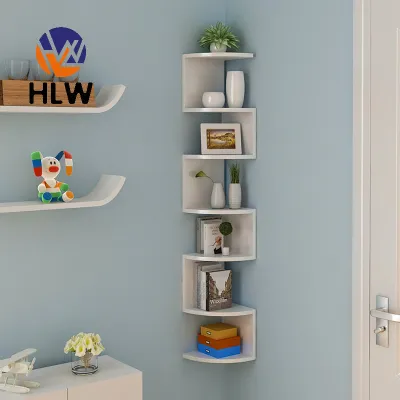
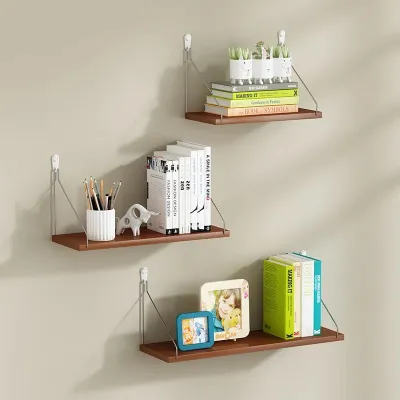
Prices are valid at publication and may change. Please refer to the product page for the latest price.
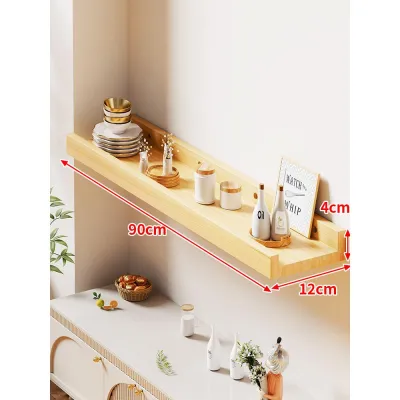
Shelf depth and profile are equally important for maintaining ergonomics. In a small study, desks are often narrow, sometimes measuring only 50 to 60 centimeters in depth. If you install a shelf that is too deep, you risk bumping your head every time you lean forward to write or read. For most compact workspaces, a shelf depth of 15 to 20 centimeters is the sweet spot. This depth is sufficient for standard books, notebooks, and small organizers, while keeping the shelf profile shallow enough to stay out of your direct physical path.
Weight capacity requirements must be calculated based on what you actually plan to store. Textbooks, heavy reference manuals, and printers require robust support systems, whereas pens, sticky notes, and light decorative items can rely on lighter setups. A single thick academic textbook can easily weigh 1 to 2 kilograms. If you plan to store a row of ten books, your shelf and its mounting hardware must be rated to support at least 15 to 20 kilograms to account for a safe margin of error. Overloading a shelf not rated for heavy loads risks damaging your wall or causing a sudden collapse.
Finally, consider the visual weight of the organizer. Visual weight refers to how heavy or bulky an object appears in a room. In a small study, solid, dark-colored, or deeply enclosed shelves can make the room feel smaller and more claustrophobic. On the other hand, open-wire grids, light-colored wood, or slender metallic frames preserve a sense of openness. Choosing organizers that match your wall color or feature minimalist designs helps maintain an airy, uncluttered atmosphere that promotes focus and reduces mental fatigue.
Top Hanging Shelf Types to Maximize Vertical Study Storage
Different study habits and storage needs require different organizational structures. Understanding the strengths and limitations of each shelf category allows you to select the best option for your specific daily workflow.

Floating Shelves for Books and Display
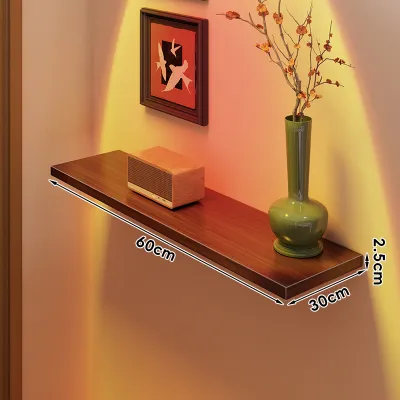
Floating shelves are characterized by their clean, minimalist appearance, utilizing internal brackets that are completely hidden inside the shelf body once installed. This design eliminates visible vertical supports, making them excellent for modern, clean study aesthetics. They are highly efficient for holding heavy textbooks, reference binders, and small desk clocks, as they provide a solid, flat surface that maximizes usable horizontal space.
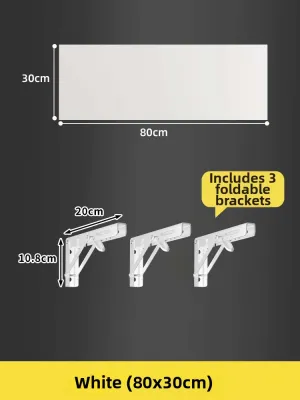
However, floating shelves have strict installation demands. Because they rely on internal cantilever brackets, they require a solid wall backing—such as solid concrete or structural wood studs—to hold heavy loads safely. If mounted incorrectly or attached to weak drywall partition walls without proper reinforcement, they can easily sag or pull away from the wall. Additionally, because they are screwed directly into the wall at fixed points, their layout is permanent once installed, offering no flexibility to adjust the height later without drilling new holes.
When choosing floating shelves in the Philippines, material selection is crucial due to high relative humidity. Engineered wood or MDF (medium-density fibreboard) shelves must feature high-quality, moisture-resistant laminates or sealants. Unsealed engineered wood can absorb moisture from the air, leading to swelling, warping, or mold growth over time. Solid wood options, such as treated pine or rubberwood, offer greater durability but should still be finished with a protective polyurethane coat to withstand tropical conditions.
Pegboards and Grid Panels for Flexible Tool Storage
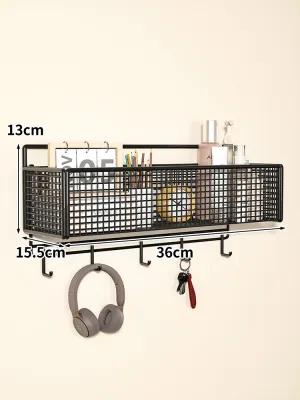
Pegboards and metal grid panels offer unmatched flexibility for organizing smaller study tools, stationery, and cables. These systems consist of a flat panel mounted slightly off the wall, allowing you to insert hooks, small hanging baskets, shelves, and clips wherever you need them. By moving frequently used items like scissors, pens, rulers, and headphones onto the pegboard, you keep your desk surface entirely clear and dedicated solely to your computer and active paperwork.
This modular design is highly adaptable, allowing you to rearrange your storage layout as your study needs change throughout the school year or work season. For instance, you can easily shift a hanging cup holder closer to your seating position or add a small shelf for sticky notes without needing any tools. It also serves as an excellent visual cue, keeping your essential tools in plain sight so you do not waste time rummaging through desk drawers.
Despite their versatility, pegboards are not designed for heavy items. They cannot safely support large textbooks, heavy laptops, or bulky electronics. Additionally, because of their open design with numerous small holes or wire intersections, they tend to collect dust quickly. In dusty urban areas, pegboards require regular maintenance; a quick weekly dusting with a soft brush or microfiber cloth is necessary to keep your stationery and accessories clean.
Wall-Mounted Cubbies for Concealed Clutter
Wall-mounted cubbies feature enclosed or semi-enclosed compartments, often with sliding doors, small drawers, or removable fabric bins. These organizers are designed to hide visual clutter, making them ideal for storing items that look messy when left in the open. Cubbies are highly practical for housing Wi-Fi routers, power strips, charging cables, extra printer paper, and miscellaneous office supplies that otherwise disrupt the clean look of your study.
By enclosing these items, cubbies create a highly structured, tidy appearance that minimizes visual distractions during long study sessions. Many models also feature a flat top surface, effectively doubling your storage by allowing you to place decorative items or books on top while keeping supplies hidden underneath. They are particularly useful for shared study spaces where maintaining a neat appearance is a priority.
On the downside, cubbies are physically and visually bulkier than floating shelves or pegboards. They project further from the wall and add significant visual weight to a small room, which can make a tight space feel even smaller if overused. They also require precise assembly and highly accurate measurements during mounting. If the cubby is not perfectly level, sliding doors may stick, and internal drawers may slide open on their own.
Suspended Rope Shelves for Aesthetic Flexibility
Suspended rope shelves consist of one or more wooden planks threaded together with thick ropes, hanging from ceiling hooks or high wall-mounted brackets. This design introduces a softer, organic aesthetic to a study room, breaking up the rigid lines of standard desks and electronic setups. They are highly adjustable, as you can easily change the height of individual shelves by adjusting the knots beneath the wooden planks.
These shelves are best suited for lightweight, non-essential items. They provide a beautiful platform for small indoor plants, reading glasses, lightweight notebooks, or motivational decor. Because they hang freely, they add a relaxed, personalized vibe to your study space, making the environment feel more comfortable and less clinical during stressful study periods.
However, suspended rope shelves lack lateral stability. Because they hang from ropes, they will swing or tilt if bumped, making them completely impractical for heavy textbooks, hot beverages, or fragile electronics. Retrieving items from a rope shelf requires care to avoid throwing the system off balance. They should be placed away from high-traffic pathways or open windows where strong drafts could cause them to sway and knock items to the floor.
Wall Compatibility and Safe Installation Guide
Before drilling any holes, you must identify the structural material of your walls. In the Philippines, residential construction typically falls into two categories: solid concrete or concrete hollow blocks (CHB) in traditional houses and townhomes, and gypsum board or drywall partitions in modern high-rise condominiums. Mounting a shelf using the wrong hardware can lead to structural failure, causing expensive damage to your walls and equipment, or presenting a safety hazard.
For solid concrete or concrete hollow block walls, you must use masonry drill bits, plastic wall plugs (commonly referred to as “tox” plugs), and heavy-duty steel screws. The plastic plug expands inside the concrete hole as the screw is driven in, creating a tight, high-friction grip that can support substantial weight. When drilling into concrete, use a hammer drill to penetrate the tough material efficiently, and ensure the hole is drilled to the exact depth and diameter specified by the plug manufacturer.
For drywall or gypsum board partitions, standard plastic plugs will not hold. Drywall is relatively soft and brittle; under a heavy load, standard plugs will simply pull straight out of the wall. Instead, you must use specialized toggle bolts, hollow wall anchors, or zinc self-drilling drywall anchors. Toggle bolts feature metal wings that fold flat to pass through the drilled hole, then spring open behind the drywall sheet, distributing the weight across a much larger surface area. Whenever possible, locate the vertical wooden or metal studs behind the drywall using a stud finder and screw your shelf brackets directly into these studs for maximum load capacity.
| Wall Type | Common Location | Recommended Fastener | Best Suited For |
|---|---|---|---|
| Solid Concrete / CHB | Traditional houses, outer condo walls | Plastic masonry plugs (Tox) & steel screws | Heavy textbooks, cubbies, full book rows |
| Drywall / Gypsum | Condo interior partitions, office dividers | Toggle bolts, metal hollow wall anchors | Light floating shelves, pegboards, decor |
| Wood Studs (behind drywall) | Drywall framing | Wood screws (minimum 2-inch depth) | Medium to heavy shelves, bracket supports |
Safety boundaries must be respected. If you are mounting shelves in a rented high-rise condominium, always consult the building administration before drilling. Many condominiums have strict guidelines regarding wall modifications to protect structural integrity and soundproofing. If you encounter a wall partition that feels thin, flexible, or hollow, do not attempt to mount heavy bookshelves on it. If you are unsure of the wall material or structural capacity, stop the installation and consult a professional carpenter or contractor.
Furthermore, always check for hidden hazards before drilling into any wall. In modern homes, electrical conduits and water pipes are often routed directly through concrete walls and drywall cavities. Drilling into a live electrical wire can cause severe shock or fire, while puncturing a water pipe can lead to major flooding. Use a multi-scanner or stud finder with live AC wire and metal detection capabilities over the intended drilling zone. If the detector alerts you to hidden wires or pipes, select a different mounting location.
Practical Tips for Organizing and Styling Your Wall Shelves
Once your hanging wall shelf organizer is safely installed, organizing it strategically will maximize both your study efficiency and the visual appeal of the room. Start by dividing your shelf space into functional zones based on your frequency of use. Place your daily essentials—such as active notebooks, frequently referenced textbooks, and writing tools—on the lowest shelf within the “daily reach zone.” This allows you to grab what you need without standing up or straining, keeping your study flow uninterrupted.
Reserve the higher shelves for the “archive zone.” This area is ideal for items you only need occasionally, such as past semester binders, reference archives, extra printer paper, or seasonal supplies. By keeping these less-frequently used items high up, you prevent them from cluttering your immediate workspace while keeping them organized and accessible when needed.
To keep your shelves neat and functional, utilize practical accessories. Use heavy, non-slip bookends to secure rows of books and prevent them from sliding off open-ended floating shelves. Small, opaque storage bins or woven baskets are excellent for corralling loose items like charging cables, batteries, and extra stationery, hiding them from view to maintain a clean aesthetic. You can also attach under-shelf cable management clips to guide charger cords neatly down the wall, preventing a tangled mess behind your desk.
Balancing the visual weight of your shelves prevents a small room from feeling top-heavy or cluttered. Avoid packing every shelf tightly with books from end to end. Instead, mix vertical rows of books with small horizontal stacks. This variation breaks up the monotony and creates natural gaps where you can place small decorative items, such as a low-maintenance artificial plant or a small framed photo. Place heavier, bulkier items on the lower shelves and lighter, more delicate items on the top shelves to create a grounded, visually pleasing composition.
Finally, integrate smart task lighting to enhance your workspace without sacrificing desk surface area. You can easily mount battery-operated or USB-rechargeable LED puck lights or adhesive LED light strips directly to the underside of your lowest hanging shelf. This setup provides bright, focused downlight directly onto your desk surface, illuminating your paperwork and keyboard perfectly. It eliminates the need for a bulky desk lamp, freeing up valuable space on your desktop for writing and typing.
Frequently Asked Questions (FAQ)
How much weight can a standard floating shelf hold?
The weight capacity of a standard floating shelf is not universal; it depends heavily on the shelf’s material, the design of the hidden bracket, and the type of wall it is mounted on. When installed correctly into solid concrete or solid wood studs using high-quality steel screws, a standard 60-centimeter floating shelf can typically support between 10 to 15 kilograms. However, if the same shelf is mounted on drywall using basic plastic anchors, its safe capacity drops significantly to around 3 to 5 kilograms.
Always check the manufacturer’s specified weight limits before loading your shelf. When organizing your materials, place the heaviest items closest to the wall where the support bracket is strongest, rather than at the outer edge of the shelf. If you notice any sagging, bowing, or pulling away from the wall, immediately remove the items and reinforce the mounting hardware.
Are hanging shelves safe to install in rented condos?
Installing hanging shelves in rented condominiums is safe, provided you follow your lease agreement and use the correct installation methods. Most landlords allow tenants to drill minor holes for shelving, provided the holes are properly patched, sanded, and painted over with matching wall paint before moving out. Always review your tenancy contract or ask your landlord for written permission before starting any drilling work to avoid disputes regarding your security deposit.
For renters who are strictly prohibited from drilling, heavy-duty adhesive strips or damage-free hooks are sometimes considered. However, these adhesive solutions are only safe for extremely lightweight, non-hazardous items like light plastic grid panels or small frames. They should never be used to mount shelves holding heavy books, laptops, or glass items, as tropical heat and high humidity can degrade the adhesive over time, leading to sudden failure and damage to your belongings.
Community discussion
Share your experience or ask a question. Comments are reviewed before publication.