
Living in a compact urban home—such as a modern condominium in Metro Manila or a townhome in Cebu—requires strategic furniture choices. When floor space is at a premium, every square inch must balance style, utility, and physical clearance. The best Nordic side tables for small living spaces in the Philippines are those that combine a minimal physical footprint with high visual lightness and functional flexibility. Specifically, C-shaped slide-under tables, nesting table sets, and slender tripod designs in light wood tones or matte finishes are ideal. These pieces provide necessary surface area for daily items without obstructing busy walkways or making a small room feel cramped.
Choosing the right piece involves looking beyond aesthetic appeal. In tropical environments with high relative humidity, you must also evaluate how materials are treated and sealed. By understanding the specific dimensions of your seating, measuring your actual floor space, and verifying how a table is constructed, you can find a Scandinavian-inspired accent that elevates your living room while remaining highly practical for daily life.
Why Nordic Design Maximizes Compact Living Spaces
Nordic design, or Scandinavian minimalism, is uniquely suited for compact residential layouts because of its deliberate focus on light, simplicity, and structural efficiency. In small Filipino living rooms, which often double as multi-purpose areas, heavy or dark furniture can make the walls feel like they are closing in. Nordic aesthetics counter this effect by prioritizing light-toned materials such as ash, light oak, and matte white finishes. These surfaces reflect both natural sunlight from windows and artificial light from indoor fixtures, visually expanding the boundaries of a narrow room.
Products mentioned in this guide
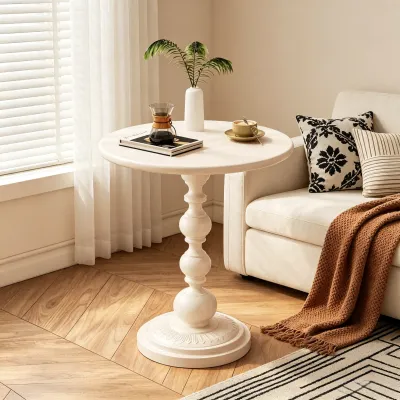
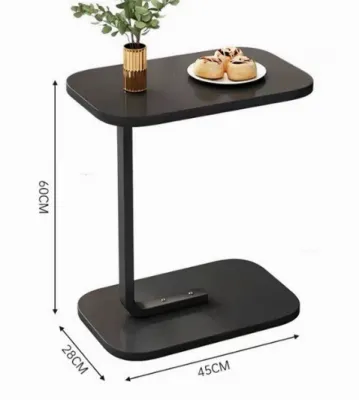
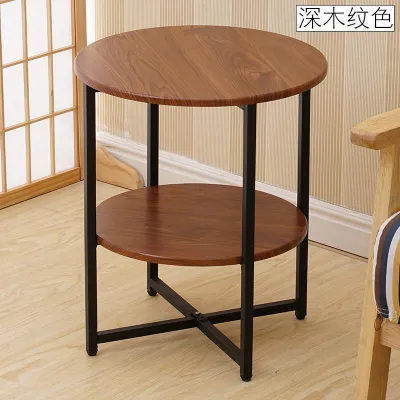
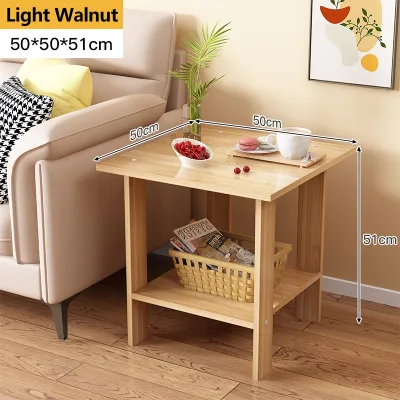
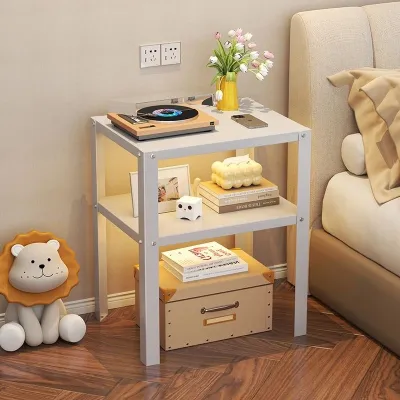
Prices are valid at publication and may change. Please refer to the product page for the latest price.
Another defining characteristic of Nordic furniture is the use of slender, tapered legs. Unlike blocky, solid-base tables that sit heavily on the floor, tapered legs elevate the tabletop while keeping the area underneath open. This exposure of the floor plane tricks the eye into perceiving more space than actually exists. It also allows light to pass underneath the furniture, maintaining a bright and airy atmosphere in tight layouts.
Furthermore, the minimalist profile of Nordic design eliminates unnecessary ornamentation, carvings, or bulky hardware. This lack of visual noise is crucial in multi-purpose spaces where clutter can accumulate quickly. Clean lines and smooth, unadorned surfaces help a side table blend seamlessly into its surroundings. By serving its functional purpose without demanding excessive visual attention, a Nordic side table helps establish a calm, organized, and balanced environment even in highly restricted layouts.
Essential Sizing and Clearance Rules for Small Rooms
To ensure a side table integrates smoothly into your living room, you must measure your space with precision rather than relying on visual estimates. The first critical dimension to evaluate is the height of the table relative to your sofa or armchair. For maximum comfort and ergonomic ease, a side table should sit level with or slightly below the top of the sofa’s armrest. This placement allows you to reach for a glass of water, a phone, or a remote control naturally without straining upward or bending awkwardly downward. If your sofa has a low-profile, modern silhouette, look for a table that stands between 45 to 55 centimeters tall; taller, traditional sofas may require a table closer to 60 centimeters in height.

Clearance around the table is equally important for maintaining safe and comfortable walkways. In tight living rooms, furniture should never create a physical bottleneck. Ensure there is a minimum clearance of 60 centimeters between the side table and any adjacent coffee tables, walls, or media consoles. If the table is placed near a doorway or a high-traffic path, increase this clearance to 75 centimeters to prevent accidental bumps or tripping hazards.
When shopping, distinguish clearly between the table’s footprint—the physical space its base occupies on the floor—and its usable surface area. Some designs feature splayed legs that extend outward beyond the perimeter of the tabletop, which can unexpectedly block pathways or prevent the table from sitting flush against a wall. For tight corners, prioritize designs where the legs remain within the vertical projection of the tabletop.
Finally, always measure the actual available floor space before making a purchase. Take into account nearby door swings, the drape of heavy curtains, electrical outlets, and baseboards that might push the table forward. Documenting these exact measurements prevents the common mistake of buying a piece that looks small in a spacious showroom but crowds your actual living area.
Best Nordic Side Table Styles for Tight Layouts
Choosing the right style of Nordic side table depends on how you use your living space and the specific layout challenges you face. Different structural designs solve distinct spatial problems while preserving the clean, light aesthetic of Scandinavian design.
C-Shaped and Slide-Under Tables
C-shaped tables are exceptionally efficient for ultra-compact rooms because they utilize vertical space over your seating. Featuring a cantilevered top supported by a single side frame and a flat base, these tables are designed to slide directly under the frame of a sofa or armchair. This allows the tabletop to hover directly over your lap or the sofa arm, bringing the surface area to you without requiring dedicated floor space next to the seating.
This style is highly versatile, serving as a temporary laptop desk, a stable surface for dining, or a convenient spot for a morning cup of coffee. Because the base tucks away, it eliminates the need for an empty corner next to your couch, allowing you to push your sofa closer to the wall or adjacent furniture.
Before choosing a C-shaped table, it is essential to verify your sofa’s clearance. Measure the height of the gap between the floor and the bottom of the sofa frame; most slide-under bases require at least 2 to 4 centimeters of clearance. Additionally, measure the height of your sofa cushions to ensure the table’s top surface will clear the armrest or seat comfortably when slid into position.
Nesting Tables for Flexible Surface Area
Nesting tables offer an adaptable solution for households that require flexible surface areas but want to keep daily floor space clear. These sets typically consist of two or three tables of graduated sizes that slide completely underneath one another when not in use. When you are home alone, they stack neatly into a single compact footprint; when hosting guests or working on projects, you can pull them apart to distribute surfaces across the room.
When selecting a Nordic nesting set, look for designs that offer visual cohesion through matching wood grains, or subtle contrast using mixed materials like solid ash tops paired with slim, matte-finished metal legs. The staggered heights of nesting tables also add visual depth and layers to a room’s decor when partially expanded.
To ensure a nesting set works in your space, verify the dimensions of the largest table in the set. This primary table dictates the maximum floor space the set will occupy when fully nested. Ensure this footprint fits comfortably in your designated storage corner without blocking walkways or overlapping with other furniture.
Slim Tripod and Pedestal Bases
For homeowners who prioritize visual lightness and easy maintenance, side tables with tripod (three-legged) or pedestal (single-pillar) bases are excellent options. By reducing the number of contact points with the floor, these designs minimize physical and visual clutter.
A major practical benefit of these minimalist bases is how much easier they make daily cleaning. In compact rooms, sweeping, vacuuming, or mopping around bulky, four-legged furniture can be frustrating. A tripod or pedestal table leaves the floor area largely unobstructed, allowing you to clean quickly without constantly moving the furniture.
However, because these designs rely on a centralized or three-point support system, you must pay close attention to stability and weight distribution. Check the manufacturer’s specifications for the table’s weight capacity. If you plan to place heavier objects, such as a ceramic table lamp or a stack of heavy books, on the table, look for a pedestal design with a weighted base or a tripod table with a low center of gravity to prevent accidental tipping.
Material and Climate Checks for the Philippines
The tropical climate of the Philippines, characterized by high relative humidity and significant seasonal temperature fluctuations, presents unique challenges for wooden and metal furniture. Nordic design heavily features natural materials, but standard untreated wood can suffer in humid environments. High moisture levels can cause solid wood to swell, warp, or split, while low-quality engineered woods like standard medium-density fiberboard (MDF) can absorb humidity and bloat if not properly sealed.
When shopping for a Nordic side table, do not rely solely on generic material labels such as “solid oak” or “pine.” Instead, carefully check the manufacturer’s product descriptions and care instructions for specific protective treatments. Look for tables finished with moisture-resistant polyurethane coatings, water-based sealants, or high-quality wood oils that protect the grain from humidity. If the table features engineered wood or veneer, verify that all edges are fully sealed and banded; exposed edges are highly vulnerable to moisture penetration, which leads to peeling and swelling over time.
For tables that incorporate metal frames, legs, or hardware, rust prevention is critical. Humid air, especially in coastal areas or homes without continuous air conditioning, can quickly cause untreated steel or iron to corrode. Ensure that any metal components are explicitly described as powder-coated, chrome-plated, or treated with rust-resistant finishes. Stainless steel and aluminum are also excellent, naturally rust-resistant alternatives that fit well within a modern Nordic aesthetic.
Finally, establish a simple care routine to prolong the life of your furniture. Avoid placing your side table directly in the path of air conditioning drafts, which can cause rapid temperature changes and stress the wood joints. Use coasters under cold drinks to prevent condensation from pooling on the surface, and wipe away any spills immediately with a dry, soft microfiber cloth to protect the finish.
Pre-Purchase Layout and Delivery Verifications
Even the most beautiful side table is of little use if it cannot be safely brought into your home or if it cannot support your daily items. For those living in high-rise condominiums, apartment complexes, or multi-story townhomes, delivery logistics require careful planning. Before finalizing your purchase, measure the dimensions of your building’s service elevator, the width of your hallways, and the turning radius of any tight stairwells. If you are purchasing a pre-assembled table, ensure the box dimensions can clear these entry points without damaging the walls or the furniture itself.
Assembly conditions are another important factor to verify. Many Nordic-style tables are sold flat-packed to reduce shipping costs and carbon footprints. Check the product details to see if the table requires self-assembly and if the necessary tools, such as Allen keys or specialized screws, are included in the package. Ensure you have a clean, flat, and spacious area on your floor—preferably covered with a soft rug or cardboard—to assemble the table safely without scratching the delicate wood veneer or matte paint.
Lastly, always verify the manufacturer’s stated load capacity. Side tables are often used to hold a variety of items, from lightweight remote controls to heavy potted indoor plants, ceramic decorative pieces, or stacks of reference books. A table with a low load capacity (such as under 5 kilograms) may warp or wobble under the weight of heavier items. Opt for a table with a verified weight limit that comfortably exceeds your intended usage, ensuring the piece remains stable, safe, and functional for years to come.
Frequently Asked Questions (FAQ)
How do I match a Nordic side table with a non-Nordic sofa?
Integrating a minimalist Nordic side table into a living room with a traditional, industrial, or modern sofa is highly achievable. The key is to find a common visual element that bridges the two styles. Look for a side table that features wood tones matching the exposed legs or frame of your existing sofa. Alternatively, if your sofa has dark metal accents, select a Nordic table with a matching matte black metal frame. Because Scandinavian design is characterized by clean, unornamented lines, its simple silhouette acts as a neutral coordinator. This allows the side table to sit comfortably alongside more decorative or bulky furniture styles without creating visual conflict.
Are glass-top Nordic side tables safe for tight walkways?
Glass-top side tables are excellent for small spaces because their transparency reduces visual weight, making the room feel more open. However, in narrow walkways, safety is a primary concern. To ensure safety, verify that the manufacturer explicitly specifies the use of tempered or safety glass, which is stronger than standard glass and designed to fracture into small, blunt pieces rather than sharp shards if broken. Additionally, choose tables with rounded, circular, or beveled edges rather than sharp, 90-degree corners. This significantly reduces the risk of painful bumps or bruises as family members navigate tight paths in your living room.
Community discussion
Share your experience or ask a question. Comments are reviewed before publication.