
Selecting the right plastic organizer storage for a compact Filipino condo requires a strategic approach to space, layout, and climate. In high-density urban centers like Metro Manila, where studio and one-bedroom units often feature limited floor areas, maximizing vertical and hidden storage is essential for maintaining an organized, clutter-free home. The ideal solution combines modular, stackable drawer units that capitalize on vertical wall space, slim wheeled bins that slide into underutilized gaps, and ventilated boxes designed to withstand tropical humidity.
Rather than purchasing generic storage containers on impulse, successful condo organization relies on matching specific organizer styles to the unique architectural constraints of your unit. By focusing on precise measurements, structural load limits, and material characteristics, you can transform tight corners, narrow hallways, and deep closets into highly functional storage zones. This guide outlines the essential steps to evaluate your space, select the most effective organizer styles, and verify critical product specifications before making a purchase.
Assessing Your Condo's Available Space and Constraints
Before browsing online marketplaces or visiting local home improvement stores, you must establish the physical boundaries of your condo. Accurate measurements prevent the common frustration of purchasing storage systems that block pathways, restrict door movement, or fail to fit inside your designated storage areas.
Products mentioned in this guide
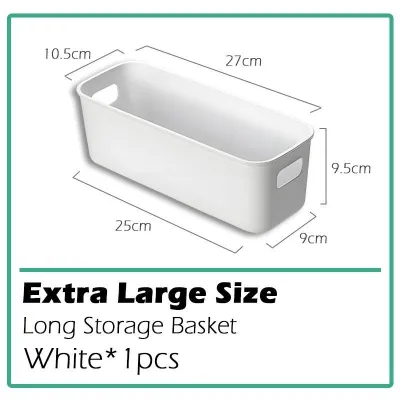
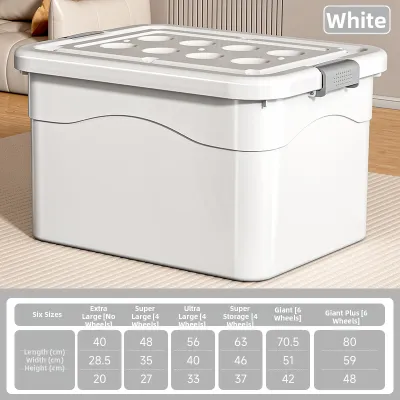
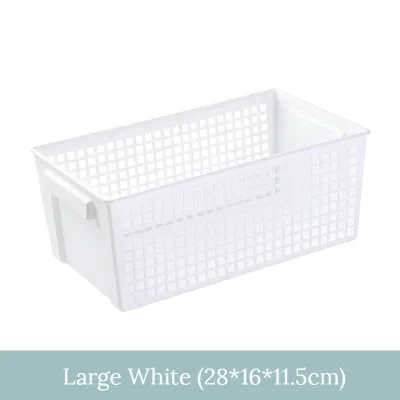
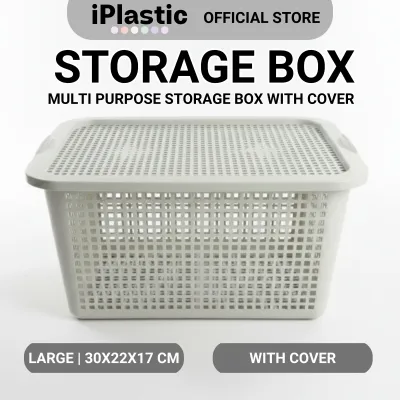
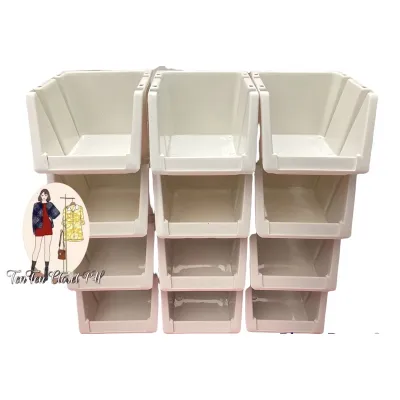
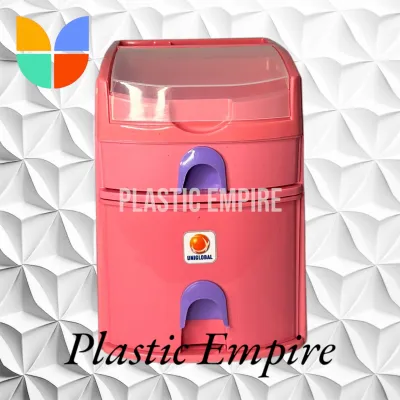
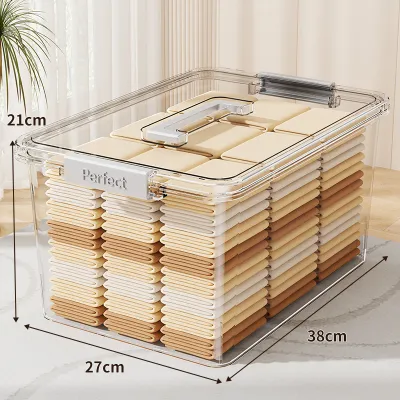
Prices are valid at publication and may change. Please refer to the product page for the latest price.
Begin by measuring the entryways, hallways, and elevator lifts of your building. Even if plastic organizers are lightweight, large modular drawer towers or bulk sets of storage bins must fit through these tight transit points during delivery and move-in. If your condo building has narrow stairwells or compact passenger elevators, verify that the packaged dimensions of your chosen organizers can navigate these spaces without causing obstruction.
Next, use a physical tape measure to record the exact dimensions of your target storage zones rather than relying on visual estimation. Measure the vertical clearance under your bed frame, the interior depth of your closets, and the height between existing pantry shelves. A difference of just one centimeter can prevent an under-bed bin from sliding smoothly or cause a closet door to catch on a storage drawer.
Finally, identify the structural composition of your walls and existing shelving units to determine their load-bearing limits. Many modern condo developments utilize lightweight gypsum board or partition walls to divide rooms, which cannot support heavy, wall-mounted plastic shelves without proper stud alignment or specialized hollow-wall anchors. If you plan to stack multiple plastic organizers on top of an existing wooden shelf, verify the shelf’s weight capacity to avoid sagging or structural failure over time.
Matching Plastic Organizer Styles to Condo Zones
Different areas of your condo present distinct storage challenges, meaning a single style of plastic organizer will rarely work for every room. Matching the design of the organizer to the specific spatial characteristics of each zone is key to maximizing utility.

For the bedroom, wheeled or low-clearance plastic bins are highly effective for utilizing the often-wasted space beneath the bed. This zone is ideal for storing seasonal clothing, extra bed linens, or travel gear that you do not need to access daily. When selecting under-bed bins, ensure they fit comfortably within the measured floor gap with at least two centimeters of clearance to prevent scratching your flooring, and verify that you have sufficient open floor space beside the bed to pull the bins out completely.
In closets, utility rooms, and awkward corners, interlocking or stackable plastic drawer units offer excellent vertical efficiency. These modular systems allow you to build custom storage towers that match the exact height of your closet hanging rods or unused corner spaces. When planning a stacked configuration, check the stability of the interlocking joints and ensure that pulling out a lower drawer does not cause the entire tower to wobble or lean forward.
For compact entryways, bathrooms, and galley kitchens, vertical wall-mounted bins or over-door hanging baskets help free up valuable floor space. These styles are perfect for holding daily essentials, toiletries, or cooking spices within easy reach. Before installation, strictly verify the compatibility of the mounting hardware with your wall material, and ensure that over-door hooks do not scratch the door frame or prevent the door from latching securely.
Sizing Guidelines for Space-Constrained Layouts
In a small condo layout, the physical dimensions of your furniture and storage accessories directly impact how spacious and comfortable the home feels. Choosing the right sizes ensures your storage solutions do not turn into physical or visual obstacles.
You must carefully balance the depth of your plastic organizers with the surrounding walking space to maintain clear pathways. In narrow galley kitchens or tight entryways, choose slim-profile organizers that sit flush against the wall or inside cabinets. Ensure that all room doors, cabinet doors, and appliance doors can open to their full range without striking the storage units, preserving a natural flow of movement throughout the day.
Opting for modular, uniform sizes is generally more effective than relying on a single large storage tub. While a massive plastic bin might seem like an easy way to consolidate clutter, it often creates dead space in irregular corners and makes retrieving items at the bottom difficult. A system of smaller, uniform bins can be stacked neatly, rearranged easily, and swapped between different rooms as your storage needs change over time.
Additionally, consider how the visual weight of different plastic finishes affects the perceived size of your room. Transparent plastic organizers are excellent for dark closets, pantries, and cabinets because they allow you to identify the contents instantly without opening every box. However, in open living areas, highly visible clutter inside clear bins can make a small room feel chaotic; in these spaces, opaque or tinted plastic organizers help maintain a clean, minimalist aesthetic that enhances the feeling of openness.
Key Specifications to Verify Before Purchase
To ensure your plastic organizers are safe, durable, and suited to your specific needs, you must look beyond aesthetics and verify critical product specifications on the manufacturer’s label.
Always read the manufacturer’s stated weight capacity before purchasing any plastic organizer. Do not assume that a large bin can safely support heavy items like books, tools, or bulk pantry goods. Look for structural features such as reinforced bases, thick corner pillars, or molded structural ribs, which help distribute weight evenly and prevent the plastic from bowing, cracking, or collapsing under load.
Inspect the quality of the moving parts, including locking mechanisms, hinges, and wheel attachments. In tight condo spaces, drawers and lids must operate smoothly without requiring excessive force or causing the unit to shift. Check that latches snap securely into place to protect your belongings from dust, pests, and tropical humidity, and verify that wheels roll smoothly without binding or scratching your floors.
Finally, review the assembly instructions and safety requirements for your chosen organizers. If you plan to stack units to create a tall storage tower, verify if the manufacturer includes or recommends anti-tip kits or wall anchors. Securing tall, stacked configurations to a solid wall structure is a vital safety step to prevent accidental tipping, particularly in high-traffic areas or homes with frequent movement.
Frequently Asked Questions (FAQ)
How can I prevent stacked plastic bins from tipping over?
To prevent stacked plastic bins from tipping over, always check the manufacturer’s maximum stack height and weight limits on the product label before assembling your storage tower. Place the heaviest items in the bottom bin to establish a low, stable center of gravity, and ensure the bins are placed on a completely flat, level floor surface. For tall configurations, use interlocking lids designed specifically for stacking, and secure the structure to a wall stud using appropriate anti-tip hardware or wall anchors.
What should I look for in plastic organizers for humid areas like bathrooms?
In humid environments like condo bathrooms, laundry areas, or kitchens, look for plastic organizers that feature adequate ventilation holes or open-weave designs to promote airflow and prevent moisture buildup. Ensure that any integrated metal components, such as hinge pins, screws, or drawer handles, are made from rust-resistant materials. Follow the manufacturer’s care instructions for regular cleaning, and make sure both the organizer and its contents are completely dry before closing lids or storing items inside.
Community discussion
Share your experience or ask a question. Comments are reviewed before publication.