
Ready-made kitchen cabinets in the Philippines offer an efficient, budget-friendly way to maximize storage in compact spaces like studio condominiums, townhouses, and apartment units. Unlike custom carpentry, which requires weeks of design, fabrication, and disruptive on-site installation, ready-made modular units are pre-fabricated and ready to assemble or install immediately. To find the best options for a small kitchen, you must prioritize vertical storage, smart internal organizers, and moisture-resistant materials that can withstand the local tropical climate. By focusing on modular compatibility and precise physical measurements, you can create a highly functional kitchen layout that feels custom-built without the premium price tag or long waiting periods.
Key Selection Criteria for Compact Ready-Made Cabinets
Floor space is the most valuable commodity in a small kitchen. When evaluating ready-made cabinets, the first rule is to prioritize vertical space over floor footprint. A cabinet that extends upward utilizes the often-wasted area above your countertops, leaving your floor clear for comfortable movement. Look for tall, narrow pantry units or wall-mounted cabinets that maximize height while keeping their depth to a minimum, ensuring that walkways remain unobstructed.
Internal storage efficiency is just as critical as external dimensions. Standard deep cabinets with fixed shelves often become hard to organize, where items placed at the back are forgotten or difficult to reach. For a compact kitchen, look for ready-made units equipped with built-in internal storage mechanisms, such as pull-out baskets, tiered shelving, or rotating corner carousels. These features allow you to access the entire depth of the cabinet easily, maximizing every cubic inch of storage space.
Products mentioned in this guide
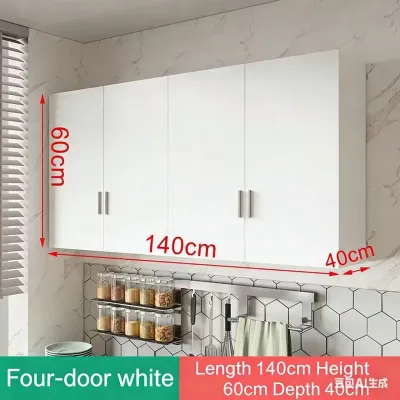
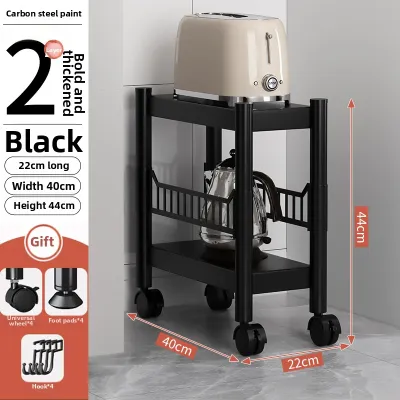
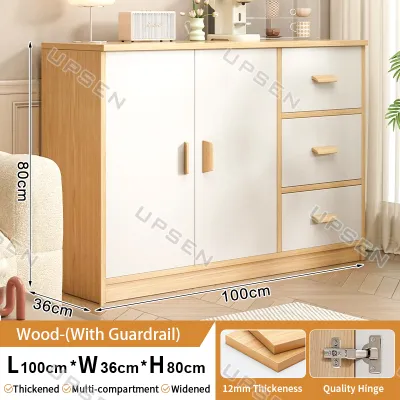
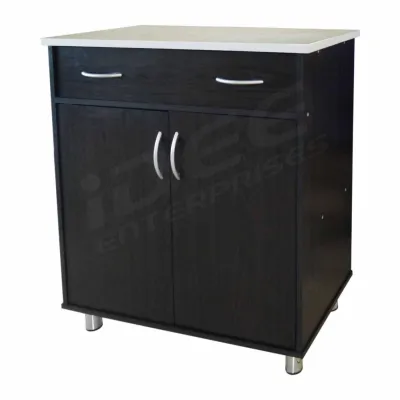
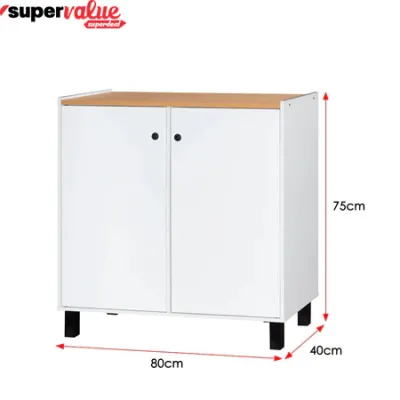
Prices are valid at publication and may change. Please refer to the product page for the latest price.
Modular compatibility is another essential factor to consider. Many ready-made cabinet systems are designed as individual modules that can be mixed and matched. When planning your layout, verify that the manufacturer’s standard sizes can be combined seamlessly to fit your wall length. Choosing a modular system with various width options allows you to minimize awkward gaps and avoid the need for custom filler panels, creating a cohesive and streamlined look.
Recommended Cabinet Configurations for Limited Spaces
Achieving an efficient small kitchen layout requires a strategic combination of different cabinet configurations. Base units, wall cabinets, and tall pantry towers each serve distinct functional purposes. In a tight floor plan, balancing these elements is key to maintaining an ergonomic workflow while securing enough storage for cookware, appliances, and dry goods.

Ergonomic access should always take precedence over sheer storage volume. Placing heavy, frequently used items in easily accessible zones—such as drawers below the counter or shelves at eye level—prevents physical strain and speeds up meal preparation. Conversely, items used only occasionally can be relegated to high wall cabinets or the very bottom of deep base units.
You must also weigh the trade-offs between fixed, wall-mounted installations and flexible, movable storage solutions. While fixed cabinets offer maximum stability and a permanent, integrated look, they cannot be easily rearranged. Mobile storage units, on the other hand, provide excellent versatility, allowing you to adapt your kitchen layout on the fly as your daily needs change.
Tall Pantry Units and Vertical Storage
Tall pantry units are excellent space-savers for narrow kitchens, consolidating dry goods, small appliances, and pantry staples into a single, high-capacity vertical column. Before purchasing a tall freestanding unit, it is crucial to measure your ceiling height clearances carefully. Be sure to account for any overhead obstructions common in Philippine homes, such as structural concrete beams, low-hanging light fixtures, or kitchen exhaust fan ducting that might block the cabinet’s placement.
Because tall units store a large volume of items, you must verify the weight capacity of the shelves, especially if they are adjustable. Heavy items like bags of rice, canned goods, and small kitchen appliances can cause poorly constructed shelves to sag over time. Look for units with robust shelf support pins and thick, reinforced panels that can handle your typical storage load without warping.
Stability is a paramount safety concern for any tall, narrow furniture piece. Freestanding pantry units have a higher center of gravity, making them susceptible to tipping over if they are front-heavy or if drawers are pulled out quickly. Always check if the manufacturer includes wall-anchoring hardware and instructions, and ensure your kitchen walls—whether concrete or drywall—can support secure anchoring.
Base Cabinets with Pull-Out Organizers
Base cabinets form the foundation of your kitchen workspace, but traditional swing-door models can be highly inefficient in tight quarters. To access items at the back of a deep, low shelf, you often have to bend down and remove everything in front. Replacing or upgrading these with base cabinets featuring deep drawers or pull-out wire baskets dramatically improves accessibility, allowing you to view and reach your entire inventory from above.
The longevity of a drawer-based cabinet depends heavily on the quality of its hardware. When shopping for ready-made options, inspect the drawer slides and verify their load-bearing specifications. Look for full-extension, ball-bearing slides that operate smoothly even when the drawer is fully loaded with heavy pots and pans, as cheap plastic rollers are prone to cracking and jamming under pressure.
Additionally, pay close attention to the external hardware and handle designs. In a narrow kitchen corridor, protruding handles can catch on clothing or bruise hips as you move past. Opt for cabinets with recessed handles, integrated J-pull profiles, or push-to-open mechanisms that keep the cabinet fronts completely flush, preserving every millimeter of walkway clearance.
Mobile Kitchen Carts and Island Alternatives
When a fixed kitchen island is impossible due to space constraints, a mobile kitchen cart serves as an excellent alternative. These versatile, wheeled units can function as extra food preparation surfaces, temporary serving stations, or dedicated coffee bars. When not in use, they can be rolled out of the way, parked against an empty wall, or tucked neatly under a counter overhang to keep the main floor area clear.
Safety and stability are critical when using a mobile cart for food preparation. Ensure that the cart is equipped with heavy-duty casters, and verify that at least two of the wheels feature reliable locking mechanisms. This prevents the cart from shifting or rolling unexpectedly while you are chopping ingredients, mixing batter, or operating small appliances on its surface.
The material of the cart’s countertop is another important consideration. If you plan to use it as an active prep station, look for heat-resistant and durable surfaces like solid wood, stainless steel, or engineered stone. Check the manufacturer’s care instructions to confirm whether the surface requires a cutting board or if it can withstand direct contact with warm pots and kitchen tools.
Essential Pre-Purchase Measurements and Clearance Checks
The most common pitfall when buying ready-made furniture is relying on visual estimates rather than precise measurements. Before browsing online catalogs or visiting showrooms, grab a reliable tape measure and map out your kitchen’s exact dimensions. Do not just measure wall-to-wall; you must account for baseboard thickness, uneven plaster or concrete walls, and any protruding wall outlets, light switches, or plumbing pipes that could prevent a cabinet from sitting flush.
Beyond the kitchen itself, you must plan the delivery path from the street to your home. Measure the width and height of all doorways, tight hallway corners, stairwell turns, and elevator doors that the delivery team must navigate. If you live in a high-rise condominium or a multi-story townhouse, confirming these dimensions beforehand ensures that large pre-assembled cabinets or bulky flat-pack boxes can actually reach your unit without getting stuck.
Finally, perform thorough clearance checks for all moving parts within the kitchen. Draw a simple floor plan showing the swing arcs of your refrigerator door, oven door, and existing room doors. Ensure that your new ready-made cabinet doors and drawers can open fully without colliding with these appliances or blocking critical exit paths, maintaining a safe and functional work triangle even during busy cooking hours.
Material and Finish Verification for Tropical Environments
The tropical climate of the Philippines presents unique challenges for wooden furniture, characterized by high relative humidity, seasonal temperature shifts, and potential exposure to water splashes. When selecting ready-made cabinets, do not assume that a material is durable or water-resistant based solely on its generic name. Instead, carefully review the manufacturer’s care instructions and environmental limitations to understand how the material behaves under humid conditions.
For engineered wood products like particleboard or medium-density fiberboard (MDF), the quality of the edge banding is the primary line of defense against moisture. Inspect the edges of the cabinet doors and carcass panels to ensure the banding is completely sealed, smooth, and free of gaps. Unsealed edges allow humid air or spilled liquids to penetrate the inner wood fibers, causing the panels to swell, bubble, and degrade over time.
Hardware durability is equally important in tropical environments, where salty air or high humidity can accelerate rust and corrosion. Check the specifications of the cabinet hinges, drawer slides, and handles to verify they are made of rust-resistant materials, such as stainless steel or zinc-plated steel with protective coatings. High-quality hardware ensures that your cabinet doors continue to open smoothly and quietly, even after years of exposure to kitchen steam and humidity.
Building Your Shortlist: A Step-by-Step Buyer's Checklist
Creating a structured shortlist is the best way to compare different ready-made cabinet options objectively. Start by listing your top candidates and cross-referencing their exact product dimensions against your verified kitchen measurements and clearance maps. Eliminate any units that compromise your walkways or block access to essential appliances, regardless of how attractive or affordable they may seem.
Next, calculate the total landed cost for each option to avoid unexpected expenses. The price tag on the showroom floor or online listing is rarely the final cost. Be sure to factor in delivery fees, professional assembly charges (if you prefer not to assemble flat-pack units yourself), and potential return shipping costs in ₱ in case of damage or incorrect sizing. Comparing these total costs gives you a realistic picture of your investment.
Finally, confirm the seller’s warranty terms and return policies before making your purchase. Look for warranties that specifically cover structural integrity, manufacturing defects, and hardware failures. Pay close attention to any exclusions, particularly regarding moisture damage or improper assembly, so you know exactly what is covered and how to care for your new cabinets to keep the warranty valid.
Frequently Asked Questions (FAQ)
Can ready-made cabinets be modified to fit uneven walls or pipes?
Modifying factory-finished ready-made cabinets is generally risky and can compromise their structural integrity. Cutting, drilling, or shaving down panels made of engineered wood can weaken the joints and void the manufacturer’s warranty. If you must accommodate minor wall irregularities or protruding pipes, it is safer to use adjustable leveling feet, add matching filler strips to close gaps, or leave strategic spaces rather than altering the cabinet frame itself. If complex modifications are unavoidable, consult a qualified carpenter or the manufacturer to assess the feasibility before proceeding.
How do I check if a ready-made cabinet set will fit through my doorways?
To ensure a smooth delivery, always compare the product’s packaged dimensions—not just its final assembled size—against the narrowest points of your delivery path. Contact the seller directly to confirm whether the cabinet ships as a fully assembled unit or as a flat-pack box, as flat-packs are much easier to transport through tight spaces. Measure the clearance of your entryways, stairwell landings, and elevator doors, allowing a few extra centimeters of buffer space on all sides to prevent damage to your walls and the furniture during transit.
Community discussion
Share your experience or ask a question. Comments are reviewed before publication.