
For small condo bedrooms in the Philippines, the most efficient shoe storage solution is a slim tilt-out shoe cabinet or a multi-functional storage bench. Slim tilt-out models utilize vertical wall space with a depth of just 15 to 24 centimeters, making them ideal for narrow pathways behind doors or along bedroom walls. Meanwhile, multi-functional benches double as seating while keeping footwear hidden, reducing visual clutter in compact layouts.
Condo living in major Philippine urban hubs often means working with studio or one-bedroom layouts where every square centimeter of floor space is premium real estate. Managing footwear in a tropical climate requires balancing space efficiency with proper air circulation to prevent mold and odor. Choosing the right cabinet involves assessing your space, understanding cabinet types, and verifying critical clearances before buying.
Assessing Your Bedroom Space and Shoe Capacity Needs
Before purchasing any furniture, you must map out the physical boundaries of your bedroom. Use a steel measuring tape to record the length, width, and height of the designated area. It is vital to measure the door swing path of both your bedroom entry door and any built-in closet doors. Mark these zones on the floor with painter’s tape to visualize how much clearance remains when doors are fully open.
Products mentioned in this guide
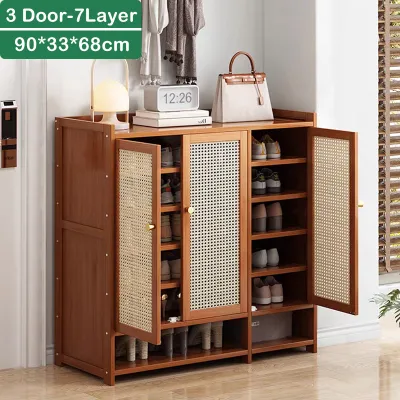
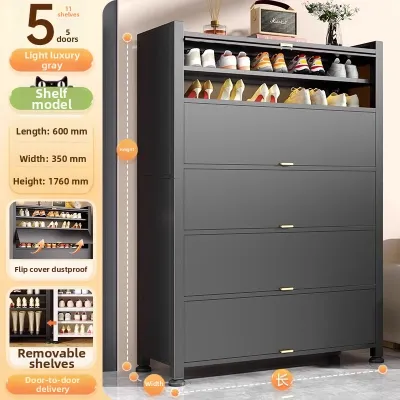
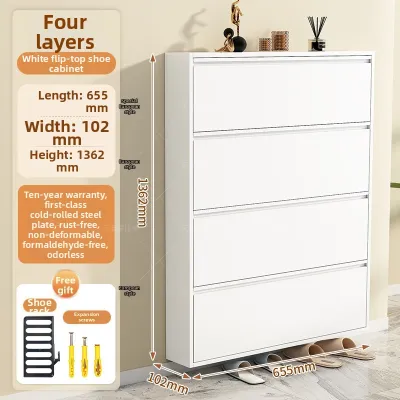
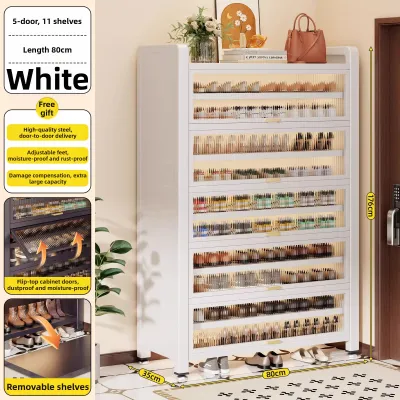
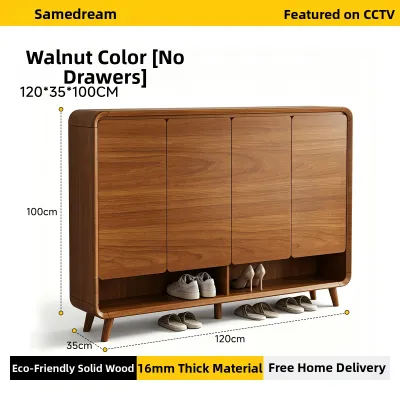
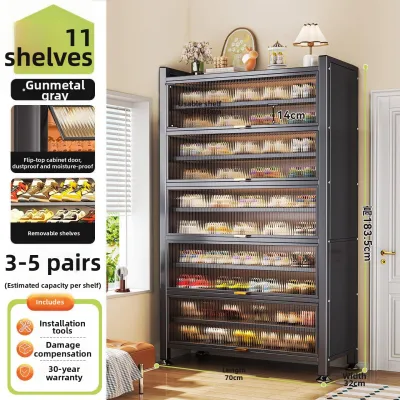
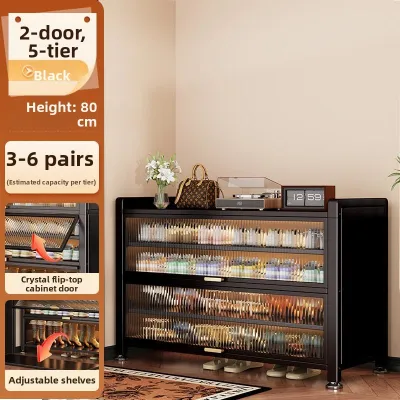
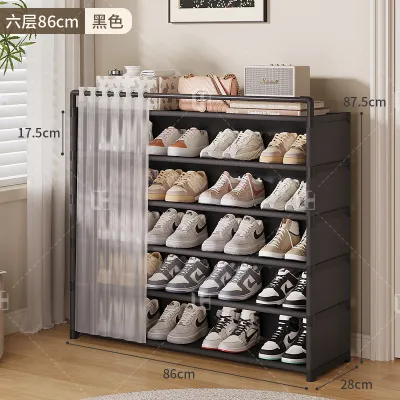
Prices are valid at publication and may change. Please refer to the product page for the latest price.
Your storage needs depend heavily on the types of shoes you own. A single pair of flat sandals or slippers takes up very little vertical space, whereas chunky sneakers, platform heels, or leather work shoes require significantly more height and depth. Calculate your actual inventory: count how many pairs you wear daily, how many are for special occasions, and how many belong to each household member.
Look for underutilized areas that can be converted into storage. The narrow gap behind an open bedroom door, the empty space beneath a bed frame, or an awkward corner next to a wardrobe are prime examples. Identifying these dead spaces allows you to select specialized storage types rather than relying on a standard, bulky chest of drawers.
Top Space-Efficient Shoe Cabinet Types for Small Bedrooms
Slim Tilt-Out Cabinets
These units are the premier choice for tight walkways. Instead of traditional pull-out drawers that require deep clearance, tilt-out cabinets feature hinged compartments that open downward at an angle. This design allows the cabinet to maintain an ultra-slim profile. When selecting these, check if the internal dividers are adjustable or removable, as fixed dividers may not accommodate high-top sneakers or heels.

Under-Bed Storage Drawers or Rolling Bins
If wall space is entirely occupied by your bed and wardrobe, look to the horizontal plane. Under-bed rolling bins or fabric zippered bags utilize the substantial footprint of your bed. This is an excellent spot for storing seasonal footwear, formal shoes, or extra slippers that you do not need to access multiple times a day.
Over-Door and Hanging Organizers
When floor space is zero, vertical soft-storage solutions offer a practical alternative. Hanging organizers made of heavy-duty canvas or mesh can be suspended from the back of a bedroom door or inside a closet. While highly accessible, you must monitor the weight distribution to prevent straining the door hinges or causing the organizer to sag.
Modular or Stackable Cubes
For awkward layouts, modular plastic or wooden cubes provide customizable flexibility. You can stack them vertically to create a tall, narrow tower, or arrange them horizontally to fit beneath a low window sill. This adaptability allows your storage system to grow or change shape if you relocate to a different condo unit.
Multi-Functional Furniture
In a compact bedroom, every piece of furniture should perform double duty. A storage bench placed at the foot of the bed offers a comfortable place to sit while putting on socks, while housing several compartments for shoes underneath. Alternatively, a bedside table with a lower slatted shelf can keep your daily-wear slippers organized and within arm’s reach.
Critical Dimensions and Clearance Checks Before Buying
A standard shoe cabinet typically has a depth of 30 to 35 centimeters, which can severely restrict movement in a narrow condo bedroom. Slim cabinets reduce this depth to 15 to 24 centimeters. To maintain a comfortable walkway, ensure you have at least 60 centimeters of open space in front of the cabinet when all drawers or doors are closed.
Do not just measure the cabinet in its closed state. A tilt-out drawer requires an additional 25 to 35 centimeters of clearance to swing fully open. If the drawer hits your bed frame or wardrobe door before reaching its full angle, retrieving your shoes will be a daily frustration.
Many condo dwellers overlook the journey from the delivery truck to the bedroom. Before ordering a pre-assembled cabinet, measure the width and height of your condo building’s elevator door, the hallway turns, and your unit’s entry door frame. If these clearances are too tight, prioritize flat-pack furniture that you can assemble directly inside your bedroom.
Wall-mounted cabinets are excellent for freeing up floor space, but they require secure anchoring. Verify the weight capacity of both the cabinet and your walls. Drywall partitions common in modern condo divisions cannot support heavy wooden cabinets loaded with shoes unless you anchor them directly into the metal studs.
Common Sizing and Placement Mistakes to Avoid
Placing a cabinet too close to an entrance, balcony door, or built-in closet can restrict movement or damage the furniture over time. A door swinging open and repeatedly striking the side of a shoe cabinet will chip the finish and loosen the joints.
Manufacturers often advertise shoe capacities based on small, flat footwear like flats or children’s shoes. If your collection consists of chunky athletic sneakers, basketball shoes, or boots, a cabinet rated for 18 pairs may only comfortably hold 10 to 12 pairs. Always cross-reference the physical width of your widest shoes with the internal drawer dimensions.
In compact condo layouts, wall space is often shared with air conditioning vents, return grilles, light switches, and electrical outlets. Placing a tall cabinet directly in front of an AC vent restricts airflow, forcing your cooling system to work harder and increasing your electricity bill. It also blocks access to outlets needed for chargers or appliances.
Tall, narrow cabinets have a high center of gravity, especially when the top drawers are loaded with heavier shoes. Bumping into an unanchored cabinet in a narrow walkway can cause it to tip forward, risking injury and damaging your property.
Installation, Safety, and Condo Rules to Keep in Mind
To ensure long-term safety, tall or slim tilt-out cabinets must be securely anchored to the wall. Because these units lean forward when opened, the shifting weight can easily pull them over. Use appropriate wall anchors and screws designed for your specific wall type, whether concrete, brick, or drywall.
Before drilling any holes or mounting heavy furniture, consult your condo corporation’s tenant or owner handbook. Many developments have strict rules regarding drilling into structural concrete walls, modifying built-in cabinetry, or altering fire-rated entry doors. Some properties require a work permit or a deposit before any drilling or assembly work can begin.
The tropical climate of the Philippines brings high humidity levels, particularly during the rainy season. Avoid placing your shoe cabinet against walls that share plumbing with a bathroom, or directly beneath air conditioning units where condensation might drip. High humidity combined with enclosed dark spaces creates a breeding ground for mold and mildew, which can ruin leather and fabric shoes.
If you are renting your condo unit and cannot drill into the walls, utilize damage-free solutions. Apply heavy-duty, non-slip rubber pads to the base of your cabinet to prevent it from sliding on polished tile or laminate flooring. For lightweight hanging organizers, use removable adhesive hooks or over-the-door brackets lined with foam padding to prevent scratching the door frame.
Frequently Asked Questions (FAQ)
How many pairs of shoes can a slim tilt-out cabinet actually hold?
The actual capacity of a slim tilt-out cabinet depends heavily on the shoe sizes and styles you own. A standard three-tier slim cabinet advertised for 18 pairs typically accommodates that number only if the shoes are low-profile flats, sandals, or thin canvas sneakers. For chunky running shoes, leather dress shoes, or high heels, the capacity often drops by 30% to 50%. Choosing a model with adjustable or removable internal dividers allows you to customize the slot heights to fit larger footwear.
Can I mount a heavy shoe cabinet on a hollow condo bedroom door?
Mounting a heavy, solid wood shoe cabinet on a standard hollow-core condo bedroom door is not recommended. Hollow-core doors lack the internal structural support to hold significant weight, and the constant opening and closing motion will quickly loosen mounting screws, warp the door frame, or damage the hinges. If you want to use the door space, opt for lightweight fabric, mesh, or plastic over-door organizers that distribute the weight evenly across the top of the door frame using wide metal brackets.
What is the best way to prevent shoe odor in a small, enclosed bedroom?
To prevent shoe odors from accumulating in a compact bedroom, select a shoe cabinet with built-in ventilation, such as slatted doors, mesh panels, or an open-back design. Always ensure your shoes are completely dry and aired out before placing them inside the cabinet, especially after outdoor exposure during the rainy season. Placing active charcoal deodorizers, silica gel packets, or baking soda sachets inside the compartments will help absorb excess moisture and neutralize odors naturally.
Community discussion
Share your experience or ask a question. Comments are reviewed before publication.