
Selecting the ideal shoe organizer cabinet for a compact condominium in the Philippines requires balancing storage capacity with a minimal physical footprint. The most effective solution is a slim, vertical, or multi-functional cabinet that utilizes wall space rather than floor area, while incorporating ventilation features to handle the country’s high relative humidity. In tight urban layouts, a poorly chosen cabinet can block entryways, restrict door movement, and trap moisture, leading to mold growth on your footwear. By focusing on precise spatial measurements, structural designs tailored for narrow corridors, and climate-resilient materials, you can maintain an organized, clean, and easily navigable home.
Key Dimensions to Measure Before Buying
Before browsing online marketplaces or visiting local furniture showrooms, you must establish the exact physical boundaries of your condo’s entryway. Begin by measuring the available floor footprint where the cabinet will stand. Use a metal measuring tape to record the width and depth of the designated area, making sure to subtract the thickness of baseboards, which can prevent a flat-backed cabinet from sitting flush against the wall. You must also account for the swing clearance of your main entrance door, closet doors, and any adjacent room doors to ensure the cabinet does not obstruct daily foot traffic or create a safety hazard during emergencies.
Vertical measurements are equally critical when selecting furniture for compact spaces. Measure the height from the floor to the ceiling, but pay close attention to any overhead obstructions that could limit your options. In many Philippine condominiums, low-hanging light fixtures, wall-mounted air conditioning units, electrical panels, and exposed fire sprinkler pipes or utility ducts can severely restrict the height of a tall storage tower. Identifying these obstacles early prevents the frustration of purchasing a unit that blocks essential utility access or cannot be safely assembled in its intended spot.
Products mentioned in this guide
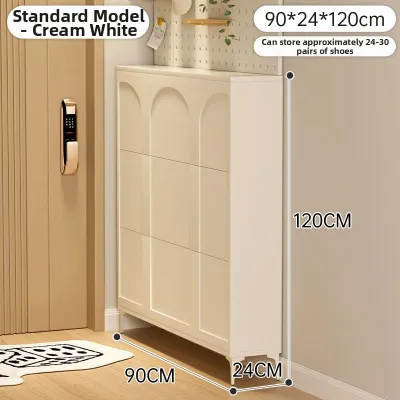
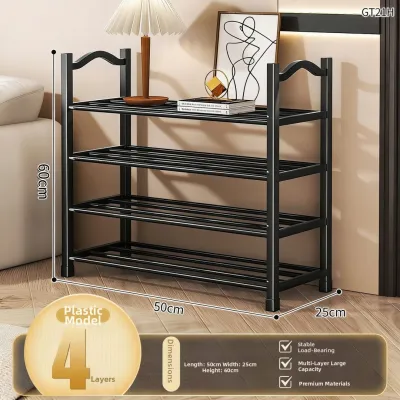
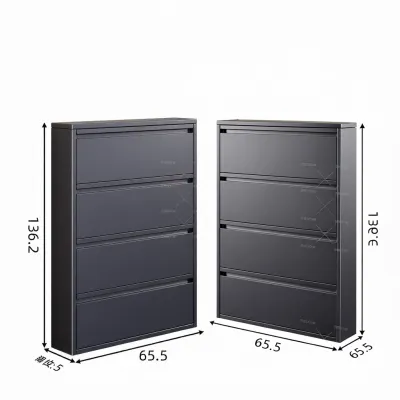
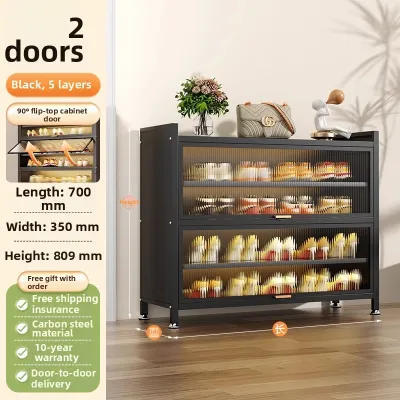
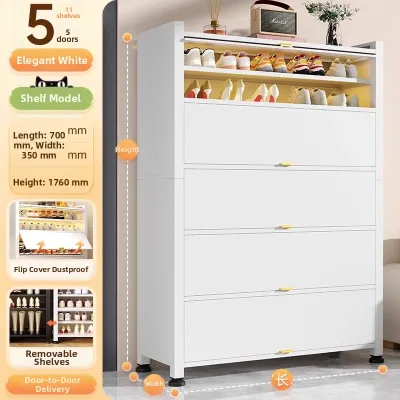
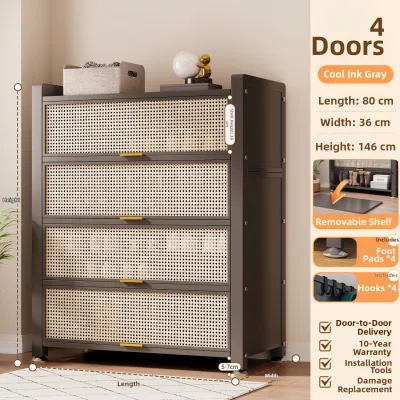
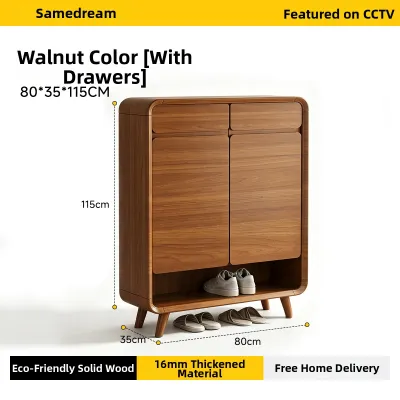
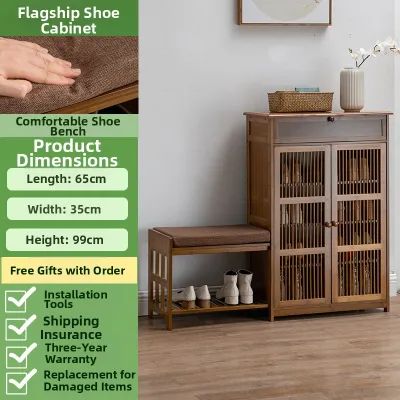
Prices are valid at publication and may change. Please refer to the product page for the latest price.
Finally, consider the logistical path from the delivery vehicle to your unit’s front door. High-rise living introduces unique transport challenges that are often overlooked until the delivery truck arrives. Measure the height, width, and diagonal clearance of the condo building’s service elevator, as well as the width of the corridors and the turning radius of any tight stairwell corners. If a pre-assembled cabinet is too large to fit through these common areas, you may need to opt for flat-pack furniture that can be transported in smaller boxes and assembled directly inside your unit.
Space-Saving Designs for Compact Layouts
When floor space is at a premium, traditional shoe cabinets with standard hinged doors that swing outward are often impractical. Instead, slim tilt-out shoe cabinets offer an exceptionally efficient alternative for narrow hallways and tight entryways. These units feature compartments that pivot downward, allowing shoes to be stored vertically or at an angle. Because the doors open downward within a self-contained frame, they require only a fraction of the clearance space needed by conventional cabinet doors, making them ideal for corridors where every centimeter of walkway must be preserved.

For units with higher ceilings, tall vertical shoe towers allow you to maximize unused upward space while keeping the floor footprint to an absolute minimum. These structures stack shoe shelves vertically, often reaching heights of 1.5 to 2 meters while maintaining a depth of only 30 centimeters or less. By shifting the storage volume upward, you can accommodate a larger shoe collection without encroaching on the limited floor area of your living room or foyer. This design is particularly beneficial for single occupants or couples who need to store multiple pairs of daily footwear in a centralized, easily accessible location.
Multi-functional entryway benches represent another highly practical design for multi-use condo spaces. These low-profile units combine a sturdy top surface for seating with concealed shoe compartments underneath, serving two distinct purposes in a single piece of furniture. A storage bench provides a comfortable spot to sit while putting on or removing shoes, which is especially convenient in households that observe a strict no-shoes-indoors policy. By consolidating seating and storage, you eliminate the need for a separate chair or stool, thereby freeing up valuable floor space for other essential home items.
Material and Ventilation Checks for Tropical Climates
The tropical climate of the Philippines, characterized by high temperatures and intense humidity, poses a constant threat to stored footwear and wooden furniture. Without proper air circulation, enclosed dark spaces quickly become breeding grounds for mold, mildew, and unpleasant odors. When evaluating a shoe organizer cabinet, prioritize designs that actively promote ventilation. Look for units featuring louvered doors, slatted shelves, or breathable mesh back panels. These structural elements allow continuous airflow, helping to dry out damp shoes after a sudden afternoon downpour and preventing moisture from becoming trapped inside the cabinet.
The choice of material is another critical factor in ensuring the longevity of your cabinet in a humid environment. While solid wood is highly durable, it can be susceptible to warping if not properly sealed, while low-grade particleboard often swells and disintegrates when exposed to moisture. If you select engineered wood, such as medium-density fiberboard (MDF) or plywood, check the manufacturer’s specifications to ensure it features a moisture-resistant finish, high-quality laminate, or protective edge banding. These protective layers seal the core material against ambient humidity, preventing water vapor from penetrating the joints and causing structural degradation over time.
Conversely, you should avoid fully sealed, unventilated plastic or solid-door enclosures that lack any form of air exchange. While these cabinets might appear sleek and dust-proof, they trap the moisture inherent in tropical air and the sweat left behind on worn shoes. Over time, this trapped humidity can ruin delicate materials like leather, suede, and canvas, leading to peeling, discoloration, and persistent musty smells. If you do purchase a solid-door cabinet, plan to install small moisture-absorbing sachets or charcoal deodorizers inside, and make a habit of leaving the doors open periodically to allow the interior to air out.
Conditional Shortlist: Matching Cabinet Types to Your Space
To simplify your decision-making process, it is helpful to map specific condo layouts to the most compatible cabinet designs. Different areas of a compact apartment present distinct spatial challenges, meaning a solution that works perfectly in a bedroom corner might fail completely in a narrow entrance corridor. The following matrix outlines the ideal cabinet features, depth requirements, and trade-offs for common small-space scenarios found in modern Philippine condominiums.
| Space Type | Ideal Cabinet Features | Max Depth Requirement | Expected Capacity | Primary Benefits & Trade-offs |
|---|---|---|---|---|
| Narrow Corridor | Slim tilt-out doors, wall-mounted frame, ventilated back | 15 to 20 cm | 6 to 12 pairs | Pro: Ultra-thin profile keeps walkways completely clear.<br>Con: Cannot accommodate bulky boots or high-top sneakers easily. |
| Multi-Use Living Area | Multi-functional bench, padded seating top, slatted lower shelves | 30 to 35 cm | 4 to 8 pairs | Pro: Dual-purpose seating and storage; easy access for daily wear.<br>Con: Limited total capacity; shoes are partially visible. |
| Bedroom Corner | Tall vertical tower, open shelving or louvered doors, adjustable shelves | 25 to 30 cm | 15 to 24 pairs | Pro: High storage capacity using vertical wall space.<br>Con: Higher visual bulk; must be securely anchored to the wall. |
| Behind-the-Door Nook | Ultra-slim hanging organizer, over-the-door hooks, fabric pockets | 10 to 15 cm | 8 to 16 pairs | Pro: Utilizes completely dead space; highly affordable.<br>Con: Less aesthetic appeal; fabric can wear out faster in high humidity. |
When analyzing these options, consider the trade-offs inherent in each design. An ultra-slim tilt-out cabinet is unmatched in its ability to fit into tight corridors, but its narrow compartments mean you may have to store larger shoes, such as athletic sneakers or high heels, at an angle or remove internal dividers, which reduces the overall pair capacity. On the other hand, an entryway bench offers excellent convenience and comfort, but its lower height limits its storage capacity, making it more suitable as a secondary organizer for daily-use shoes rather than a primary storage solution for an entire footwear collection.
Assembly and Safety Considerations for Condo Living
Installing furniture in a condominium requires careful attention to building regulations and structural safety. Many condo corporations and property management offices in the Philippines enforce strict guidelines regarding unit modifications, particularly concerning drilling into shared walls or structural concrete columns. Before purchasing a wall-mounted shoe cabinet or planning to secure a tall tower, consult your building’s administration office to clarify what types of wall anchors are permitted and whether you need to submit a work permit for installation.
For tall, top-heavy, or slim cabinets, securing the unit to the wall is an indispensable safety measure. These narrow designs have a high center of gravity, making them prone to tipping over when multiple drawers are opened simultaneously or if someone accidentally bumps into them. This risk is significantly elevated in households with young children or active pets who might attempt to climb the furniture. Always utilize the anti-tip hardware kits provided by the manufacturer, and ensure they are anchored into a solid wall stud or using appropriate heavy-duty drywall anchors rather than relying on weak plaster or adhesive strips.
If you are considering a floating or wall-mounted shoe shelf to keep your floor completely clear, you must verify both the weight capacity of the shelf and the load-bearing limits of your wall. Footwear can be surprisingly heavy when aggregated, and overloading a floating shelf can lead to structural failure, damaging your walls and your shoes. Check the manufacturer’s specified weight limits, distribute the weight evenly across the shelves, and regularly inspect the mounting brackets for any signs of sagging, loosening screws, or wall cracking to ensure the installation remains secure over years of daily use.
Frequently Asked Questions (FAQ)
How many pairs of shoes can a slim tilt-out cabinet typically hold?
A standard slim tilt-out cabinet with two or three compartments typically holds between 6 to 12 pairs of adult shoes, depending on the shoe size and style. Flat shoes, sandals, and low-profile sneakers slide easily into the narrow slots, allowing you to maximize the cabinet’s capacity. However, bulkier footwear such as high-top basketball shoes, thick-soled running shoes, or high heels will require more space, often forcing you to store them sideways or remove the internal adjustable dividers. To avoid disappointment, always check the manufacturer’s detailed internal compartment dimensions rather than relying solely on the advertised pair count, which is usually calculated using small, flat footwear.
Are shoe cabinets with built-in mirrors practical for small spaces?
Yes, shoe cabinets with built-in mirrored doors are highly practical for small condo entryways because they serve a dual purpose without occupying extra wall or floor space. The mirror reflects light, creating the visual illusion of a larger, more open foyer, while providing a convenient spot for a quick outfit check before you head out the door. However, this design does require more frequent maintenance, as mirrored surfaces in high-traffic entryways are highly susceptible to fingerprints, dust, and scuff marks from shoes. If you choose a mirrored cabinet, be prepared to clean the glass regularly with a microfiber cloth to maintain its bright, clean appearance.
Community discussion
Share your experience or ask a question. Comments are reviewed before publication.