
Quick Answer: Maximizing Shoe Storage in a Small Closet
In a compact Philippine condominium, where bedroom closets are often narrow and floor space is at a premium, the most effective shoe storage strategy is to prioritize vertical height and utilize overlooked gaps rather than expanding the floor footprint. Before purchasing any organizer, you must measure your exact closet clearance to avoid blocking doors or hanging clothes. Matching the structural design of the rack to your specific shoe collection—whether you own bulky sneakers, high heels, or flat sandals—enures you maximize every square inch of your limited storage space.
Measuring Your Closet and Planning the Layout
When planning your closet storage, do not rely on visual estimates. Begin by measuring the exact floor footprint available inside your closet, taking care to account for baseboards, door hinges, and sliding door tracks. Baseboards can push a shoe rack forward by several centimeters, which might prevent your closet doors from closing completely if the clearance is tight.

Next, calculate the vertical clearance by identifying potential obstructions. Measure the distance from the closet floor to the bottom hem of your lowest-hanging garments, such as long dresses, trousers, or coats. This measurement determines the maximum height your shoe rack can be before it begins crushing or wrinkling your clothes.
Products mentioned in this guide
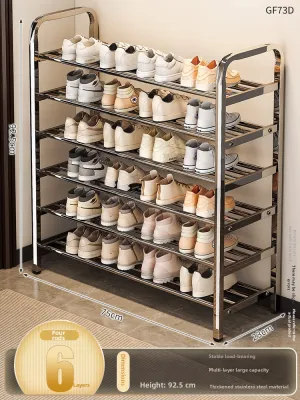
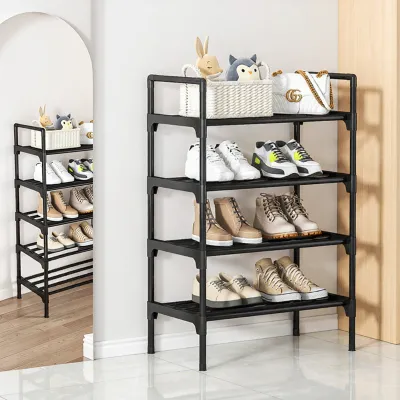
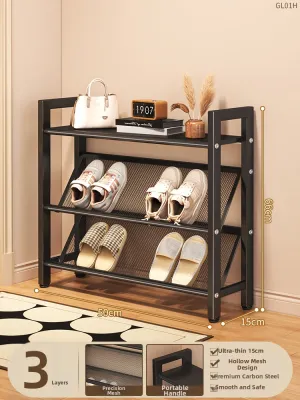
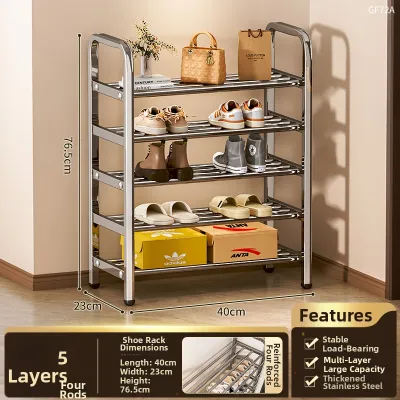
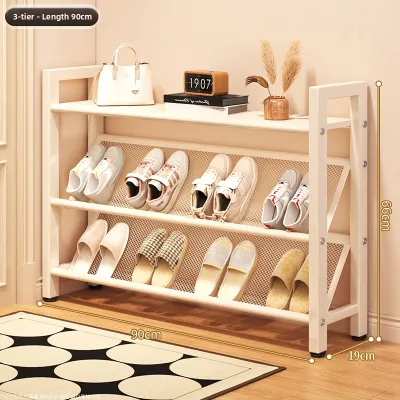
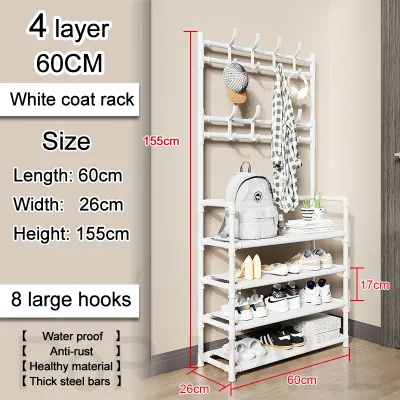
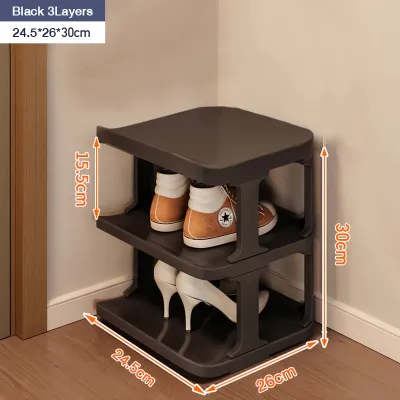
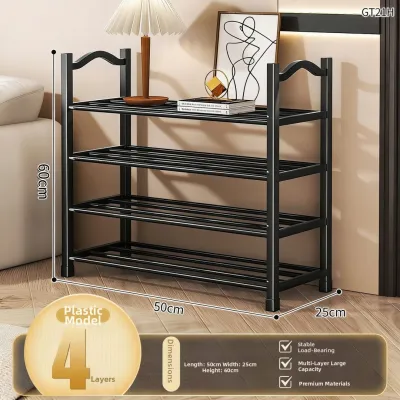
Prices are valid at publication and may change. Please refer to the product page for the latest price.
Map the door swing path carefully to ensure the rack does not block entry or exit. For closets with traditional swing doors, the rack must sit entirely outside the door’s arc. If your condo features sliding closet doors, verify that the depth of the rack allows the doors to slide past each other smoothly without scraping against the front of your shoes.
Finally, consider how easily you can reach the back corners of the closet. If your closet is deep but narrow, a modular system that allows you to retrieve shoes from the front without reaching into dark, cramped corners is highly beneficial. Planning your layout around these physical boundaries prevents spatial frustration after assembly.
Space-Saving Shoe Rack Types for Compact Closets
When dealing with tight condo closets, shoe organizers generally fall into three spatial categories: stackable floor units, hanging door systems, and ultra-slim tiered racks. Each format addresses a different spatial constraint, trading off total capacity for ease of access or floor preservation.
Choosing the right type requires balancing your storage needs with your closet’s physical limitations. A floor-based rack offers high stability but consumes valuable floor area, while hanging systems free up the floor entirely but place weight stress on doors or closet rods. Understanding these structural trade-offs helps you select a system that aligns with your daily routine and closet layout.
Stackable and Adjustable Shelf Racks
These systems allow you to expand your storage horizontally or vertically as your collection grows. They are highly versatile but require careful inspection of their mechanical joints to ensure long-term stability.
If you choose an expandable horizontal rack, check the locking mechanisms or pins that secure the telescoping poles. Ensure they lock tightly to prevent the rack from sliding closed under the weight of your shoes. Loose joints can cause the shelves to sag, leading to unstable storage.
Verify the weight limits per tier to prevent bowing under heavy footwear. Heavy leather shoes, boots, or thick-soled sneakers can cause thin plastic or metal rods to bend in the center if the rack is fully extended. Opt for reinforced metal bars or thick plastic shelves if you plan to store heavier items.
Assess the structural rigidity when stacking multiple units vertically. Look for interlocking pegs or heavy-duty clips that prevent the top units from wobbling or tipping forward when you pull a shoe from the upper shelves. A shaky stack poses a safety hazard in a busy closet.
Key Checks for Stackable Racks:
- Joint Security: Verify that interlocking pegs are made of dense, non-brittle plastic or metal.
- Telescoping Stability: Ensure the expansion tubes have a secure locking collar or screw mechanism.
- Tier Clearance: Check that the vertical distance between shelves accommodates your tallest shoes.
Over-the-Door and Hanging Organizers
Hanging organizers are ideal for maximizing unused vertical space on the back of a closet door or hanging directly from the closet rod. They keep the floor completely clear, which is excellent for very small condo bedrooms.
Before buying an over-the-door model, measure the gap between the top of your door and the frame. The mounting hooks must be thin enough to allow the door to close fully without scraping the frame or damaging the wood. If the hooks are too thick, you may find yourself unable to shut your closet door.
Evaluate the weight distribution and reinforced stitching to prevent sagging over time. Because these organizers hang from a few concentrated points, the fabric or plastic backing experiences significant tension. Look for double-layered fabric and metal grommets at the hanging points to distribute the weight evenly.
Consider the depth of the pockets to ensure they accommodate bulkier shoes. Standard hanging pockets are often designed for flat shoes like sandals or slippers. If you plan to store bulky running shoes or high-top sneakers, verify that the pocket depth and width can accommodate the volume of both shoes in a single slot, or plan to use one pocket per shoe.
Hanging Organizer Considerations:
- Hook Thickness: Ensure the metal hooks match your door thickness (typically 35mm to 45mm) and leave enough top clearance.
- Material Breathability: Opt for woven fabrics or mesh pockets over solid plastic to encourage airflow in humid environments.
- Load Balance: Distribute heavier shoes toward the bottom pockets to minimize swinging when the door opens.
Slim Profile and Tiered Racks
Slim profile racks are designed specifically for shallow closet floors or tight corners where a standard-depth rack would block the walkway. They often feature tilted shelves or tipping compartments to minimize depth.
Check the exact depth requirements and heel clearance for high-heeled footwear. Tilted shelves reduce the front-to-back footprint of the rack, but they require sufficient vertical clearance between shelves. If you wear high heels or platform shoes, check that the angle of the shelf allows the heel to clear the shelf above it without bending.
Verify the base width and anti-tip features to maintain stability on narrow footprints. A narrow footprint naturally raises the center of gravity, making the rack more prone to tipping forward when fully loaded. Check if the unit has a widened base, weighted bottom shelves, or includes wall-anchoring hardware to secure it safely.
Review material finishes that resist scuffing when placed against closet walls. Because these racks sit flush against closet walls, look for finishes that resist scuffing. Smooth powder-coated steel or sealed wood surfaces are less likely to leave marks on your closet walls when shoes are inserted or removed.
Slim Rack Specifications to Verify:
- Minimum Depth: Look for units with a depth of 15 to 20 centimeters if your closet floor space is extremely restricted.
- Wall Contact: Check if the rear of the rack has protective bumpers or a design that keeps dirty outsoles from touching the wall paint.
- Base Stability: Ensure the feet are adjustable to compensate for uneven condo flooring.
Material, Stability, and Condo-Specific Checks
The tropical climate of the Philippines introduces high humidity, which can quickly lead to mold and mildew in enclosed spaces like condo closets. When selecting a shoe rack, material choice is critical to preventing damage to both your footwear and the closet itself.
Avoid untreated wood or cheap particle board, which absorb moisture from the air and can swell, warp, or harbor mold. Instead, look for powder-coated metal, rust-resistant aluminum, heavy-duty plastics, or sealed bamboo. Ensure the shelves have slatted or mesh designs to allow air to circulate freely around your shoes.
If you live in a rented condo, drilling holes into the walls to anchor a tall, narrow shoe rack might violate your lease agreement. In this case, prioritize low-profile, wide-base racks that achieve stability without wall anchors, or use heavy-duty, damage-free adhesive wall straps designed for temporary installations.
Many Philippine condos feature laminate, engineered wood, or polished tile flooring. Metal or hard plastic feet on a shoe rack can easily scratch these surfaces when the rack is moved for cleaning. Check that the rack includes rubber or felt floor protection pads, or purchase them separately to place under the legs.
Because condo closets are often unventilated, a solid-door closet can trap humid air. Choosing an open-frame shoe rack rather than a closed cabinet style helps mitigate this issue by maximizing natural airflow within the closet. Whether you are budgeting ₱500 for a basic hanging organizer or ₱2,000 for a modular metal system, verifying these structural specifications beforehand prevents wasted spend.
Building Your Shortlist: A Pre-Purchase Checklist
Before you finalize your purchase from an online marketplace or local furniture store, compiling a quick pre-purchase checklist will save you the hassle of dealing with returns or a rack that does not fit your space.
Cross-reference your measured closet clearance with the fully assembled dimensions of the product. Do not rely solely on promotional photos, which often use clever angles to make items look larger or smaller than they are. Always check the written specifications for height, width, and depth.
Calculate the total weight capacity against your current shoe collection. Estimate the total weight of your shoe collection, keeping in mind that a single pair of heavy sneakers or boots can weigh up to 1.5 kilograms. Ensure the total weight capacity of the rack comfortably exceeds the combined weight of your shoes to prevent structural failure.
Verify the delivery package dimensions to ensure it fits through condo elevators and hallways. In high-rise condo buildings, delivery logistics can be a challenge. Verify the package dimensions of the unassembled rack to ensure it can fit inside the condo elevator, navigate tight hallway corners, and pass through your front door easily.
Review the return policies of the retailer. If the assembled rack turns out to be unstable, or if the actual dimensions differ slightly from the product description, a flexible return policy ensures you are not stuck with unusable furniture.
Pre-Purchase Verification Steps:
- Assembled Height and Width: Compare with your closet's physical boundaries, leaving at least 5 centimeters of clearance for easy placement.
- Elevator and Doorway Access: Ensure the shipping box fits within standard condo elevator dimensions.
- Return Window: Confirm if the seller offers free returns or exchanges for defective or ill-fitting items.
Frequently Asked Questions (FAQ)
How do I prevent shoes from smelling in a closed closet?
Never place shoes directly into a closed closet immediately after wearing them. The tropical heat and humidity in the Philippines cause feet to sweat, leaving moisture inside the shoe. Allow your shoes to air out in a well-ventilated area for at least a few hours before storing them.
Place passive moisture and odor absorbers, such as charcoal deodorizer bags, silica gel packets, or baking soda sachets, inside your closet or directly inside the shoes. These passive absorbers help pull excess moisture and odors out of the air, protecting your shoes from mold growth.
Avoid wearing the same pair of shoes two days in a row. Rotating your footwear gives each pair sufficient time to dry out completely, which significantly reduces the buildup of odor-causing bacteria in a closed closet environment.
Can I use a tension rod as a DIY shoe rack?
Tension rods can serve as a temporary, low-cost shoe storage solution, but they have strict weight limits. In rented condos, over-tightening a tension rod can damage drywall or leave unsightly marks on painted closet walls, while under-tightening will cause the rod to slip and collapse.
Tension rods are only suitable for lightweight footwear, such as flat sandals, slippers, or lightweight canvas shoes. Heavy leather shoes, boots, or bulky athletic sneakers will quickly exceed the holding power of the tension mechanism, causing the rods to fall.
If you decide to use tension rods, install them against solid wood closet frames or concrete walls rather than thin drywall partitions. Check the rod’s grip periodically and avoid overloading them to ensure they remain secure without causing permanent damage to your condo’s interior.
Community discussion
Share your experience or ask a question. Comments are reviewed before publication.