
Finding the right side table for living room layouts in compact Philippine apartments is about maximizing utility without cluttering your floor plan. The best space-saving options serve multiple functions, fit seamlessly into tight corners, or slide over your seating to keep walkways completely clear. By selecting designs like C-shaped frames, nesting sets, or integrated storage units, you can enjoy a dedicated surface for your coffee or laptop without sacrificing precious square footage.
How to Measure Your Space for a Side Table for Living Room Layouts
Before browsing online marketplaces or local furniture showrooms, taking precise measurements of your living area is crucial to prevent layout bottlenecks. A side table that is too tall, too wide, or positioned incorrectly can disrupt the flow of your home and make a small room feel cramped.
First, measure the height of your primary seating. To ensure comfortable use, the tabletop should generally sit level with or slightly below the armrest of your sofa or armchair. If your sofa has a low-profile design, a standard-height table will feel awkwardly tall and hard to reach. Conversely, if you have a deep, plush couch, a table that is too low will require you to bend over awkwardly just to set down a drink.
Products mentioned in this guide
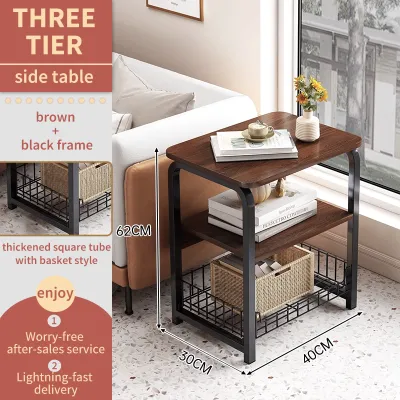
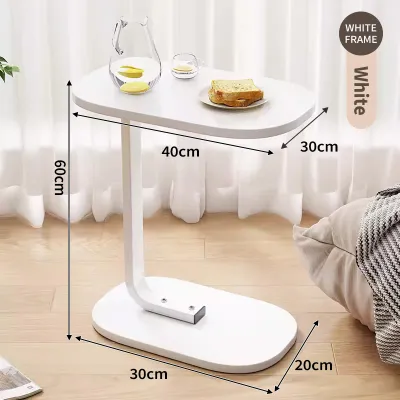
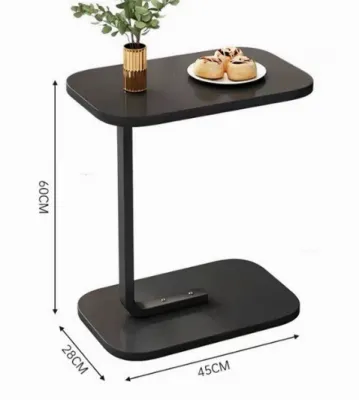
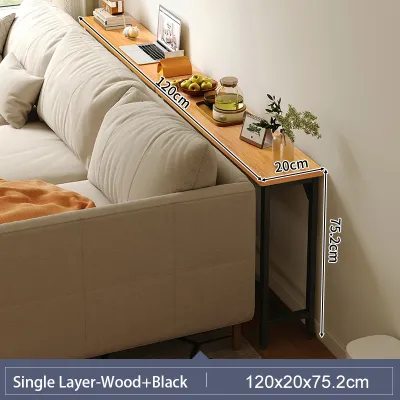
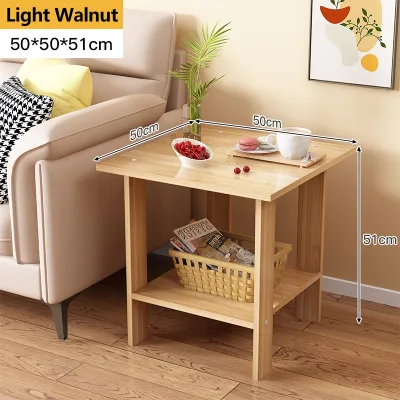
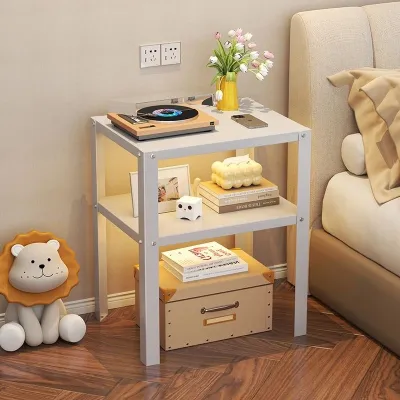
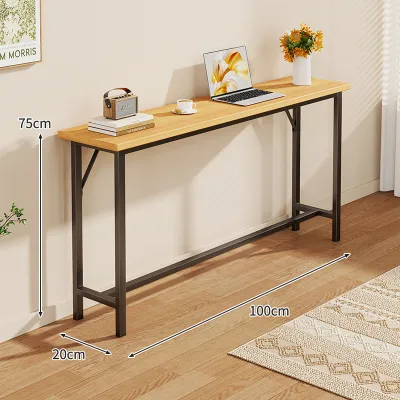
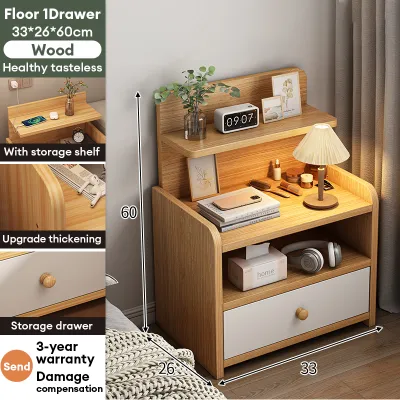
Prices are valid at publication and may change. Please refer to the product page for the latest price.
Next, assess your walkway clearance. In narrow condominium layouts, every centimeter of floor space counts. Measure the available area beside your sofa and ensure that there is at least 50 to 60 centimeters of clear space between the edge of the table and any adjacent walls, television consoles, or coffee tables. This ensures that household members can walk past comfortably without bumping into furniture.
Do not forget to plan for the journey from the delivery vehicle to your living room. Apartment dwellers must measure the building’s elevator door width, elevator cabin depth, stairwell turns, and the main entrance door of the unit. Even if a table is relatively compact, a fully assembled delivery might get stuck in a tight hallway corner or elevator entrance.
Finally, check the location of nearby wall outlets, light switches, and baseboards. A side table with a solid back or wide legs can block access to essential charging ports or prevent the piece from sitting flush against the wall. If you plan to place a lamp on the table, knowing where your sockets are located will help you avoid running hazardous extension cords across the floor.
Best Space-Saving Side Table Designs for Condos and Small Homes
Different layouts require different space-saving strategies. Choosing the right design depends on how you use your living room daily and how often you host guests.

Nesting Tables for Flexible Seating
Nesting tables offer an incredibly smart solution for homes that occasionally host guests but need to keep daily floor space clear. These sets typically consist of two or three tables of graduating sizes that slide completely under one another when not in use, occupying the footprint of only a single piece of furniture.
When you have visitors over for a weekend gathering, you can easily pull the nested tiers apart and scatter them around the room to provide multiple surfaces for drinks, snacks, or small plates. Once your guests leave, simply slide them back together to restore your open floor area.
When choosing a nesting set, pay close attention to the clearance between the tables. Check the manufacturer’s specifications to ensure the lower tiers slide smoothly under the top table without friction. If the gap is too tight, repeated sliding can scratch the finishes of the lower tables, especially in humid environments where wood or metal frames can expand slightly.
C-Shaped Tables for Sofa and Bed Use
The C-shaped table is a masterclass in ergonomic, space-saving design. Characterized by an open, cantilevered frame, its base is engineered to slide directly under the bottom of your sofa or armchair, allowing the tabletop to hover right over your lap or the armrest.
This configuration brings your laptop, book, or afternoon tea directly to you without requiring a dedicated floor footprint beside the couch. It is an ideal option for ultra-narrow living rooms where a traditional side table would block the path to the kitchen or balcony.
Before purchasing a C-shaped table, always measure the clearance beneath your sofa. Ensure the gap between the floor and the bottom frame of your couch is taller than the height of the table’s base plate or wheels. If your sofa has a low skirt, sits directly on the floor, or features a reclining mechanism, a C-shaped table may not be able to slide underneath as intended.
Drop-Leaf and Folding Tables for Tight Corners
For extremely tight spaces or multi-purpose studio apartments, collapsible side tables provide excellent adaptability. Drop-leaf side tables feature hinged sections that can be raised to extend the surface area when you are working or dining, and folded down flush against the frame when you need to reclaim floor space.
Alternatively, wall-mounted folding tables can be anchored directly to a wall or the side of a sturdy cabinet. When not in use, they fold completely flat against the vertical surface, making them perfect for tight corners that cannot accommodate any permanent floor furniture.
If you choose a folding or drop-leaf design, inspect the quality of the hinges and locking mechanisms. Look for sturdy metal hardware that locks securely into place. Because these tables rely on moving parts, cheap or flimsy hinges can wobble under weight, posing a safety risk if you place hot beverages or heavy electronics on the extended leaf.
Multi-Functional Storage Tables
When square footage is at a premium, every piece of furniture should pull double duty. Multi-functional side tables with integrated storage help reduce clutter by keeping everyday essentials organized and out of sight.
Look for designs that feature lift-top compartments, built-in drawers, lower shelves, or hollow drum bases with removable lids. These hidden compartments are perfect for storing remote controls, reading glasses, charging cables, coasters, or even a light throw blanket for air-conditioned afternoons. By consolidating your storage, you can eliminate the need for extra baskets or bulky shelving units that would otherwise crowd your living room.
Be mindful of the table’s weight when fully loaded. While storage is highly beneficial, overpacking a small side table can make it difficult to move for cleaning or rearranging. Ensure the weight is distributed evenly to prevent the table from becoming top-heavy and prone to tipping over.
Essential Features to Check for Apartment Living
Selecting a side table for living room spaces in a condominium involves more than just picking an attractive design. You must evaluate several practical, structural features to ensure the piece is compatible with the realities of apartment living.
- Base Design and Floor Protection: Compare pedestal bases with traditional four-leg designs. Pedestal bases or flat metal plates are often easier to slide under low-clearance furniture, but they cover more surface area directly on the floor. If your condo has laminate, vinyl, or hardwood flooring, ensure the bottom of the table base is fitted with high-quality felt pads. This prevents unsightly scratches when you slide or reposition the table during cleaning.
- Weight and Portability: Your side table should strike a balance between being lightweight enough to move easily and heavy enough to remain stable. A table that is too light can easily be knocked over by accidental contact, risking spills on your rugs or sofa. Conversely, an excessively heavy solid-stone or cast-iron table can be difficult to relocate and may dent softer wood or vinyl flooring over time.
- Assembly Requirements: Many condominiums in the Philippines have strict property management guidelines regarding noise, construction, and drilling, especially during weekends. Before ordering a flat-packed table, check if assembly requires heavy power tools or drilling. Opting for tool-free assembly or simple screw-in leg designs will save you from potential complaints from neighbors and property management.
- Material and Maintenance: The high humidity of the Philippine climate means furniture materials must be chosen and maintained with care. Avoid assuming a material is naturally resistant to moisture or heat based on its name alone. Check the manufacturer's care instructions carefully. For engineered wood or wood veneers, always use coasters to prevent water rings from cold glasses. If you choose metal frames, verify if they have a rust-resistant coating to prevent corrosion in humid coastal or tropical conditions.
Common Sizing and Placement Mistakes to Avoid
To keep your compact living room feeling open and inviting, avoid these frequent layout and purchasing errors:
- Ignoring Proportions: A bulky, heavy-set wooden side table paired with a delicate, low-profile modern sofa will look visually jarring. Choose a table with slender legs or an open metal frame to maintain a sense of lightness and flow in a small room.
- Height Mismatches: Placing a table that is significantly taller or shorter than your sofa's armrest makes it uncomfortable to use. Always measure before buying to ensure your arm can rest naturally when reaching for items on the table surface.
- Blocking Pathways: Avoid placing a side table in high-traffic pivot points, such as the direct path leading to your balcony door, kitchen entryway, or hallway. If space is tight beside the sofa, consider placing a slim console table directly behind the back of the couch instead.
- Overlooking Cord Management: A small space can quickly look cluttered if charging cables for phones, tablets, and lamps are left tangled on the floor. Look for side tables with built-in cable slots, or use adhesive cord clips along the back legs of the table to keep wires neatly tucked away.
Frequently Asked Questions (FAQ)
What is the standard height for a living room side table?
While standard side tables generally range between 50 and 75 centimeters in height, the ideal height depends entirely on your specific seating. For maximum comfort, measure from the floor to the top of your sofa’s armrest. Your side table should ideally sit level with this point, or up to 5 centimeters (about 2 inches) lower, allowing you to reach items naturally without straining.
Can I use a small accent stool or garden table as an indoor side table?
Yes, using an accent stool or a ceramic garden table can add unique character to a small living room. However, you must ensure the top surface is completely flat and stable enough to hold cups or glasses safely. Additionally, check the base of the item; garden pieces often have rough bottoms that can scratch indoor flooring, so be sure to apply protective rubber or felt pads before placing them inside.
Community discussion
Share your experience or ask a question. Comments are reviewed before publication.