
Choosing the right single bedframe for a compact bedroom or studio condo in the Philippines requires balancing comfort with spatial efficiency. In tight urban living spaces, every square centimeter of floor area counts. A standard bed can easily dominate a small room, leaving little space for wardrobes, desks, or daily movement. By selecting a space-saving design, you can reclaim valuable floor space, integrate hidden storage, and create a highly functional layout that suits your daily routine.
To find the ideal setup, you must look beyond aesthetics and focus on practical dimensions, structural integrity, and room compatibility. Whether you are dealing with a high-rise condo unit in Metro Manila or a compact bedroom in a provincial home, the right bedframe serves as the foundation of an organized, clutter-free environment. This guide outlines how to measure your space accurately, evaluate different space-saving designs, and ensure a safe, stable installation.
Measuring Your Room and Delivery Access
Before browsing any online marketplace or visiting a local furniture showroom, you must establish your room’s exact physical boundaries. Begin by measuring the total floor footprint of the bedroom using a reliable metal tape measure. Even a discrepancy of two centimeters can prevent a drawer from opening or block a bedroom door. Mark the exact spot where you plan to position the bedframe, then measure the clearance paths around it. Maintain a walking path of at least 50 to 60 centimeters on the open sides of the bed for comfortable movement.
Products mentioned in this guide
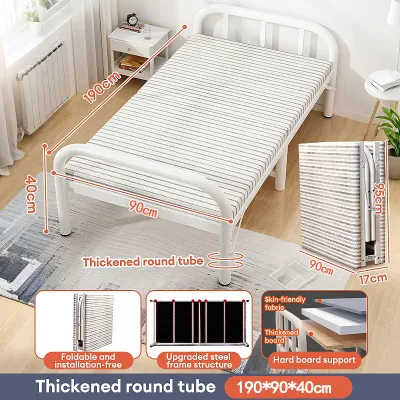
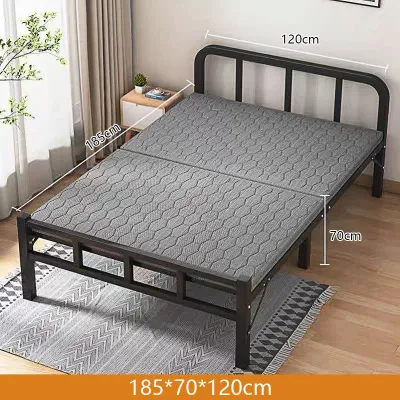
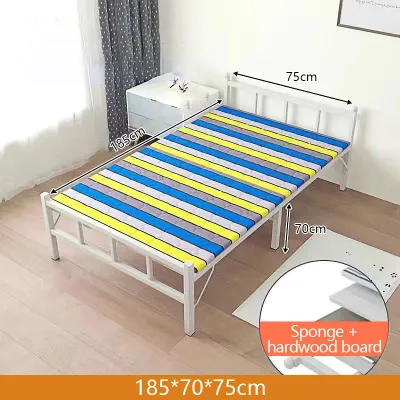

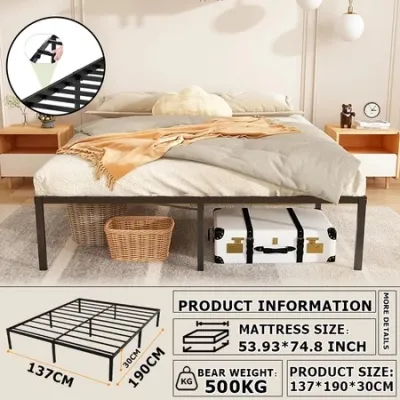
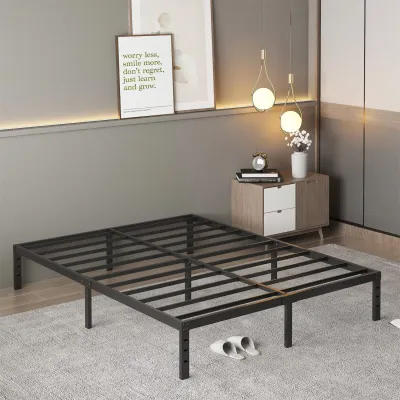
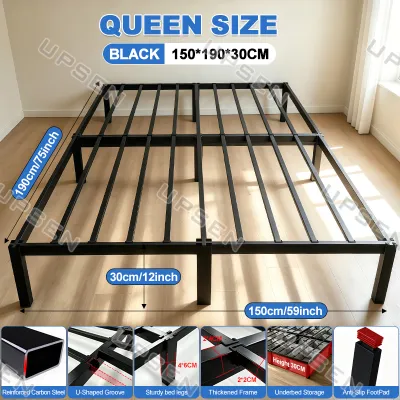
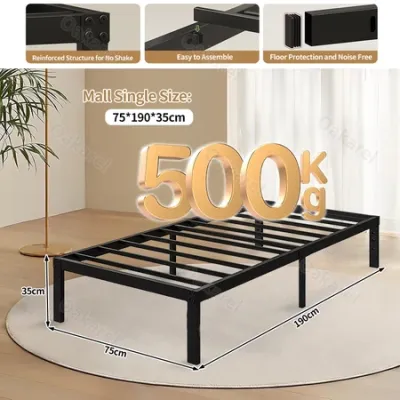
Prices are valid at publication and may change. Please refer to the product page for the latest price.
Next, identify all potential physical obstructions within the room. Take note of the height and placement of low-hanging window sills, wall-mounted air conditioning units, electrical outlets, light switches, and built-in wardrobes. A tall headboard might block a window, while a bed placed too close to a built-in closet can prevent the doors from swinging open. Additionally, measure the ceiling height from floor to ceiling, which is particularly critical if you are considering an elevated loft bed or a wall-mounted fold-down design.
Finally, map out the entire delivery route from the building entrance to your bedroom door. Many high-rise condominium developments in the Philippines have strict regulations and physical limitations that can complicate furniture delivery. Measure the height, width, and depth of the building’s service elevator, as well as the clearance of tight stairwell turns and narrow hallway corners. A solid, pre-assembled frame might fit your bedroom but prove impossible to transport up the stairs or through a tight elevator door.
Matching Space-Saving Bedframe Designs to Your Routine
Selecting a space-saving bedframe is not a one-size-fits-all decision; it depends heavily on your daily habits, physical capabilities, and long-term living arrangements. Different designs offer distinct functional trade-offs. For instance, a bed that requires daily physical effort to fold away might become tedious for a busy professional, whereas a storage-integrated frame provides passive, effortless utility.

To make an informed choice, you must evaluate the structural prerequisites of each design against your room’s layout. Consider whether you need immediate, daily access to stored items or if you simply need a place to tuck away seasonal belongings. By matching the bedframe’s mechanism to your lifestyle, you ensure that the furniture enhances your daily routine rather than creating new inconveniences.
Storage-Integrated and Drawer Bedframes
Storage-integrated bedframes are highly popular for small Philippine homes because they utilize the otherwise wasted space directly beneath the mattress. These designs typically come in two variations: frames with built-out drawers or frames featuring a hydraulic lift mechanism. Drawer bedframes are excellent for organizing daily-use items like clothing, bedsheets, and personal accessories. However, they require significant lateral clearance. You must verify that your room layout allows the drawers to slide out fully without colliding with bedside tables, walls, or other furniture.
Hydraulic lift bedframes, on the other hand, use gas struts to lift the entire mattress platform, revealing a spacious compartment underneath. This design is ideal for storing bulky, less-frequently used items such as travel luggage, extra pillows, and seasonal decorations. When choosing a hydraulic frame, always check the manufacturer’s specified mattress weight compatibility. If your mattress is too heavy, the gas struts may fail to lift or hold the platform open safely; if it is too light, the platform may spring up too quickly or resist staying closed. Additionally, inspect the interior lining of the storage compartment to ensure it is sealed against dust and moisture, which is crucial for protecting your belongings during the humid rainy season.
Loft Beds and High-Sleepers
Loft beds elevate the sleeping platform high above the floor, effectively doubling your usable square footage by creating a versatile open space underneath. This lower zone can be configured as a home office with a study desk, a cozy lounge area with a small armchair, or an organized storage zone with chest drawers. Loft beds are particularly beneficial for students and remote workers living in studio apartments where floor space is at a premium.
However, safety and structural compatibility are paramount when opting for an elevated frame. First, calculate the required ceiling height. Standard Philippine residential ceilings often range from 2.4 to 2.7 meters. To ensure safe headroom, you must have at least 90 centimeters of open space between the top of the mattress and the ceiling, allowing the sleeper to sit upright comfortably. Second, review the guardrail height requirements to prevent accidental falls, and ensure the ladder or stairs are positioned safely relative to room traffic. Lastly, check the manufacturer’s floor-anchoring instructions; many loft beds require securing to the wall or floor to eliminate swaying and ensure absolute stability.
Fold-Down and Wall-Mounted Beds
Fold-down beds, commonly known as Murphy beds, offer the ultimate space-saving solution for multi-purpose rooms, such as a home office that doubles as a guest bedroom. When folded up, the bed blends seamlessly into the wall cabinetry, leaving the entire floor area open for daytime activities. When needed, the bed easily pulls down to provide a full-sized sleeping surface.
Before choosing a wall-mounted design, you must verify the structural integrity of your walls. These frames exert immense leverage and tension on their mounting points during operation. They must be anchored securely into solid concrete walls or heavy-duty structural studs. Attempting to mount a fold-down bed directly onto standard gypsum board or light drywall partitions without professional structural reinforcement can lead to catastrophic wall damage and safety hazards. Furthermore, evaluate the physical effort required to operate the folding mechanism daily, and ensure the deployment zone is completely clear of light fixtures, rugs, or low-profile furniture.
Checking Structural Stability and Safety Limits
A space-saving bedframe must be exceptionally durable to withstand both the weight of the sleeper and the mechanical stresses of its space-saving features. Start by locating the manufacturer’s stated maximum weight capacity, which is typically found on product labels, assembly manuals, or official specification sheets. This weight limit must comfortably accommodate the combined weight of the mattress, bedding, and the occupant.
Next, closely inspect the joint construction and support system of the frame. High-quality frames utilize robust metal-on-metal connection hardware rather than simple wood screws, which can strip the wood and loosen over time under daily movement. Examine the slat spacing; slats should be spaced closely together (typically no more than 5 to 7 centimeters apart) to provide uniform support and prevent your mattress from sagging or slipping through. For single bedframes, look for designs that include sturdy center support legs or reinforced steel crossbeams, which distribute weight evenly and prevent the frame from bowing.
Finally, pay close attention to safety anchoring requirements. Tall loft beds, heavy storage beds, and wall-mounted units are inherently top-heavy or subject to shifting forces. Check if the product package includes dedicated anti-tip kits or wall-anchoring brackets. If you are mounting the frame to a concrete wall, ensure you use high-quality masonry anchors and appropriate drill bits rather than standard wood screws to guarantee a permanent, secure hold.
Finding Single Bedframe Sales and Managing Delivery
When shopping for a single bedframe, timing your purchase during seasonal sales on ecommerce platforms or at local furniture retail outlets can yield significant savings. However, buying a bulky furniture item during a promotional event requires careful planning to avoid logistical headaches. While online shopping offers unparalleled convenience and a wider selection of designs, visiting a physical showroom allows you to physically test the frame’s stability, inspect the quality of the joints, and verify the ease of drawer or hydraulic operations.
Before finalizing your purchase, thoroughly review the seller’s return and exchange policies, especially regarding manufacturing defects or shipping damage. Bulky items are expensive and difficult to ship back, so understanding who covers return shipping costs is essential. Additionally, check if the retailer offers professional assembly services. Complex space-saving designs, such as hydraulic lift beds and loft frames, involve intricate hardware that can be challenging and time-consuming to assemble correctly. Paying for professional installation ensures the frame is put together safely and functions as intended.
Lastly, always cross-reference the exact outer dimensions listed in the sale description with your pre-measured room clearances. Do not rely solely on generic terms like “single size,” as the actual outer frame dimensions can vary significantly depending on the thickness of the headboard, side panels, and decorative trim. Ensuring a precise fit before checkout prevents the frustration of receiving a bedframe that is too large for your designated space.
Frequently Asked Questions (FAQ)
What is the standard single bed size in the Philippines?
In the Philippines, a standard single mattress typically measures 36 inches wide by 75 inches long, which translates to approximately 91 centimeters by 191 centimeters. When purchasing a single bedframe, you must verify that the inner lip or mattress platform dimensions match these standard measurements to ensure a snug, secure fit. Be aware that some imported bedframes follow European or American sizing standards, which can be slightly wider or longer than local Philippine standards. Always consult the manufacturer’s detailed size chart before purchasing to avoid compatibility issues between your mattress and the frame.
Can I use a space-saving bedframe on uneven floors?
Using a space-saving bedframe on an uneven floor can compromise its structural stability and cause moving parts, such as drawers or hydraulic lifts, to misalign and bind. Before assembling your bedframe, check the levelness of your floor using a standard spirit level or a reliable leveling application on your smartphone. If you detect a minor slope, you can stabilize the frame by utilizing adjustable leveling feet, which are integrated into many modern metal and wooden frames, or by placing heavy-duty, non-slip furniture shims under the legs. However, if the floor slope is severe, do not attempt to force the assembly; instead, consult a professional contractor to level the flooring surface or reinforce the subfloor before installing the bedframe.

Community discussion
Share your experience or ask a question. Comments are reviewed before publication.