
Selecting the ideal stainless steel kitchen cabinet for your home requires balancing material durability, functional layout, and the specific environmental demands of your living space. In the tropical climate of the Philippines, high humidity, ambient heat, and coastal salt air can accelerate wear on standard wooden or particle-board cabinetry. Stainless steel stands out as a highly resilient alternative, resisting rot, pest infestations like termites, and moisture damage. However, finding the right setup involves evaluating material grades, structural configurations, and installation requirements to ensure a long-lasting investment.
By focusing on key construction details and precise measurements, you can avoid common pitfalls such as sagging shelves, noisy countertops, or rust spots. This guide breaks down the essential material specifications, configuration types, and quality checks you need to narrow down your options and select a setup that will perform reliably in your household.
Understanding Stainless Steel Grades and Finishes for Kitchen Use
The durability of your kitchen cabinet depends heavily on the grade of stainless steel used in its construction. Grade 304 is widely considered the standard for residential kitchens due to its high chromium and nickel content, which provides excellent resistance to rust and corrosion. This grade is particularly crucial for wet kitchens or homes located in coastal areas where salt air can quickly degrade lesser metals.
Products mentioned in this guide
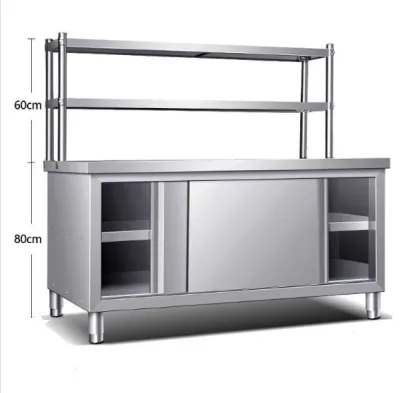
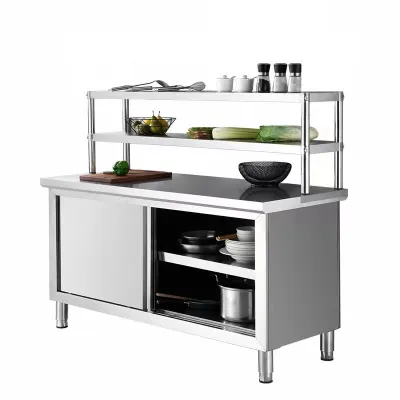
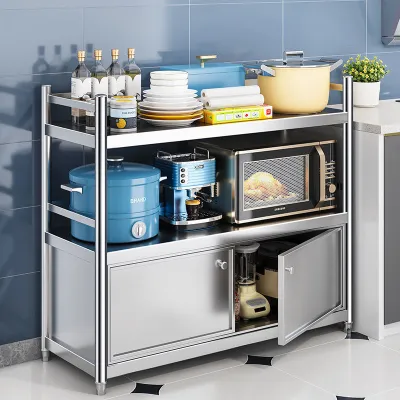
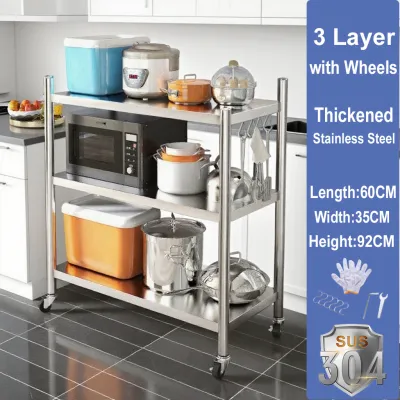
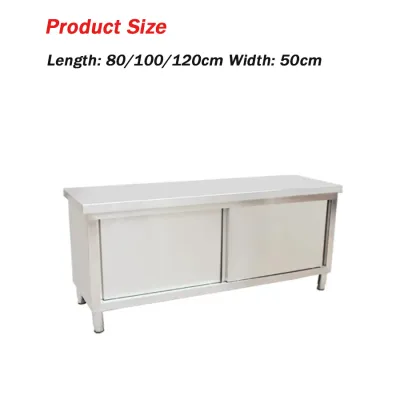
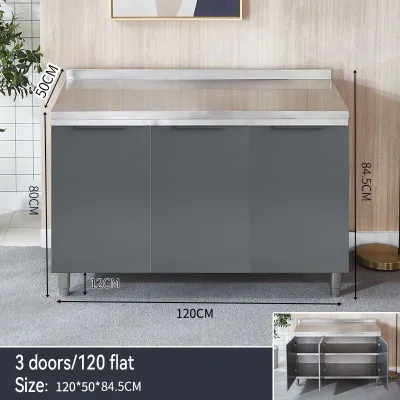
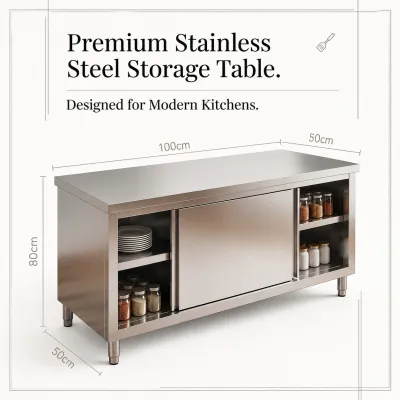
Prices are valid at publication and may change. Please refer to the product page for the latest price.
In contrast, Grade 201 is a more budget-friendly alternative that replaces some nickel with manganese. While it offers a similar metallic appearance, Grade 201 is more susceptible to corrosion, tea staining, and rust when exposed to constant moisture or harsh cleaning chemicals. To ensure you are getting the performance you expect, always verify the material grade through official manufacturer specifications or product labels rather than relying solely on visual appearance.
Beyond the metal grade, the surface finish plays a major role in both the cabinet’s aesthetic appeal and its daily maintenance requirements. A brushed or hairline finish is highly recommended for busy home kitchens because its textured pattern diffuses light, making minor scratches, water spots, and fingerprints much less visible.
Conversely, a mirror-polished finish offers a striking, high-gloss look but requires constant upkeep, as every smudge and water droplet will show clearly on the reflective surface. Matte or textured finishes provide a modern, understated appearance while offering excellent resistance to visible wear and tear, making them a practical choice for high-traffic prep areas.
Finally, pay close attention to the metal’s thickness, often measured in gauges, and its internal structural backing. Thicker steel, represented by lower gauge numbers like 16 or 18, is highly robust and resists denting from heavy pots, pans, and kitchen appliances. Thinner steel, such as 22-gauge, is more flexible and prone to warping under pressure.
To prevent the loud, tinny clattering sound that can occur when placing items on a metal surface, check if the cabinet features sound-dampening pads or a solid underlayment. High-quality cabinets often integrate a water-resistant backing, such as marine plywood or high-density foam, sealed beneath the steel to absorb sound and add structural rigidity.
Evaluating Cabinet Types Based on Kitchen Layout and Storage Needs
Selecting the right cabinet configuration requires a clear understanding of how you use your kitchen and the specific items you need to store. Base cabinets form the foundation of your workspace and must be chosen with load-bearing capacity in mind. If you plan to integrate a sink or a built-in cooktop, verify that the cabinet design allows for precise cutouts without compromising the overall structural integrity of the frame.

For heavy appliances like countertop ovens, stand mixers, or heavy cast-iron cookware, check the manufacturer’s specified weight limits to prevent the shelves or top surfaces from bowing. In many local households, base cabinets must also accommodate LPG gas cylinders. If you plan to store a gas tank inside, ensure the cabinet features a reinforced base, proper ventilation slots to prevent gas buildup, and easy access for hose connections.
Wall-mounted and tall pantry cabinets are excellent for maximizing vertical storage, especially in compact urban kitchens or condominiums where floor space is limited. However, because stainless steel is inherently heavy even when empty, you must carefully evaluate the wall’s load-bearing capacity before installation.
Mounting these units securely onto concrete hollow block walls requires heavy-duty masonry anchors rather than standard screws to prevent the cabinet from pulling away from the wall. Additionally, consider the accessibility of everyday items; tall cabinets should feature adjustable shelving so you can organize contents based on frequency of use and weight.
For flexible cooking spaces or smaller kitchens, mobile kitchen carts and utility islands offer an adaptable preparation station that can be moved as needed. When evaluating mobile options, inspect the caster wheels to ensure they are heavy-duty, non-marking, and capable of rolling smoothly over tiled or uneven kitchen floors.
At least two of the wheels must feature reliable locking mechanisms to keep the cart completely stationary and stable during active food preparation. Ensure the cart’s overall dimensions allow for comfortable clearance when rolled into its designated storage spot or parked against a wall.
Critical Measurements and Space Planning Before Purchase
Accurate measurements are the foundation of a successful kitchen installation, as stainless steel cabinets are rigid and cannot be easily trimmed or shaved down on-site to fit a tight space. Begin by measuring the available floor area, wall height, and the exact locations of existing utilities such as water inlets, drainage pipes, electrical outlets, and gas lines.
Mapping out these utility points ensures that your new cabinets will not block access to essential shut-off valves or power sources. It also helps you determine if you need to select cabinets with pre-fabricated service gaps or custom back panels to accommodate plumbing and wiring.
Next, carefully plan the delivery and installation route from your property’s entrance to the kitchen. Measure the width and height of all doorways, narrow hallways, stairwells, and elevator doors through which the cabinets must pass during delivery.
For condominium residents, checking elevator clearance is particularly critical to avoid the logistical challenge of carrying heavy, fully assembled stainless steel units up multiple flights of stairs. If your access routes are tight, consider modular or flat-packed stainless steel cabinets that can be assembled directly inside the kitchen.
Finally, account for operational clearances within the kitchen layout itself. Ensure there is sufficient space for cabinet doors and drawers to open fully without colliding with walls, other cabinets, or major appliances like refrigerators and cooking ranges.
You must also leave adequate ventilation space around appliances that generate heat, as trapping hot air can affect both appliance efficiency and the surrounding cabinet surfaces. A well-planned layout ensures a smooth workflow, allowing multiple people to move and work in the kitchen simultaneously.
How to Assess Build Quality and Hardware Durability
The longevity of a stainless steel cabinet depends heavily on its moving parts and structural joints, which bear the brunt of daily wear and tear. Inspect the hinges and drawer slides carefully, looking for heavy-duty, rust-resistant materials.
In humid tropical environments, standard steel hardware can rust quickly, leading to squeaking, sticking, or complete failure. Opt for cabinets equipped with stainless steel hinges and soft-close mechanisms, which prevent doors from slamming and reduce unnecessary vibration and structural stress.
Examine the construction joints and welding seams across the cabinet frame. High-quality cabinets feature seamless, ground-smooth welds rather than visible rivets, rough joints, or gaps that can collect dirt and moisture.
Run your hands safely along the edges, corners, and undersides of the cabinet to check for sharp burrs or unfinished metal edges that could cause cuts during daily use or cleaning. Welded corners should be perfectly square and rigid, showing no signs of flexing when moderate pressure is applied.
Look for practical internal features that enhance usability and hygiene. Adjustable shelf brackets allow you to customize the storage space for tall pots or small spice jars, maximizing the efficiency of your cabinet interior.
Additionally, check for water-resistant internal seals or rubber gaskets along the door frames. These seals help keep out dust, moisture, and common household pests, maintaining a clean, dry, and hygienic storage environment inside the cabinet.
Maintenance, Cleaning, and Long-Term Care
Maintaining the pristine appearance of stainless steel requires consistent, gentle care rather than harsh scrubbing. For routine cleaning, use a soft microfiber cloth dampened with warm water and a mild, non-abrasive dish soap to remove grease and food residue.
Always wipe in the direction of the metal’s grain, especially on brushed finishes, to avoid creating micro-scratches that can dull the surface over time. After cleaning, dry the surfaces thoroughly with a clean towel to prevent water spots and mineral buildup from hard water.
Avoid harsh chemicals at all costs. Never use steel wool, abrasive scouring pads, chlorine bleach, or strong acid-based cleaners on stainless steel surfaces.
These substances can strip away the protective chromium oxide layer that naturally forms on the steel, leaving the metal vulnerable to rust, pitting, and permanent discoloration. If you encounter stubborn grease stains, use a specialized stainless steel cleaner or a paste of baking soda and water, applying it gently with a soft cloth.
Know when to seek professional assistance for structural or hardware issues. While minor hinge adjustments or surface cleaning can be handled easily at home, structural damage requires expert attention.
If you notice sagging shelves, broken weld seams, or failing heavy-duty drawer slides, contact the manufacturer or a professional metal fabricator. Attempting to weld or structurally alter stainless steel without the proper equipment can ruin the finish and compromise the cabinet’s safety.
Frequently Asked Questions (FAQ)
Do stainless steel cabinets make a kitchen feel too cold or industrial?
While stainless steel has an inherently sleek, industrial look, you can easily soften its visual impact to create a warm and inviting home kitchen. Consider pairing stainless steel base cabinets with warm natural materials, such as wooden countertops, open timber shelving, or a textured tile backsplash. You can also choose cabinets with a brushed or matte finish, which diffuses light more softly than a high-gloss mirror finish, helping the metal blend seamlessly with traditional or modern home decor.
Can I install stainless steel cabinets myself, or do I need a professional?
The difficulty of installation depends entirely on the cabinet type. Freestanding units, mobile kitchen carts, and simple modular base cabinets often require minimal assembly and can be positioned easily by homeowners. However, wall-mounted cabinets, tall pantry units, and integrated systems with sink or appliance cutouts require professional installation. Securely anchoring heavy steel cabinets to concrete walls, ensuring perfect leveling, and managing plumbing or electrical integrations require specialized tools and expertise to guarantee safety and structural stability.
Community discussion
Share your experience or ask a question. Comments are reviewed before publication.