
Choosing the right desk for your home office is not just about aesthetics; it is a decision that directly impacts your physical comfort, productivity, and the flow of your living space. To find the perfect match, you must evaluate your daily work habits, the physical limitations of your room, and the type of equipment you use. A standing desk, a foldable desk, and an L-shaped desk each serve distinct purposes, and selecting the wrong one can lead to cramped quarters or unused features.
If you struggle with physical fatigue and want to alternate between sitting and standing, a height-adjustable standing desk is your best option. For those living in compact apartments or shared spaces where a permanent workstation is impractical, a foldable desk offers the ultimate flexibility. Meanwhile, if your daily tasks require multiple monitors, heavy paperwork, and a dedicated corner setup, an L-shaped desk provides the expansive surface area you need. By assessing your specific environment and workflow, you can make an informed investment that enhances your daily comfort.
Measure Your Space and Layout Constraints
Before browsing online marketplaces, you must obtain precise measurements of your designated work area. Start by measuring the clear floor space, keeping in mind that you need at least 80 to 100 centimeters of clearance behind the desk for your office chair to glide smoothly. Do not forget to account for door swings, wardrobe openings, and nearby walkways to ensure your new furniture does not block daily traffic.
Products mentioned in this guide
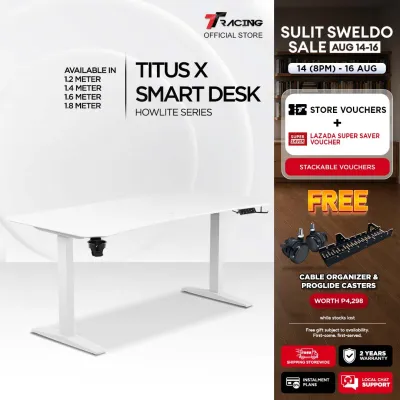
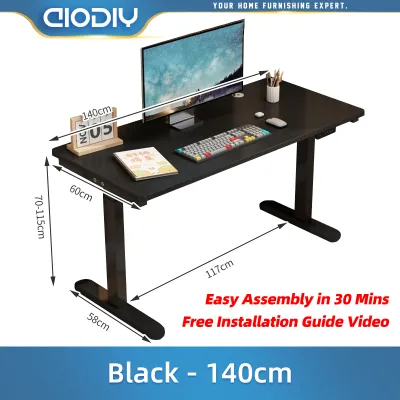
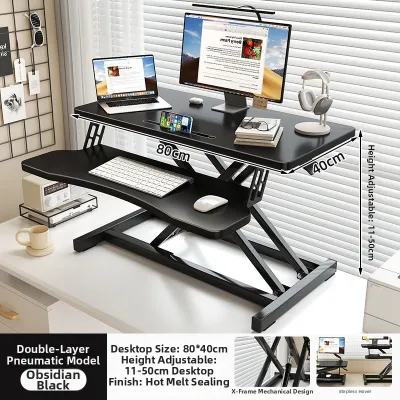
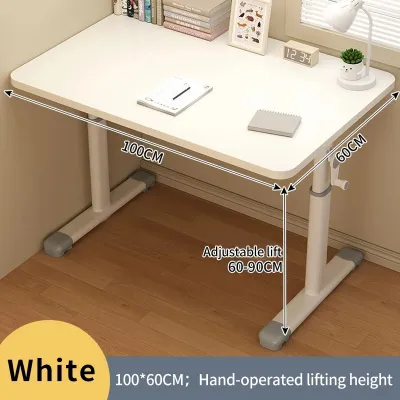
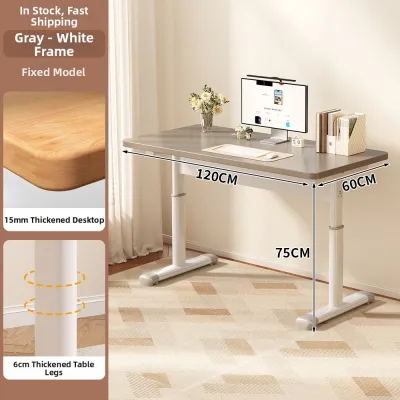
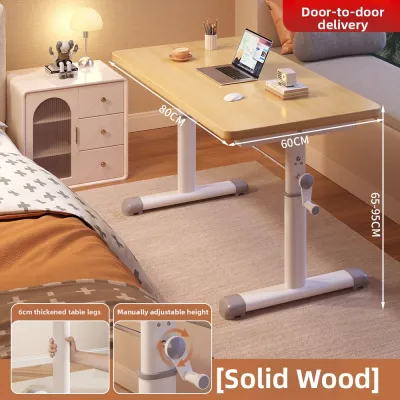
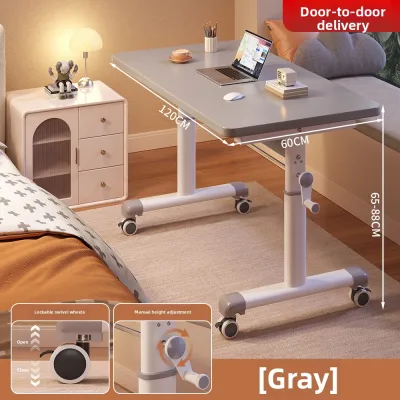
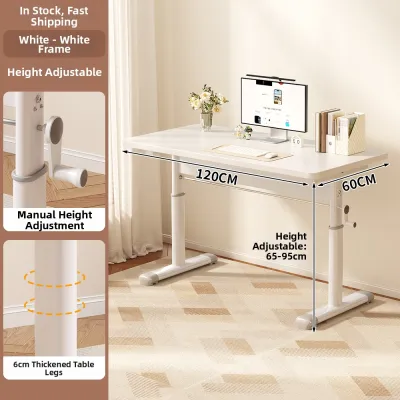
Prices are valid at publication and may change. Please refer to the product page for the latest price.
The layout of your room heavily influences which desk shape will function best. An L-shaped desk requires a dedicated, clear corner or a large open wall if you plan to use it as a room divider. On the other hand, standard rectangular standing desks and foldable desks sit flat against a single wall, making them much easier to integrate into narrow rooms or hallways.
In tropical climates like the Philippines, high humidity and seasonal rains require extra planning when positioning your furniture. Placing a desk too close to an open window can expose the frame to moisture, which may cause untreated particle board to swell or metal components to rust over time. Ensure your chosen spot has adequate ventilation and is shielded from direct sunlight and damp drafts.
Finally, consider your storage habits and whether you need a permanent setup. If you choose a foldable desk, you must have a designated closet, wall gap, or under-bed space where the folded frame can sit when not in use. If clearing your workspace at the end of every day sounds tedious, a permanent standing or L-shaped desk is a more practical choice.
Evaluate Your Daily Workflow and Ergonomic Needs
Your daily work routine and physical health should dictate the functionality of your desk. If you spend eight or more hours a day at your computer, pay close attention to how your body feels during long sessions. Persistent lower back stiffness, shoulder tension, or mid-afternoon fatigue often indicate that your body needs regular postural transitions, which a height-adjustable desk can facilitate.

The complexity of your work equipment also plays a major role in your decision. Take an inventory of everything that must sit on your desk simultaneously, including laptop stands, external monitors, keyboards, document trays, and personal items. A single laptop user has very different space requirements than a software developer or designer who relies on dual monitors and external drawing tablets.
If your work involves a mix of digital tasks and physical paperwork, you need a desk that offers distinct zones. An L-shaped desk excels here, allowing you to keep your computer setup on one side while leaving the other wing completely clear for writing, reading, or reviewing physical documents.
Additionally, consider the dynamics of your household and whether your workspace is shared. In a multi-purpose living room or bedroom, a massive, permanent desk can make the space feel cluttered and prevent other family members from using the room comfortably. If your home office must disappear during weekends or family gatherings, a foldable desk helps maintain a healthy boundary between your professional and personal life.
Match Your Assessment to the Right Desk Type
Once you have measured your space and analyzed your workflow, you can match your findings to one of the three primary desk categories. Each type offers unique advantages and trade-offs that cater to different working styles.
Standing/Adjustable Desks
Height-adjustable standing desks are designed specifically for users who prioritize physical ergonomics and have a dedicated, permanent workspace. These desks allow you to transition from sitting to standing at the press of a button, promoting movement and reducing the physical strain of sedentary work. They are ideal if you have a fixed area in your home where the desk can remain permanently plugged into a power outlet. Keep in mind that electric models require proximity to a wall socket and need a stable floor surface to prevent wobbling when fully extended.
Foldable Desks
Foldable desks are the ultimate space-saving solution for temporary setups, guest rooms, or highly compact living areas. If you work from a shared dining room or a small bedroom, a foldable desk allows you to set up a sturdy workspace in seconds and pack it away when your shift ends. While they offer unmatched flexibility, they generally have lower weight capacities and smaller surface areas than permanent desks. They are best suited for laptop users who do not rely on heavy dual-monitor mounts or extensive desktop accessories.
L-Shaped Desks
L-shaped desks are built for heavy multitaskers who require maximum surface area and have ample corner space to spare. The dual-surface design allows you to organize your workflow efficiently, keeping your digital tools on one side and physical tasks on the other. While traditional L-shaped desks are static, some modern adjustable models offer height customization, though these are significantly heavier and require a more complex assembly process. If you choose an L-shaped configuration, ensure your room can accommodate its large footprint permanently, as these desks are difficult to rearrange once assembled.
Verify Specifications Before You Buy
Before finalizing your purchase on any online marketplace, you must verify the technical specifications of the desk against your actual equipment and physical dimensions. Start by calculating the total weight of your monitors, computer tower, desk mats, and accessories. Compare this total to the desk’s maximum weight capacity, ensuring there is a safe margin so the lifting motor or folding joints are not strained under daily use.
Next, check the minimum and maximum height range of the desk. For proper ergonomics, your elbows should rest at a 90-degree angle when typing, whether you are sitting or standing. Measure your preferred seated chair height and your standing elbow height to confirm that the desk’s adjustment range can comfortably accommodate both positions.
Finally, review the lifting mechanism and the physical clearance required for moving parts. Electric standing desks need a clear vertical path; ensure there are no low-hanging shelves, window sills, or wall decorations that could obstruct the desk as it rises. Additionally, check that the frame construction is sturdy enough to resist wobbling at higher settings, especially if you plan to place the desk on a carpeted surface or a slightly uneven floor.
Frequently Asked Questions (FAQ)
Is an adjustable desk worth it for short work sessions?
If you only use your home office for a few hours a week, a premium electric standing desk may not be a necessary investment. However, if those short sessions involve intense, focused work where you tend to sit completely still, even an hour of poor posture can cause discomfort. In such cases, a manual adjustable desk or a high-quality foldable desk can provide a practical, budget-friendly compromise that still supports your physical well-being without taking up permanent space.
How do I prevent cable tangling on a moving desk?
Managing cables on a height-adjustable desk is crucial for safety and preventing damage to your equipment. Start by grouping your cables together using hook-and-loop straps or cable sleeves, leaving a generous slack loop near the pivot points so the cords can stretch freely when the desk rises. Mount a power strip directly to the underside of the desktop using adhesive strips or a dedicated cable tray; this ensures that only one main power cable needs to travel down to the wall outlet, minimizing the risk of snags and tension tears.
Community discussion
Share your experience or ask a question. Comments are reviewed before publication.