
Choosing the right desktable for your home office comes down to balancing your physical workspace, daily tasks, and comfort preferences. If you struggle with physical fatigue from prolonged sitting, an adjustable standing desk offers the movement you need to stay active. For those living in compact apartments or shared rooms, a foldable desk provides a temporary workspace that can be tucked away instantly. Meanwhile, professionals managing multiple screens or heavy paperwork will find the expansive surface of an L-shaped desk indispensable.
Assess Your Space and Daily Workflow
Before browsing online catalogs, you must map out the physical realities of your room. Start by measuring the exact floor area where you plan to place your desktable, keeping in mind that you need at least 80 to 100 centimeters of clearance behind the desk for your office chair to glide smoothly. Do not forget to measure your doorways, narrow hallways, and staircase turns; many heavy or pre-assembled desks end up stuck in transit because of tight entryways.
Your daily workflow dictates the shape and size of your work surface. If your job only requires a slim laptop and a notepad, a compact surface is perfectly adequate. However, if you operate dual monitors, a dedicated drawing tablet, or reference books, you will need a deeper and wider surface to prevent clutter from stalling your productivity.
Products mentioned in this guide
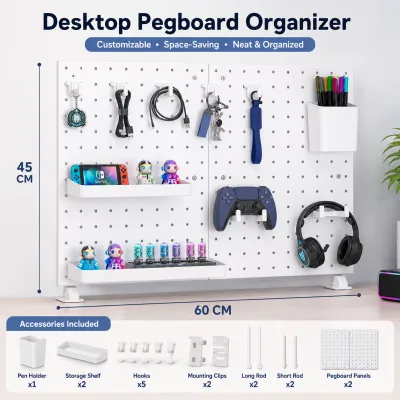
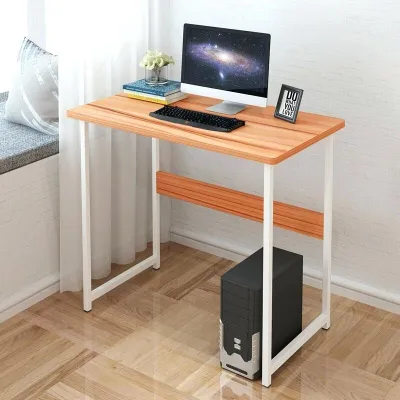
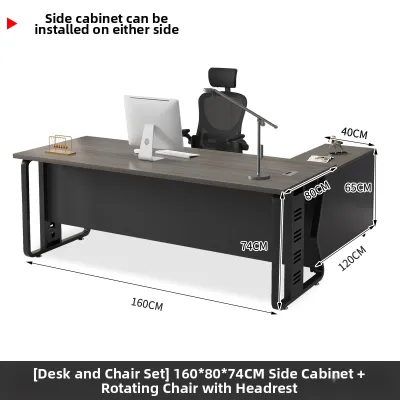
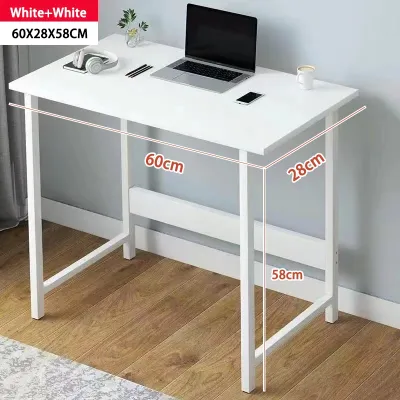
Prices are valid at publication and may change. Please refer to the product page for the latest price.
Finally, reflect honestly on your physical habits throughout the day. If you find yourself slouching, experiencing neck stiffness, or losing focus after a few hours of sitting, your body is signaling a need for postural variety. Understanding these physical cues early prevents you from buying a piece of furniture that looks good but fails to support your physical well-being.
Standing Desks: When to Choose an Adjustable Setup
An adjustable standing desktable is an excellent investment for remote workers who want to break the cycle of sedentary behavior. By allowing you to transition between sitting and standing throughout the day, these desks help distribute physical strain and keep your energy levels consistent. They are particularly beneficial if you experience lower back fatigue during long shifts.

Operating an electric standing desk requires specific environmental conditions. You must position the desk near a reliable power outlet, ensuring the power cord has enough slack to move freely from the lowest to the highest height setting without pulling or snagging. Additionally, check for vertical clearance; wall-mounted shelves, low-hanging artwork, or window sills must not obstruct the upward path of your monitors.
Before purchasing, carefully verify the manufacturer’s technical specifications. Pay close attention to the maximum weight capacity, ensuring it can support your computer tower, monitors, and desk accessories without straining the motor. It is also wise to check the motor warranty terms, as a reliable warranty is a strong indicator of the drive system’s long-term durability.
Foldable Desks: When to Prioritize Space and Flexibility
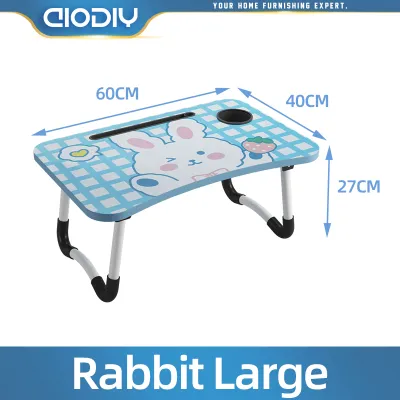
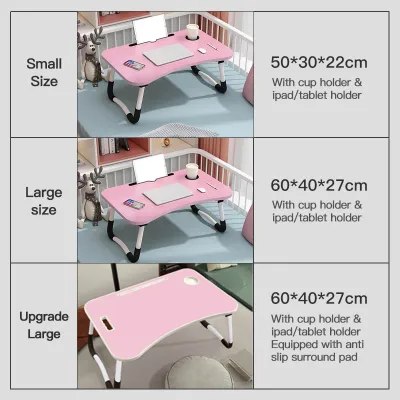
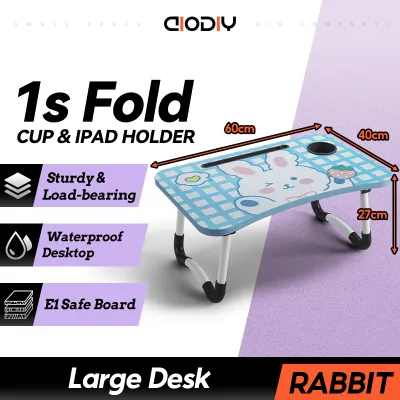
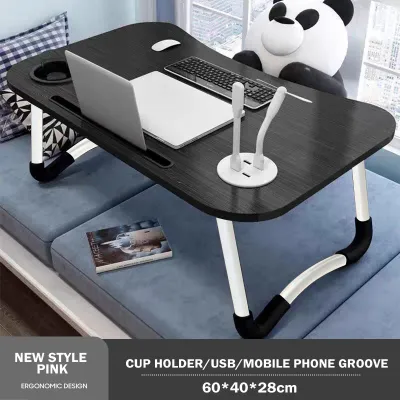
A foldable desktable is the ultimate space-saving solution for multi-purpose rooms, rental properties, or shared living areas. If your living room doubles as your office during the day, a collapsible desk allows you to reclaim your home environment once the workday ends. This flexibility is highly valued by students and remote workers who prefer to keep their work life physically separate from their leisure time.
The primary trade-off with foldable furniture is structural stability. Because these desks rely on hinges and folding joints rather than solid, fixed frames, they can sometimes wobble during intense typing or when supporting heavier equipment. Look for models that feature reinforced cross-bracing or heavy-duty locking pins to minimize lateral movement.
When evaluating foldable options, always check the folded dimensions to ensure the unit can fit into your intended storage spot, whether that is under a bed, inside a wardrobe, or behind a door. Additionally, inspect the safety locks on the folding mechanism to prevent accidental collapsing while you are working.
L-Shaped Desks: When You Need Maximum Surface Area
An L-shaped desktable is designed for professionals who require a sprawling, dedicated workspace. If your daily routine involves managing multiple monitors, handling physical documents, or running a secondary device like a test phone or tablet, the dual-surface layout of an L-shaped desk keeps everything within arm’s reach. It allows you to establish distinct zones—one side for computer work and the other for writing, sketching, or organizing paperwork.
However, this configuration demands a significant amount of dedicated floor space. An L-shaped desk typically needs to be placed in a corner or along a wide, unobstructed wall, making it poorly suited for narrow rooms or high-traffic walkways where it might block movement. You must plan your room layout carefully to ensure the desk does not block natural light sources or air conditioning vents.
Before finalizing your purchase, confirm the orientation of the desk return. Some models have a fixed left-hand or right-hand return, while others offer a reversible design that can be configured during assembly. Reviewing the assembly instructions beforehand will also help you gauge whether you can build the desk alone or if you will need assistance to handle the large, heavy panels.
Your Pre-Purchase Checklist for Any Desktable
To ensure your new desktable fits your home office seamlessly, run through a final verification checklist before checking out.
- Spatial Verification: Compare the desk's exact outer dimensions against your room measurements. Ensure there is ample space for your chair to roll back and that the desk does not block power outlets, light switches, or doors.
- Budget and Delivery Fees: Calculate the total cost of the purchase, including shipping and professional assembly fees in ₱. Heavy or oversized desks often incur higher delivery charges, especially if you live in a multi-story building without an elevator.
- Material and Care: Check the material specifications of the desktop. In humid tropical climates, untreated particle board can swell or warp if exposed to moisture or spills. Look for moisture-resistant finishes, sealed edges, or solid wood alternatives that can withstand daily wear and humidity.
- Return and Warranty Policies: Review the retailer's return policy regarding damaged or defective parts. Knowing the process for claiming replacement parts or returning a bulky item saves significant hassle if the product arrives with shipping damage.
Frequently Asked Questions (FAQ)
Can I convert a standard desktable into a standing desk?
Yes, you can convert a standard desk by using a desktop riser or converter. These units sit directly on top of your existing desk and feature a gas-spring or manual lift mechanism to raise your keyboard and monitor. Before buying a converter, verify that your base desk is sturdy enough to support the combined weight of the riser and your computer gear.
What should I check before buying a foldable desk online?
When shopping on online marketplaces, read customer reviews specifically focusing on joint wear and frame stability over time. Pay close attention to the exact unfolded dimensions to ensure the desk fits your workspace comfortably, and check that the locking mechanisms are robust enough to prevent wobbling during daily use.
Community discussion
Share your experience or ask a question. Comments are reviewed before publication.