
Choosing the right laptop table for your child is a balancing act between available home space, study habits, and long-term physical comfort. In many homes, especially in compact urban condominiums or shared family spaces where humidity and space constraints are daily realities, a child’s study setup must be highly functional. There is no single best option for every household; instead, the ideal choice depends on how your child interacts with their learning tools. Standing or height-adjustable desks are excellent for children who benefit from postural variety during long study sessions, while foldable tables offer unmatched flexibility for multi-use rooms. Meanwhile, traditional fixed desks provide the ultimate stability for dedicated study corners. By evaluating these designs against your child’s daily routine, you can select a table that supports both their academic focus and physical development.
How Standing, Foldable, and Fixed Laptop Tables Compare
To find the right fit, it helps to look at how these three designs handle space, stability, and physical adjustment. Standing or height-adjustable tables feature mechanisms that allow the work surface to rise or lower, accommodating a child’s growth over several years. Foldable tables prioritize portability, featuring legs that collapse flat so the entire unit can be tucked under a bed or behind a cabinet when not in use. Fixed tables are solid, non-adjustable structures designed to remain in one spot, offering a highly stable surface that does not wobble under pressure.
Each design serves a distinct type of student and home environment. Active learners who struggle to sit still often thrive with an adjustable standing desk that lets them stretch their legs without interrupting their homework. Foldable tables are ideal for homes where the dining area doubles as a classroom, or for children who prefer studying in different rooms depending on the time of day. Fixed tables are best suited for older children with dedicated bedrooms who require a permanent, heavy-duty workspace. Because materials and build quality vary widely across online marketplaces, always verify the exact weight capacities, finished dimensions, and material durability on individual product labels rather than assuming performance based on the category alone.
Products mentioned in this guide
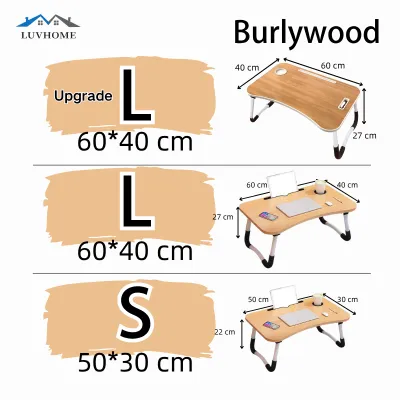
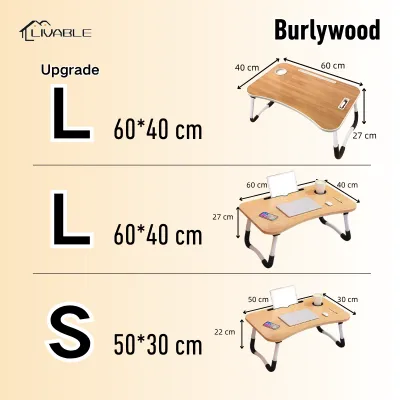

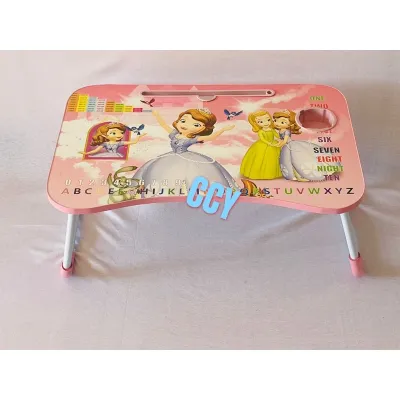
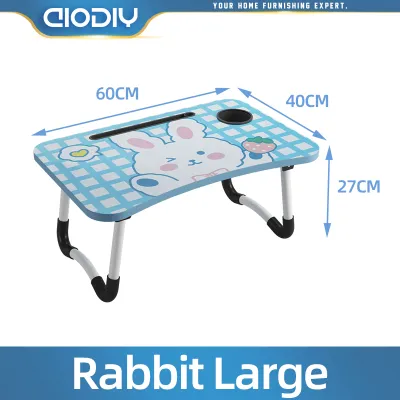
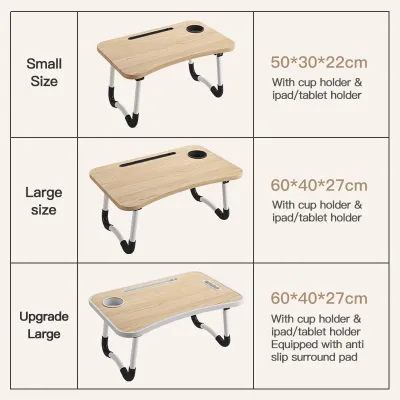
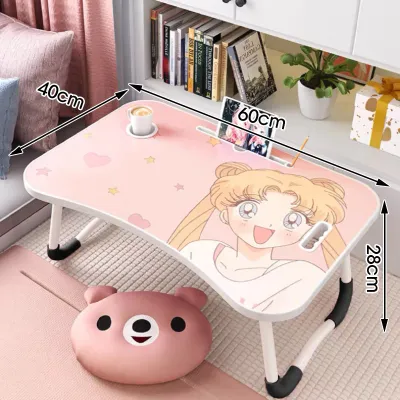
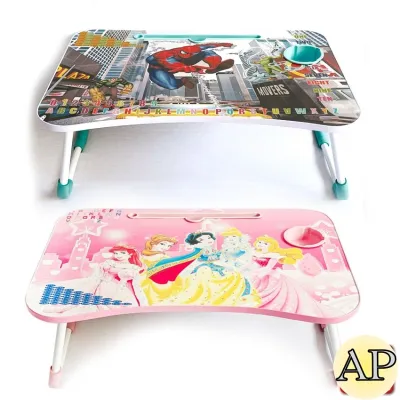
Prices are valid at publication and may change. Please refer to the product page for the latest price.
Standing and Adjustable Tables for Active Learners
Alternating between sitting and standing during study sessions can significantly improve a child’s focus and physical comfort. Extended sitting can lead to slouching, especially when children use laptops that force them to look downward. A height-adjustable desk allows your child to transition to a standing position, which naturally encourages better spinal alignment and keeps energy levels high during afternoon homework hours. This postural variety is particularly helpful for younger learners who naturally have shorter attention spans and benefit from physical movement.

When shopping for an adjustable table, pay close attention to the lifting mechanism. Manual crank systems are highly reliable and do not require proximity to an electrical outlet, though they require some physical effort to turn. Pneumatic or gas-lift mechanisms offer smooth, effortless adjustments with the pull of a lever, while electric models provide push-button convenience. For younger children, prioritize manual or highly controlled pneumatic systems to minimize pinch-point safety risks. Ensure that any moving parts are shielded or designed to prevent small fingers from getting caught during height transitions.
Before making a purchase, measure your child’s sitting and standing elbow heights. You must verify that the table’s minimum height is low enough for comfortable sitting with feet flat on the floor, and that its maximum height accommodates comfortable standing. Look for a model with a generous adjustment range to ensure the desk can grow alongside your child, saving you from having to replace the furniture within a couple of years.
Foldable Tables for Small Spaces and Multi-Room Use
When floor space is at a premium, foldable laptop tables offer a practical way to set up a temporary classroom anywhere in the home. These tables can be set up on a bed, a sofa, or the living room floor, and then folded flat for storage in seconds. This flexibility is incredibly useful in busy households where rooms serve multiple purposes throughout the day. If your child prefers to study near a window for natural light or in an air-conditioned living room to beat the tropical heat, a lightweight foldable table makes relocation effortless.
However, the convenience of portability comes with structural trade-offs that require careful evaluation. Foldable tables generally have lower weight capacities and are more prone to lateral wobble than their fixed counterparts. When browsing options, look closely at the folding mechanism and leg bracing. Sturdy cross-braces and secure locking pins are essential to prevent the legs from accidentally buckling if a child leans heavily on the table edge.
You should also consider the physical effort required to set up and fold the table. If the mechanism is too stiff or complex, your child may struggle to use it independently, requiring constant adult assistance. Inspect the hinges and joints for smooth operation and robust construction. In humid environments, metal hinges can rust over time if not properly coated, so look for powder-coated steel frames or high-quality polymer joints that resist moisture damage.
Fixed Tables for Dedicated Study Zones
For homes with a dedicated study nook, a traditional fixed table remains one of the most reliable and practical choices. Because these desks lack moving joints and folding legs, they offer superior structural stability and a completely wobble-free writing surface. This solid foundation is crucial for children who use larger setup configurations, such as a laptop paired with an external monitor, a separate keyboard, and heavy textbooks.
A fixed desk typically provides a much larger surface area than foldable or compact adjustable models. This extra space allows your child to spread out their notebooks, reference materials, and art supplies without feeling cramped. It also encourages an organized study environment where everything has a permanent place, helping to establish a consistent daily routine. Keep in mind that a fixed desk requires a permanent commitment of floor space, so you must measure your designated area carefully before delivery.
Because a fixed table cannot adjust to your child’s height, you must pair it with an ergonomic, adjustable study chair. To maintain proper posture, your child’s feet should rest flat on the floor or on a sturdy footrest, with their elbows bent at a 90-degree angle level with the tabletop. You may also need to use a separate laptop stand or monitor riser to bring the screen to eye level, preventing neck strain during long reading sessions.
Decision Framework: Matching the Table to Your Child's Routine
To choose the right design, start by analyzing your child’s daily habits, your home’s layout, and your budget. If your child spends several hours a day on digital learning, benefits from moving around, and your budget accommodates a higher price point for mechanical parts, a standing or height-adjustable desk is an excellent investment. This option provides the best long-term ergonomic support as your child grows.
If your living space is shared, your child prefers studying in different rooms, or you need to clear the workspace at the end of the day, a foldable table is the most practical choice. It keeps your home clutter-free and adapts easily to small-space living. For budget-conscious households, a high-quality foldable table is often a highly affordable way to provide a dedicated laptop surface without committing to a large piece of furniture.
Choose a fixed table if you have a dedicated study corner and want a highly stable, durable surface that can support heavy equipment and multiple storage drawers. This setup is ideal for older children who need a quiet, permanent space to focus on complex schoolwork. Before finalizing any purchase, always verify the fully assembled dimensions of the table against your home’s doorways, hallways, and stairwells to ensure a smooth delivery and installation process.
Essential Space, Assembly, and Safety Checks
Before clicking buy on any online marketplace, take precise measurements of your available floor space. Remember to account for the clearance needed behind the desk for a chair to slide out comfortably, as well as walking paths around the study area. A desk that fits perfectly against a wall might still block a doorway or a wardrobe path if you do not plan for these clearances.
Next, review the assembly requirements and the tools included in the package. Some tables arrive fully assembled, while others require extensive manual setup with hex keys or screwdrivers. If you are purchasing a taller or top-heavy adjustable desk, check if the manufacturer recommends wall-anchoring hardware to prevent tip-over risks, especially if you have younger children or pets in the home.
Finally, inspect the materials and construction details. In tropical climates, look for surface finishes that are easy to wipe clean and resistant to moisture, as sweat and spilled drinks can damage untreated wood or cheap laminates. Rounded corners and smooth edge banding are essential safety features that protect children from sharp bumps. Check the structural joints for solid welding or heavy-duty bolting to ensure the table remains stable and wobble-free for years to come.
Frequently Asked Questions (FAQ)
Can a foldable laptop table support a heavy gaming laptop?
Most standard foldable tables are designed for lightweight devices and may wobble or sag under the weight of a heavy gaming laptop, especially during intense typing or gaming sessions. Always check the manufacturer’s specified weight limit before purchasing. If your child uses a heavy laptop along with external accessories, a fixed desk or a heavy-duty adjustable table with reinforced steel legs is a much safer and more stable option.
What is the ideal desk height for a growing child?
There is no single ideal height, as children grow rapidly. The general ergonomic rule is that the desk surface should align with your child’s elbows when they sit with their shoulders relaxed and feet flat on the floor. Their eyes should align with the top third of the laptop screen. To achieve this on a fixed desk, use an adjustable chair to set the arm height correctly, and add a footrest so their feet do not dangle.
Community discussion
Share your experience or ask a question. Comments are reviewed before publication.