
Balancing academic deadlines with personal responsibilities requires an environment that fosters deep focus. As an adult learner, your study space is no longer just a corner for quick homework; it is a high-stakes workspace where you might spend six to eight hours a day reading, writing, and attending virtual lectures. Choosing the right study table for student adult needs is a critical decision that directly impacts your physical health, productivity, and home environment.
There is no single “best” desk configuration for every adult student. The ideal setup depends entirely on your available floor space, daily study habits, and ergonomic requirements.
If you live in a compact condominium or shared apartment where space is at a premium, a foldable desk offers the flexibility to reclaim your living area when your books are closed.
Products mentioned in this guide
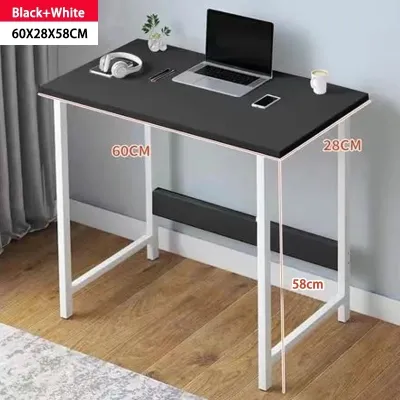
![[Ready To Ship]120CM Study Table Double Layer Student Table Study Desk Table Modern Writing Living Room](https://img.lazcdn.com/g/p/ea159d7fd469e670934c414fdc338e23.jpg_400x400q80.jpg_.webp)
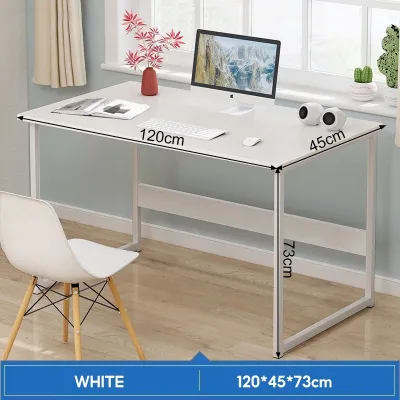
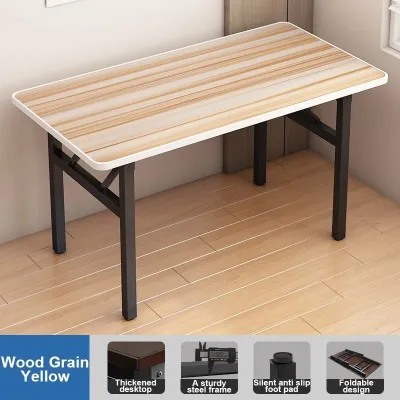
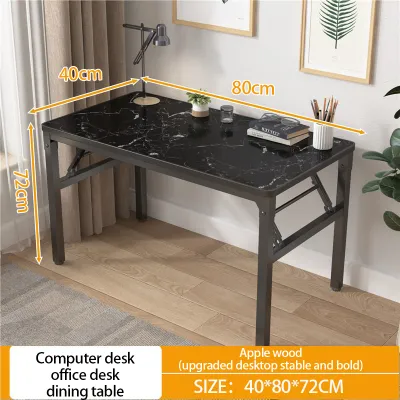
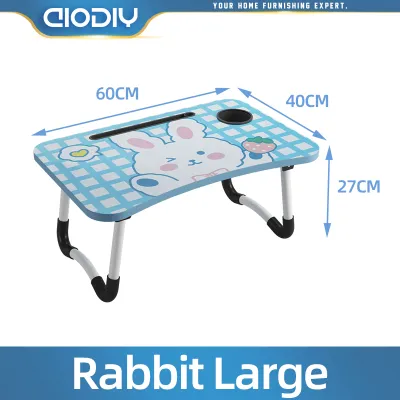
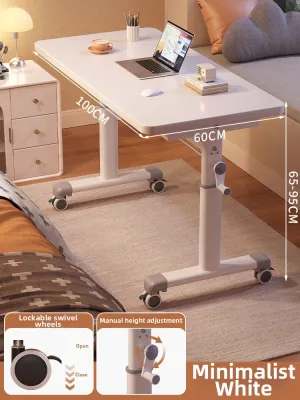
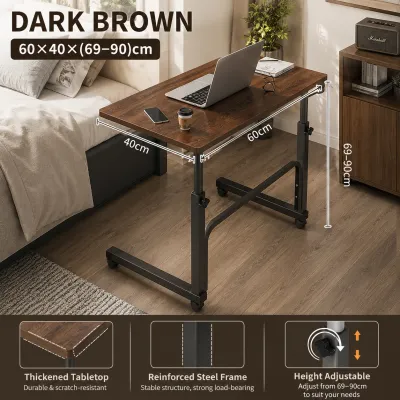
Prices are valid at publication and may change. Please refer to the product page for the latest price.
For those prioritizing physical wellness and long-term posture management, a standing desk provides the active movement needed to combat fatigue during late-night study sessions.
Meanwhile, if your coursework demands multiple screens, heavy textbooks, and dedicated reference zones, an L-shaped desk provides the expansive surface area necessary to manage complex workflows.
Understanding how these three configurations compare across spatial, physical, and functional dimensions will help you design a setup that supports your academic journey without cluttering your home.
Space and Layout: Matching the Desk to Your Room
Before browsing online marketplaces or local furniture showrooms, you must realistically assess the physical boundaries of your study area. In many urban living spaces in the Philippines, such as studio condos or shared apartments, floor space is a precious commodity. The physical footprint of your desk dictates not only how well you can work but also how freely you can move around your room.
Foldable desks are the ultimate champions of spatial efficiency. These tables are designed for quick deployment, allowing you to set up a temporary study zone in a living room, bedroom, or even a covered balcony, and then fold them flat for storage under a bed or behind a wardrobe. When evaluating a foldable study table for student adult use, always verify the folded depth and clearance requirements. A desk that is easy to collapse but still bulky when folded can defeat the purpose of space-saving furniture.
L-shaped desks, by contrast, demand a permanent commitment of space but excel at utilizing areas that often go wasted. By fitting snugly into a corner, an L-shaped desk maximizes your usable surface area without protruding into the center of the room. This configuration is highly beneficial if you have a dedicated study room or a quiet corner in a larger bedroom. However, you must carefully measure the length of both walls and ensure the desk will not block light switches, electrical outlets, or window panels.
Standing desks typically occupy a standard rectangular footprint, similar to a traditional writing desk. However, their spatial considerations are more dynamic because they move vertically. You must ensure there is sufficient vertical clearance, keeping the desk away from low-hanging wall shelves, picture frames, or air conditioning units. Additionally, motorized standing desks require close proximity to a power outlet and a robust cable management system to prevent cords from tensioning or unplugging as the desk rises.
To avoid delivery headaches, always measure your doorways, hallways, and elevator or stairway clearances before finalizing a purchase. A large, non-demountable L-shaped frame or a heavy motorized standing desk base can easily get stuck in tight stairwells or narrow condo corridors. Consider the visual weight of the desk as well; a solid, dark L-shaped desk can make a small room feel cramped, whereas a minimalist standing desk with open legs preserves a sense of light and space.
Ergonomics and Posture: Supporting Long Study Sessions
Adult students often balance their education with professional work, meaning they spend an extraordinary number of hours seated in front of a screen. This sedentary lifestyle can quickly lead to chronic neck strain, lower back pain, and shoulder tension. Your desk configuration plays a foundational role in how your body holds itself during these prolonged study sessions.

Standing desks offer a dynamic solution to the physical toll of long-term sitting. By allowing you to transition between sitting and standing throughout the day, these desks help stimulate blood circulation, engage core muscles, and reduce spinal compression. To get the most ergonomic benefit from a standing desk, you should pair it with a supportive anti-fatigue mat to cushion your feet and a highly adjustable ergonomic chair for your sitting intervals. Transitioning to standing for just 15 to 30 minutes every hour can dramatically improve your alertness and comfort.
L-shaped desks support ergonomics through a different mechanism: zonal organization. By placing your computer on one side of the “L” and your physical books or writing materials on the other, you create distinct work zones. This setup prevents you from constantly twisting your spine or overreaching for reference materials, which are common causes of repetitive strain injuries. To navigate this layout safely, it is essential to use a high-quality office chair with a smooth 360-degree swivel and adjustable armrests, allowing your entire body to turn toward your work rather than just your neck and shoulders.
Foldable desks, while highly convenient, present the greatest ergonomic challenges. Most foldable models feature a fixed height that cannot be adjusted to match your individual torso length or chair height. Furthermore, because they rely on lightweight, collapsible joints, foldable desks generally have lower weight capacities and are more prone to micro-wobbles when you type heavily. Over time, compensating for a shaking screen or an awkward typing height can lead to muscle fatigue and poor posture.
Before purchasing any model, verify the manufacturer’s structural specifications on the product label. Look for clear indications of the desk’s height range, maximum load capacity, and joint reinforcement. In humid tropical climates, metal joints on foldable desks can rust if not properly coated, and engineered wood tops can swell if exposed to moisture, both of which compromise structural stability. Always prioritize sturdy, powder-coated steel frames and moisture-resistant finishes to ensure your desk remains safe and stable.
Workflow and Multitasking: Aligning the Desk with Your Habits
Your academic success depends heavily on how efficiently you can execute your daily study tasks. Different fields of study require different tools, and your desk should act as an enabler rather than a bottleneck for your workflow.
If your coursework involves heavy multitasking, an L-shaped desk is unmatched in its utility. Students in fields like engineering, data science, or law often need to run dual monitors, keep multiple browser tabs open, and simultaneously reference massive physical textbooks or blueprints. The dual-surface design of an L-shaped study table for student adult learners allows you to keep your digital workspace completely separate from your physical writing or reading space. This physical separation helps minimize cognitive clutter, allowing you to focus on one task at a time without constantly moving keyboards and mouse pads out of the way.
For active and flexible learners, a standing desk aligns perfectly with a dynamic study style. If you find yourself losing focus during long reading assignments, standing up can provide a natural boost of energy and keep sleepiness at bay. This configuration is also ideal for adult students who participate in frequent online presentations, group video calls, or virtual defense panels, as standing naturally improves posture, projection, and vocal delivery. The ability to adjust your desk height on the fly means you can quickly transition from typing a paper to sketching ideas on a tablet at a comfortable standing height.
If your study habits are highly minimalist or occasional, a foldable desk is often the most practical choice. If your academic toolkit consists solely of a lightweight laptop, a notebook, and a pen, you do not need a massive, permanent piece of furniture taking up space in your home. A foldable desk allows you to establish a temporary, high-focus study zone whenever inspiration strikes, and then pack it away to restore your room’s original function. This is particularly useful for part-time students who only study on weekends or a few evenings a week.
To determine which setup fits your habits, take a few days to audit your study routine. Note how many devices you use at the same time, whether you prefer to study sitting still or moving around, and how much physical paper you generate. If you find your current table constantly cluttered with chargers, books, and coffee mugs, it is a clear sign that you require either more surface area or better organizational zoning.
Quick Comparison: Standing vs. Foldable vs. L-Shaped Desks
To help you visualize how these three configurations stack up against each other, the table below compares them across key decision dimensions based on standard furniture design principles.
| Feature | Standing Desk | Foldable Desk | L-Shaped Desk |
|---|---|---|---|
| Space Requirement | Moderate; requires vertical clearance and proximity to power. | Low; can be folded flat and stored when not in use. | High; requires a dedicated corner or large wall space. |
| Ergonomic Adjustability | Excellent; transitions easily between sitting and standing heights. | Limited; typically features a fixed height and basic frame. | Moderate; relies on zonal layout and a quality swivel chair. |
| Multitasking Capacity | Moderate; best suited for single or dual monitor setups. | Low; optimized for a single laptop and minimal accessories. | High; easily accommodates multiple screens, books, and gear. |
| Setup Complexity | Moderate to High; involves motorized parts or heavy lifting. | Low; usually arrives fully assembled or requires basic unfolding. | High; requires assembling multiple panels and structural frames. |
| Best Use Case | Students seeking posture health and active focus during long sessions. | Students in compact spaces who study occasionally or minimally. | Students requiring extensive surface area for heavy multitasking. |
Final Decision Framework: Which Study Table Should You Buy?
Choosing the right study table for student adult needs ultimately comes down to balancing your spatial limitations, physical comfort, and budget. To make your final decision, consider which of the following scenarios best describes your current living and learning situation.
You should choose a foldable desk if your living space is highly constrained, such as a studio apartment or a shared room, and you need to preserve floor space for daily activities. This option is perfect if your studies are mostly digital, requiring only a laptop, and you prefer a low-cost, highly portable solution that can be tucked away when your semester ends or during school breaks.
You should choose a standing desk if you suffer from back stiffness, neck pain, or fatigue during long study sessions, and you want a modern, health-conscious setup. This configuration is ideal if you have a dedicated rectangular space in your room, do not mind a moderate assembly process, and are willing to invest in a piece of furniture that actively supports your long-term physical well-being.
You should choose an L-shaped desk if your academic workload requires you to spread out multiple textbooks, notebooks, and reference materials alongside dual monitors or a large desktop computer. This setup is best if you have a permanent corner of a room that you can dedicate solely to your studies, allowing you to leave your work organized and undisturbed between sessions.
Before clicking “buy” on any online marketplace or paying at a local showroom, always verify the manufacturer’s specifications. Check the maximum weight limits, especially if you plan to mount heavy monitor arms or stack heavy textbooks. Review the assembly instructions and warranty terms, particularly for motorized standing desks which contain electronic components susceptible to power surges. If your intended equipment weight or spatial constraints exceed the manufacturer’s stated limits, stop and consult the retailer or a professional furniture installer to ensure a safe and stable setup.
Frequently Asked Questions (FAQ)
What is the standard desk height for studying?
Standard fixed-height study tables typically range between 73 and 75 centimeters from the floor. This height is designed to accommodate the average adult, but it may not provide an ergonomic fit for everyone. To achieve proper posture on a fixed-height desk, you should use an adjustable office chair that allows your elbows to rest at a 90-degree angle when typing. If raising your chair causes your feet to dangle, use a sturdy footrest to keep your knees bent at a comfortable 90-degree angle and ensure your eyes remain level with the top third of your computer screen.
Can I use a desk converter instead of buying a full standing desk?
Yes, a desk converter is an excellent, lower-commitment alternative if you want the health benefits of standing but cannot afford or accommodate a full motorized standing desk. These converters sit directly on top of your existing fixed or foldable table and can be raised or lowered manually or via a gas-spring mechanism. However, keep in mind that converters have a smaller surface area, which may limit your writing space, and they add significant weight to your existing table. Always check the weight capacity of both the converter and your base desk to ensure the setup remains completely stable when fully extended.
Community discussion
Share your experience or ask a question. Comments are reviewed before publication.