
Choosing a headboard is more than a design decision; it dictates how your bed interacts with your bedroom walls, floor space, and daily routine. The ideal mounting style depends on whether you own or rent your home, the structural material of your walls, and your willingness to use power tools. By evaluating your room’s physical layout and your bed frame’s design, you can select a headboard that remains secure, stable, and easy to maintain over time.
Understanding How Each Headboard Type Works
Standing headboards, also known as floor-standing headboards, are independent units designed to rest directly on the bedroom floor. They stand tall behind your bed frame and are held upright primarily by being sandwiched between the back of your mattress base and the wall. While some models include optional slots to bolt them to a frame, their weight and the pressure of the bed are usually enough to keep them stable.
Wall-mounted headboards are floating panels that attach directly to your wall using mounting brackets, interlocking cleats, or heavy-duty anchors. Because they hang independently of the bed frame, they do not touch the floor and can be positioned at any height you choose. This style creates a sleek, integrated look but requires permanent modification of your wall surface.
Products mentioned in this guide

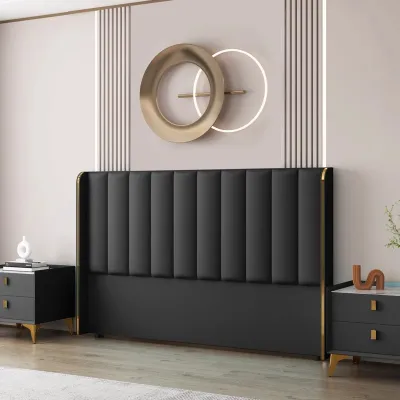

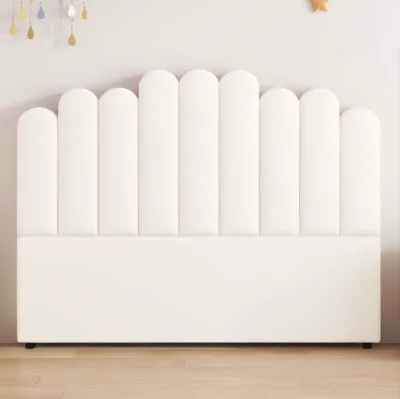
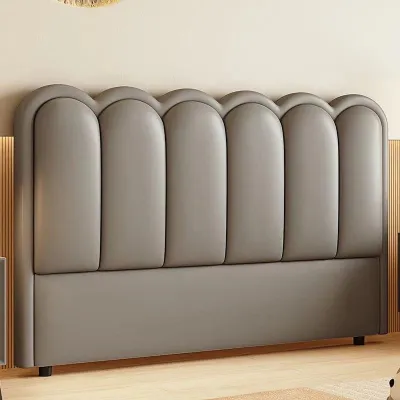

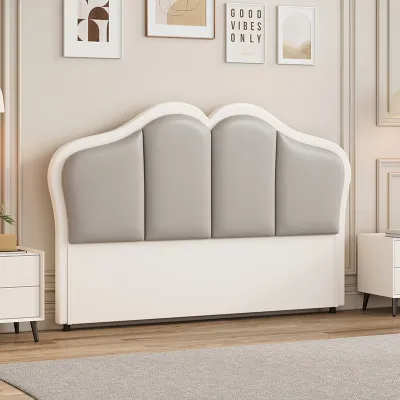

Prices are valid at publication and may change. Please refer to the product page for the latest price.
Bed-attached headboards connect directly to the head of your bed frame using bolts, brackets, or hooks. They rely entirely on the bed frame for structural support and do not need to touch the wall behind them. This classic design ensures that the headboard and the bed move together as a single, cohesive piece of furniture.
Diagnosing Your Bedroom Space and Wall Conditions
Before purchasing any headboard, you must assess the construction of your bedroom walls. In many homes and modern condominium units, walls are constructed from solid concrete, hollow concrete blocks, or plaster over masonry. Drilling into these surfaces requires a hammer drill, masonry drill bits, and heavy-duty wall plugs, which can be challenging to install and difficult to patch later. If you live in a rental property with strict rules against drilling, or if your walls are made of thin drywall partitions without accessible wooden studs, a wall-mounted headboard may not be a viable option.

Next, evaluate your floor space and the physical obstacles along your walls. Standing headboards have a physical depth that can push your entire bed frame several inches away from the wall, reducing the walking clearance at the foot of the bed. You must also check the height and thickness of your baseboards, as a thick baseboard can prevent a standing headboard from resting flush against the wall, causing it to lean or wobble. Additionally, locate your electrical outlets; a solid standing or bed-attached headboard can block access to wall sockets used for phone chargers, bedside lamps, or fans.
Finally, inspect your existing bed frame for compatibility. Turn your attention to the head of the bed frame to check for pre-drilled holes, slots, or mounting brackets. Many minimalist platform beds, divan bases, and wooden frames do not come equipped with these attachment points. If your frame lacks mounting hardware, installing a bed-attached headboard will require purchasing separate adapter brackets or drilling custom holes into your bed frame.
Weighing Installation Effort and Daily Maintenance
The effort required to install each headboard type varies significantly. Standing headboards offer the simplest setup, often requiring little more than unpacking the unit and sliding it into place behind your mattress. Wall-mounted headboards demand the highest level of precision, requiring a spirit level, a tape measure, and a drill to ensure the mounting cleats are perfectly straight and securely anchored. Bed-attached headboards fall in the middle, requiring you to align the frame’s brackets with the headboard’s slots and tighten several bolts, a task that is much easier to complete with two people.
Stability and safety are critical considerations for long-term comfort. A poorly secured headboard can wobble, squeak against the wall, or even tip forward. For standing headboards, stability relies on a tight fit between the bed and the wall; if the bed frame shifts during the night, the headboard can lean. Wall-mounted units are exceptionally stable if anchored into studs or solid concrete, but they can pull loose from drywall if installed with weak adhesive or incorrect anchors. Bed-attached units must be checked periodically, as the movement of the bed can cause the connecting bolts to loosen over time, resulting in a noticeable wobble.
Daily maintenance and cleanliness should also influence your choice, especially in warm, humid climates where dust and moisture accumulate quickly. Standing headboards create a narrow, hard-to-reach gap between the headboard and the wall, which can trap dust, pet hair, and moisture, potentially leading to mold growth if left uncleaned. Wall-mounted headboards leave the floor completely clear, allowing you to sweep, vacuum, or mop under the bed without obstruction. Bed-attached headboards move with the frame, making it easier to pull the entire bed away from the wall for deep cleaning.
Choosing the Right Headboard Based on Your Diagnosis
A standing headboard is highly recommended if you rent your living space, frequently rearrange your bedroom layout, or have uneven plaster walls. Because it does not require drilling into the wall, you can easily pack it up and move it to a new home without worrying about security deposits or wall repairs. It is also an excellent choice if you want a substantial, upholstered look without the hassle of complex mounting hardware.
A wall-mounted headboard is the ideal solution for small bedrooms where maximizing floor space is a priority. By floating the headboard on the wall, you keep the floor area clear, creating the illusion of a larger room and making floor maintenance effortless. This style is also perfect for custom bed setups, such as low-profile platform beds or floating frames, where a traditional headboard would sit too low or look disconnected.
A bed-attached headboard is best suited for those who want a classic, unified furniture set that moves as one piece. If your bed frame already features standard mounting brackets, this option provides a secure, stable connection with minimal assembly. It is particularly useful if you plan to position your bed away from the wall, such as in the center of a large loft or studio apartment, where back-to-wall support is not available.
Frequently Asked Questions (FAQ)
Can I use a standing headboard with any bed frame?
Yes, but your bed frame must meet certain conditions to ensure stability. Because standing headboards rely on the pressure of the bed to hold them upright, your bed frame must be heavy and sturdy enough to prevent the headboard from shifting. Minimalist metal frames or lightweight folding bases may not provide enough resistance. Additionally, check the height of your mattress; a very thick mattress might obscure the design of the headboard, while a very thin mattress might leave an unsightly gap between the mattress top and the start of the headboard panel.
Are wall-mounted headboards safe for drywall?
Wall-mounted headboards are safe for drywall only if you use the correct mounting hardware and techniques. You should never rely on standard plastic wall plugs or nails to hold a heavy headboard. Instead, locate the wooden studs behind the drywall using a stud finder and secure the mounting brackets directly into them. If the studs do not align with your headboard’s mounting points, you must use heavy-duty hollow-wall anchors, such as toggle bolts, that are rated for the specific weight of your headboard. If you are unsure of your wall’s load capacity, consult a professional installer to prevent wall damage.

Community discussion
Share your experience or ask a question. Comments are reviewed before publication.