
Selecting a steel display cabinet to double as a television stand requires a careful balance of structural safety, spatial proportions, and environmental durability. Unlike lightweight wooden consoles, a heavy-duty steel cabinet offers exceptional structural integrity and a clean, industrial aesthetic, but it also introduces specific technical considerations. To make a successful purchase, you must prioritize structural weight capacity, exact physical dimensions, rust-resistant finishes suitable for humid climates, and functional cable and thermal management. By focusing on these core engineering and design features, you can ensure your entertainment setup remains secure, organized, and visually balanced for years to come.
A steel display cabinet is not merely a decorative storage piece; it serves as the physical foundation for your valuable electronics and acts as the central hub of your living space. Modern home entertainment systems combine heavy television screens with sensitive peripheral devices like gaming consoles, soundbars, and media players. Each of these components requires a stable platform, adequate ventilation, and organized routing for power and signal cables. Evaluating a cabinet based on these practical demands ensures that your furniture investment protects your electronics rather than compromising their performance or safety.
Evaluating Weight Capacity and Structural Stability of a Steel Display Cabinet
When using a steel display cabinet as an entertainment center, structural safety must be your absolute priority. You must first distinguish between the unit’s total weight capacity and its individual shelf capacity. The total capacity refers to the cumulative weight the entire frame can support, while the individual shelf capacity dictates the limit for a single horizontal surface. Always verify these specifications on the manufacturer’s product label or official specification sheet. Placing a heavy television on a top surface that is only rated for light decorative items can lead to structural bowing, joint fatigue, or catastrophic failure.
Products mentioned in this guide
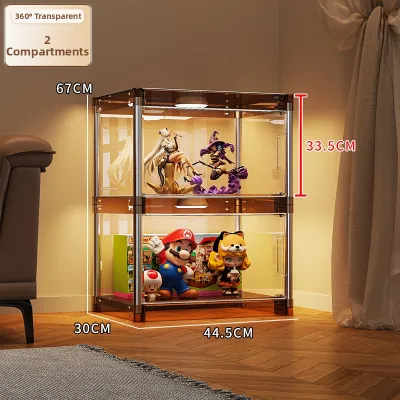
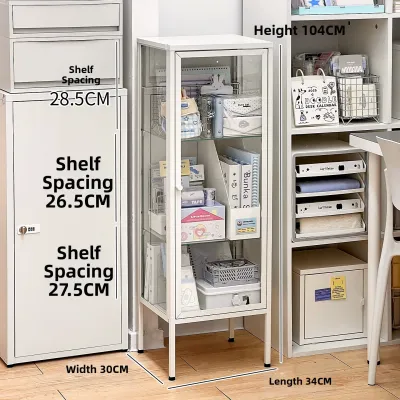


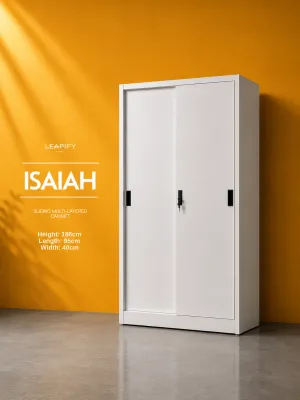
Prices are valid at publication and may change. Please refer to the product page for the latest price.
The thickness of the steel, commonly referred to as its gauge, directly influences the cabinet’s long-term load-bearing performance. In the sheet metal industry, a lower gauge number indicates thicker, stronger steel. For instance, an 18-gauge steel frame is significantly thicker and more rigid than a 22-gauge frame. Heavy electronic setups require robust structural support, making thicker-gauge steel highly desirable for preventing mid-span sagging over time. Additionally, pay close attention to the frame construction; welded joints offer superior permanent rigidity and eliminate the risk of hardware loosening, whereas bolted assemblies offer shipping convenience but require periodic tightening to maintain stability.
Stability on the floor is another critical factor, especially in homes with uneven flooring surfaces like tile, stone, or older hardwood. A cabinet that wobbles can transmit vibrations to your television, increasing the risk of it shifting or tipping over. Look for steel cabinets equipped with adjustable leveling feet, which allow you to compensate for floor imperfections by raising or lowering individual corners. A wide, solid base design also helps distribute the heavy load of the cabinet and its contents evenly across the floor surface, reducing localized pressure on your flooring material.
Safety considerations become even more critical if you select a taller display cabinet style where the TV sits within an open alcove or on a lower shelf. High-profile furniture has a higher center of gravity, making it susceptible to tipping forward if subjected to accidental impacts or seismic activity. If your household includes young children or active pets, it is essential to verify that the cabinet includes a dedicated anti-tip wall anchoring kit. These kits secure the heavy steel frame directly to the wall studs, providing vital physical restraint that prevents dangerous tip-over accidents.
Matching Dimensions to Your TV and Viewing Space
Achieving a harmonious visual balance and a comfortable viewing experience requires precise dimensional planning. When selecting a steel display cabinet, the horizontal width of the cabinet should ideally be equal to or slightly wider than the physical width of your television. Keep in mind that television sizes are advertised using diagonal screen measurements, which do not represent the actual horizontal width of the frame. A cabinet that is too narrow creates an awkward, top-heavy appearance and leaves the outer edges of your TV vulnerable to accidental bumps from passing foot traffic.

The height of the cabinet plays a decisive role in your daily comfort and physical health. To establish an ergonomic viewing angle, the center of your television screen should align closely with your eye level when you are seated on your standard living room sofa. A cabinet that is too tall forces you to tilt your head upward, which can lead to chronic neck and shoulder strain over extended viewing sessions. Conversely, an excessively low cabinet can cause you to slouch forward. Measure your sofa’s seat height and calculate the ideal placement height before finalizing your cabinet selection.
Depth is another critical dimension that is frequently overlooked during the buying process. You must measure the physical depth of your deepest audio-visual components, such as multi-channel amplifiers, home theater receivers, or large gaming consoles. Ensure that the cabinet’s internal shelving depth can accommodate these devices comfortably. Furthermore, you must factor in an additional 5 to 10 centimeters of rear clearance behind the devices to accommodate stiff HDMI connectors, heavy power cables, and speaker wire plugs without bending or damaging them.
Finally, you must assess the available floor space in your room and plan for clear traffic pathways. Use painter’s tape to outline the footprint of the proposed steel cabinet on your floor to visualize its physical presence. Ensure that the cabinet does not obstruct doorways, window access, or major walking paths. A minimum walking clearance of 60 to 90 centimeters around the front and sides of the cabinet is highly recommended to maintain comfortable movement throughout the living room.
Steel Types and Finishes for Humid Climates
The local climate of your home significantly impacts the lifespan and appearance of metal furniture. In tropical environments characterized by high relative humidity, coastal salt air, or seasonal dampness, unprotected steel is highly susceptible to oxidation and rust. When evaluating a steel display cabinet, you must understand the differences between the base materials. Carbon steel is the most common and cost-effective option used in residential furniture, but it relies entirely on its surface finish to resist rust. Stainless steel offers superior inherent corrosion resistance due to its chromium content, but it is typically more expensive and offers fewer aesthetic color variations.
Because carbon steel is widely used, the quality of its protective surface treatment is the single most important factor in preventing rust. Powder coating is widely recognized as the gold standard finish for steel furniture. Unlike standard liquid paint, which is sprayed on and dried, powder coating involves electrostatically applying a dry polymer powder to the metal surface and then curing it under intense heat. This process fuses the powder into a continuous, highly durable, and moisture-resistant barrier. A powder-coated finish is exceptionally resilient against scratches, chipping, and humidity-induced peeling, making it far superior to basic electroplating or standard wet paint.
When browsing product specifications, actively look for explicit terms indicating rust-proofing, corrosion resistance, or suitability for high-humidity environments. If you plan to place the cabinet in a semi-open area, such as a covered veranda, a sunroom, or a space without continuous air conditioning, verifying these protective finish ratings is essential. A cabinet designed solely for low-humidity, climate-controlled environments may begin to show signs of surface rust at the joints and seams within a few months of exposure to tropical air.
Preserving this protective barrier requires simple, low-risk maintenance practices that you should perform regularly. Dust the cabinet weekly using a clean, dry microfiber cloth to prevent abrasive dust particles from settling on the finish. If liquid spills occur, wipe them away immediately with a dry cloth to prevent moisture from pooling in the seams or corners. Avoid using harsh chemical cleaners, bleach, ammonia, or abrasive scrubbing pads, as these substances can create micro-scratches in the powder coating, compromising its integrity and allowing moisture to reach the raw steel underneath.
Cable Management and Device Ventilation Needs
A high-quality steel display cabinet must function efficiently as an active media hub, which requires dedicated features for organizing wiring and managing heat. Cable management systems are essential for keeping power cords, HDMI cables, and speaker wires organized and hidden from view. Look for cabinets that feature pre-drilled grommet holes, rear cutouts, or integrated vertical cable channel tracks. These features allow you to route cables directly from the interior shelves to the wall outlets without having to drape wires over the sides or front of the furniture.
Proper ventilation is equally critical for the health and longevity of your electronic devices. Modern gaming consoles, media players, and audio receivers generate substantial thermal energy during operation. If these devices are enclosed within a solid steel cabinet without adequate airflow, the internal temperature can rise rapidly, leading to system instability, thermal throttling, or permanent hardware failure. To prevent overheating, prioritize cabinets that feature perforated steel mesh panels, louvered doors, or completely open-back designs that facilitate continuous passive air circulation.
Another common challenge with enclosed steel cabinetry is remote control signal transmission. Standard infrared (IR) remote controls require an unobstructed line of sight between the remote handset and the sensor on the electronic device. Solid steel doors completely block these infrared light signals, preventing you from controlling your devices while the doors are closed. If you prefer the clean look of closed doors, look for cabinets featuring tempered glass doors or fine metal mesh panels that allow IR signals to pass through easily. Alternatively, you can plan to install an aftermarket IR repeater or blaster system, which uses an external receiver to route control signals inside the sealed cabinet.
Storage Flexibility, Doors, and Security
The interior configuration of your steel display cabinet determines how effectively it can adapt to your changing storage needs over time. Look for models that feature adjustable or removable shelving systems. Electronic components come in highly varied dimensions; a bulky home theater receiver requires significant vertical clearance, while a slim media player may only need a few centimeters. Adjustable shelves allow you to customize the height of individual compartments, maximizing the usable interior space and preventing wasted vertical clearance.
The mechanics of the cabinet doors also impact your daily user experience and the safety of the unit. Soft-close hinges are highly desirable for steel swinging doors, as they prevent the heavy doors from slamming shut. This reduces noise and protects both the steel frame and any delicate glass panels from high-impact vibrations. If your living room has limited floor space, consider sliding door tracks instead of swinging doors. Sliding doors glide parallel to the cabinet frame, eliminating the need for outward clearance and keeping walking paths completely unobstructed.
Security features provide an additional layer of utility and peace of mind. Integrated key locks are highly useful if you need to restrict access to expensive gaming consoles, valuable media collections, or potentially hazardous items like power cables and small accessories. If the cabinet design incorporates glass panels for display purposes, it is vital to verify that the manufacturer uses certified tempered safety glass. Tempered glass is physically stronger than standard plate glass and is engineered to shatter into small, blunt-edged granules rather than sharp, dangerous shards if a high-impact accident occurs.
Pre-Purchase Checklist: Delivery, Assembly, and Safety
Before finalizing your purchase of a steel display cabinet, completing a thorough logistical and safety check will help you avoid common post-purchase complications. Steel furniture is exceptionally heavy and rigid, which makes transport and handling more challenging than with flat-packed wooden alternatives. Use this practical checklist to guide your final decision:
- Measure Entry Points: Carefully measure the width and height of every doorway, hallway, stairwell, and elevator cabin that the delivery team must navigate to reach your living room. Heavy steel cabinets often arrive fully welded or in massive, non-bendable boxes, making tight corners and low ceilings major obstacles.
- Assess Assembly Requirements: Determine whether the cabinet is delivered fully assembled or requires manual construction. Because of the weight and structural rigidity of steel panels, assembly typically requires at least two people and specific tools like socket wrenches or hex keys. Verify if the retailer provides professional assembly services at delivery.
- Review Warranty Terms: Inspect the manufacturer's warranty policy to understand what is covered. Look specifically for clear terms regarding structural welding defects, premature peeling or cracking of the powder-coated finish, and hardware failures on hinges or drawer slides.
- Verify Official Specifications: Cross-reference the physical dimensions and maximum weight capacities listed on the manufacturer's official technical specification sheet. Retailer product descriptions can sometimes contain typographical errors, so relying on the official engineering document is the safest approach before committing.
Frequently Asked Questions (FAQ)
Can a standard steel display cabinet support a heavy, large-screen OLED TV?
Yes, a well-constructed steel display cabinet can easily support a heavy, large-screen OLED TV, but you must verify the specific weight limits of the unit. While steel is an inherently strong material, the actual load capacity depends on the steel gauge, the internal frame reinforcement, and the quality of the joints. Always check the manufacturer’s official specifications for the maximum top-surface weight capacity and ensure it comfortably exceeds the weight of your television and its stand.
How do I maintain the finish to prevent rust in a humid room?
To prevent rust in a humid environment, dust the steel cabinet regularly with a clean, dry microfiber cloth to remove moisture-attracting dust particles. Wipe away any liquid spills immediately to prevent water from pooling in seams or joints. Avoid using harsh chemical cleaners, ammonia, or abrasive scrubbing pads, as these can scratch and degrade the protective powder-coated finish. Maintaining good air circulation in the room or using a dehumidifier also helps preserve the metal surface.
Will my remote control work through closed steel or glass cabinet doors?
Standard infrared (IR) remote controls will not work through solid steel cabinet doors, as the metal completely blocks the light signals. However, standard tempered glass doors and perforated steel mesh panels generally allow infrared signals to pass through without issue. If you choose a cabinet with solid steel doors, you will need to open the doors during use, utilize devices with Bluetooth or Radio Frequency (RF) remotes, or install an external IR repeater system to route the signals inside.
Community discussion
Share your experience or ask a question. Comments are reviewed before publication.