
Choosing the right steel locker cabinet depends heavily on where it will stand and who will use it. While a workplace requires standardized security, high-volume durability, and uniform aesthetics, a home setup demands visual integration, versatile internal layouts, and child-safe stability. Understanding these differences ensures you select a unit that protects your belongings without disrupting your daily environment.
Defining Your Primary Use Case: Home vs. Office Needs
In a shared workplace, storage solutions must withstand constant, daily use by multiple individuals. Office cabinets typically prioritize standardized dimensions to fit uniform folders, binders, or personal employee belongings. These environments require high-durability utility designs where function completely overrides personal style, ensuring the office maintains a professional, cohesive appearance.
Conversely, home storage serves a highly diverse and changing set of needs. A residential steel locker cabinet might hold pantry items today, heavy tools tomorrow, or seasonal linens next month. Because these units sit in living rooms, bedrooms, or hallways, their visual impact matters immensely. Homeowners often look for softer colors, matte finishes, or compact designs that blend seamlessly with existing furniture rather than standing out like industrial hardware.
Products mentioned in this guide
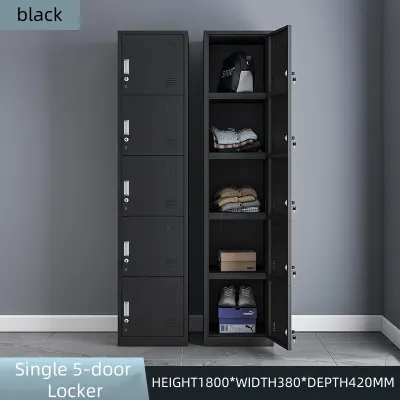
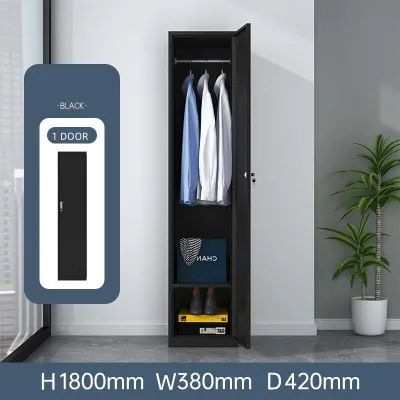
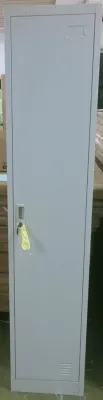
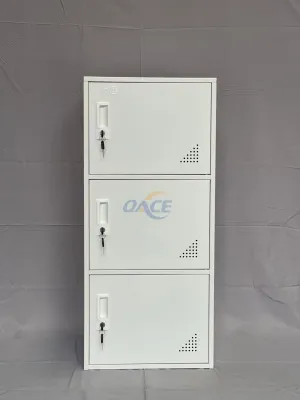
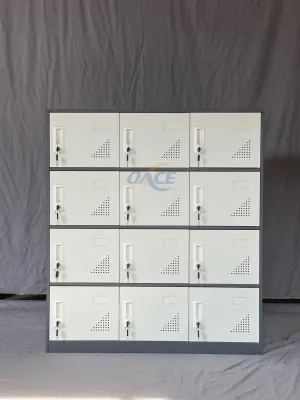
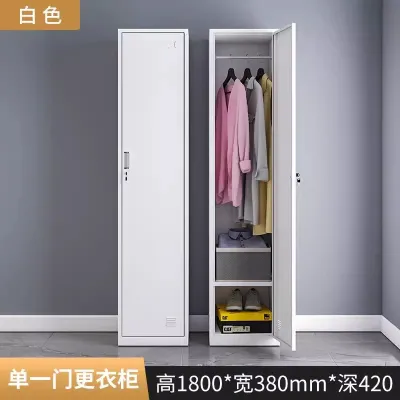
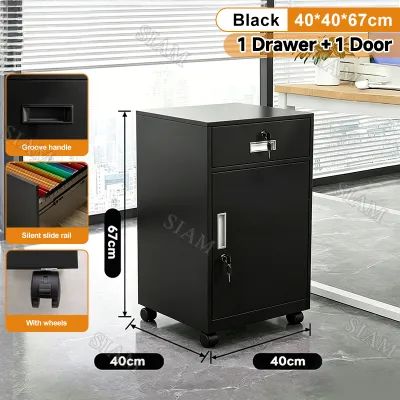
Prices are valid at publication and may change. Please refer to the product page for the latest price.
Access frequency also dictates your choice. Office lockers are opened and closed repeatedly throughout the workday, demanding heavy-duty hinges and latching systems. Home storage, particularly for archival items or seasonal gear, might only be accessed a few times a week or month. Clarifying whether your cabinet is a high-traffic daily hub or a quiet, long-term storage vault is the first step in making a practical purchase.
Evaluating Security and Locking Mechanisms
Security requirements vary dramatically between private residences and public or semi-public workplaces. For office environments, built-in cylinder locks are often the standard choice. These systems allow facilities managers to maintain master keys, ensuring access during emergencies or employee transitions while still providing individual privacy.

In contrast, padlock hasps offer excellent flexibility for home use or flexible workspaces. They allow users to supply their own combination or key padlocks, which can be easily replaced if a key is lost without needing to swap out the entire lock mechanism. This is particularly convenient in home garages or shared family spaces where different members might need to secure personal items temporarily.
For high-security office settings or modern smart homes, digital keyless entry systems are becoming increasingly common. Electronic keypads or RFID card readers eliminate the hassle of physical keys entirely. When evaluating these high-tech options, it is essential to check the manufacturer’s instructions regarding battery life, emergency power overrides, and programming steps.
Regardless of the locking mechanism you choose, physical structural security remains paramount. When browsing options, inspect the product specifications for reinforced lock housings and pry-resistant door edges. A quality steel locker cabinet should feature doors that fit snugly within the frame, leaving no wide gaps that could allow simple tools to pry the door open.
Comparing Dimensions, Capacity, and Internal Layouts
The items you plan to store should directly dictate the internal configuration of your steel locker cabinet. Office storage typically requires specific compartments designed for suspension files, document boxes, or laptop charging stations. If you are purchasing for a workplace, verify that the shelf depth and height align with standard folder sizes to avoid wasted vertical space.
Home storage demands far greater layout flexibility. Look for cabinets featuring highly adjustable shelves that can be repositioned without specialized tools. This adaptability allows you to transition the cabinet from storing tall vacuum cleaners and brooms to holding stacked plastic bins or folded blankets. Some residential models also include removable hanging rails or vertical dividers, which are excellent for organizing coats, sports gear, or cleaning supplies.
Before finalizing any purchase, carefully measure the external dimensions of the unit and compare them to your allocated floor space. It is not enough for the cabinet to simply fit the wall; you must also account for door clearance. Ensure that the locker doors can swing open fully without blocking walkways, striking adjacent furniture, or creating safety hazards in high-traffic corridors.
In tight spaces, consider multi-door configurations or sliding-door steel cabinets. While traditional single-door lockers require a wide clearance arc, multi-compartment units or sliding designs minimize the footprint required during access. This planning is especially critical in narrow home hallways or compact office cubicle layouts.
Assessing Build Quality, Ventilation, and Finish
Steel is inherently durable, but its longevity depends heavily on its surface treatment and the environment in which it is placed. In tropical climates characterized by high humidity and seasonal dampness, untreated steel can quickly succumb to rust. When shopping, look for cabinets with electrostatic powder-coated finishes and certified rust-inhibitive base coats. These treatments create a robust barrier against moisture, helping to preserve the metal underneath.
Ventilation is another critical factor that is often overlooked. If your steel locker cabinet will store damp clothing, umbrellas, sports gear, or even pantry items, adequate airflow is necessary to prevent musty odors and mold growth. Check the cabinet doors for built-in ventilation louvers or perforated patterns that facilitate natural air circulation without compromising security.
To evaluate the structural rigidity of a cabinet, look at the steel gauge thickness indicated on the product label or specification sheet. A lower gauge number indicates thicker, stronger steel. While lighter-gauge steel may be perfectly adequate for light home organization, heavy-duty office archiving or tool storage requires thicker steel to prevent the shelves and frame from bowing under weight.
Always check the manufacturer’s rated load capacity for individual shelves rather than assuming all steel shelves are equal. Distributing weight evenly across the shelf and placing the heaviest items at the bottom of the cabinet will help maintain structural integrity and prevent warping over years of service.
Space Planning, Delivery, and Assembly Checks
The logistics of getting a heavy steel locker cabinet into its final position require careful planning. Before ordering, measure every doorway, corridor, stairwell, and elevator cabin along the delivery route. Fully welded steel cabinets offer superior structural strength and arrive ready to use, but their rigid, bulky frames can be incredibly difficult to maneuver through tight residential corners or narrow office staircases.
If access routes are restricted, flat-pack steel cabinets are an excellent alternative. These units arrive in flat boxes and are assembled directly in the room of choice. When opting for flat-pack models, review the assembly instructions beforehand to ensure you have the necessary tools, and verify whether the process requires a single person or multiple people for safe handling.
Floor weight capacity and stability must also be assessed, particularly when placing heavy steel units on upper floors or wooden decking. Once positioned, anchoring the cabinet to the wall is a vital safety step. In homes with young children or in busy office corridors, unanchored tall cabinets pose a serious tip-over risk if multiple drawers are opened at once or if someone attempts to climb the shelves.
Most manufacturers provide specific anti-tip hardware or anchoring instructions with their cabinets. Ensure your installation team or home assembly plan includes securing the unit to wall studs or concrete masonry. Taking this precaution provides peace of mind and ensures compliance with basic workplace safety standards.
Frequently Asked Questions (FAQ)
Can a standard office steel locker be used effectively in a home garage?
Yes, but with caveats. Office-grade finishes are designed for climate-controlled indoor environments and may degrade faster when exposed to the high humidity, temperature swings, and moisture typical of a home garage. If you repurpose an office locker for garage use, regularly inspect the finish for signs of wear. Additionally, verify the shelf load-bearing limits, as heavy automotive tools or paint cans can easily exceed the weight capacity intended for office paperwork. Ensure the unit has adequate ventilation to prevent the buildup of chemical fumes or moisture from damp tools.
How do I maintain the finish and prevent rust on a steel cabinet?
Maintaining a steel locker cabinet involves simple, routine care. Clean the surfaces regularly using a soft cloth dampened with a mild, non-abrasive soap solution, then wipe it completely dry to prevent moisture buildup. Avoid harsh chemical cleaners or abrasive scrubbing pads, which can scratch the protective powder coating. Periodically inspect the cabinet for any chips, scratches, or early signs of surface rust. If you detect any damage, consult the product manual or manufacturer guidelines for approved touch-up paints or rust-preventative treatments to seal the exposed metal immediately.
Community discussion
Share your experience or ask a question. Comments are reviewed before publication.