
Choosing the right bedroom storage in the Philippines requires balancing cost, space, and environmental factors like high humidity and seasonal rain. The choice between a steel pipe wardrobe and a traditional wooden wardrobe often comes down to your living situation, budget, and aesthetic preferences.
For renters, students, or those living in highly humid or termite-prone areas, a steel pipe wardrobe offers a practical, modular, and budget-friendly alternative. These units are lightweight, highly resistant to pests, and easy to disassemble when moving to a new apartment or condo. On the other hand, homeowners looking for a permanent, elegant, and fully enclosed storage solution that blends seamlessly with existing bedroom decor will find a wooden wardrobe to be a superior long-term investment.
Ultimately, neither option is universally superior. The ideal choice depends on whether you prioritize the mobility and moisture resistance of metal frames or the classic durability, dust protection, and structural weight capacity of wood.
Products mentioned in this guide
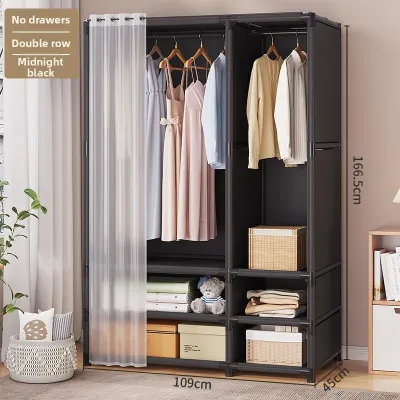
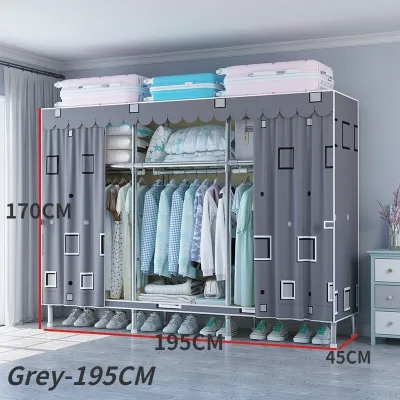
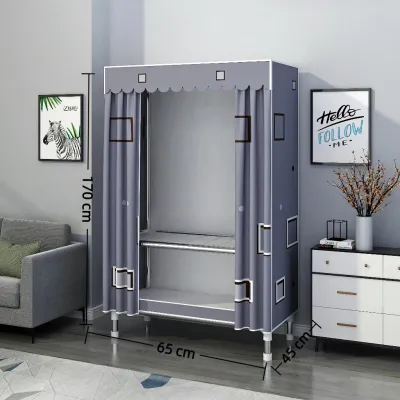
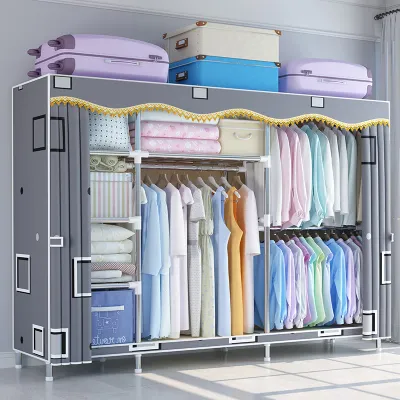
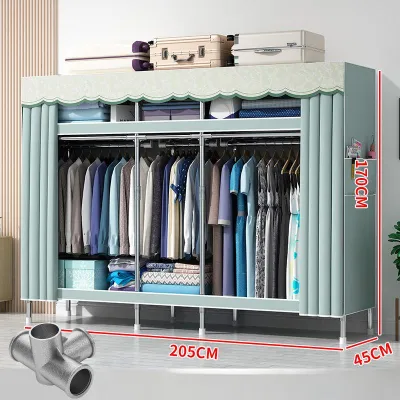
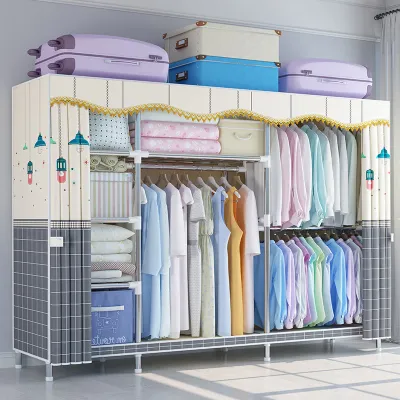
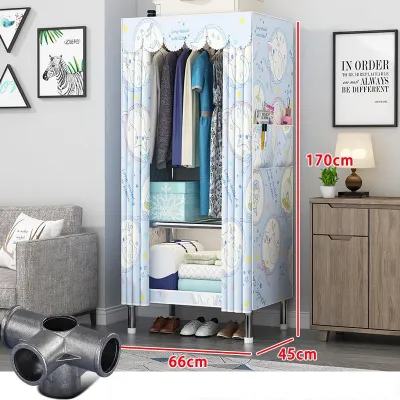
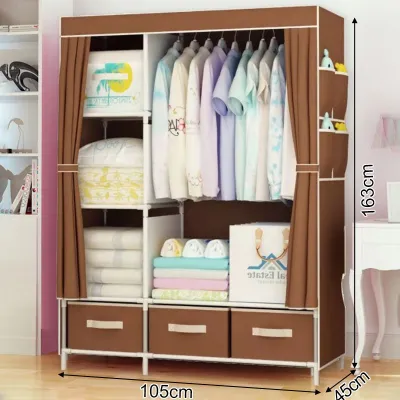
Prices are valid at publication and may change. Please refer to the product page for the latest price.
Core Differences at a Glance
Understanding the fundamental distinctions between steel pipe wardrobes and wooden closets is essential before diving into specific features. These two options represent different philosophies of home organization: one focuses on lightweight adaptability, while the other prioritizes permanent structural presence.
A steel pipe wardrobe typically consists of a modular framework made of hollow steel tubes connected by plastic or metal joints. These frames are often paired with fabric covers, non-woven shelving, or resin panels to create an open or semi-enclosed storage space. Because they are designed for quick assembly and disassembly, they are highly favored by mobile households and those seeking minimalist, industrial, or open-closet designs.
Conversely, a wooden wardrobe is a traditional, self-contained furniture piece. Constructed from solid wood or engineered wood products like Medium-Density Fiberboard (MDF) and particleboard, these wardrobes feature solid side panels, backboards, and hinged or sliding doors. They are designed to stand permanently in a bedroom, offering a fully enclosed environment that shields your garments from dust, light, and ambient moisture.
| Material Type | Typical Assembly Method | Aesthetic Style | Dust Protection | Relocation Ease |
|---|---|---|---|---|
| Steel Pipe | Tool-free snap joints or simple hex keys | Industrial, minimalist, or casual | Partial (fabric cover or open-air) | Very high (lightweight, flat-pack) |
| Wooden (Solid/Engineered) | Screws, dowels, and cam locks; often requires tools | Classic, modern, warm, or rustic | High (fully enclosed doors) | Low (heavy, prone to joint wear if moved) |
Durability and Humidity Resistance in Tropical Climates
Living in a tropical climate like the Philippines introduces specific challenges for bedroom furniture. High relative humidity, seasonal monsoons, and ambient heat can cause rapid degradation of low-quality materials. When choosing between steel and wood, understanding how each material interacts with moisture and local pests is critical to ensuring your wardrobe lasts for years.

Steel Pipe: Rust Prevention and Coatings
Untreated steel is highly susceptible to oxidation when exposed to humid air, which can lead to rust, structural weakening, and staining of your clothes. Therefore, the durability of a steel pipe wardrobe depends heavily on its surface treatment rather than the metal itself.
When shopping for a steel pipe wardrobe, always check the manufacturer’s specifications for protective finishes. Powder coating is one of the most reliable options, as it applies a dry powder that is cured under heat to create a thick, protective barrier. Galvanized steel or pipes treated with specialized anti-rust paint also offer excellent resistance to moisture.
Before finalizing your purchase, perform a visual inspection of the joints and pipe surfaces. Look for any scratches, chips, or exposed raw metal, as these small imperfections can become entry points for rust during the rainy season. Regularly wiping down the pipes with a dry microfiber cloth helps prevent moisture accumulation.
Wooden Wardrobes: Moisture and Pest Management
Wood brings natural warmth and elegance to a bedroom, but it requires careful selection and maintenance to withstand tropical humidity. Unsealed or poorly constructed wooden wardrobes can absorb ambient moisture from the air, leading to warping, musty odors, and mold growth on your garments.
Engineered wood options, such as standard MDF or particleboard, are particularly sensitive to direct moisture. If water leaks or high humidity penetrates the outer laminate or veneer, these materials can swell, crumble, and lose their structural integrity. To prevent this, look for moisture-resistant MDF variants or ensure all edges of the panels are completely sealed with edge banding.
Another significant concern in tropical environments is the risk of wood-boring insects and termites (anay). Solid wood wardrobes made of naturally resistant species, or those treated with specialized pest-resistant sealants, offer much better protection. Always check the manufacturer’s care instructions and product labels to verify if the wood has been treated for termites and sealed with a high-quality polyurethane or lacquer finish to block out moisture.
Weight Capacity, Stability, and Space Planning
A wardrobe must do more than just look good; it must safely support the weight of your clothing, bedding, and accessories without bowing, tilting, or collapsing. Additionally, the physical dimensions of the unit must align with your bedroom layout and the path required to deliver it.
Checking Load Limits and Structural Support
The load capacity of a steel pipe wardrobe is determined by the thickness of the steel walls, the diameter of the pipes, and the material of the connectors. Budget models often use thin-walled pipes and PP (polypropylene) plastic joints, which can become brittle over time when exposed to heat and heavy loads. For superior stability, look for models featuring thicker steel pipes (typically 19mm or larger) and reinforced metal screw-in connectors.
Wooden wardrobes distribute weight across solid panels and reinforced backboards, making them inherently stable when placed on a level floor. However, the type of wood used still dictates the load limit. While solid wood and high-density fiberboard (HDF) shelves can support heavy stacks of denim, folded linens, and luggage, cheap particleboard shelves are prone to sagging or bowing under concentrated weight.
Regardless of the material, avoid overloading hanging rods. A sagging rod is a warning sign that the joints or support brackets are under excessive stress. Distribute weight evenly across the wardrobe, placing heavier items like storage boxes, shoes, or spare bedding at the bottom to lower the center of gravity and improve overall stability.
Measuring for Delivery and Room Placement
Before purchasing any wardrobe, precise measurements of your bedroom and access pathways are mandatory. Start by measuring the available floor space, ensuring you account for baseboards, wall outlets, and light switches. You must also measure the ceiling height and the clearance required for wardrobe doors to swing open or for drawers to slide out fully.
Equally important is the delivery route. Many traditional wooden wardrobes are delivered fully assembled or in large, heavy panels that may not fit through narrow stairwells, tight hallway corners, or standard condominium elevators. If you live in a high-rise building, verify the dimensions of the service elevator and doorway clearances before ordering.
Steel pipe wardrobes offer a major advantage in this scenario. They are almost always delivered as compact, lightweight flat-packs, allowing them to navigate the tightest corridors with ease. They can be carried up multiple flights of stairs by a single person and assembled directly inside the bedroom, making them highly practical for challenging room layouts.
Assembly, Maintenance, and Long-Term Value
The effort required to set up and maintain your wardrobe directly impacts its long-term value and your daily satisfaction. Evaluating these factors helps you understand the hidden costs of time and labor associated with each material.
- Assembly Complexity: Steel pipe wardrobes are designed for straightforward, DIY-friendly assembly. Most models utilize a push-fit system with plastic connectors or simple hex keys, requiring no power tools or specialized carpentry skills. A single person can typically assemble a standard unit within an hour. Wooden wardrobes, especially large multi-door units, require a much more intensive assembly process. They rely on complex hardware like cam locks, dowels, hinges, and drawer slides. Assembling a wooden wardrobe often requires two people, a variety of hand tools, and several hours of careful work, leading many buyers to opt for professional installation services.
- Daily Maintenance: Maintaining a steel pipe wardrobe is relatively simple. The metal frame requires only occasional dusting and a periodic check to ensure the pipe connections remain tightly seated. If the wardrobe uses a fabric cover, it may need occasional vacuuming or hand-washing depending on the material. Wooden wardrobes require more attentive care. You must clean them with specialized wood cleaners, avoid wet cloths that can damage the finish, and periodically adjust door hinges to keep them aligned. In humid climates, placing dehumidifier packets or silica gel inside wooden closets is highly recommended to prevent mold.
- Relocation Flexibility: If you rent your home or anticipate moving frequently, relocation ease is a critical factor. Steel pipe wardrobes can be disassembled back into a compact bundle of pipes and connectors, fitting easily into the trunk of a car without sustaining damage. Wooden wardrobes do not tolerate repeated disassembly well. The screw holes in engineered wood can strip or loosen when disassembled, leading to wobbly joints and reduced stability when reassembled at your new location.
- Long-Term Value: While a steel pipe wardrobe is a highly affordable, flexible, and low-risk purchase (often ranging from ₱1,500 to ₱5,000), it is generally viewed as a temporary or transitional piece of furniture. A well-crafted wooden wardrobe represents a higher upfront financial commitment but offers lasting value. Solid wood or high-quality engineered wood closets can last for decades if properly maintained, serving as a permanent anchor for your bedroom's interior design.
Decision Framework: Matching the Wardrobe to Your Needs
To make your final decision, evaluate your current living situation, budget, and storage habits against the following practical checklists.
Choose a Steel Pipe Wardrobe If…
- You are a renter or student: You need lightweight, portable furniture that can be packed up and moved to a new apartment or dorm room with minimal effort.
- You are working with a strict budget: You want to maximize your hanging and shelving space without spending a large amount upfront on heavy furniture.
- Your bedroom is prone to pests: You live in an area where termites (anay) are a persistent threat, and you want a frame material that insects cannot destroy.
- You prefer a modular layout: You enjoy reconfiguring your storage setup, adjusting shelf heights, or using an open-closet concept to display your clothing.
Choose a Wooden Wardrobe If…
- You own your home: You are looking for a permanent, durable furniture piece that enhances the aesthetic value and storage capacity of your master bedroom.
- You prioritize dust and light protection: You own delicate, high-end garments, formal wear, or fabrics that need to be fully enclosed behind solid doors to prevent dust accumulation and fabric fading.
- You want a cohesive interior design: You prefer a classic, polished, or warm bedroom aesthetic that matches other wooden furniture like your bed frame and nightstands.
- You need heavy-duty storage: You plan to store heavy winter coats, stacked denim, bulky bedding, or luggage that requires thick, rigid shelving.
Verify First If…
- Your bedroom floor is uneven: Standard steel pipe wardrobes can wobble on uneven tiles or warped floors. Verify if the model you are buying features adjustable leveling feet to compensate for floor imperfections.
- You plan to store exceptionally heavy items: Do not rely on generic material assumptions. Always check the manufacturer's stated weight limits for both steel frames and wooden shelves before purchasing.
- You are buying from an online marketplace: Verify the return policies, read buyer reviews regarding structural stability, and confirm the exact assembled dimensions to ensure the product matches the online photos.
Frequently Asked Questions (FAQ)
Can I mix steel pipe frames with wooden shelves?
Yes, hybrid wardrobes that combine steel pipe frames with wooden shelves are highly popular and widely available. These designs offer the best of both worlds: the structural lightness, industrial aesthetic, and easy assembly of a steel frame, paired with the rigid weight-bearing capacity and warm visual appeal of wooden panels. If you choose a hybrid system, always verify that the wooden shelves have been treated with a moisture-resistant sealant to prevent warping in humid environments. Additionally, ensure the steel frame’s connectors are specifically designed to support the thickness and weight of the wooden panels.
How do I prevent a steel pipe wardrobe from tipping over?
Because steel pipe wardrobes are lightweight, they can become top-heavy if loaded incorrectly, posing a tipping hazard. To secure the unit, always place your heaviest items—such as storage boxes, shoes, or heavy organizers—on the bottom shelves to lower the overall center of gravity. When hanging clothes, distribute them evenly across the rod rather than clustering them on one side. For maximum safety, especially in households with active pets or young children, use anti-tip wall anchors, straps, or L-brackets to secure the top of the frame directly to the wall. Always consult the manufacturer’s instructions for the recommended anchoring methods suitable for your wall type.
Community discussion
Share your experience or ask a question. Comments are reviewed before publication.